Auto Vs Allo Transplant: Using Your Own or Donor Cells
Auto vs allo transplant refers to two ways of restoring blood-forming stem cells after intensive treatment. An autologous transplant uses the patient’s own collected stem cells, while an allogeneic transplant uses cells from a matched donor and may provide an immune effect against cancer but carries additional donor-related risks.
Auto vs allo transplant: a side-by-side comparison
Stem cell transplantation, sometimes called a bone marrow transplant, replaces blood-forming stem cells after intensive chemotherapy, radiation therapy, or both. In an autologous transplant, the person receives stem cells collected from their own blood or bone marrow earlier in treatment. In an allogeneic transplant, the stem cells come from another person, such as a related or unrelated matched donor.
The terms describe the source of the cells rather than the diagnosis. Both approaches are used for selected blood cancers and blood disorders, but they work differently and have different benefits, limitations, and follow-up needs.
- Cell source: Autologous means the patient’s own cells; allogeneic means donor cells.
- Main role: Autologous transplant mainly allows high-dose treatment to be given safely; allogeneic transplant also introduces a donor immune system.
- Immune effect: Allogeneic cells may attack remaining cancer cells, called graft-versus-tumor or graft-versus-leukemia effect.
- Key risks: Autologous transplant has no graft-versus-host disease (GVHD), while allogeneic transplant can cause GVHD, graft failure, and longer-lasting immune suppression.
- Recovery: Both require close follow-up, but immune recovery often takes longer after an allogeneic transplant.
What are the key differences between autologous and allogeneic transplants?
The central difference is whose stem cells are infused. Before an autologous transplant, clinicians collect and freeze the patient’s healthy blood-forming stem cells. After high-dose treatment, the stored cells are returned through a vein, much like a blood transfusion. Because the cells are the patient’s own, the body generally recognizes them, and anti-rejection medicines are not needed.
For an allogeneic transplant, a donor’s stem cells are collected and infused after conditioning treatment. The donor may be a matched sibling, an unrelated volunteer donor, a partially matched relative, or, in selected circumstances, another donor source. Detailed tissue typing helps the transplant team select the most suitable donor and reduce complications.
Allogeneic transplantation can be particularly valuable when the donor immune system is expected to help control disease. However, donor immune cells can also attack healthy tissues, causing GVHD. GVHD may affect the skin, liver, digestive tract, eyes, mouth, lungs, or other organs, and it can be acute or chronic. Medicines that suppress the immune system lower this risk but may increase susceptibility to infections.
How clinicians decide which transplant approach fits

Choosing between an autologous and an allogeneic transplant is not a simple preference between two procedures. A hematology and transplant team considers the exact diagnosis, disease biology, whether the condition is in remission, response to prior therapy, and the likelihood that high-dose treatment alone can provide durable disease control.
Autologous transplant is commonly considered for conditions where the patient’s stem cells can be collected safely and where intensive treatment is expected to be effective. This may include selected lymphomas and multiple myeloma. For example, a clinician may discuss multiple myeloma treatment pathways in the context of overall disease response and fitness for transplant.
Allogeneic transplant may be considered for certain leukemias, myelodysplastic syndromes, marrow failure conditions, inherited blood disorders, or cancers with a higher risk of returning. The team also evaluates age, daily functioning, heart, lung, kidney and liver health, infection status, previous treatments, and whether an appropriate donor is available. These factors help balance potential benefit against transplant-related risks.
What to expect with an autologous transplant
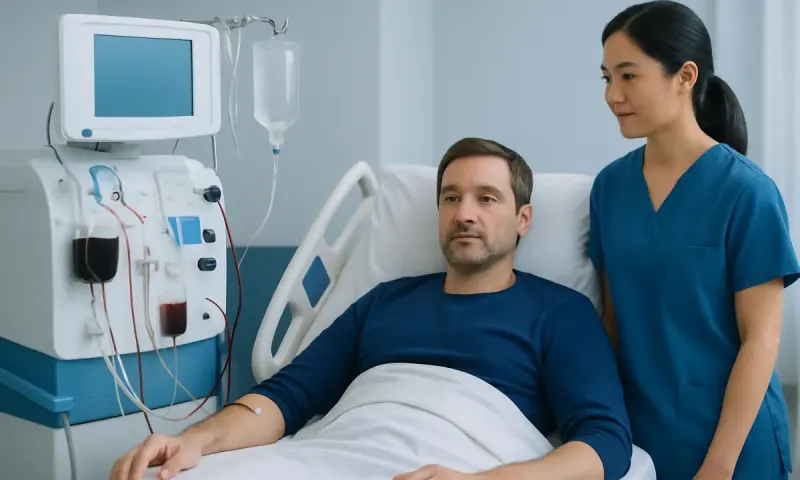
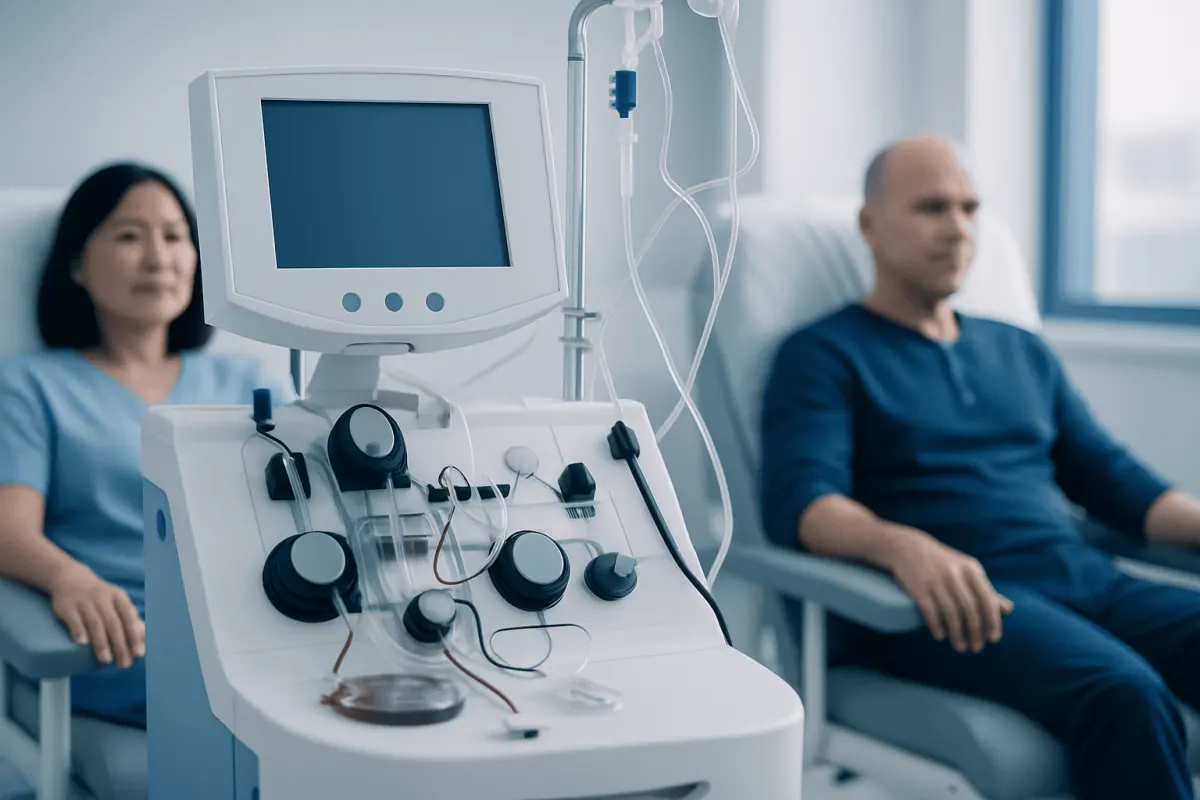
Autologous transplantation usually begins with mobilization, when medicines may help stem cells move from the bone marrow into the bloodstream. The cells are then collected by a process called apheresis and stored. The patient later receives conditioning therapy, often high-dose chemotherapy, followed by reinfusion of the stored stem cells.
The reinfused cells travel to the bone marrow and begin making new blood cells. During the period before blood counts recover, a person may need transfusions, preventive medicines, nutritional support, and monitoring for infection, mouth sores, nausea, diarrhea, fatigue, and bleeding. The care plan is individualized and may involve inpatient or closely supervised outpatient treatment.
Autologous transplant does not provide a donor immune attack on cancer cells. For this reason, additional medicines before or after transplant may be recommended for some diagnoses. Bone marrow transplant planning includes discussion of collection, conditioning, recovery expectations, fertility preservation where appropriate, and practical support during follow-up.
What to expect with an allogeneic transplant
Allogeneic transplant involves donor selection and compatibility testing before conditioning treatment and infusion of donor cells. Conditioning may be intensive or reduced intensity, depending on the disease, age, organ function, and overall health. Reduced-intensity approaches may use less intensive chemotherapy but still rely on donor immune cells to help control the disease.
After infusion, the transplant team watches for engraftment, meaning the donor cells begin producing blood cells. Patients receive medicines to prevent GVHD and infections, and blood tests are performed frequently. If donor cells do not engraft adequately, or if serious complications arise, the team may need to adjust treatment promptly.
Allogeneic recovery often involves a longer period of immune suppression and surveillance than autologous recovery. Vaccinations may need to be repeated later because the new immune system may not retain prior protection. Ongoing follow-up also looks for chronic GVHD, late infections, endocrine concerns, bone health changes, and possible disease recurrence.
What is the success rate of an autologous stem cell transplant?
There is no single success rate for an autologous stem cell transplant. Outcomes vary according to the condition being treated, how well it responded before transplant, genetic and biological features of the disease, the patient’s age and organ health, previous therapies, and the goals of treatment. A transplant may be intended to achieve a deeper remission, extend remission, or provide another opportunity for disease control.
Clinicians often discuss several separate outcomes rather than one percentage: whether stem cells engraft, the chance of treatment-related complications, the likelihood of remission, the risk of relapse, and overall survival over a defined period. These measures can differ greatly between, for example, lymphoma and myeloma, as well as between people with early responsive disease and those with relapsed disease.
Patients are encouraged to ask their transplant specialist which outcomes are most relevant to their diagnosis and treatment plan. The team can explain results from appropriate clinical studies and registry data while placing those figures in the context of the individual’s health situation. No outcome estimate can predict exactly what will happen for one person.
What happens 100 days after an autologous stem cell transplant?
The first 100 days after an autologous stem cell transplant are commonly treated as a key recovery milestone. By this point, many people have experienced blood count recovery, known as engraftment, although energy levels, appetite, strength, and immune function may still be improving. Follow-up remains important even when recovery appears to be going smoothly.
At or around this time, clinicians may review blood counts, kidney and liver function, signs of infection, medication needs, nutrition, and disease response. Imaging, bone marrow testing, or blood-based disease monitoring may be used when appropriate for the underlying condition. The team may also discuss maintenance therapy, rehabilitation, return-to-work planning, and vaccination timing.
Some effects can persist beyond day 100, including fatigue, altered taste, emotional stress, sleep changes, or increased infection vulnerability. Patients should not stop preventive medicines or miss follow-up appointments without advice from their transplant team. Recovery is gradual, and the timeline differs from person to person.
What are the key differences between autologous and allogeneic cell therapy?
In the stem cell transplant setting, autologous and allogeneic cell therapy use the same basic distinction: autologous products come from the patient, while allogeneic products come from a donor. However, the term cell therapy can also refer to treatments beyond stem cell transplantation, including immune-cell therapies being used or studied in cancer care.
Autologous cell therapies are made from the individual’s own cells. They may require time to collect, process, test, and prepare the product, but they generally avoid donor-recipient incompatibility. Allogeneic cell therapies may be prepared from donor cells and can potentially be available more quickly in some settings, but they require careful management of immune compatibility and may carry risks of rejection or donor-cell reactions.
The exact benefits and risks depend on the specific therapy, not only on whether cells are autologous or allogeneic. Some cell-based treatments are established standards for particular diseases, while others remain available only in clinical trials. A specialist can explain whether a proposed therapy is approved, evidence-based for the condition, and appropriate for the patient’s circumstances.
When to seek medical care
Anyone being assessed for, preparing for, or recovering from a transplant should contact their transplant team promptly if they develop fever, chills, shortness of breath, chest pain, confusion, persistent vomiting or diarrhea, severe weakness, unusual bleeding, a widespread rash, or reduced urine output. These symptoms can have many causes, but infection and treatment complications require timely assessment in people with weakened immunity.
After an allogeneic transplant, new skin changes, yellowing of the eyes or skin, persistent dry eyes or mouth, swallowing difficulty, abdominal cramps, or ongoing diarrhea should also be reported, as they may need evaluation for GVHD or other complications. Patients should follow the emergency contact instructions provided by their own Kidney Transplant Center: Questions to Ask Before You Decide" class="ahp-ilk">transplant center rather than waiting for a routine appointment.
Acıbadem Health Point’s multidisciplinary specialists and JCI-accredited hospitals provide assessment and treatment planning for international patients who may need stem cell transplantation. A transplant consultation can help clarify whether autologous or allogeneic treatment is clinically appropriate and what follow-up support may be required.
Frequently asked questions
01Is an autologous or allogeneic transplant safer?
Neither option is universally safer because the appropriate choice depends on the disease and the person’s health. Autologous transplant avoids donor-related complications such as graft-versus-host disease, while allogeneic transplant may offer an important donor immune effect against certain diseases. A transplant team weighs these different risks and potential benefits carefully.
02Can an autologous transplant cure cancer?
For some conditions, an autologous transplant can lead to long-lasting remission and may be part of treatment with curative intent. For other conditions, it is used to deepen or extend disease control rather than to provide a cure. The expected aim should be discussed with the treating hematologist or oncologist.
03Why might a person need an allogeneic transplant instead of their own stem cells?
A person may need donor stem cells when their own marrow or stem cells are affected by disease, when an inherited disorder requires replacement of blood-forming cells, or when a donor immune effect is needed to reduce relapse risk. Allogeneic transplant may also be considered after disease returns despite other treatment. Donor availability and overall fitness are important parts of the decision.
04How long does immune recovery take after stem cell transplant?
Blood counts may recover within weeks, but full immune recovery can take months and may take longer after an allogeneic transplant. The timeline is affected by conditioning treatment, immune-suppressing medicines, infections, graft-versus-host disease, and other individual factors. The transplant team advises on infection precautions and vaccines throughout recovery.
05Can a patient have an allogeneic transplant after an autologous transplant?
In selected circumstances, an allogeneic transplant may be considered after an earlier autologous transplant, especially if a disease relapses or has high-risk features. This is a complex decision because previous therapy can affect transplant risks and eligibility. A specialist team reviews disease status, treatment history, donor options, and general health.
06Is stem cell transplant the same as a bone marrow transplant?
The terms are often used interchangeably, although stem cells are now commonly collected from circulating blood rather than directly from bone marrow. Both refer to procedures that restore blood-forming cells after conditioning treatment. The source and type of cells used are explained in the individual treatment plan.
This article is for general information only and is not a substitute for professional medical advice. Please consult a qualified doctor about your individual situation.
Oncology care in Turkey — second opinion and treatment plan
JCI-accredited · board-certified surgeons · reply within 24h
Add us as a Preferred Source to see more of our trusted health content across Google Search, AI Overviews and Discover.