At-Home Stool Test Kit: How to Collect a Sample

An at home stool test kit allows a person to collect a small stool sample privately and send it to a laboratory or return it as instructed. The test can support screening or help investigate digestive symptoms, but the meaning of a result depends on the type of kit and a clinician’s assessment.
What Is an At Home Stool Test Kit?
An at home stool test kit is a collection package used to obtain a stool sample outside a clinic or hospital. The sample is placed in the supplied container or collection device, labeled, and returned to a laboratory according to the instructions. The laboratory then examines it for specific markers requested by a clinician or included in an approved screening program.
Different kits answer different clinical questions. Some are designed to detect tiny amounts of blood that cannot be seen with the eye, while others may look for bacteria, parasites, viruses, inflammation markers, or digestive substances. A person should use a kit only for its intended purpose and should not assume that one type of stool test can rule out every digestive condition.
Home collection can be convenient and private, especially for routine screening. However, it is not a substitute for medical evaluation when someone has concerning symptoms. A healthcare professional can recommend the most appropriate test and explain whether further assessment, such as a colonoscopy, may be needed.
Why a Stool Test May Be Recommended
A clinician may recommend a stool test as part of colorectal cancer screening or to investigate symptoms affecting the digestive system. Tests that detect hidden blood in stool are commonly used for screening in people who are eligible and do not have symptoms. Blood can come from several places in the digestive tract, so an abnormal screening result needs follow-up rather than self-diagnosis.
Stool testing can also help evaluate ongoing diarrhea, suspected foodborne illness, travel-related digestive symptoms, or possible intestinal parasites. Other tests may measure markers associated with intestinal inflammation, which can help a clinician decide whether more detailed investigation is appropriate.
The reason for testing affects how the result is interpreted. For example, a test ordered because of acute diarrhea may look for an infectious cause, while a screening test looks for a marker that could require further examination. People with symptoms such as persistent changes in bowel habits should speak with a doctor even if they have recently completed a home screening kit.
- Routine screening for hidden blood in stool
- Persistent or recurrent diarrhea
- Possible gastrointestinal infection after travel, contaminated food, or close contact
- Investigation of abdominal discomfort, mucus in stool, or bowel changes
- Monitoring selected digestive conditions when requested by a clinician
How to Use the Kit and Collect the Sample

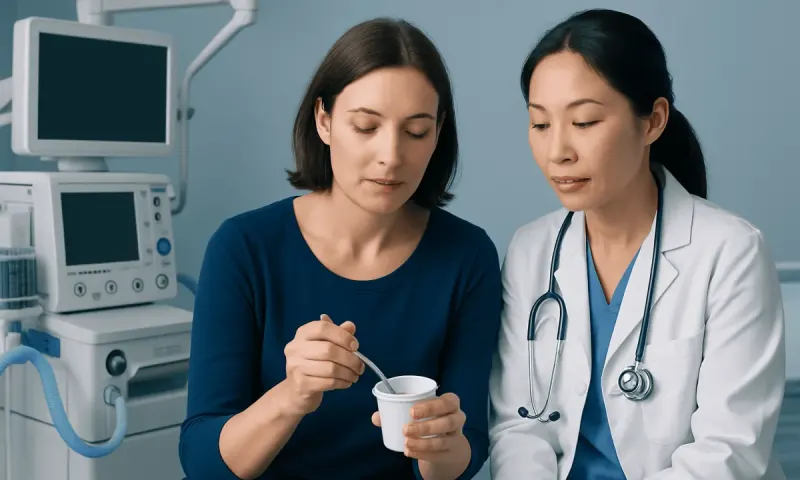
Every at home stool test kit has its own collection method, so the enclosed instructions should always take priority. Before starting, a person should check the expiry date, read the preparation requirements, and make sure the sample container and return materials are available. Some tests need only one sample, while others require samples from more than one bowel movement.
Usually, stool should be collected into a clean, dry collection device rather than directly from toilet water. The sample should not mix with urine, cleaning products, toilet paper, or menstrual blood, as contamination can affect testing. The supplied probe, swab, or scoop is used to collect the amount requested, and the container is closed tightly.
The container should be labeled exactly as instructed, typically with identifying details and the collection date. It should then be packaged and returned within the specified time. Some samples must be mailed promptly, while others require refrigeration or delivery to a laboratory. If the sample is delayed, spilled, incorrectly labeled, or contaminated, the laboratory may be unable to process it and a new sample may be needed.
People should not stop prescribed medicines, change their diet, or alter supplements unless the instructions or a healthcare professional specifically advise it. Certain older-style blood tests may have dietary or medication restrictions, whereas many modern screening tests do not. Asking the prescribing clinician or pharmacist is the safest approach when there is uncertainty.
Recovery and Everyday Activities After Collection
Collecting a stool sample is noninvasive, so there is generally no recovery period. Most people can return to work, exercise, meals, travel plans, and usual daily activities immediately after completing the sample collection. The main task afterward is protecting the sample and returning it by the required deadline.
It is sensible to wash hands thoroughly after handling collection materials and to clean any surfaces that may have come into contact with the sample. The kit materials should be disposed of only as directed. If a person is collecting a sample during a period of diarrhea or illness, drinking fluids and following a clinician’s advice can help reduce the risk of dehydration.
A stool kit does not cause bleeding, pain, or bowel changes. If these occur, they are related to the underlying health issue rather than the collection process and should be discussed with a healthcare professional. People should not delay seeking care for significant symptoms while waiting for a laboratory report.
Understanding Stool Test Results
Results are usually reported as negative, positive, normal, abnormal, detected, or not detected, depending on the test. A negative result means that the laboratory did not find the specific marker above the test threshold in that sample. It does not guarantee that a person has no digestive disease, because every test has limits and some conditions may not release detectable markers continuously.
A positive or abnormal result means that the laboratory found a marker that needs interpretation. For a hidden-blood screening test, this may lead to a recommendation for further examination of the bowel. Blood can occur for several reasons, including hemorrhoids, inflammation, polyps, or other conditions; the stool test alone cannot identify the source. For infection testing, a detected organism must be interpreted alongside symptoms, recent exposures, and medical history.
Occasionally, a result is invalid, inconclusive, or unavailable because the sample was insufficient, delayed, contaminated, or processed incorrectly. This does not necessarily indicate a health problem, but repeat collection may be necessary. A clinician can explain what the specific test result means and whether observation, repeat testing, or another investigation is appropriate.
Where a result raises concern about bowel disease, further assessment may help identify conditions such as colon cancer or noncancerous causes of bleeding. Prompt follow-up after an abnormal screening result is important, even when a person feels well.
Getting a Reliable Result: Practical Tips
The accuracy of a home stool test begins before the sample reaches the laboratory. The person should use the exact kit provided, follow any preparation advice, collect the requested amount, and ensure that the sample does not touch toilet water or cleaning chemicals. A different container, an expired kit, or an improperly stored sample may not be suitable for analysis.
Timing also matters. Samples should be returned or mailed only as instructed, taking account of weekends, public holidays, and local postal schedules where relevant. If a kit requires same-day dispatch or refrigeration, this should be planned before collection. When a person is unable to return the sample within the required window, it may be better to wait and collect a fresh sample when it can be handled correctly.
People should tell their clinician about menstruation, visible rectal bleeding, recent diarrhea, antibiotic use, travel, immune-suppressing medicines, and any relevant digestive diagnosis. These details may influence the choice of test or how the result is interpreted. A home kit should not be shared, reused, or used to test another person.
When to Seek Medical Care
A home stool test is not intended to manage urgent symptoms. Medical care should be sought promptly for black, tar-like stools; a large amount of visible blood; severe or worsening abdominal pain; persistent vomiting; fainting; confusion; or signs of significant dehydration, such as very little urine, marked dizziness, or inability to keep fluids down.
A person should also arrange a medical review for unexplained weight loss, persistent bowel habit changes, ongoing diarrhea or constipation, fever with digestive symptoms, new symptoms after age-appropriate screening has begun, or a family history that increases bowel cancer risk. These symptoms do not always indicate a serious cause, but they deserve professional assessment.
Anyone with an abnormal stool screening result should follow the recommended next step rather than repeating the same kit independently for reassurance. Acıbadem Health Point’s multidisciplinary specialists and JCI-accredited hospitals can assess digestive symptoms and coordinate diagnostic evaluation for international patients.
Frequently asked questions
01How long does an at home stool test kit take to produce results?
Timing depends on the type of test, the laboratory, and how quickly the sample arrives in suitable condition. Many laboratories provide results within days after receiving the specimen, but the kit instructions or ordering clinician can provide the expected timeframe. Delayed or unsuitable samples may need to be collected again.
02Can an at home stool test kit diagnose colon cancer?
No. Some stool screening tests can identify markers that may be associated with colorectal cancer or polyps, but they do not make a diagnosis. A positive result usually needs follow-up testing, often with examination of the colon.
03What should a person do if the stool sample falls into toilet water?
A sample that has touched toilet water may be contaminated and may not be reliable. The person should generally discard it and collect a new sample using the kit’s collection device, if available. If there is no replacement material, the laboratory or healthcare provider should be contacted for advice.
04Can stool samples be collected during menstruation?
Menstrual blood can interfere with some stool tests, particularly tests intended to detect blood. The kit instructions should be checked, and a clinician or laboratory can advise whether collection should be delayed. This is especially important when the test is used for colorectal cancer screening.
05Does a negative stool test mean there is no digestive problem?
Not necessarily. A negative result means the test did not find the particular marker it was designed to detect in that sample. Ongoing or concerning symptoms should still be discussed with a doctor because other conditions may require different tests.
06Should medicines or supplements be stopped before a home stool test?
People should not stop prescribed medicines without medical advice. Some stool tests have specific preparation requirements, while others do not require dietary or medication changes. The instructions and the ordering clinician’s guidance should be followed.
This article is for general information only and is not a substitute for professional medical advice. Please consult a qualified doctor about your individual situation.
Persistent digestive symptoms? Get evaluated in Turkey
JCI-accredited · board-certified surgeons · reply within 24h
Add us as a Preferred Source to see more of our trusted health content across Google Search, AI Overviews and Discover.