Arthroscopic Knee Surgery: Recovery Depends on Repair

Arthroscopic knee surgery uses a small camera and specialized instruments inserted through tiny incisions to examine and treat selected knee conditions. It often involves less soft-tissue disruption than open surgery, but the recovery period and expected result depend greatly on what is found and repaired inside the joint.
Overview: What Is Arthroscopic Knee Surgery?
Arthroscopic knee surgery, also called knee arthroscopy, is a minimally invasive operation that allows an orthopedic surgeon to look inside the knee joint and, when appropriate, treat a problem during the same procedure. A thin instrument with a camera, called an arthroscope, sends images from inside the knee to a monitor. The surgeon works through a few small incisions using fine surgical instruments.
It may be used for a range of problems, including selected meniscus tears, loose fragments of bone or cartilage, inflamed joint lining, certain cartilage injuries and some ligament-related conditions. Arthroscopy is not automatically the best option for every painful knee. For example, many people with osteoarthritis benefit more from exercise therapy, weight management, medication or other non-surgical care than from arthroscopic surgery.
The goal is to address a clearly identified source of symptoms while preserving as much healthy tissue as possible. Expected benefits, recovery and longer-term results depend on the diagnosis and the exact procedure performed, rather than on the size of the incisions alone.
How It Works and Who May Be a Candidate
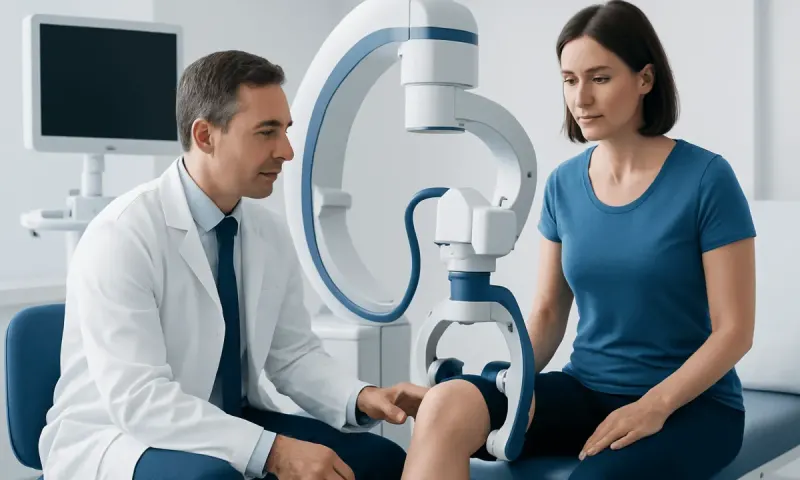
Knee pain, catching, locking, swelling or loss of movement can have several causes. Before recommending arthroscopy, the clinician reviews symptoms, medical history and activity goals, then performs a focused knee examination. X-rays may show bone alignment or arthritis, while magnetic resonance imaging (MRI) can help assess soft tissues such as the meniscus, cartilage and ligaments.
A person may be a candidate when symptoms persist despite appropriate non-surgical treatment and clinical findings suggest a problem that arthroscopy can reasonably address. Examples include a displaced meniscus tear causing mechanical locking, a loose body in the joint, or a repairable meniscus injury. The decision is individualized, particularly for degenerative changes that are common with aging.
Arthroscopy may be less suitable when pain is mainly caused by advanced widespread arthritis, when there is active infection, or when health conditions make anesthesia or surgery unsafe until they are stabilized. Smoking, diabetes, blood-thinning medicines and prior clotting problems should be discussed in advance because they may affect preparation and recovery.
Orthopedic assessment can clarify whether orthopedic treatment should include surgery, rehabilitation, injections, medication or a combination of approaches. A shared decision should consider the likely benefit, alternatives, recovery restrictions and the person’s work, caregiving and sport demands.
Step by Step: What Happens During the Procedure

Most knee arthroscopies are performed under general anesthesia or regional anesthesia, sometimes with sedation. The anesthesia team and surgeon select the safest approach based on the planned operation, health history and personal factors. In many cases, the procedure is completed on the same day and the person returns home after observation.
After the skin is cleaned and covered with sterile drapes, the surgeon makes small openings around the knee. Sterile fluid is used to gently expand the joint and improve visibility. The arthroscope is inserted first, allowing the surgeon to inspect structures such as the menisci, cartilage surfaces, ligaments and synovial lining.
If treatment is needed, additional small instruments may trim an unstable tissue edge, remove a loose body, repair a meniscus with sutures, smooth or treat a focal cartilage lesion, or address inflamed tissue. The exact steps vary. A simple removal or trimming procedure usually has different aftercare from a repair that must be protected while it heals.
At the end, fluid is drained, the small incisions are closed or covered, and a dressing is applied. Depending on the procedure, the patient may leave with crutches, a brace, written activity instructions and a plan for pain control, wound care and physiotherapy.
Benefits, Limits and Possible Risks
The principal benefit of arthroscopic knee surgery is that it can directly identify and treat certain joint problems through small incisions. For carefully selected conditions, it may relieve mechanical symptoms, improve movement or stability, and support a return to daily activities. Preserving and repairing tissue, when feasible, can be particularly important for long-term joint function.
However, arthroscopy has limits. Surgery cannot restore cartilage that has been broadly worn away by arthritis, and it may not resolve pain when the pain source is outside the joint or is multifactorial. The surgeon should explain what improvement is realistic, as well as whether non-surgical care may provide similar benefit.
Complications are uncommon but possible. These include infection, bleeding, blood clots, nerve or blood-vessel injury, anesthesia reactions, stiffness, persistent swelling, continued pain, or a need for further treatment. A repair can also fail to heal, particularly if postoperative restrictions are not followed or if tissue quality is poor.
Following the recovery plan reduces avoidable risks. This includes using crutches or a brace as directed, taking medicines only as prescribed, attending rehabilitation and informing the care team about new or concerning symptoms.
Recovery Timeline and Everyday Restrictions
Recovery is based on the procedure, not simply the word “arthroscopy.” After a minor diagnostic procedure or removal of a loose body, many people begin gentle walking with support soon after surgery and progress over days to a few weeks. After meniscus repair, cartilage procedures or ligament reconstruction, crutches, a brace and restricted weight-bearing may be needed for weeks, with recovery continuing for several months.
In the first 48 to 72 hours, swelling, stiffness and discomfort are expected. Resting with the leg elevated, using cold therapy if advised, performing permitted ankle and knee exercises, and keeping the dressing clean and dry can help. The surgeon will advise when showering, dressing changes and driving are appropriate.
What can you not do after a knee arthroscopy? Until cleared by the surgical team, people should avoid high-impact exercise, running, jumping, pivoting, deep squatting, kneeling and lifting that places strain on the knee. They should also avoid driving while taking sedating pain medicine, while unable to safely control the vehicle, or while wearing a brace that limits movement. Weight-bearing instructions must be followed closely after any repair.
Physiotherapy commonly focuses on reducing swelling, restoring full extension and bend, rebuilding thigh and hip strength, and gradually retraining balance and movement. Returning to sports depends on strength, knee control, healing and the type of surgery; it should be guided by the surgical and rehabilitation team rather than a fixed date.
How Long Does It Take to Walk Normally After a Knee Arthroscopy?
After a simple arthroscopy, some people walk short distances with crutches on the day of surgery and may walk more normally within several days to a few weeks. A mild limp can persist while swelling, pain or thigh weakness improves. The safest pace is one that does not increase pain or swelling and follows the surgeon’s instructions.
Walking normally takes longer after procedures that require healing protection. Meniscus repair, cartilage restoration and ligament reconstruction may involve partial or no weight-bearing for a defined period, followed by a staged return to walking. Trying to walk without a limp too quickly can place stress on healing tissue and reinforce poor movement patterns.
A physiotherapist can help determine when walking aids are no longer needed. In general, a person should be able to place weight through the leg as permitted, fully straighten the knee, maintain good balance and walk without significant pain or a worsening limp before progressing activity.
What Is the Hardest Day After Knee Surgery?
For many people, the first two to three days after knee arthroscopy are the most difficult because anesthetic effects have fully worn off and swelling may increase. Sleep can be uncomfortable, and moving around may feel challenging while the knee is stiff. The experience varies considerably according to the operation, pain sensitivity, pre-existing knee symptoms and the individual recovery plan.
Keeping ahead of discomfort with the prescribed plan, rather than waiting until pain is severe, can make early recovery more manageable. Elevation, cold therapy when approved, gentle exercises and help with meals or household tasks can also be useful during this period. Pain and swelling should generally trend downward rather than steadily worsening.
How painful is knee arthroscopy recovery? Most people have mild to moderate pain and a feeling of pressure or tightness during the early days, with symptoms gradually improving. More extensive repairs can be more uncomfortable and have a longer rehabilitation period. Severe pain that is not controlled by the agreed plan, or pain accompanied by concerning symptoms, should be discussed with the surgical team.
When to Seek Medical Care
Contact the surgeon or another qualified clinician promptly if there is increasing redness, warmth, drainage or a bad odor from the incisions; a fever; pain or swelling that suddenly worsens; numbness or weakness that does not improve; or difficulty taking prescribed medicines because of side effects. These symptoms do not always indicate a serious problem, but they should be assessed.
Urgent medical care is needed for chest pain, shortness of breath, coughing up blood, fainting, or new marked swelling, redness or pain in the calf or thigh. These can be warning signs of a blood clot or another urgent condition. People should not wait for a scheduled follow-up if such symptoms develop.
Routine follow-up is an important part of recovery. The care team checks wound healing, knee movement, swelling and progress with rehabilitation, then adjusts activity guidance. Acıbadem Health Point’s multidisciplinary specialists and JCI-accredited hospitals support diagnosis and treatment planning for international patients who need orthopedic care.
Frequently asked questions
01Is arthroscopic knee surgery a major operation?
Knee arthroscopy is generally considered minimally invasive because it uses small incisions and a camera rather than a large open incision. It is still surgery and requires anesthesia, wound care and a structured recovery plan. The seriousness of recovery depends mainly on whether tissue is repaired, reconstructed or simply assessed and treated.
02Can a person go home the same day after knee arthroscopy?
Many knee arthroscopy procedures are performed as day surgery, meaning the patient goes home after recovery from anesthesia and a safety assessment. A responsible adult is usually needed to provide transport and support initially. Admission may be recommended when a person has complex medical needs or a more extensive procedure.
03When can someone return to work after knee arthroscopy?
Return-to-work timing depends on the procedure and job duties. Desk-based work may be possible within days to a couple of weeks for some people, while jobs involving prolonged standing, climbing, kneeling, lifting or manual labor often require more time. The surgeon can provide guidance based on healing and safe movement.
04Will knee arthroscopy cure arthritis?
Arthroscopy does not cure osteoarthritis or reverse widespread cartilage wear. In people whose symptoms are primarily due to arthritis, non-surgical approaches are often more appropriate. Arthroscopy may still be considered in selected situations when another treatable problem, such as a loose body or a true locked knee, is present.
05How should a person sleep after knee arthroscopy?
Sleeping on the back with the leg supported can be comfortable for many people, although advice may differ after specific repairs. A pillow is often placed beneath the calf or ankle rather than directly behind the knee if the aim is to encourage full knee straightening. The surgical team’s instructions should take priority, especially if a brace is prescribed.
06What happens if rehabilitation exercises are skipped?
Skipping recommended rehabilitation can contribute to stiffness, weakness, altered walking and a slower return to normal activities. Conversely, doing exercises that have not been approved may place stress on healing tissue. A physiotherapist can adapt the program if pain, swelling or other health issues make exercises difficult.
This article is for general information only and is not a substitute for professional medical advice. Please consult a qualified doctor about your individual situation.
Joint and spine care in Turkey — expert assessment & treatment
JCI-accredited · board-certified surgeons · reply within 24h
Add us as a Preferred Source to see more of our trusted health content across Google Search, AI Overviews and Discover.