Arthritis in the Back: Symptoms and Treatment Options
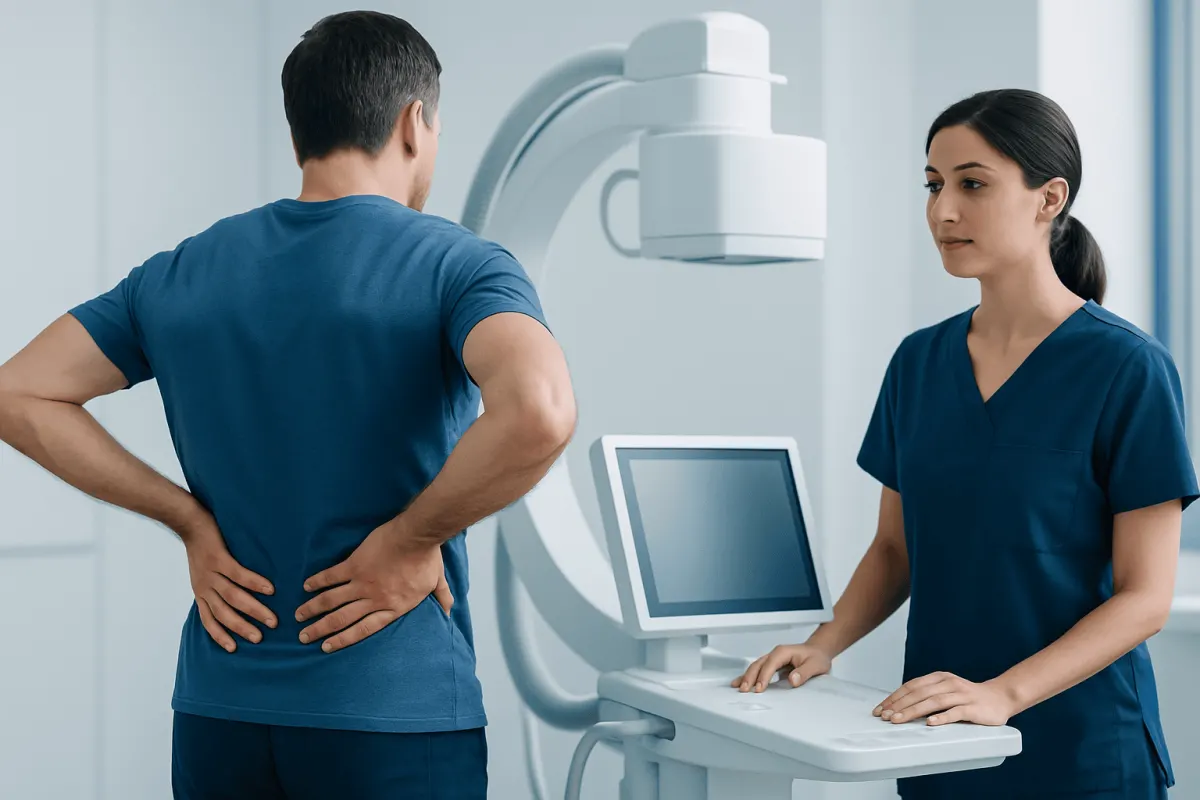
Arthiritis in back, commonly called back arthritis or spinal osteoarthritis, involves wear and inflammation in the small joints of the spine. It can cause pain and stiffness, but many people improve with an individualized plan that combines movement, symptom relief and, when needed, specialist treatment.
Overview: what is arthiritis in back?
Arthiritis in back is a common term for arthritis affecting joints in the spine, especially the facet joints. These small paired joints sit at the back of each spinal segment and guide bending, twisting and extension. The usual form is osteoarthritis, in which joint cartilage and other tissues change over time, sometimes with bone spur formation and local inflammation.
Back arthritis may occur in the neck, mid-back or lower back, although the lower back is often affected because it carries substantial load during everyday movement. Symptoms can range from mild, intermittent stiffness to persistent pain that limits work, sleep or activity. Pain in the back does not always mean arthritis, however; muscles, discs, nerves and other structures can also contribute.
Arthritis-related spinal changes are common on imaging as people get older, including in people without pain. For this reason, care should focus on the person’s symptoms, examination findings, function and goals—not an imaging report alone. A qualified clinician can help identify the likely pain source and rule out conditions requiring different treatment.
Early signs and symptom patterns
Early back arthritis often develops gradually. A person may notice stiffness after waking, after sitting for a long time or following reduced activity. The spine may feel less flexible, making it harder to turn, stand fully upright, get out of a chair or perform tasks that involve reaching and twisting.
Facet joint pain is commonly felt close to the spine on one or both sides. It may worsen with standing, walking, arching backward or twisting, and it may ease with a change of position or rest. In the lower back, discomfort can sometimes be felt in the buttock, hip or upper thigh. In the neck, it may extend toward the shoulder region. These patterns vary, and pain traveling below the knee or into the hand may suggest nerve involvement that should be assessed.
Symptoms can fluctuate. A period of increased pain may follow unusual activity, poor sleep, prolonged immobility or a strain, while regular, appropriately paced movement often supports comfort and mobility. Back arthritis can coexist with other spine conditions, including spinal stenosis, so a thorough evaluation is important when symptoms are persistent or changing.
- Morning or post-rest stiffness that improves gradually with movement
- Pain triggered by extension, rotation, prolonged standing or walking
- Reduced range of motion or a feeling of spinal tightness
- Localized tenderness around the affected spinal area
- Occasional clicking or grinding sensations with movement
Causes and risk factors

Osteoarthritis in the back is not caused by one event alone. It develops when normal age-related changes, mechanical stress, previous injury and individual health factors affect the joints over time. Cartilage can become thinner or less resilient, and the joint capsule, surrounding ligaments and nearby muscles may also contribute to pain and stiffness.
Increasing age is a major risk factor, but back arthritis is not inevitable and symptoms do not always correspond to the amount of joint change seen on scans. A history of spinal injury, fractures, physically demanding repetitive work or sports, and altered spinal alignment may raise the likelihood of degenerative joint changes. Genetics may also influence how joints and connective tissues respond over time.
Excess body weight can increase mechanical load on the lower spine, while low activity levels can reduce muscle strength and endurance needed to support the back. Smoking, poor sleep, stress and some long-term health conditions may also influence pain experience and recovery. Inflammatory arthritis, such as rheumatoid arthritis or axial spondyloarthritis, is different from osteoarthritis and may need specific medical treatment.
Symptoms that begin at a young age, are prominent at night, or are associated with prolonged morning stiffness, psoriasis, inflammatory bowel disease or eye inflammation should be discussed with a doctor. These features do not confirm inflammatory arthritis, but they can guide appropriate testing and referral.
How back arthritis is diagnosed
A clinician usually begins by asking about the location, timing and triggers of pain, as well as prior injuries, daily activities, medical history and medications. The physical examination may assess posture, spinal motion, strength, reflexes, sensation, walking and tenderness. This helps distinguish likely joint pain from muscle strain, disc-related pain or nerve compression.
Imaging is not always needed for recent or uncomplicated back pain. When symptoms have not improved with initial care, when there are signs of nerve involvement, or when another condition is suspected, a clinician may recommend X-rays, magnetic resonance imaging (MRI) or computed tomography (CT). X-rays can show joint-space changes and bone spurs; MRI is particularly useful for nerves, discs, soft tissues and spinal canal narrowing.
Blood tests are not used to diagnose ordinary osteoarthritis, but they may be appropriate if inflammatory arthritis, infection or another systemic illness is being considered. In selected cases, a pain specialist may use a diagnostic injection to clarify whether a particular facet joint is contributing to symptoms. Results are interpreted alongside the full clinical picture.
Treatment options and long-term management
Treatment is tailored to symptom severity, overall health, work and activity demands, and personal goals. Most people begin with non-surgical care. Education about the condition, staying active within tolerable limits and gradually restoring confidence in movement are important foundations. Complete bed rest is generally not helpful and can worsen stiffness and deconditioning.
Physiotherapy can provide an individualized program to improve mobility, trunk and hip strength, posture, movement habits and endurance. Low-impact activities such as walking, swimming, cycling or water exercise may be suitable for many people. A therapist can also suggest pacing strategies so that activity increases steadily rather than causing repeated symptom flares. Physical therapy and rehabilitation can support a structured approach to pain and function.
A doctor may recommend pain-relieving medicines or anti-inflammatory medicines for short-term symptom control when they are appropriate for the individual. These medicines have possible side effects and interactions, particularly for people with kidney disease, stomach ulcers, heart disease, blood-thinning treatment or certain other conditions. They should be selected with clinical advice rather than used continuously without review.
For ongoing pain that does not respond to conservative measures, image-guided injections may be considered for selected patients. If a clear facet-joint pain source is identified, some people may be candidates for a procedure that interrupts pain signals from small joint nerves. Surgery is uncommon for facet arthritis alone, but may be discussed if substantial nerve compression, instability or spinal narrowing is causing severe symptoms and non-surgical treatment has not helped. Spine surgery is considered only after careful specialist assessment.
Prevention and self-care for everyday life
Although age-related joint changes cannot always be prevented, daily habits can reduce strain and help preserve function. Regular movement is one of the most useful strategies. The best activity is usually one that is enjoyable, safe and sustainable, with intensity increased gradually. A clinician or physiotherapist can adapt exercise recommendations for people with balance problems, osteoporosis, previous surgery or other medical conditions.
Maintaining a weight that is appropriate for the individual can reduce load on the lower back and may improve overall mobility. Balanced meals, adequate protein, good sleep routines and avoiding tobacco can also support general musculoskeletal health. Stress-management approaches, including breathing exercises, mindfulness or cognitive behavioral strategies, can be useful additions when pain affects mood, sleep or confidence in movement.
Ergonomic changes may help during prolonged desk work, driving or lifting. Taking regular movement breaks, varying positions, keeping frequently used items within easy reach and using safe lifting techniques can reduce prolonged strain. Heat may ease stiffness for some people, while a wrapped cold pack may help after activity-related soreness; neither should be applied directly to the skin or used long enough to cause discomfort.
Acıbadem Health Point’s multidisciplinary specialists and JCI-accredited hospitals can assess and treat back arthritis and related spinal conditions for international patients. A personalized plan should always be based on a clinician’s assessment and the person’s health needs.
When to seek medical care
A medical assessment is appropriate when back pain lasts more than a few weeks, recurs frequently, limits normal activity or sleep, or does not improve with sensible self-care. A clinician can confirm whether arthritis is likely and advise on safe exercise, pain management and referral options. Earlier assessment is especially helpful when pain is becoming progressively more limiting.
Urgent medical care is needed for new or worsening leg weakness, numbness around the groin or buttocks, loss of bladder or bowel control, or difficulty walking that develops suddenly. These symptoms can indicate significant nerve compression and should not be managed at home.
Prompt evaluation is also important for back pain accompanied by fever, unexplained weight loss, a history of cancer, recent serious injury, immune suppression, intravenous drug use, or pain that is severe and unrelenting at rest. These symptoms are uncommon, but they may point to causes other than routine degenerative arthritis and need timely medical attention.
Frequently asked questions
01Can arthritis in the back be cured?
Osteoarthritis-related changes in spinal joints cannot usually be reversed completely. However, symptoms and function can often improve substantially with exercise, physiotherapy, symptom-relieving treatment and healthy daily habits. The goal is to help the person stay active and manage pain effectively.
02What does arthiritis in back feel like?
It often feels like localized aching, stiffness and reduced flexibility, especially after inactivity or with twisting and leaning backward. Some people also feel discomfort in the buttock, hip, shoulder or upper thigh. Symptoms vary, so a clinician should assess persistent or radiating pain.
03Is walking good for back arthritis?
Walking is a low-impact activity that is helpful for many people with back arthritis because it supports strength, mobility and general health. Starting with a comfortable duration and building gradually is usually better than doing too much at once. A clinician or physiotherapist can advise if walking worsens symptoms or there are balance or nerve concerns.
04Does back arthritis show on an MRI?
MRI can show facet-joint changes, discs, nerves and soft tissues, but it is not always necessary to diagnose back arthritis. Many people have age-related changes on MRI without pain. Imaging findings need to be interpreted together with symptoms and physical examination results.
05Can back arthritis cause sciatica?
Arthritis-related joint changes or bone spurs can sometimes contribute to narrowing around spinal nerves, which may cause sciatica-like symptoms. Typical sciatica involves pain, tingling, numbness or weakness that travels from the lower back into the leg. New weakness, worsening numbness or bowel or bladder changes need prompt medical attention.
06When is surgery considered for back arthritis?
Surgery is rarely used for facet arthritis pain alone. It may be considered when there is significant nerve compression, spinal instability or narrowing that causes severe ongoing symptoms despite appropriate non-surgical care. A spine specialist evaluates whether the expected benefits outweigh the risks for the individual.
This article is for general information only and is not a substitute for professional medical advice. Please consult a qualified doctor about your individual situation.
Joint and spine care in Turkey — expert assessment & treatment
JCI-accredited · board-certified surgeons · reply within 24h
Add us as a Preferred Source to see more of our trusted health content across Google Search, AI Overviews and Discover.