Arterial Dissection: Symptoms, Causes, and Treatment

Arterial dissection occurs when blood enters the layers of an artery wall, creating a false channel that may narrow or block normal blood flow. It can affect several arteries, and prompt medical assessment is important because symptoms and treatment depend on the artery involved.
What arterial dissection means
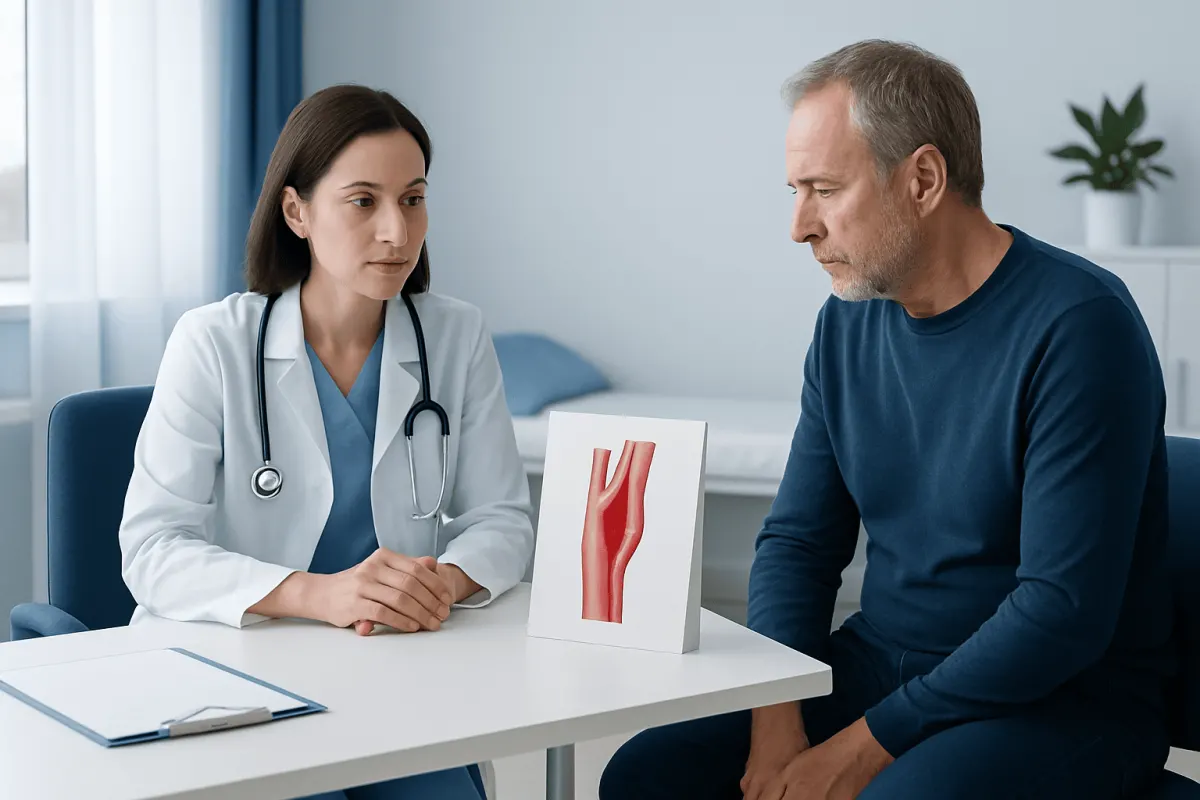
Arterial dissection is a condition in which a small tear develops in the inner lining of an artery, or bleeding occurs within the layers of the artery wall. Blood can then track between these layers and form a second passageway, sometimes called a false lumen. This may interfere with normal blood flow through the artery and, in some cases, weaken the vessel wall.
Arteries carry oxygen-rich blood from the heart to the body. A dissection can occur in different arteries, but the aorta, the body’s largest artery, is one of the most serious sites. Dissections may also affect the carotid and vertebral arteries in the neck, the coronary arteries that supply the heart, or arteries leading to the abdominal organs, kidneys, or limbs.
Arterial dissection is not the same as an aneurysm, although the two conditions can be related. An aneurysm is an outward bulge caused by weakening of an artery wall. A dissection involves separation of the wall layers. Some people have both conditions, while others have one without the other.
Symptoms depend on the artery involved
Symptoms can begin suddenly, but their pattern varies greatly according to the artery affected and how much blood flow is altered. Pain is often a key symptom. It may be intense, unusual for the individual, and described as sharp, tearing, ripping, stabbing, or persistent. However, the specific description of pain alone cannot diagnose a dissection.
An aortic dissection may cause sudden chest pain, pain between the shoulder blades, upper back pain, abdominal pain, fainting, shortness of breath, sweating, or a feeling of severe weakness. If the dissection affects branches of the aorta, symptoms may also involve the brain, heart, kidneys, intestines, or legs.
Dissection of a carotid or vertebral artery, often called cervical artery dissection, may cause one-sided neck pain or headache. Some people notice pain around one eye, a drooping eyelid, unequal pupils, dizziness, imbalance, visual changes, trouble speaking, facial weakness, or weakness and numbness on one side of the body. These symptoms can occur if reduced blood flow or a clot leads to a stroke.
Coronary artery dissection can cause chest discomfort, breathlessness, nausea, sweating, or symptoms similar to a heart attack. Symptoms should never be self-diagnosed. Sudden or unexplained symptoms affecting the chest, back, head, neck, or nervous system require medical assessment.
Causes and factors that may increase risk
Sometimes arterial dissection follows a major injury, such as a high-impact vehicle accident or a severe blow to the chest or neck. It can also occur without a clear trigger. In many cases, a combination of underlying artery-wall vulnerability and physical stress is thought to contribute rather than one single cause.
Risk factors differ by location. Long-term high blood pressure is an important risk factor for aortic dissection because it places ongoing stress on the artery wall. Smoking, known aortic enlargement, certain congenital heart conditions, and a family history of aortic disease may also be relevant. Connective tissue disorders, including Marfan syndrome, vascular Ehlers-Danlos syndrome, and Loeys-Dietz syndrome, can increase susceptibility in some people.
Cervical artery dissection can occur after neck injury or sudden neck movement, although everyday activities are very unlikely to cause it in most people. It has been reported after sports injuries, coughing, vomiting, or certain medical procedures, but these associations do not mean that such events commonly lead to dissection. Migraine, recent infection, and inherited connective tissue differences may be considered by clinicians in selected cases.
Spontaneous coronary artery dissection is a distinct condition that can occur without traditional coronary artery disease. It is seen more often in women and may be associated with fibromuscular dysplasia, pregnancy or the period after pregnancy, intense physical or emotional stress, and certain inflammatory or connective tissue conditions. These associations are not causes in every individual case.
How doctors confirm the diagnosis
Doctors begin by assessing the symptoms, their timing, medical history, family history, blood pressure, pulses, heart and neurological function. Because arterial dissection can resemble other urgent conditions, the clinical team will also consider problems such as heart attack, stroke, pulmonary embolism, bleeding, infection, and musculoskeletal pain.
Imaging is essential for confirmation. CT angiography uses contrast dye and detailed X-ray imaging to show the artery and is commonly used when a rapid answer is needed. MR angiography may provide detailed images without X-rays and can be particularly useful for follow-up or assessment of neck vessels. Ultrasound, including echocardiography, may help evaluate the aorta, heart function, blood flow, and certain abdominal or neck arteries.
In selected situations, catheter angiography may be used, particularly if a minimally invasive treatment is being considered. Blood tests, electrocardiography, and other examinations may be performed to check for organ effects or alternative explanations for symptoms. A diagnosis should be made and interpreted by clinicians experienced in vascular, cardiac, or neurological care.
Treatment is tailored to the location and severity
Treatment aims to protect the artery, maintain blood flow to vital organs, prevent complications, and support safe recovery. The plan depends on the artery involved, the extent of the dissection, symptoms, blood pressure, evidence of reduced blood supply, and whether there is a risk of rupture or other urgent complications.
For some aortic dissections, emergency surgery or an endovascular procedure is needed. Endovascular treatment places a covered stent inside the artery through a blood vessel, helping redirect blood flow and support the damaged section. Other aortic dissections can be managed initially with carefully monitored medicines that reduce blood pressure and the force of the heartbeat, alongside frequent clinical and imaging review.
For cervical artery dissection, treatment commonly includes medication to reduce the risk of clot-related stroke, chosen according to the person’s circumstances and bleeding risk. Most people are monitored with repeat imaging to assess healing. Procedures are reserved for selected cases, such as ongoing impaired blood flow, repeated symptoms despite treatment, or an enlarging vessel abnormality.
Coronary artery dissection is managed differently from typical cholesterol-related coronary narrowing. In stable cases, the artery may heal over time with medical treatment and monitoring. Urgent procedures may be considered when blood flow is severely compromised or symptoms remain unstable. Specialists explain the anticipated benefits and risks of each option before treatment whenever circumstances allow.
Recovery, follow-up and daily self-care
Recovery after arterial dissection is individual. Follow-up visits and repeat imaging are important because doctors need to monitor artery healing, blood pressure, and the possible development of enlargement or narrowing in the affected vessel. Some people require long-term surveillance, particularly after aortic dissection or when an inherited connective tissue condition is suspected.
Taking prescribed medicines consistently is an important part of care. People should not stop blood pressure medicine, antiplatelet medicine, anticoagulant medicine, or other treatment without speaking with their clinician. Blood pressure targets, activity recommendations, and return-to-work advice should be personalized, especially after surgery or a heart- or brain-related event.
In general, clinicians may advise avoiding heavy lifting, high-intensity straining, and contact activities during early recovery or when the artery remains vulnerable. Gentle activity may be encouraged when it is medically appropriate. A heart-healthy lifestyle, avoiding tobacco, managing stress, sleeping adequately, and attending follow-up appointments can support overall vascular health.
Genetic counseling or family screening may be recommended when a dissection occurs at a young age, when there is a strong family history of aortic disease, or when features suggest an inherited connective tissue disorder. This does not mean relatives will necessarily have the condition; it helps identify people who may benefit from individual assessment.
When to seek medical care
Emergency medical care is needed for sudden severe chest, back, abdominal, neck, or head pain; fainting; new shortness of breath; sudden weakness; difficulty speaking; facial drooping; loss of vision; confusion; or new trouble walking. These symptoms can have several causes, but urgent assessment is the safest approach. People should use local emergency services rather than drive themselves when symptoms are severe or accompanied by neurological changes.
A non-emergency medical appointment is appropriate for people with recurring unexplained neck or chest discomfort, a known enlarged aorta, a family history of aortic dissection, or questions about safe activity after a previous vascular event. A clinician can decide whether specialist referral, blood pressure assessment, or imaging is appropriate.
It is helpful to bring a list of symptoms, medications, prior imaging reports, and relevant family history to appointments. Acıbadem Health Point’s multidisciplinary specialists and JCI-accredited hospitals evaluate and treat vascular conditions for international patients, with care plans based on the affected artery and each person’s clinical needs.
Frequently asked questions
01Is arterial dissection always life-threatening?
No. The seriousness of arterial dissection depends on which artery is affected, the extent of the dissection, and whether blood flow to vital organs is reduced. Some cases are stable and can be monitored with medication and imaging, while others need urgent intervention. Prompt medical evaluation helps determine the appropriate level of care.
02Can arterial dissection heal on its own?
Some dissections, particularly in neck arteries, may heal or improve over time with medical treatment and follow-up imaging. Healing is not guaranteed, and the artery still needs monitoring for narrowing, enlargement, or clot formation. Treatment decisions should be guided by a vascular, heart, or neurology specialist.
03What is the difference between an arterial dissection and a blood clot?
A dissection begins with separation within the artery wall, while a blood clot is a collection of blood that has solidified. A dissection can promote clot formation because blood flow becomes irregular inside the affected vessel. Clot-related complications are one reason doctors may prescribe medicines that reduce the risk of stroke or other blockages.
04Can stress cause arterial dissection?
Emotional or physical stress may be associated with some types of arterial dissection, but it is rarely possible to identify one direct cause. Underlying blood vessel structure, blood pressure, medical conditions, and injury history can all be relevant. Stress management supports general cardiovascular health but does not replace medical treatment or monitoring.
05Can exercise be continued after an arterial dissection?
Many people can return to some physical activity after recovery, but the type and timing should be decided with their clinical team. Heavy lifting, forceful straining, and very intense exercise may need to be limited, particularly after an aortic dissection. A gradual, individualized activity plan is generally safer than returning abruptly to previous exercise levels.
06Does arterial dissection run in families?
Most arterial dissections are not clearly inherited. However, a family history of aortic disease, early vascular events, or known connective tissue disorders can suggest an inherited tendency in some families. Doctors may recommend genetic assessment or screening imaging when the personal or family history indicates it.
This article is for general information only and is not a substitute for professional medical advice. Please consult a qualified doctor about your individual situation.
Persistent digestive symptoms? Get evaluated in Turkey
JCI-accredited · board-certified surgeons · reply within 24h
Add us as a Preferred Source to see more of our trusted health content across Google Search, AI Overviews and Discover.
More from the Health Library

Cholesterol Enriched Foods: Evidence-Based Benefits, Risks, and Practical Guidance

Hypertension Stage 2 Treatment: How It Works, Results and What to Expect