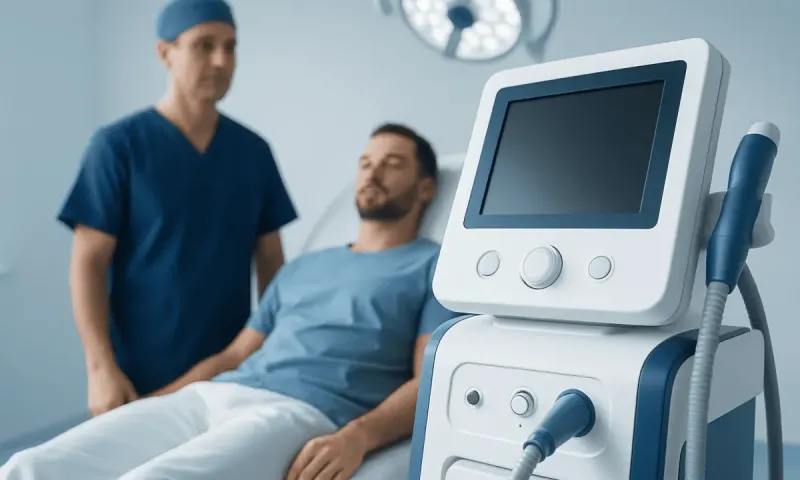
Arm Lift Recovery: Swelling, Scars, and Return to Daily Activities

Arm lift recovery is a gradual process that usually involves temporary swelling, bruising, and activity limits while the arms heal. With good wound care, follow-up visits, and realistic expectations, most people can return to daily routines step by step.
Overview
An arm lift, also called brachioplasty, removes excess skin and sometimes fat from the upper arms to create a smoother contour. Recovery is an important part of the process because the final result depends not only on the surgery itself, but also on how the tissues heal in the weeks and months that follow.
In the early phase, the arms may feel tight, sore, puffy, or heavy. These sensations are expected as the body responds to surgery and gradually settles. Most people find that swelling improves first, while scar maturation takes longer and continues to change over time. For patients considering or recovering from the procedure, a planned approach to rest, movement, and wound care can make recovery more comfortable. In some situations, a surgeon may recommend related body-contouring care such as post-weight-loss contouring if loose skin after major weight loss affects more than one area.
Recovery timelines vary depending on the extent of surgery, whether liposuction was also performed, individual healing, and how closely postoperative instructions are followed. A surgeon will usually provide personalized guidance about dressings, compression, showering, medications, and follow-up visits.
Common Recovery Symptoms

After arm Brow Lift Surgery: What to Expect Before and After" class="ahp-ilk">lift surgery, it is normal to notice swelling, bruising, and a feeling of tightness along the upper arms. Some people also experience mild numbness, tingling, or temporary changes in skin sensitivity near the incision line. These symptoms generally improve gradually as healing progresses.
Pain is usually most noticeable in the first several days and then becomes more manageable. The arms may feel especially stiff when trying to raise them overhead or reach behind the body. Wearing a recommended compression garment and keeping the arms supported can help reduce discomfort and swelling.
Typical recovery experiences can include:
- Swelling that is most noticeable in the first few weeks
- Bruising that fades over time
- Tightness when straightening or lifting the arms
- Temporary numbness around the incision
- Itching as the skin and incision heal
These effects are usually part of normal healing, but they should still be discussed during follow-up appointments so the surgical team can confirm that recovery is on track.
Causes & Risk Factors for Slower Healing
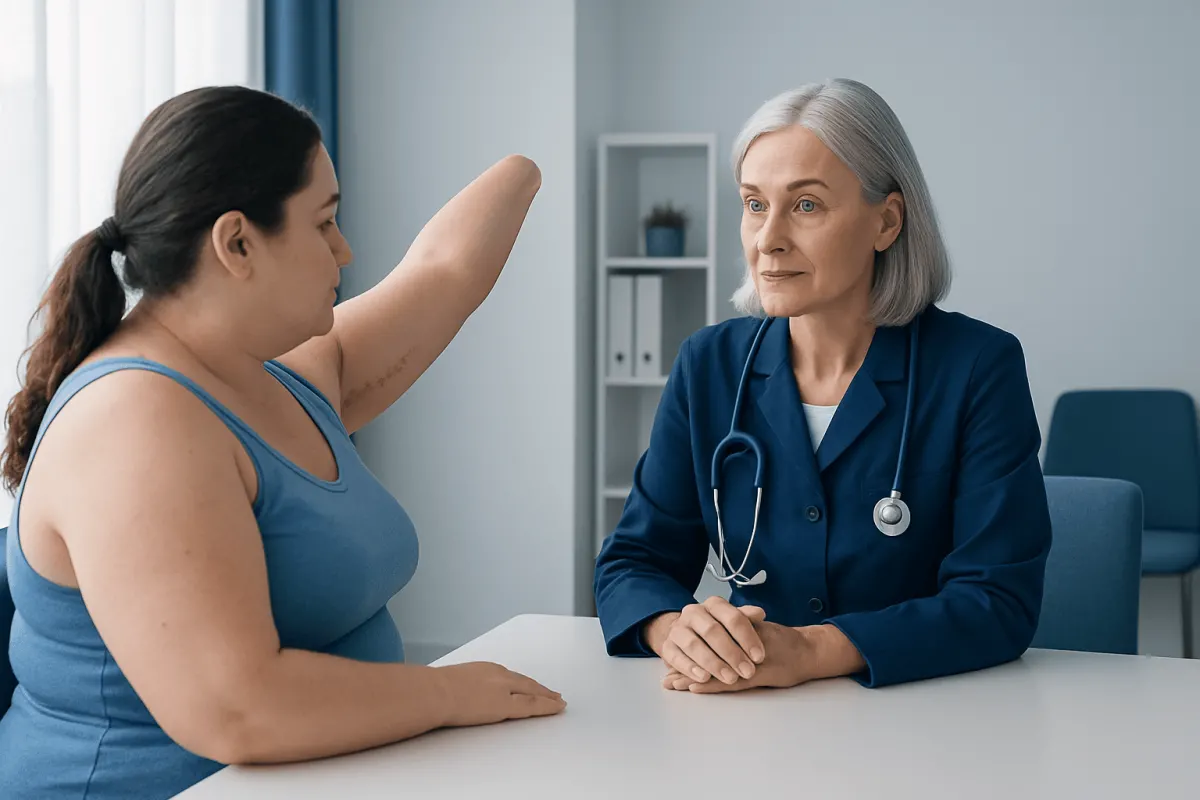
Arm lift recovery is affected by the amount of skin removed, the surgical technique, and whether additional procedures were done at the same time. Larger incisions or combined procedures may lead to more swelling and a longer period before full comfort returns.
Individual health factors can also influence healing. Smoking, poorly controlled diabetes, poor nutrition, and some medications may interfere with wound healing or increase the chance of complications. A surgeon will usually review these issues before surgery and may recommend changes to reduce risk.
Factors that may slow recovery or make scars more noticeable include:
- Smoking or nicotine use
- Frequent arm movement or early heavy lifting
- Poor incision care or missed follow-up visits
- Prior scarring tendencies, such as thick or raised scars
- Large changes in weight during the healing period
Patients who have had major weight loss may have looser tissue and longer healing needs. In those cases, a surgeon may discuss whether procedures such as arm lift surgery are best timed after weight has stabilized for a while.
Diagnosis and Follow-Up During Recovery
Recovery is monitored through scheduled postoperative visits rather than through a single test. At these appointments, the surgeon checks the incisions, looks for signs of infection or delayed healing, reviews swelling and bruising, and makes sure arm movement is progressing appropriately.
Patients are often asked about pain level, drainage from the incision, numbness, sleep comfort, and how easily they are returning to routine tasks. Photos may be taken in clinic to compare healing over time and document scar progression. The goal of follow-up is to support normal healing and identify problems early if they appear.
If healing seems slower than expected, the surgeon may adjust wound care instructions or recommend a different compression schedule. When scar concerns become more prominent later in recovery, the team may discuss scar-management options such as silicone products, massage, or, in selected cases, treatment for stubborn scarring through scar-focused skin care approaches adapted to surgical scars.
Treatment Options After Surgery
Most arm lift recovery is managed with supportive care rather than active medical treatment. The surgeon’s instructions usually include how to care for the incision, when to wear compression, how to shower safely, and which activities to avoid. Pain relief may be recommended to keep movement comfortable, but the specific choice should always come from the treating doctor.
Swelling can be helped by keeping the arms elevated when resting, wearing the recommended compression garment, and gently moving the hands, wrists, and elbows as advised. Light movement encourages circulation, but it should not strain the incision or cause pulling across the upper arms.
Scar care becomes more important once the incision is fully closed. Common surgeon-guided measures may include:
- Keeping the incision clean and dry as instructed
- Using silicone sheets or gels if recommended
- Protecting scars from sun exposure
- Avoiding friction from tight clothing
- Attending regular follow-up visits to assess scar maturation
For people who develop concerns about the appearance of scars or want to improve body-contouring results over time, a specialist may discuss related procedures such as contouring options for residual tissue or other reconstructive and aesthetic approaches when appropriate.
Swelling and Scar Healing: What to Expect
Swelling is usually the earliest issue to improve, but it may come and go throughout the first several weeks. It often decreases gradually rather than disappearing all at once. Some asymmetry during healing is common because one arm may recover faster than the other.
Scars take much longer to mature. In the beginning, they may look pink, raised, firm, or slightly itchy. Over months, they often soften and fade, although scars do not disappear completely. The final appearance depends on skin type, genetics, incision location, and how much tension was present during healing.
Supportive habits can help scars heal as well as possible:
- Follow instructions for dressing changes and cleansing
- Avoid smoking and nicotine exposure
- Protect scars from direct sunlight
- Do not pick at scabs or peeling skin
- Report unusual thickening, widening, or persistent redness
It is helpful for patients to remember that scar appearance typically improves gradually over many months. Early appearance does not always predict the final result.
Return to Daily Activities
Returning to normal activities after arm lift surgery should be gradual. Light daily tasks, such as walking, preparing simple meals, or using a computer, are often resumed before exercise or lifting. Comfort and surgeon guidance are the main limits, not a fixed calendar alone.
Driving is usually postponed until the patient can move the arms comfortably, react quickly, and is no longer taking medications that affect alertness. Household chores that require reaching, pushing, pulling, or lifting should be delayed until the surgeon confirms they are safe.
Activity progression often follows a stepwise pattern:
- Early phase: rest, short walks, and gentle arm use
- Intermediate phase: gradual return to light daily routines
- Later phase: resuming exercise only after clearance
Patients who return to work may do so sooner if their job is sedentary and does not require upper-body strain. Jobs involving lifting, repetitive arm use, or physical labor usually need a longer recovery period.
Prevention & Self-care
Good self-care can make recovery smoother and may help reduce unnecessary irritation. The most important step is to follow the surgeon’s postoperative plan exactly, especially regarding compression, wound care, and activity restrictions. Even small variations in healing can improve when patients communicate openly with their care team.
Helpful habits during recovery include eating enough protein and fluids, resting with the arms supported, and attending all scheduled reviews. If swelling feels worse after activity, that usually means the body needs more time or a slower pace. Recovery is often steadier when the patient balances movement with rest.
General self-care measures include:
- Use compression garments as directed
- Sleep in a position that reduces tension on the arms
- Avoid smoking and secondhand smoke
- Keep follow-up appointments even if healing seems normal
- Ask before using any over-the-counter creams or supplements
For international patients, Acıbadem Health Point’s multidisciplinary specialists and JCI-accredited hospitals can diagnose and treat arm lift recovery concerns as part of coordinated aesthetic surgery care.
When to See a Doctor
Patients should contact their surgical team if swelling suddenly worsens, pain becomes more intense instead of improving, or the incision starts to separate or drain more than expected. Fever, increasing redness, a bad odor, or warmth around the wound may also need prompt review.
It is also important to ask for medical advice if the hands or arms become unusually pale, cold, very swollen on one side, or difficult to move. While many symptoms after surgery are normal, changes that feel different from the overall recovery pattern deserve attention.
Even when nothing seems urgent, follow-up should continue until the surgeon confirms healing is satisfactory. This helps ensure that scar care, arm motion, and return to activity are progressing safely and in a way that supports the best possible outcome.
Frequently asked questions
01How long does arm lift recovery usually take?
Recovery happens in stages. Many people feel better within the first few weeks, but swelling, scar maturation, and full comfort can take several months to settle. The exact timeline depends on the extent of surgery and the individual’s healing pattern.
02Is swelling after arm lift surgery normal?
Yes, swelling is expected after arm lift surgery and is usually most noticeable early on. It often improves gradually with rest, compression, and the surgeon’s guidance. Sudden or worsening swelling should be reported.
03What can help arm lift scars heal better?
Careful wound care, sun protection, and avoiding nicotine can support scar healing. If the surgeon recommends silicone sheets or gel, those may also help. Scars typically change slowly over months rather than weeks.
04When can someone return to exercise after an arm lift?
Exercise should wait until the surgeon says it is safe, especially for movements that use the upper arms or raise blood pressure. Light walking is usually encouraged earlier, while stronger exercise and lifting often need a longer pause. A personalized plan is best.
05Can arm lift recovery affect daily work or driving?
Yes, it can. Sedentary work may be possible sooner than physically demanding work, and driving usually waits until arm movement is comfortable and pain medicine no longer causes drowsiness. Safety should guide both decisions.
06What signs mean the surgeon should be called?
The surgeon should be contacted if there is fever, increasing redness, foul-smelling drainage, worsening pain, or a wound that opens. Any symptom that feels sudden, unusual, or out of step with normal healing should be checked.
This article is for general information only and is not a substitute for professional medical advice. Please consult a qualified doctor about your individual situation.
Medical weight-loss options in Turkey — costs & eligibility
JCI-accredited · board-certified surgeons · reply within 24h
Add us as a Preferred Source to see more of our trusted health content across Google Search, AI Overviews and Discover.