Are Anxiety Brain Scans Different From Normal Scans?
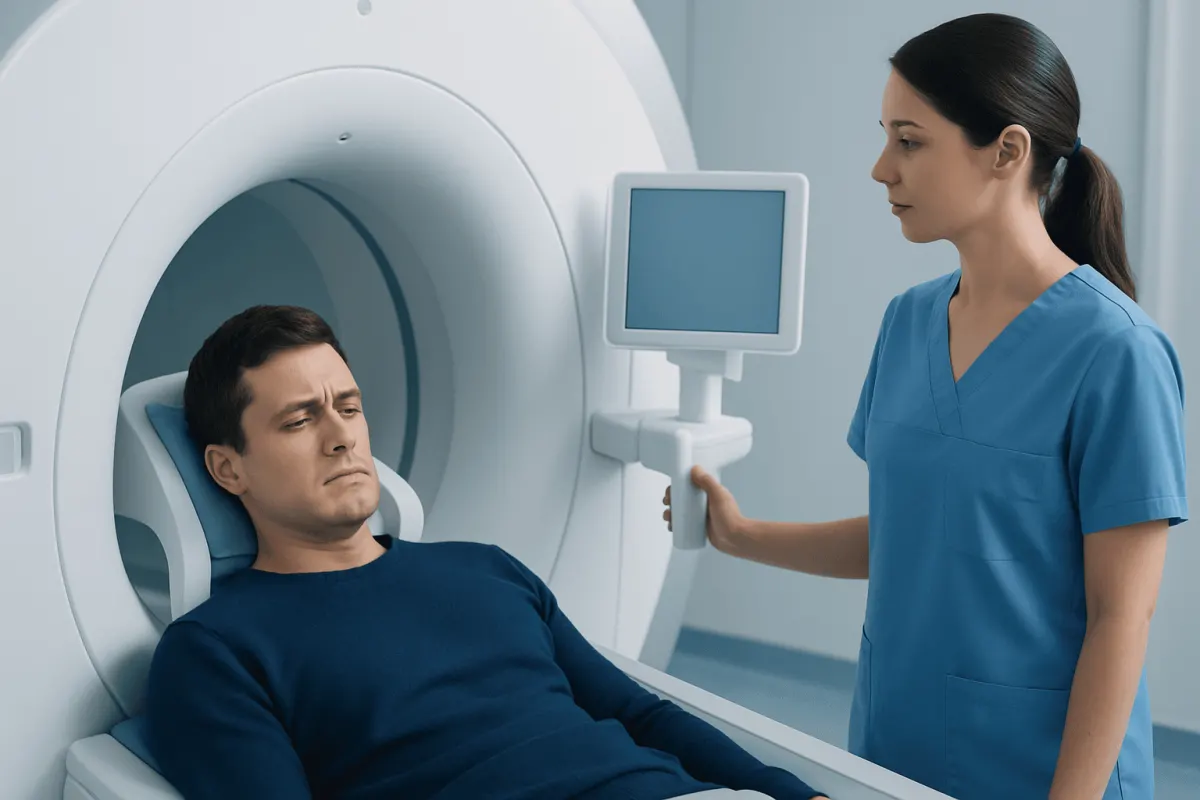
In an anxiety brain scan vs normal comparison, a routine MRI or CT scan usually does not show a visible, diagnostic “anxiety pattern.” Brain imaging may still be useful when symptoms suggest another neurological or medical cause that needs to be excluded.
Anxiety brain scan vs normal: a side-by-side comparison
In an anxiety brain scan vs normal comparison, standard clinical brain scans are usually similar. A person with anxiety can have a completely normal MRI or CT result because anxiety affects how brain networks regulate threat, attention, body sensations and emotions; it does not usually create a structural brain abnormality that can be seen on a routine scan.
| Feature | Routine scan in anxiety | Normal routine scan |
|---|---|---|
| CT or MRI appearance | Often structurally normal | No structural abnormality seen |
| Can the scan confirm anxiety? | No; it cannot diagnose anxiety on its own | No; a normal scan does not assess emotional symptoms |
| Possible role of imaging | To investigate symptoms that could have another medical or neurological cause | May provide reassurance when used for an appropriate clinical reason |
| Research brain imaging | May show average differences in activity or connectivity across groups | Findings vary among individuals and are not a diagnostic benchmark |
Functional imaging tests, such as functional MRI (fMRI) or positron emission tomography (PET), are sometimes discussed online. These tools can demonstrate patterns of brain activity in research studies, including differences in regions involved in fear processing and emotional regulation. However, these findings overlap greatly between individuals and are not used as a standalone clinical test to determine whether someone has anxiety.
A “normal” scan is therefore not evidence that symptoms are imagined or unimportant. It simply means that the scan has not identified a structural problem such as bleeding, a large stroke, a mass or certain other abnormalities that the selected test is designed to detect.
What brain scans can and cannot show
Computed tomography (CT) uses X-rays and is often used urgently to look for bleeding, major injury or other acute changes in the brain. Magnetic resonance imaging (MRI) uses magnetic fields and radio waves to provide more detailed pictures of brain structures. Both tests can be valuable when a clinician suspects a neurological condition, but neither is a routine test for anxiety.
Anxiety may involve physical symptoms such as dizziness, tingling, chest tightness, palpitations, headache, poor concentration and a sense of unreality. These symptoms can be distressing, but their presence alone does not mean that a brain scan is needed. A clinician considers the full picture, including timing, triggers, medications, sleep, substance use, medical history and the neurological examination.
Advanced techniques can measure blood flow, metabolism or changing patterns of activity. They remain primarily research tools for anxiety because a person’s result can be influenced by the task being performed, sleep, medication, stress level and many other factors. There is no accepted scan threshold that separates an “anxiety brain” from a normal brain in everyday patient care.
When imaging identifies an unexpected finding, it may or may not explain symptoms. Small benign changes are common as people age and can lead to further questions or testing. For this reason, clinicians balance the potential benefit of scanning against the chance of incidental findings and, for CT, exposure to ionizing radiation.
How clinicians tell anxiety apart from neurological problems

Clinicians do not diagnose anxiety by looking for a single scan result. They begin by listening carefully to the person’s experiences: persistent worry, fear, panic episodes, avoidance, sleep disruption, irritability, concentration difficulty and physical symptoms. They also ask how long symptoms have been present, how they affect daily life, and whether there have been recent stresses, illness or changes in medicines or substances.
A physical examination may include blood pressure, heart rate, heart and lung assessment, and a focused neurological examination. Depending on the symptoms, blood tests may be considered to assess possible contributors such as thyroid disease, anemia, vitamin deficiencies, infection or metabolic changes. Panic-like symptoms can also overlap with heart rhythm problems, respiratory illness and medication effects, so evaluation is individualized.
Features that make a neurological assessment or scan more likely include a new seizure, persistent weakness or numbness on one side, speech or vision changes, fainting with concerning features, a major head injury, or a sudden severe headache. New symptoms after age 50, a known cancer diagnosis, an impaired immune system or a significant change from an established symptom pattern can also alter the assessment.
Some conditions can cause symptoms that resemble anxiety, and anxiety can coexist with them. For example, recurrent headaches or dizziness may need their own evaluation. A careful assessment helps distinguish anxiety-related symptoms from conditions such as migraine or other medical concerns without assuming that one explanation fits every symptom.
What to do when the scan is normal or another cause is found
If a brain scan is normal and the assessment supports anxiety, the next step is not usually more imaging. The focus turns to a practical care plan that addresses symptoms, functioning and any contributing factors. A normal result can be reassuring, while ongoing symptoms still deserve compassionate, evidence-based support.
Psychological therapies are often central to treatment. Cognitive behavioural therapy (CBT) can help a person understand the cycle between thoughts, physical sensations, avoidance and worry, then develop skills to respond differently. Other structured therapies may be suitable depending on the anxiety type, personal preferences and access to care.
Medication may be considered when symptoms are moderate to severe, persistent, or not improving sufficiently with therapy and self-management. The choice depends on the person’s medical history, other medicines, pregnancy considerations and possible side effects. A doctor or mental Mental Health Professional: Psychiatrist, Psychologist, or Therapist?" class="ahp-ilk">health professional should guide medication decisions and follow-up rather than a person starting, stopping or changing treatment independently.
If imaging or examination identifies another condition, treatment should address that finding directly. This may involve referral to neurology, primary care, cardiology, endocrinology or another relevant specialty. It is also possible to treat both a physical condition and anxiety when both contribute to symptoms.
Practical self-care alongside professional support
Daily habits do not replace professional care, but they can reduce vulnerability to anxiety symptoms and support recovery. A consistent sleep routine, regular meals, hydration and gradual physical activity can help regulate energy, mood and body sensations. People should choose activity at a level that is safe for their health and discuss new exercise plans with a clinician when needed.
Reducing caffeine, nicotine, alcohol and recreational drugs may be particularly helpful for people who experience shakiness, palpitations, insomnia or panic symptoms. These substances can intensify physical sensations that are then interpreted as danger. Keeping a brief record of symptoms, sleep, foods, substances and stressful events may help identify patterns to discuss at an appointment.
Slow breathing, grounding exercises and mindfulness-based techniques can be useful during periods of heightened anxiety. They work best when practised regularly, not only during a crisis. It can also help to maintain connection with trusted people and to take gradual, supported steps toward activities that anxiety has led someone to avoid.
Online scan images and health information can sometimes increase worry rather than clarify it. A person who finds themselves repeatedly checking symptoms or seeking reassurance may benefit from discussing this pattern with a mental health professional. Care should be tailored to the individual rather than based on comparisons with images found online.
When to seek medical care
A person should arrange a medical appointment if anxiety symptoms are persistent, worsening, interfering with work, relationships, sleep or daily activities, or if they are unsure whether symptoms could have a physical cause. A clinician can review symptoms, perform an appropriate examination and decide whether tests or referral are needed.
Urgent medical assessment is important for sudden severe headache, new facial drooping, weakness, numbness, trouble speaking, new confusion, loss of consciousness, a seizure, severe chest pain, serious breathing difficulty or symptoms following significant head injury. These symptoms should not be assumed to be anxiety, particularly when they are new or different.
Anyone with thoughts of self-harm, suicide or harm to others should seek immediate emergency help or contact local crisis services. Reaching out to a trusted person and staying with support while help is arranged can be important. Anxiety is treatable, and prompt support can make a meaningful difference.
Acıbadem Health Point’s multidisciplinary specialists and JCI-accredited hospitals assess and treat anxiety-related concerns and relevant neurological symptoms for international patients. The appropriate starting point is a qualified clinician who can determine whether mental health care, medical evaluation, imaging or specialist referral is indicated.
Choosing the right next step
The most appropriate choice is guided by symptoms and clinical findings, not by a desire to see anxiety on a scan. For typical anxiety symptoms with a normal examination and no warning signs, a discussion with a primary care clinician or mental health professional is often more useful than imaging. They can provide screening, rule out common medical contributors where appropriate, and discuss Neuromodulation" class="ahp-ilk">treatment options.
For symptoms that are sudden, focal, progressive or clearly unlike a person’s usual anxiety, medical review should come first. The clinician may recommend a CT, MRI, heart assessment, blood tests or other investigations based on the suspected cause. Imaging is most informative when it is selected to answer a specific clinical question.
People who have already had a normal scan but remain worried should bring the written radiology report and a symptom timeline to follow-up. Asking what conditions were assessed, what the test can and cannot exclude, and what symptoms would merit reassessment can make the result easier to interpret. This approach supports reassurance while leaving room for appropriate ongoing care.
Frequently asked questions
01Can anxiety be seen on an MRI brain scan?
Usually, no. Standard MRI scans show brain structure, and people with anxiety commonly have normal structural MRI results. Research imaging may identify average activity differences across groups, but it cannot diagnose anxiety in an individual person.
02Why would a doctor order a brain scan for anxiety symptoms?
A doctor may order imaging when symptoms are new, unusual, focal, severe or accompanied by neurological warning signs. The aim is generally to look for another possible cause, not to confirm anxiety. The decision depends on the examination and medical history.
03Does a normal brain scan rule out all medical causes of anxiety?
No single test rules out every possible medical contributor. A normal scan can exclude or make some structural brain conditions less likely, but anxiety-like symptoms may also relate to thyroid conditions, heart rhythm changes, medication effects, sleep problems or other concerns. Further evaluation depends on the person’s symptoms.
04Can a CT scan show anxiety?
No. CT is useful for identifying certain structural and urgent brain problems, such as bleeding after an injury, but it does not show anxiety. It is used only when there is a clinical reason to investigate those conditions.
05What is the best test for anxiety?
There is no single laboratory or imaging test that confirms anxiety. Diagnosis is based on a careful clinical conversation, symptom history, the impact on daily life and, when helpful, validated questionnaires. A clinician may order tests to check for other conditions that could cause similar symptoms.
06Should someone be worried if an MRI is normal but symptoms continue?
Persistent symptoms deserve follow-up, even when an MRI is normal. The result may be reassuring about structural brain disease, while treatment can focus on anxiety, sleep, stress, migraine, medication effects or other contributing factors. A clinician can explain what the scan addressed and recommend the next step.
This article is for general information only and is not a substitute for professional medical advice. Please consult a qualified doctor about your individual situation.
Explore treatments in Turkey — costs, top hospitals & a free quote
JCI-accredited · board-certified surgeons · reply within 24h
Add us as a Preferred Source to see more of our trusted health content across Google Search, AI Overviews and Discover.