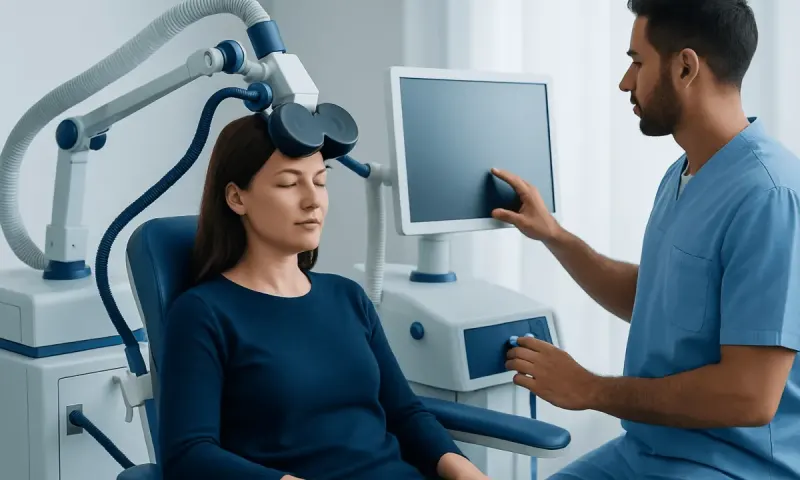
Arachnophobia: Symptoms, Causes and Treatment

Key Takeaways
- Arachnophobia is a specific phobia, not a sign of weakness or poor character.
- Symptoms can include panic, avoidance, nausea, sweating, and a strong urge to escape.
- The condition is often triggered by past experiences, learned fear, or a family tendency toward anxiety.
- Cognitive behavioral therapy and gradual exposure are among the most effective treatments.
- Self-care strategies can reduce day-to-day distress, but persistent symptoms deserve professional evaluation.
Arachnophobia is an intense, persistent fear of spiders that can feel overwhelming even when a person knows the danger is low. With the right support, most people can learn to manage symptoms and regain confidence in everyday situations.
Overview
Arachnophobia is an intense fear of spiders that goes beyond normal discomfort. For some people, seeing a spider in a room is only unpleasant; for others, the reaction can be immediate and overwhelming, with a strong need to leave the area, freeze, or avoid places where spiders might appear.
In medical terms, arachnophobia is usually classified as a specific phobia. That means the fear is focused on one object or situation and causes distress that feels larger than the actual danger. The body may react as if there is a real threat, even when the person understands that the spider is harmless.
This condition can interfere with daily routines in subtle ways. A person may avoid basements, gardens, garages, or travel destinations, and may spend time checking corners, shaking out shoes, or seeking reassurance before entering a room. When fear begins to shape decisions this often, support from a qualified mental health professional can be helpful.
For international patients, it is also useful to think about the practical side of care. If symptoms become severe, treatment may involve structured therapy sessions that can be planned around travel, work, and family responsibilities, with follow-up arranged once the person returns home.
Symptoms
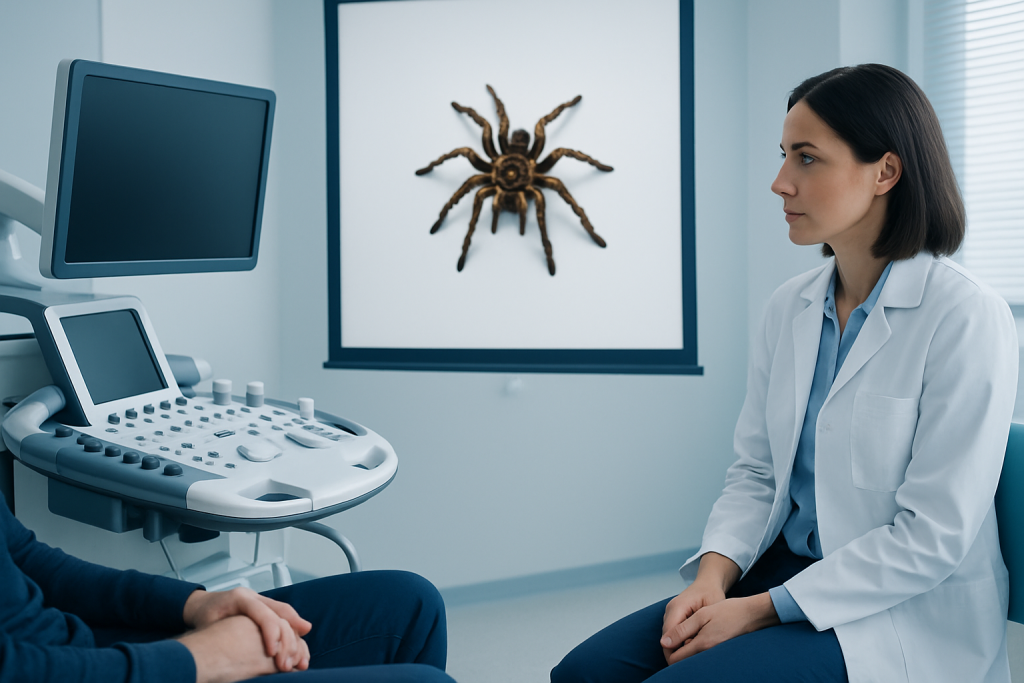
Arachnophobia symptoms can appear suddenly when a spider is seen, imagined, or even discussed. The reaction may be emotional, physical, or both, and it may feel difficult to control in the moment.
Common signs include intense fear, panic, dizziness, nausea, shortness of breath, shaking, sweating, a racing heart, and the urge to escape the situation. Some people also describe feeling unreal, detached, or unable to think clearly until the trigger is gone.
Behavioral symptoms are important too. A person may avoid outdoor activities, refuse to enter certain rooms, ask others to remove spiders, or repeatedly inspect spaces for webs. Over time, this avoidance can narrow daily life and increase anxiety because the feared situation is never given a chance to feel manageable.
Children may show the fear in different ways, such as crying, clinging to a parent, tantrums, or refusing to sleep in a room where they think a spider may be present. Adults often try to hide the fear, but the distress can still be significant.
Causes & Risk Factors

There is no single cause of arachnophobia. In many cases, it develops from a combination of learning, temperament, and experience. A frightening encounter with a spider, a story heard repeatedly in childhood, or watching a family member react with fear can all shape how the brain responds later.
Some people are more vulnerable to phobias because they have a naturally anxious temperament or a family history of anxiety disorders. The brain’s threat system may become especially alert to spiders, even when there is little real danger.
Risk can also rise after stressful periods in life. Anxiety often becomes more noticeable when a person is under pressure, sleep-deprived, or already coping with another mental health concern. In those moments, the fear may spread from a simple dislike to a broader pattern of avoidance.
It is worth noting that spiders can be unpleasant or startling for many people without meeting the threshold of a phobia. Arachnophobia is usually considered when the fear is persistent, disproportionate, and disruptive to normal activities.
Diagnosis
Diagnosis is usually based on a conversation with a doctor, psychologist, or psychiatrist. The clinician will ask what happens when spiders are present, how long the fear has been going on, and whether it affects work, home life, travel, or social plans.
To distinguish a phobia from a general dislike, the professional looks for patterns such as immediate fear, strong avoidance, and distress that feels excessive compared with the actual threat. They may also ask about panic symptoms and other anxiety conditions, because these can sometimes occur together.
There is no lab test or scan that confirms arachnophobia. The focus is on the person’s experience and how the fear affects daily functioning. A careful assessment is important because effective treatment depends on understanding the full picture, including whether the person has other worries about contamination, pests, or safety.
For someone traveling for care, this evaluation can often be completed in an outpatient setting. If needed, a treatment plan may then be created that can continue through virtual follow-up or with a local therapist after returning home.
Treatment Options
Most people who seek treatment for arachnophobia improve with psychological therapy, especially cognitive behavioral therapy. CBT helps the person notice unhelpful thought patterns, understand the body’s fear response, and practice new ways of responding when spiders or spider-related thoughts appear.
Gradual exposure is one of the most established approaches. This does not mean forcing someone into a distressing situation all at once. Instead, exposure is introduced in small, planned steps, which may begin with looking at drawings or photos, then move to videos, then to being in the same space as a spider in a controlled setting.
Relaxation and coping skills are often taught alongside exposure. Breathing techniques, grounding strategies, and learning how to tolerate discomfort without escaping immediately can make the process more manageable. For some people, therapy delivered in a structured, paced format is especially effective because it gives them repeated practice with support.
In selected cases, medication may be considered when arachnophobia is part of broader anxiety or panic symptoms. Medicine is not a cure for the phobia itself, but it may help reduce related anxiety under the guidance of a doctor. The choice depends on the individual’s needs, overall health, and treatment goals.
Prevention & Self-care
There is no guaranteed way to prevent arachnophobia, but early attention to anxiety can reduce the chance that fear becomes deeply rooted. When a child or adult begins to avoid everyday situations because of spider fear, gentle support is often better than repeated reassurance alone.
Day-to-day self-care can also make symptoms less disruptive. A person may benefit from predictable routines, good sleep, regular physical activity, and limiting constant checking or reassurance-seeking. These habits do not remove the phobia, but they can lower the baseline level of anxiety.
Helpful coping strategies may include:
- Learning calm breathing techniques before expected triggers
- Using gradual, self-directed exposure only if it feels manageable and safe
- Reducing avoidance in small, realistic steps
- Asking a trusted person for support during high-anxiety moments
- Keeping the environment tidy so ordinary worries do not amplify fear
It is important to avoid shaming oneself for the reaction. Fear responses are learned and can be changed, but they usually improve more reliably with practice and professional guidance than with willpower alone.
When to See a Doctor
Professional help is a good idea when the fear is interfering with daily life, causing frequent panic, or leading to major avoidance. If someone cannot sleep comfortably, cannot use certain rooms, avoids travel, or feels distressed for long periods after seeing a spider, an evaluation is appropriate.
Support is also important when the fear seems to be spreading to other situations, or when anxiety symptoms appear even without a trigger. A doctor or mental health professional can help determine whether arachnophobia is occurring on its own or alongside another anxiety disorder.
Seek care sooner if the person is using alcohol, medication, or other coping methods in a way that is becoming hard to control. While arachnophobia is usually treatable, the most effective path is often simpler when it is addressed before avoidance becomes deeply ingrained.
For international patients, treatment can be planned in a way that respects travel schedules and follow-up needs. At Acibadem Health Point, multidisciplinary specialists and JCI-accredited hospitals support the diagnosis and treatment of conditions like arachnophobia for international patients through coordinated care.
Frequently asked questions
01Is arachnophobia a real medical condition?
Yes. Arachnophobia is recognized as a specific phobia, which means the fear is persistent, excessive, and distressing enough to affect daily life. It is not a character flaw or a sign that someone is overreacting.
02How is arachnophobia different from being uncomfortable around spiders?
Many people dislike spiders or feel startled by them, but arachnophobia goes further. The fear tends to be intense, hard to control, and linked to avoidance or panic symptoms.
03Can arachnophobia be treated successfully?
Yes, many people improve with therapy, especially cognitive behavioral therapy and gradual exposure. Treatment is usually personalized so that the pace feels manageable and safe.
04Does medication cure arachnophobia?
Medication does not usually cure a specific phobia on its own. In some cases, a doctor may prescribe medicine to help with related anxiety symptoms, often alongside therapy.
05What should someone do during a spider-triggered panic reaction?
The priority is to move to a place that feels safe and use slow breathing or grounding techniques if possible. Once the immediate distress passes, it is wise to talk with a professional if these episodes happen often.
06Can children outgrow arachnophobia without treatment?
Some children become less fearful over time, but persistent fear should not be ignored. Gentle support and early guidance can help prevent the fear from becoming more entrenched.
This article is for general information only and is not a substitute for professional medical advice. Please consult a qualified doctor about your individual situation.
Persistent digestive symptoms? Get evaluated in Turkey
JCI-accredited · board-certified surgeons · reply within 24h
Add us as a Preferred Source to see more of our trusted health content across Google Search, AI Overviews and Discover.