Apert Syndrome Care Combines Skull, Hand and Airway Treatment
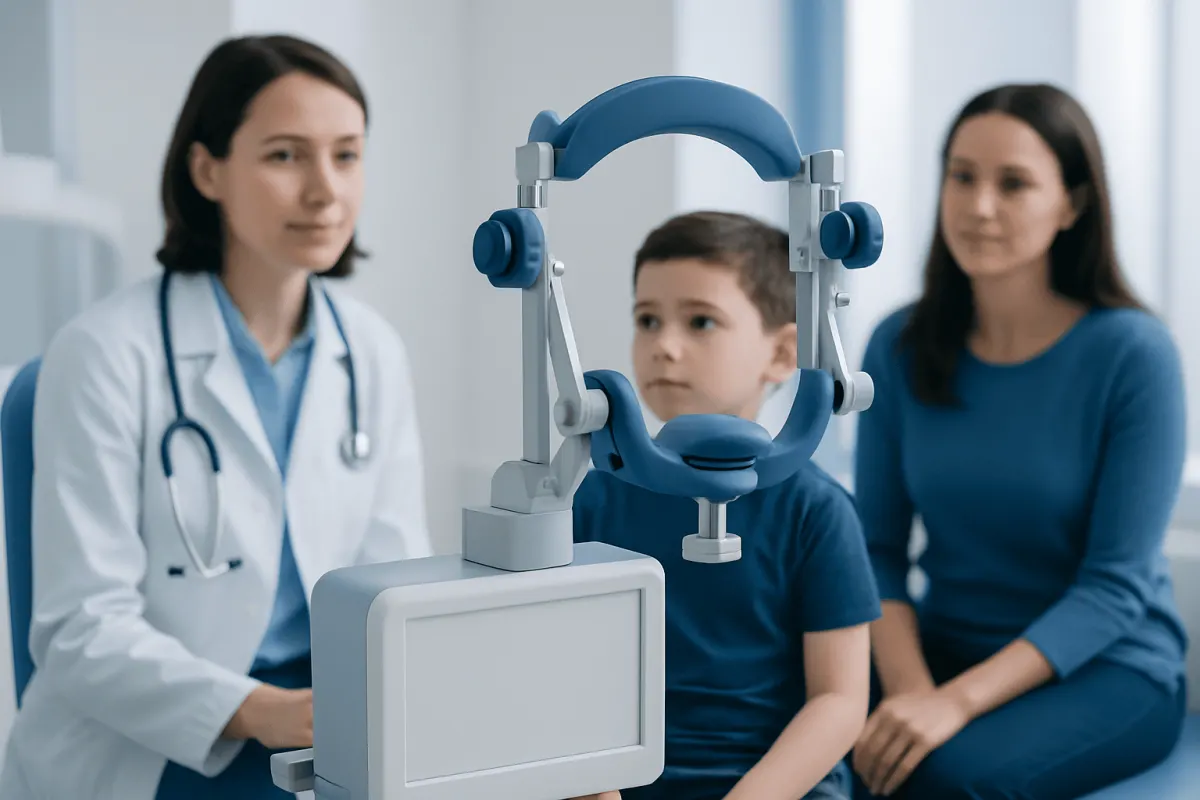
When your baby is born with Apert syndrome, the first thing you want to know is simple: what happens now, and who takes care of what? The answer is that treatment is built around your child, not around a template.
Care is coordinated and often begins with early cranial surgery, alongside ongoing monitoring of breathing, vision and hearing. Later, other procedures can improve how the hands and face work. The aim throughout is safe growth, development, comfort and independence, with each step matched to your child’s own needs.
Apert Syndrome Treatment: How It Works
Apert syndrome treatment combines monitoring, surgery, rehabilitation and developmental support. The condition is a type of syndromic craniosynostosis: some skull bones fuse before birth, which can alter head and facial growth. It also commonly causes syndactyly, meaning fingers and sometimes toes are joined together. Treatment does not remove the underlying genetic change, but it can address the health and functional effects of the condition.
The best results come from a craniofacial team working together: pediatric neurosurgeons, plastic and reconstructive surgeons, ENT specialists, ophthalmologists, dentists and orthodontists, hand surgeons, geneticists, pediatricians, sleep specialists and therapists. The team creates a long-term plan rather than treating every feature at once. Timing depends on skull growth, symptoms, airway and eye findings, hand anatomy, development and the child’s overall health.
Early cranial surgery may create space for the growing brain and improve skull shape. Additional treatment can support breathing during sleep, protect the eyes, manage hearing concerns, guide dental development and separate selected fingers to improve grasp and daily function. Families should expect regular follow-up through childhood and, for some needs, into adulthood.
Candidacy and the Treatment Planning Process
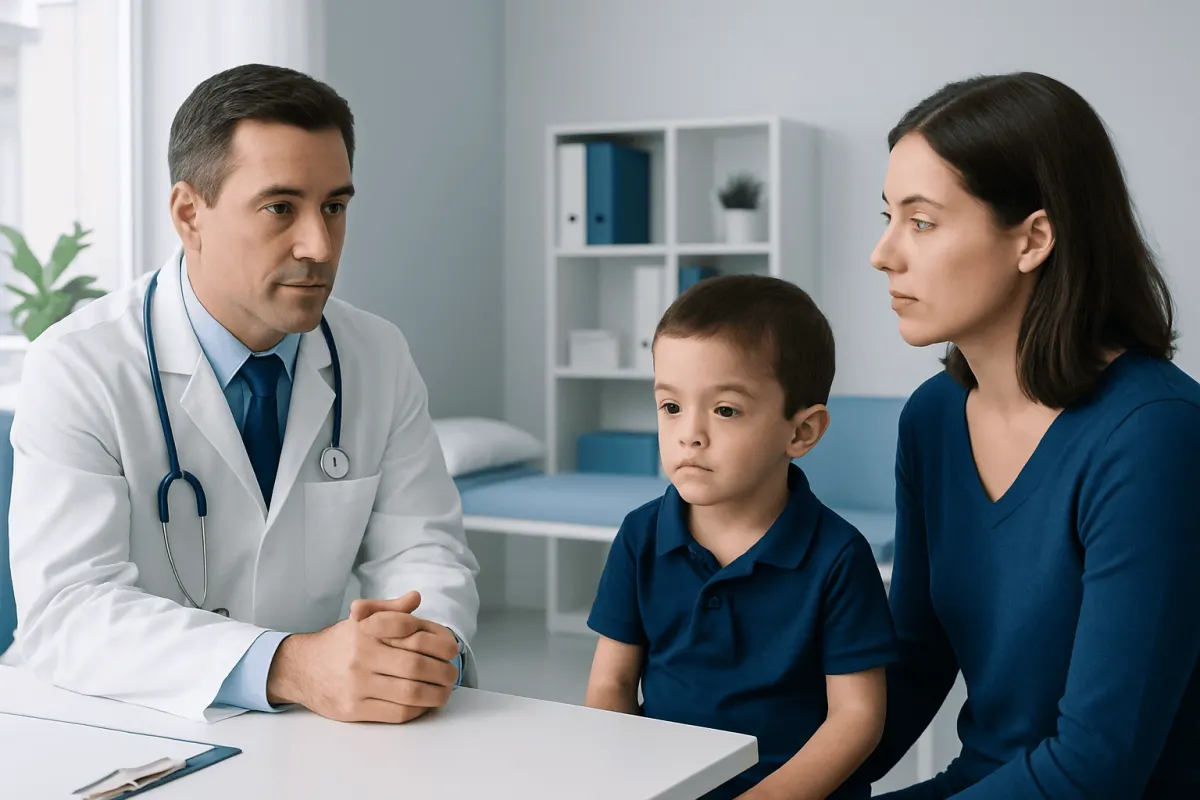
Every child with Apert syndrome should be assessed by clinicians experienced in craniofacial conditions soon after diagnosis. A child may need urgent review if there are signs of increased pressure inside the skull, significant breathing difficulty, severe eye exposure, poor feeding, dehydration or concerns about sleep-related breathing pauses. Even when your baby seems perfectly well, a planned specialist check can pick up things you would never spot at home.
Before recommending a procedure, the team considers the pattern of fused skull sutures, head growth, brain imaging when appropriate, eye examination, hearing, airway anatomy, sleep study results, feeding and developmental progress. Hand assessment looks at which fingers are fused, bone alignment, joints, circulation and the expected functional benefit of separation. Surgery is recommended when its likely benefits outweigh its risks for that individual child.
Genetic counseling is usually offered. Apert syndrome is most often related to a change in the FGFR2 gene and commonly occurs for the first time in a family. A genetics professional can explain test results, recurrence considerations and options for relatives or future pregnancies in a supportive, non-directive way.
What Happens During Apert Syndrome Surgery?
Cranial procedures are usually among the earliest operations. Depending on the child’s anatomy and age, surgeons may reshape and reposition portions of the skull, expand the skull using specialized techniques, or gradually advance bones with distraction devices. A pediatric neurosurgeon and craniofacial surgeon commonly work together. The purpose is to provide sufficient room for brain growth, reduce or prevent harmful pressure when present, and improve skull proportions.
Some children later need midface or jaw procedures if the middle part of the face has not grown forward enough. These operations can improve facial balance and, in selected cases, help the airway and protect the eyes. Treatment of sleep-disordered breathing may also include nasal or throat evaluation, medical management, positive airway pressure or other individualized interventions.
Hand surgery is often staged rather than completed in one operation. The surgeon may separate certain fused fingers first to create a useful grasp and preserve circulation and skin coverage. Skin grafting or tissue rearrangement may be needed. Occupational therapy and splinting can help a child learn to use the hand after healing. Every plan is different. Appearance matters, but what the hand can actually do matters more.
Ask your team to walk you through coordinated craniosynostosis treatment when surgery is being planned. You deserve to hear why they suggest one approach, what the alternatives are, and whether simply watching and waiting is reasonable right now.
Recovery Timeline, Benefits and Possible Risks
Recovery varies by procedure, age and individual health. After major cranial surgery, children are monitored closely in hospital for pain control, fluid balance, swelling, neurological status and breathing. Facial swelling is expected after many craniofacial procedures and usually improves over time. Follow-up visits allow the team to check incision healing, head growth, eye health and developmental progress.
Hand procedures are generally followed by dressings or splints and carefully scheduled reviews. Parents and caregivers receive practical instructions on wound care, bathing, activity and when to call the surgical team. Therapy may begin after the surgeon confirms it is safe, with goals tailored to the child’s abilities and stage of development.
Potential benefits of treatment include safer space for brain growth, reduced risk from raised intracranial pressure, better eye protection, improved breathing, improved hand use and support for social and emotional well-being. No procedure can guarantee a particular developmental or cosmetic outcome, and some children require more than one operation as they grow.
All surgery carries risks, including bleeding, infection, anesthesia complications, wound healing problems, scarring and the possibility of additional procedures. Craniofacial operations may also involve risks related to the brain, eyes, airways or bone healing, while hand surgery can involve stiffness, altered sensation, skin-graft issues or re-fusion. The surgical team discusses risks in relation to the planned procedure and the child’s anatomy.
How Long Do Kids With Apert Syndrome Live?
Many people with Apert syndrome can live into adulthood, and life expectancy may be near typical when important complications are identified and treated appropriately. However, outlook varies because the condition can affect the skull, airway, eyes, ears, teeth, hands and development differently from one person to another.
The most important early health concerns can include raised pressure inside the skull, breathing problems during sleep, severe eye exposure and complications related to major surgery. Regular follow-up with a craniofacial team helps detect these concerns early. For your child’s own outlook, the specialists who know their findings and how they respond to treatment are the ones to ask.
Does Apert Syndrome Affect Intelligence?
Apert syndrome can affect learning and development, but intelligence varies widely. Some children have typical cognitive abilities, while others have developmental delays, learning differences or a need for additional educational support. These differences cannot be predicted from appearance alone.
Brain development may be influenced by several factors, including the effects of craniosynostosis, sleep quality, hearing and vision, medical complications and each child’s individual strengths. Early developmental screening, hearing and vision care, and access to speech, occupational, physical and educational therapies can help children reach their potential. Keep assessing as your child grows, rather than assuming anything about what they will be able to do.
Can You See Apert Syndrome Before Birth? How Rare Is It?
Apert syndrome can sometimes be suspected before birth during an ultrasound if characteristic skull or hand and foot differences are visible. However, prenatal imaging may not identify every case, and findings can overlap with other conditions. If a concern is raised, fetal medicine specialists may recommend detailed ultrasound, fetal MRI in selected situations and genetic counseling or testing.
The diagnosis can be confirmed with genetic testing that identifies a disease-causing change in the FGFR2 gene. After birth, clinicians use physical examination and imaging when needed to define the pattern of skull involvement and guide treatment.
Apert syndrome is rare, occurring in roughly 1 in 65,000 to 88,000 births in published estimates. Because it is uncommon and the care is complicated, it is worth being seen at a center that handles craniofacial disorders regularly. A broader overview of craniosynostosis may help families understand why early skull-suture fusion needs specialist follow-up.
When to Seek Medical Care and Ongoing Support
Parents or caregivers should contact their child’s medical team promptly for new or worsening breathing difficulty, bluish color around the lips, repeated pauses in breathing during sleep, unusual sleepiness, persistent vomiting, seizures, rapidly increasing head size, severe headache in an older child, eye redness with inability to close the eyelids, fever after surgery or drainage from an incision. Emergency services are appropriate for severe breathing problems, unresponsiveness, seizures that do not stop promptly or other immediate emergencies.
Between planned visits, keeping records of sleep symptoms, feeding, school progress, hearing and vision concerns, and hand function can help the care team respond to changing needs. Dental care, psychosocial support and connections with patient organizations can also be important parts of long-term care for children and families.
At Acıbadem Health Point, our multidisciplinary specialists and JCI-accredited hospitals care for international patients who need assessment and treatment for complex craniofacial conditions. Wherever you go, look for clinicians who can coordinate surgical, medical and developmental follow-up over the long haul.
Frequently asked questions
01What is the main treatment for Apert syndrome?
There is no single treatment for Apert syndrome. Care usually includes early assessment of the skull and brain, followed by individualized craniofacial surgery when needed, as well as support for breathing, eyes, hearing, teeth, hand function and development. A multidisciplinary craniofacial team coordinates the plan over time.
02At what age is surgery done for Apert syndrome?
The timing depends on the child’s anatomy, symptoms and growth. Cranial surgery is often considered in infancy or early childhood because the brain is growing rapidly, while hand, facial and dental procedures may be planned at different stages. The care team determines timing individually rather than following one fixed schedule.
03Can Apert syndrome be cured?
The genetic cause of Apert syndrome cannot currently be reversed. However, treatment can manage many of its effects and support health, function and quality of life. Ongoing monitoring is important because needs can change as a child grows.
04How long do kids with Apert syndrome live?
Many children with Apert syndrome live into adulthood, and life expectancy can be near typical with appropriate care. Individual outlook depends on the severity of airway, neurological, eye and other medical concerns. Regular specialist follow-up helps address complications early.
05Does Apert syndrome affect intelligence?
Apert syndrome may be associated with developmental delays or learning differences, but cognitive abilities vary greatly. Some children have typical intelligence, while others need educational or developmental support. Hearing, vision, sleep and medical issues should be assessed because they can affect learning.
06Can you see Apert syndrome before birth?
Apert syndrome may sometimes be suspected on prenatal ultrasound when skull or limb differences are seen. Prenatal imaging alone may not confirm the diagnosis, so genetic counseling and testing can be offered when appropriate. Some cases are diagnosed only after birth.
07How rare is Apert syndrome?
Apert syndrome is a rare genetic condition. Published estimates commonly place it at about 1 in 65,000 to 88,000 births. Its rarity is one reason coordinated care from clinicians experienced in craniofacial conditions can be helpful.
This article is for general information only and is not a substitute for professional medical advice. Please consult a qualified doctor about your individual situation.
Explore treatments in Turkey — costs, top hospitals & a free quote
JCI-accredited · board-certified surgeons · reply within 24h
Add us as a Preferred Source to see more of our trusted health content across Google Search, AI Overviews and Discover.