Anticoagulant Monitoring: Which Blood Tests Matter and How Often They Are Checked

Anticoagulant monitoring helps doctors check whether blood-thinning medicines are working safely and effectively. The right test and how often it is needed depend on the specific anticoagulant, a person’s health, and whether treatment is stable or newly started.
Overview
Anticoagulant monitoring refers to the tests and clinical checks used to make sure blood-thinning medicines are reducing the risk of harmful clots without causing unnecessary bleeding. These medicines are commonly prescribed for conditions such as atrial fibrillation, deep vein thrombosis, pulmonary embolism, and after some heart valve procedures. Because different anticoagulants work in different ways, their monitoring needs are not the same.
Some anticoagulants, especially warfarin, require regular blood tests to measure how strongly the medicine is affecting clotting. Others, such as many direct oral anticoagulants, often do not need routine clotting tests but still require periodic follow-up for kidney function, liver health, blood counts, medication interactions, and bleeding risk. Monitoring therefore includes both laboratory testing and ongoing clinical review.
The overall goal is balance. If anticoagulation is too weak, a blood clot may still form. If it is too strong, bleeding may occur more easily. Regular follow-up helps the care team adjust treatment when needed and gives patients a chance to discuss symptoms, upcoming surgery or dental work, diet changes, pregnancy plans, or new prescriptions.
Which Blood Tests Matter Most
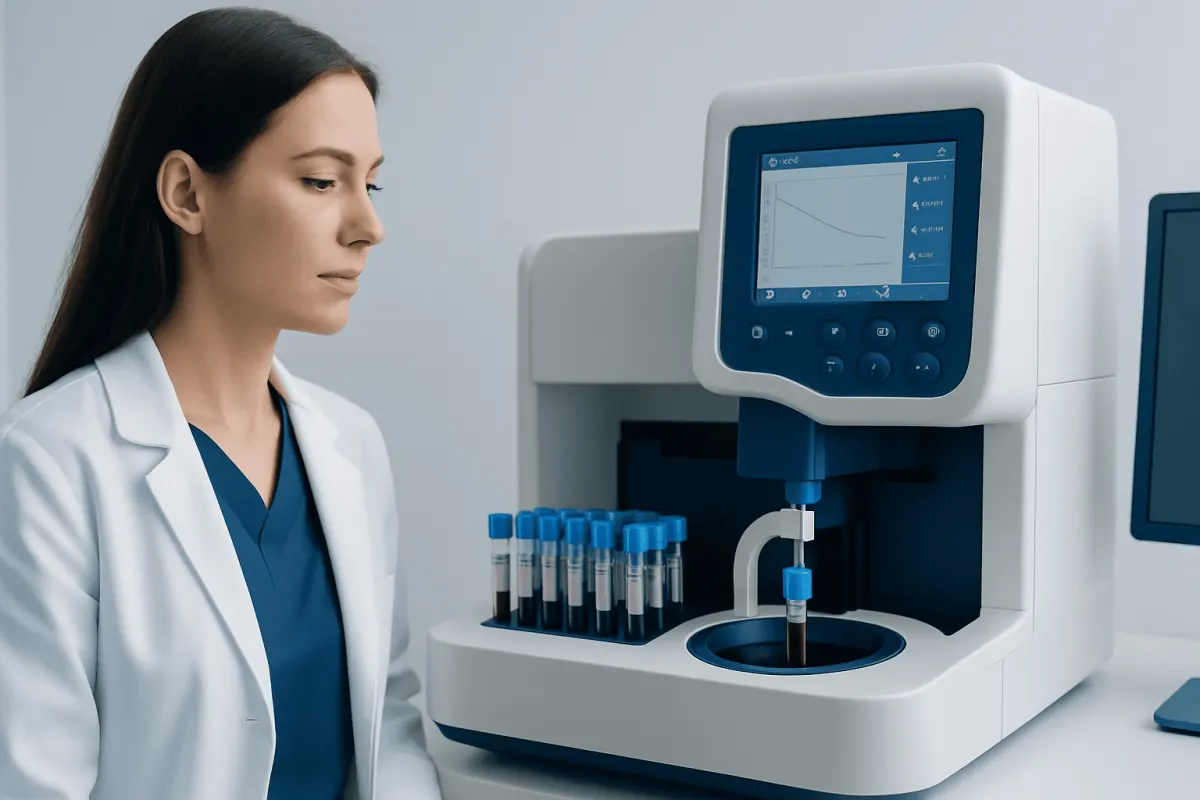
The most important test depends on the anticoagulant being used. For warfarin, the key test is the prothrombin time, reported as the international normalized ratio, or INR. The INR helps show how long blood takes to clot compared with a standardized range. A result that is too low may mean the medicine is not protective enough, while a result that is too high can increase bleeding risk.
For unfractionated heparin, doctors commonly use the activated partial thromboplastin time, or aPTT, or in some settings an anti-Xa assay. These tests help estimate whether the dose is in the desired range. Low-molecular-weight heparins, such as enoxaparin, usually do not need routine anti-Xa monitoring for most people, but testing may be considered in pregnancy, severe kidney disease, extremes of body weight, or certain high-risk situations.
Direct oral anticoagulants, often called DOACs or NOACs, include medicines such as apixaban, rivaroxaban, edoxaban, and dabigatran. They generally do not require routine INR-style monitoring. However, doctors may order kidney function tests, liver function tests, and a complete blood count to help confirm that treatment remains safe. In selected circumstances, specialized clotting tests may be used if there is major bleeding, urgent surgery, overdose, or concern about how much drug is still active.
Common tests used in anticoagulant monitoring may include:
- INR/PT: Mainly for warfarin monitoring
- aPTT: Often used for unfractionated heparin
- Anti-Xa level: Sometimes used for heparin or low-molecular-weight heparin in special cases
- Complete blood count: Checks hemoglobin and platelet levels
- Kidney function tests: Important for many direct oral anticoagulants
- Liver function tests: Help assess safe metabolism and overall treatment suitability
How Often Are These Tests Checked?

Testing frequency varies by medicine, indication, and how stable the treatment is. Warfarin usually requires the closest laboratory follow-up. At the start of treatment, the INR may be checked every few days to weekly until the dose is settled. Once results are stable and the patient’s routine is consistent, testing may be spaced further apart, often every few weeks. If there is a dose change, illness, new medicine, change in diet, or abnormal result, checks usually become more frequent again.
Unfractionated heparin is often given in hospital, where aPTT or anti-Xa testing may be performed regularly, sometimes several times within a day when treatment begins or when the infusion rate changes. This allows the team to adjust the dose promptly. Low-molecular-weight heparin generally needs less routine laboratory monitoring, though kidney function and blood counts may still be reviewed.
For direct oral anticoagulants, regular clinic follow-up is still important even without routine clotting tests. Many patients have blood counts and kidney and liver function checked at intervals determined by age, kidney health, and other medical conditions. Older adults, people with chronic kidney disease, and those taking multiple medicines may need more frequent review than younger patients with stable health.
A doctor may also advise extra testing before planned surgery, after significant bleeding, during pregnancy, or if symptoms suggest either bleeding or a new clot. The safest schedule is individualized rather than one-size-fits-all, so patients should follow the timetable given by their own clinician.
What Can Affect Test Results and Anticoagulant Safety?
Many factors can change how anticoagulants work. Warfarin is especially sensitive to interactions. Foods rich in vitamin K, such as leafy green vegetables, do not need to be avoided completely, but sudden major changes in intake can affect INR control. Alcohol use, vomiting, diarrhea, fever, and acute illness can also alter results. Antibiotics, antifungal medicines, anti-seizure drugs, herbal supplements, and some pain relievers may change warfarin’s effect.
Kidney and liver function matter for several anticoagulants. Reduced kidney function can allow some drugs to remain in the body longer, increasing bleeding risk. Low body weight, very high body weight, older age, active cancer, pregnancy, and recent surgery may also influence monitoring decisions. People with a history of stomach ulcers or gastrointestinal bleeding may need closer observation.
Even when a medicine does not require routine INR checks, patients still benefit from structured review. Clinicians often assess whether doses are being taken consistently, whether there have been falls, bruising, black stools, nosebleeds, heavy menstrual bleeding, or symptoms of clotting such as leg swelling, chest pain, or shortness of breath. In some cases, related clotting conditions may also be evaluated, such as deep vein thrombosis or pulmonary embolism.
Diagnosis, Follow-Up, and What Doctors Look For
Monitoring is not only about numbers on a laboratory report. At each follow-up, doctors review why anticoagulation was prescribed, whether the chosen medicine is still the best option, and whether the balance of benefit and risk has changed. They ask about bleeding, missed doses, over-the-counter drugs, supplements, alcohol intake, and any emergency visits or hospital stays since the last review.
A physical examination may be brief but useful, especially if there is concern for anemia, swelling in a leg, new bruising, or signs of ongoing bleeding. If symptoms suggest a clot despite anticoagulation, imaging tests may be needed. If internal bleeding is suspected, further evaluation may also be required. Monitoring therefore connects lab values with real-world symptoms and overall health.
Sometimes patients need a change in treatment. A person with very unstable INR values on warfarin may be assessed for whether a direct oral anticoagulant is appropriate. Someone with severe kidney impairment, pregnancy, cancer, or a mechanical heart valve may need a more specific strategy. In hospital-based care, specialized services such as hematology evaluation or cardiology assessment may help guide safe anticoagulant selection and follow-up.
Treatment Adjustments and Safety Planning
If monitoring shows that anticoagulation is outside the intended range, doctors may adjust the dose, timing, or even the type of medicine. For warfarin, a high or low INR often leads to a dose change and repeat testing. In some situations, temporary interruption is needed for a procedure or because of bleeding. If serious bleeding occurs, reversal treatment and urgent medical care may be necessary.
For heparin infusions, hospital teams can adjust the rate according to aPTT or anti-Xa results. For direct oral anticoagulants, dose changes may depend more on kidney function, age, body weight, and drug interactions than on routine clotting tests. Safe treatment also includes checking whether antiplatelet medicines, nonsteroidal anti-inflammatory drugs, or supplements are increasing bleeding risk.
Patients may also receive education on what to do if they miss a dose, when to stop a medicine before surgery, and when to restart it afterward. Some people benefit from coordinated care involving surgeons, cardiologists, hematologists, or emergency physicians. If a clotting event requires broader evaluation, doctors may combine anticoagulant management with comprehensive medical follow-up to review related risk factors and overall vascular health.
Prevention, Self-Care, and When to See a Doctor
Good self-care can make anticoagulant treatment safer. Patients should take medicine exactly as prescribed, keep all blood test appointments, and tell every healthcare professional involved in their care that they use a blood thinner. It is also wise to check before starting new prescription medicines, vitamins, herbal products, or over-the-counter pain relievers. For warfarin users, keeping dietary vitamin K intake reasonably consistent may help avoid large INR swings.
Practical safety steps include using a soft toothbrush, taking care with shaving, limiting activities with a high risk of injury, and carrying an updated medication list. Patients should report falls, head injury, severe bruising, prolonged nosebleeds, blood in urine, black stools, vomiting blood, coughing blood, unusually heavy menstrual bleeding, or persistent weakness and dizziness. These symptoms do not always mean a major problem, but they need timely medical assessment.
Signs that may suggest clotting should also be taken seriously, including sudden leg pain or swelling, chest pain, sudden shortness of breath, or new neurologic symptoms. Ongoing monitoring helps detect problems early and supports safe long-term treatment. Near the end of the care pathway, some patients also benefit from specialist review in centers that manage complex anticoagulation; Acıbadem Health Point’s multidisciplinary specialists in JCI-accredited hospitals diagnose and treat anticoagulation-related conditions for international patients.
Frequently asked questions
01Do all blood thinners require regular blood tests?
No. Warfarin usually requires regular INR testing, while many direct oral anticoagulants do not need routine blood-level monitoring. Even so, most patients still need periodic blood counts and kidney or liver function tests.
02What is the INR test used for?
The INR test is mainly used to monitor warfarin. It helps show whether blood is clotting too slowly or too quickly compared with the intended treatment range, which helps doctors adjust the dose safely.
03How often is INR usually checked?
INR is typically checked more often when warfarin is first started or when the dose changes. Once the result is stable, testing may be done less frequently, but the exact schedule depends on the patient’s health, medications, diet, and prior results.
04Why are kidney function tests important with anticoagulants?
Some anticoagulants are cleared from the body through the kidneys. If kidney function declines, the medicine may stay in the body longer and increase the risk of bleeding, so doctors may need to monitor more closely or adjust treatment.
05Can food or other medicines affect anticoagulant monitoring?
Yes. Warfarin is especially affected by medicines, supplements, alcohol, and changes in vitamin K intake. Even anticoagulants that do not need routine INR testing can interact with other drugs, which is why patients should check with a clinician before adding new treatments.
06What symptoms should prompt urgent medical advice while taking an anticoagulant?
Patients should seek urgent advice for unusual or heavy bleeding, black stools, vomiting blood, coughing blood, severe headache, sudden weakness, chest pain, shortness of breath, or a swollen painful leg. These symptoms may indicate bleeding or a new clot and should not be ignored.
This article is for general information only and is not a substitute for professional medical advice. Please consult a qualified doctor about your individual situation.
Heart care in Turkey — expert evaluation and treatment
JCI-accredited · board-certified surgeons · reply within 24h
Add us as a Preferred Source to see more of our trusted health content across Google Search, AI Overviews and Discover.