Anti-Aging Phototherapy Patches: Do They Work?
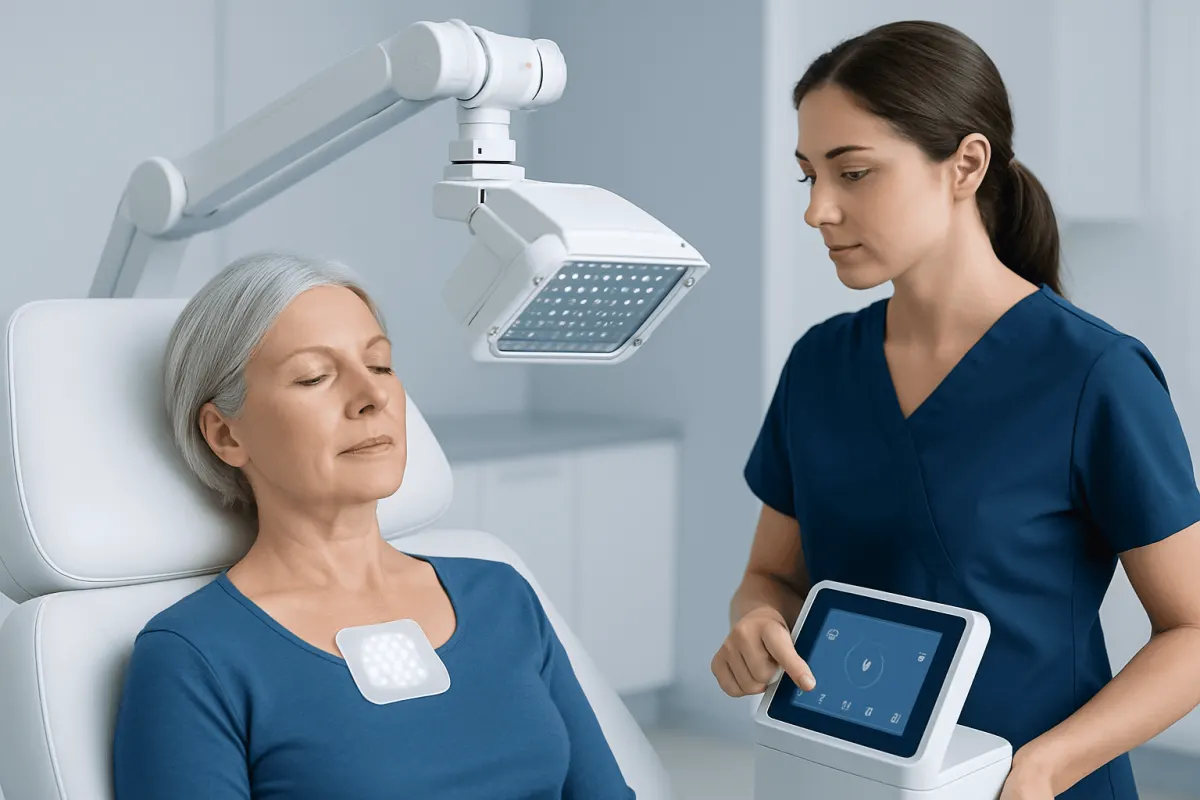
Anti-aging phototherapy patches are wearable adhesive products marketed to influence the body through reflected light or other light-based mechanisms. Their advertised anti-aging and wellness effects have not been established by high-quality independent clinical evidence, so they should not replace proven skin care or medical treatment.
Overview: What Are Anti-aging Phototherapy Patches?
Anti-aging phototherapy patches are small adhesive patches placed on the skin and marketed as wellness products. Depending on the brand, they may be described as reflecting the body’s infrared heat or light back into the skin, influencing acupuncture points, supporting energy, improving sleep, reducing discomfort, or encouraging a more youthful appearance. Unlike a light-emitting lamp, laser, or LED mask, most patches do not contain a powered light source.
The proposed effects of these patches should be viewed cautiously. While certain forms of professionally selected phototherapy and LED light treatment have medical or dermatologic uses, that does not establish that an adhesive wellness patch produces the same biological effect. Claims of anti-aging benefit require well-designed, independent studies measuring meaningful outcomes such as wrinkles, skin quality, function, or health over time.
For people concerned about visible skin aging, daily sun protection, avoiding tobacco, appropriate moisturization, and assessment by a dermatologist remain better-supported approaches. A clinician can also discuss dermatology care for concerns such as persistent pigmentation changes, acne, rosacea, eczema, or a changing skin lesion.
How the Procedure Works and What Recovery Is Like
Using a phototherapy patch generally involves applying it to clean, dry, intact skin according to the manufacturer’s instructions. Brands may recommend a particular body location, time of day, duration of wear, and rotation of placement. The process is noninvasive: it does not involve injections, anesthesia, incisions, or a formal recovery period.
Most people can continue their regular routine after applying a patch. However, the skin should be checked whenever a new product is used. Redness, itching, burning, a rash, or blistering can indicate irritation or allergic contact dermatitis from the adhesive or materials in the product. The patch should be removed if these symptoms occur, and the affected area should be washed gently with water.
It is sensible to avoid placing patches on broken, sunburned, infected, recently treated, or highly sensitive skin. People with a history of adhesive allergy, eczema, psoriasis, chronic skin conditions, or impaired sensation should seek professional advice before using them. Children, pregnant or breastfeeding individuals, and people managing significant medical conditions should discuss any supplement-like wellness product with a qualified clinician.
What Are the Benefits of Phototherapy Patches?
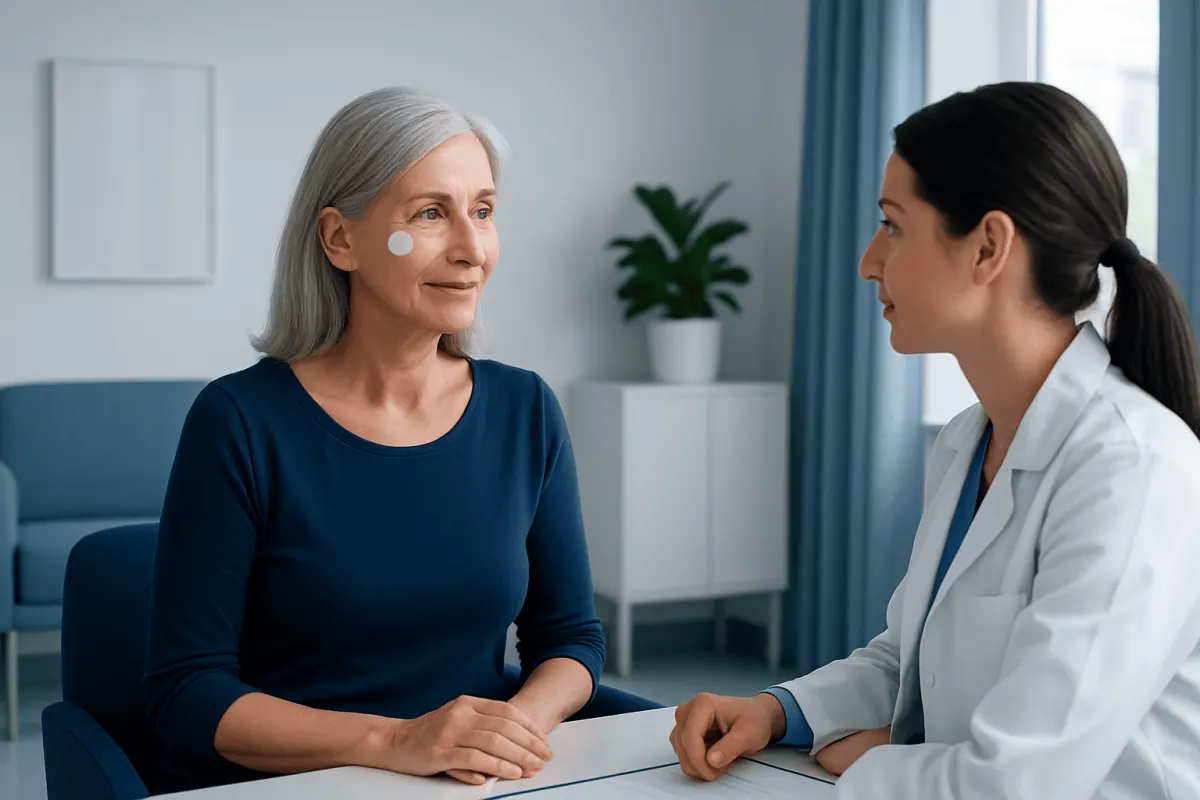
Potential benefits promoted for phototherapy patches vary widely and may include improved energy, sleep, comfort, mood, exercise recovery, or skin appearance. These are marketing claims rather than established medical outcomes for most patch products. Personal reports may reflect many factors, including expectations, natural variation in symptoms, changes in routine, and placebo effects.
There is scientific interest in photobiomodulation, a field studying how specific wavelengths and doses of red or near-infrared light may interact with cells. Importantly, research on light-emitting medical or consumer devices cannot automatically be applied to non-powered patches. The wavelength, energy delivered, duration, treatment area, and device quality all influence whether a light-based intervention can reasonably be expected to have an effect.
For anti-aging goals, there is not enough reliable evidence to conclude that phototherapy patches reduce wrinkles, stimulate clinically meaningful collagen production, or slow biological aging. People who choose to use them should regard them as optional wellness products rather than replacements for medical care, sunscreen, balanced nutrition, regular physical activity, restorative sleep, or prescribed treatments.
What Is the Science Behind LifeWave Patches?
LifeWave patches are marketed as non-transdermal patches, meaning they are not intended to deliver a drug through the skin. The company describes its products as using materials that interact with body heat and reflect particular wavelengths of light back to the skin, with claims that placement may influence wellness-related processes. These proposed mechanisms differ from conventional transdermal medication patches and from LED-based phototherapy devices.
At present, the broader scientific evidence does not confirm that these patches reliably create the wide range of claimed effects, including anti-aging benefits. Small studies, company-associated materials, testimonials, and theoretical explanations do not provide the same level of confidence as independently conducted, adequately sized, peer-reviewed clinical trials with objective outcomes and appropriate comparison groups.
Patients should be particularly careful when a product is described in terms that sound medical but has not been shown to diagnose, treat, cure, or prevent disease. A healthcare professional can help distinguish between a wellness claim and evidence-based treatment. This is especially important when symptoms could be related to an underlying condition requiring assessment.
What Are the Complaints Against LifeWave?
Consumer complaints about LifeWave and similar wellness-patch companies may involve disappointment with results, concerns about high or broad health claims, recurring purchase or subscription issues, customer-service experiences, and questions about distributor-based marketing. Individual complaints do not prove that a product is ineffective or unsafe, but they can help consumers identify areas to review carefully before purchasing.
Common practical concerns also include skin irritation from adhesive products and confusion about the difference between personal testimonials and clinical evidence. Testimonials can be sincerely reported but cannot show that a patch caused a change, because symptoms and appearance can improve or worsen for many unrelated reasons.
Before using or purchasing any wellness patch, people can review the return policy, recurring-order terms, ingredients or materials, safety warnings, and the quality of cited research. It is also appropriate to discuss the product with a doctor or pharmacist, particularly if the person has a chronic illness, uses medicines, or is considering delaying a recommended treatment.
What LifeWave Patch Helps With Weight Loss?
No LifeWave patch has been established as an effective treatment for weight loss. Claims that a patch may support appetite, metabolism, energy, or fat loss should not be considered a substitute for a sustainable eating pattern, physical activity, adequate sleep, stress management, and medical assessment of factors that can affect weight.
Weight change is influenced by many factors, including nutrition, medications, hormones, sleep, mobility, mental health, and medical conditions. A clinician can assess whether an underlying concern such as thyroid disease, diabetes, sleep apnea, or medication-related weight change may be contributing. People with overweight or obesity may benefit from an individualized weight loss treatment plan that includes evidence-based lifestyle, behavioral, medication, or procedural options when appropriate.
Promises of rapid or effortless weight loss deserve caution. A safe plan should support adequate nutrition, preserve muscle mass where possible, and account for the person’s health history. A registered dietitian, physician, or qualified weight-management team can provide advice tailored to individual needs.
Evidence-Based Skin Aging Care and Safer Self-care
The most effective everyday measure for preventing premature visible skin aging is consistent protection from ultraviolet radiation. Broad-spectrum sunscreen, protective clothing, hats, sunglasses, and seeking shade during strong sun exposure can help limit photoaging, uneven pigmentation, and skin cancer risk. Sunscreen should be used as directed and reapplied when needed during outdoor exposure.
A simple routine may include a gentle cleanser, moisturizer suited to the person’s skin type, and sun protection. Some people may benefit from clinician-recommended topical retinoids, antioxidants, pigment-targeted treatments, or procedures, depending on their skin concerns and tolerance. New active products should be introduced gradually, because irritation itself can worsen redness or discoloration.
Medical light-based treatments may be considered for selected concerns under qualified supervision, but they are different from unpowered patches. A dermatologist can assess whether treatments such as laser skin resurfacing or another approach is appropriate, while also evaluating for conditions that may need separate care.
When to Seek Medical Care
Medical advice is recommended for a severe or spreading rash, swelling of the face or lips, breathing difficulty, blisters, skin pain, signs of infection, or a reaction that does not settle after the patch is removed. Urgent care is needed for breathing difficulty, fainting, or rapidly developing swelling, as these may indicate a serious allergic reaction.
A person should also arrange a medical review if they are using patches to manage fatigue, pain, sleep problems, mood changes, unexplained weight change, or other persistent symptoms. These concerns can have many possible causes, and identifying the cause is more helpful than relying on a wellness product alone.
Acıbadem Health Point’s multidisciplinary specialists and JCI-accredited hospitals support international patients with assessment and treatment for skin, metabolic, and other health concerns. A qualified clinician can help patients choose care based on their symptoms, goals, and the strength of available evidence.
Frequently asked questions
01Do anti-aging phototherapy patches really work?
There is not enough high-quality independent evidence to show that anti-aging phototherapy patches reliably reduce wrinkles, improve collagen, or slow aging. They should not be considered equivalent to medically supervised light treatments or evidence-based dermatologic care. Sun protection and a personalized skin-care plan have stronger support.
02Are phototherapy patches the same as red light therapy?
No. Red light therapy generally uses a device that emits a measured wavelength and dose of light. Most phototherapy patches are non-powered adhesive products marketed as reflecting body heat or light, so research on LED or laser devices cannot be assumed to apply to patches.
03Can LifeWave patches cause side effects?
The most likely practical side effect is skin irritation from the adhesive or patch material, including itching, redness, or rash. The patch should be removed if irritation occurs. Anyone with severe symptoms, facial swelling, breathing difficulty, or blistering should seek medical care promptly.
04Can a phototherapy patch help someone lose weight?
No patch has been proven to produce meaningful, sustained weight loss. Weight management usually requires attention to nutrition, movement, sleep, health conditions, medicines, and behavioral factors. A clinician can advise on safe, evidence-based options.
05Should a person stop prescribed treatment to use wellness patches?
No. A wellness patch should never replace prescribed medicines, follow-up appointments, or recommended treatment for a diagnosed condition. A person considering a patch alongside medical care should ask their doctor or pharmacist for guidance.
06Who should avoid using phototherapy patches without medical advice?
People with adhesive allergies, sensitive or damaged skin, chronic skin conditions, or significant medical conditions should speak with a clinician first. Extra caution is also appropriate during pregnancy or breastfeeding and when considering patches for children. Professional advice is important if the patch is being used for persistent symptoms.
This article is for general information only and is not a substitute for professional medical advice. Please consult a qualified doctor about your individual situation.
Explore treatments in Turkey — costs, top hospitals & a free quote
JCI-accredited · board-certified surgeons · reply within 24h
Add us as a Preferred Source to see more of our trusted health content across Google Search, AI Overviews and Discover.