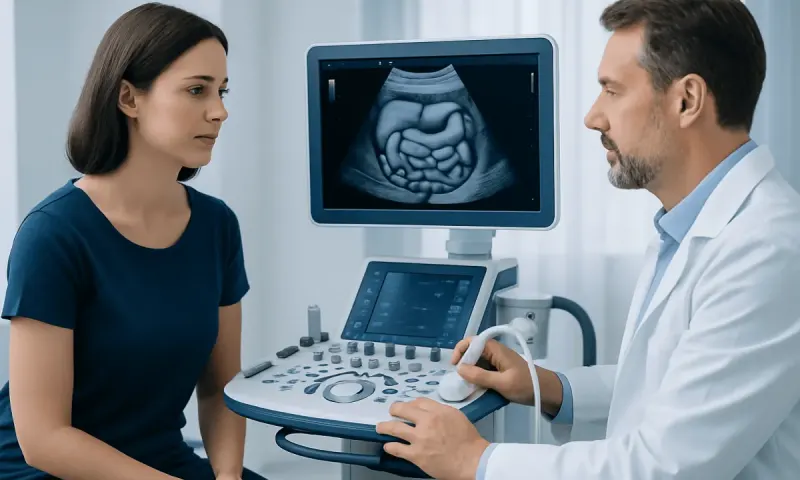
Anoplasty for Anal Stenosis: Surgery and Recovery
Anoplasty is a reconstructive operation used to treat anal stenosis, a narrowing of the anal opening that can make bowel movements painful, difficult, or incomplete. The procedure uses healthy nearby tissue to widen the opening and improve flexibility, with recovery involving wound care, stool-softening measures, and follow-up support.
Overview: What Is Anoplasty?
Anoplasty is a surgical procedure that repairs, widens, or reconstructs the anal opening. It is mainly used to treat anal stenosis, also called an anal stricture, in which scar tissue causes the opening of the anus to become unusually narrow or less flexible. This narrowing can interfere with the normal passage of stool and may lead to straining, pain, bleeding, or a feeling that bowel movements are incomplete.
The aim of anoplasty is not simply to make the opening larger. The surgeon seeks to restore a functional, flexible anal canal while protecting the muscles that support bowel control. In many cases, this is done by moving a small flap of healthy skin and tissue into the narrowed area, replacing rigid scar tissue with more elastic tissue.
Anoplasty is usually considered after a careful assessment by a colorectal surgeon. Some mild cases of narrowing can be managed with changes in bowel habits, treatment of inflammation, or supervised dilation. Surgery may be recommended when symptoms are substantial, the narrowing is more severe, or conservative treatment has not provided adequate relief.
Why Anal Stenosis Develops and Who May Be a Candidate
Anal stenosis most commonly develops when healing after injury or inflammation produces excess scar tissue. It can occur after anal or rectal surgery, particularly procedures involving removal of hemorrhoids. It may also follow trauma, infection, radiation treatment, inflammatory bowel disease, or chronic anal fissures. Less commonly, a narrowing may be associated with a congenital condition or another disease affecting the anal canal.
A person may be a candidate for anoplasty when examination confirms a meaningful anatomical narrowing and symptoms affect daily life. Typical concerns include thin or ribbon-like stools, severe straining, pain during defecation, repeated constipation, bleeding related to hard stool, or difficulty completing a bowel movement. The decision is based on symptoms, the location and extent of scar tissue, continence function, medical history, and the underlying cause.
Not every person with constipation or anal discomfort needs anoplasty. These symptoms can have many causes, including pelvic floor dysfunction, hemorrhoids, fissures, medication effects, and bowel disorders. If Crohn’s disease, infection, cancer, or active inflammation is suspected, these conditions need appropriate investigation and management before or alongside reconstructive surgery.
- Mild narrowing may respond to fiber, fluids, stool-softening strategies, and clinician-guided dilation.
- Moderate or severe scar-related narrowing may require a flap-based anoplasty.
- People with uncontrolled inflammation, active infection, or certain medical conditions may need treatment or optimization before surgery.
Assessment and Planning Before Surgery
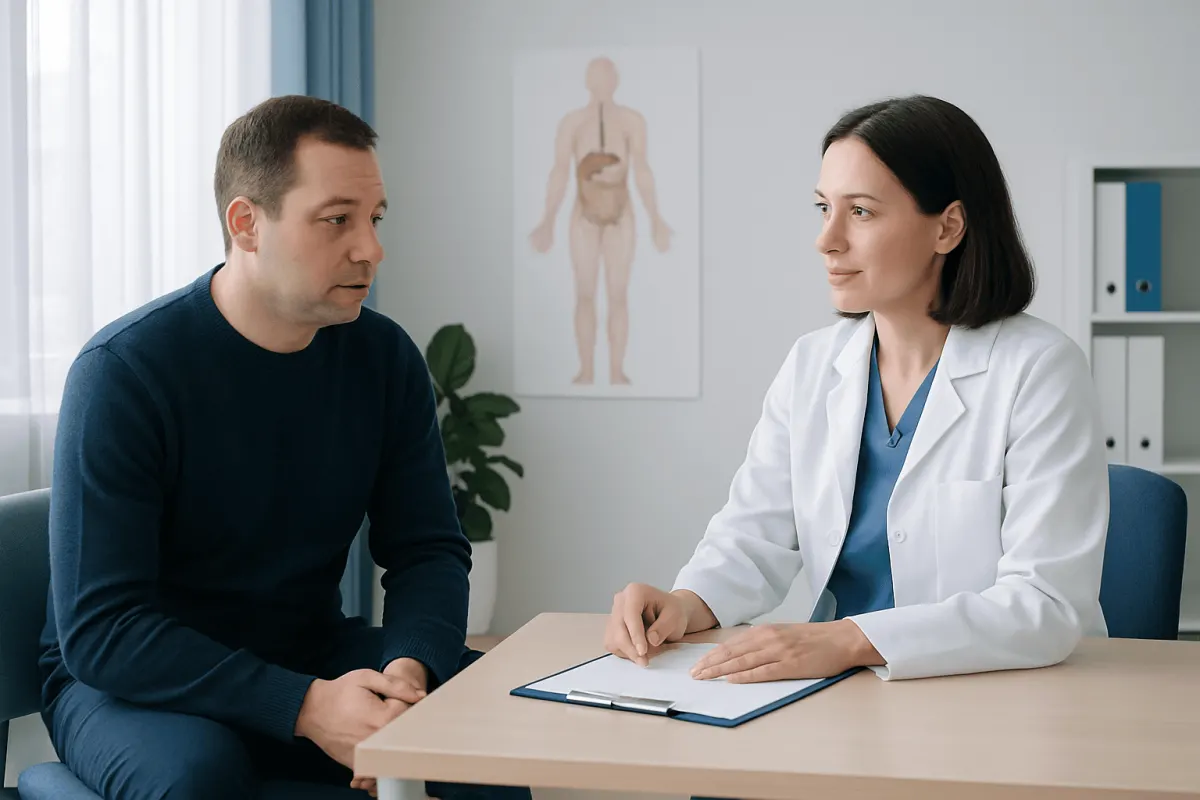
Before recommending anoplasty, the surgeon takes a detailed history and performs a focused examination of the anus and rectum. The examination helps determine whether narrowing is present, how far it extends, and whether the tissue is soft and flexible or densely scarred. Depending on comfort and the degree of stenosis, a complete examination may require anesthesia.
Further tests are not required for every person, but they may be appropriate when symptoms suggest another bowel condition. A clinician may recommend anoscopy, sigmoidoscopy, colonoscopy, imaging, or laboratory tests to investigate bleeding, altered bowel habits, inflammation, or weight loss. These assessments are also important for excluding conditions that could mimic or contribute to a stricture.
Preoperative planning includes a review of current medicines, allergies, prior operations, bowel habits, and conditions such as diabetes, heart disease, or inflammatory bowel disease. Blood-thinning medicines and some supplements may need special instructions before surgery; these changes should only be made with guidance from the prescribing clinician and surgical team. The surgeon will also explain the anticipated technique, anesthesia, expected recovery, and alternatives.
How the Anoplasty Procedure Works
Anoplasty is generally performed in an operating room under general anesthesia, regional anesthesia, or another anesthetic approach selected for the individual. The procedure may be carried out as a day operation or may involve a short hospital stay, depending on the extent of reconstruction, other health needs, and local practice.
After anesthesia is given, the surgeon assesses the narrowed segment and carefully releases scar tissue that is restricting the anal opening. A small, planned incision is then made in nearby healthy tissue. The surgeon mobilizes this tissue as a flap and positions it across the area of narrowing, where it is secured with absorbable stitches. Different flap designs may be used, including V-Y, house, diamond, or rotational flaps; the choice depends on the pattern and severity of the stenosis.
The reconstruction is designed to increase the width and compliance of the anal opening without unnecessarily injuring the anal sphincter muscles. In selected situations, an additional procedure may be needed to address an associated problem, such as a chronic fissure. However, the exact plan should be individualized because procedures that divide sphincter muscle can affect continence in some patients.
At the end of surgery, the area is checked for bleeding and adequate tissue positioning. Dressings may be applied. A temporary packing or drain is not routinely needed for every operation, and the team will provide clear instructions about what to expect after anesthesia and when it is safe to go home.
Benefits, Limitations, and Possible Risks
The intended benefit of anoplasty is easier, less painful bowel emptying. By replacing or releasing tight scar tissue, the operation may reduce straining, improve stool caliber, and help prevent the cycle of constipation, hard stools, and further irritation. For appropriately selected patients with significant anal stenosis, reconstructive surgery can provide meaningful functional improvement.
Results depend on the cause and severity of the narrowing, the condition of surrounding tissues, bowel habits, and whether active inflammation is present. Surgery cannot eliminate every source of constipation or pelvic discomfort. Continuing bowel-management measures after healing is often important, particularly for people prone to hard stools or chronic constipation.
All operations involve potential risks. With anoplasty, these can include pain, bleeding, infection, delayed wound healing, swelling, wound separation, flap problems, scar recurrence, or persistent narrowing. Rarely, changes in continence, fistula formation, or the need for further treatment can occur. People with diabetes, smoking exposure, poor nutrition, immune suppression, or inflammatory bowel disease may have a higher risk of healing complications.
The surgical team discusses individual risks before consent. Asking about the specific flap technique, the expected impact on bowel control, pain-management plans, and the follow-up schedule can help a person make an informed decision.
Anoplasty Recovery Timeline and Aftercare
Recovery after anoplasty varies with the extent of surgery and the person’s general health. In the first few days, soreness, swelling, mild drainage, and discomfort with bowel movements are common. Pain relief medicines may be prescribed or recommended, but the care plan often emphasizes avoiding constipation because hard stool and straining can place pressure on the repair.
Many people are advised to use a bowel regimen that may include adequate fluids, dietary fiber when appropriate, and a stool-softening or laxative medicine recommended by their clinician. Warm sitz baths can soothe the area and support hygiene after bowel movements. The wound should be cleaned gently as instructed, and rubbing, harsh soaps, or unapproved topical products should be avoided.
During the first one to two weeks, activity is usually limited to gentle walking and essential daily tasks. Heavy lifting, vigorous exercise, cycling, and activities that increase pressure on the wound are commonly postponed until the surgeon confirms healing is progressing well. Some people return to desk-based work relatively soon, while others need more time depending on pain, bowel function, and the physical demands of their work.
Initial wound healing often takes several weeks. Deeper healing, softening of scar tissue, and stabilization of bowel habits may take six to eight weeks or longer. Follow-up appointments are important because the surgeon can assess healing, address constipation or pain, and identify recurrent narrowing early if it develops.
When to Seek Medical Care
A person should contact the surgical team promptly if pain becomes severe or is worsening rather than gradually improving, if bleeding is heavy or persistent, or if there is a fever, chills, spreading redness, foul-smelling drainage, or significant swelling. These symptoms may indicate infection, bleeding, or another postoperative issue that needs assessment.
Urgent medical advice is also appropriate for an inability to pass urine, severe abdominal pain or distension, repeated vomiting, or inability to pass stool or gas accompanied by discomfort. Constipation is common after anorectal surgery, but it should be addressed early rather than managed by forceful straining or unsupervised use of enemas or medications.
Before surgery, medical review is warranted for new rectal bleeding, unexplained weight loss, a persistent change in bowel habits, or anal pain that does not settle. These symptoms are often caused by treatable conditions, but they should not be assumed to be due to stenosis without an examination. Acıbadem Health Point’s multidisciplinary specialists and JCI-accredited hospitals can assess and treat anal stenosis and related colorectal conditions for international patients.
Frequently asked questions
01Is anoplasty the same as hemorrhoid surgery?
No. Anoplasty is reconstructive surgery intended to widen or repair a narrowed anal opening, most often due to scar-related anal stenosis. Hemorrhoid surgery removes or treats enlarged hemorrhoidal tissue, although anal stenosis can rarely develop as a complication after some anorectal operations.
02How painful is recovery from anoplasty?
Discomfort is expected, especially during bowel movements in the first days after surgery. Pain control, warm baths, gentle hygiene, and keeping stools soft can make recovery more manageable. The surgical team should be contacted if pain is severe, suddenly worsens, or is accompanied by fever or increasing swelling.
03How long does it take to recover after anoplasty?
Many people begin to feel progressively better over the first few weeks, but healing is individual. Initial wound healing commonly takes several weeks, while complete tissue recovery and stabilization of bowel habits may take six to eight weeks or longer. Follow-up visits help guide a safe return to normal activities.
04Will anoplasty affect bowel control?
The operation is planned to preserve the anal sphincter muscles that contribute to bowel control. However, continence changes are a possible, though uncommon, risk and depend on the existing condition of the muscles, previous operations, and the procedure needed. A surgeon can explain the person's individual risk before surgery.
05Can anal stenosis return after anoplasty?
Recurrence is possible, particularly if scar formation continues or an underlying inflammatory condition remains active. Preventing constipation, following postoperative instructions, and attending follow-up appointments may help support healing. Persistent straining, pain, or narrowing after recovery should be discussed with a colorectal specialist.
06Can anal stenosis be treated without surgery?
Some mild cases can improve with treatment of constipation, dietary adjustments, adequate fluid intake, and clinician-supervised dilation when appropriate. Surgery may be considered when narrowing is severe, symptoms persist, or non-surgical treatment does not provide sufficient improvement. The underlying cause should always be assessed before selecting treatment.
This article is for general information only and is not a substitute for professional medical advice. Please consult a qualified doctor about your individual situation.
Persistent digestive symptoms? Get evaluated in Turkey
JCI-accredited · board-certified surgeons · reply within 24h
Add us as a Preferred Source to see more of our trusted health content across Google Search, AI Overviews and Discover.