Angioplasty Cost: Understanding the Factors Involved

Angioplasty cost cannot be reliably stated as one figure because the final bill depends on the country, hospital, urgency, diagnostic testing, devices used, length of stay and insurance arrangements. A hospital can provide the most useful estimate after a cardiologist has assessed the person’s coronary artery disease, procedure plan and expected aftercare.
Angioplasty Cost: The Answer Depends on the Treatment Plan
Angioplasty cost varies because angioplasty is not a single, identical service for every patient. The overall cost can reflect whether treatment is planned or urgent, how many coronary arteries are involved, whether one or more stents are needed, the hospital setting, diagnostic tests, anesthesia or sedation, medicines, overnight monitoring and follow-up care. Insurance benefits, deductibles, co-payments and preauthorization requirements can also affect what a person pays directly.
Rather than relying on a general online estimate, patients can ask the hospital or insurer for an itemized estimate based on the planned procedure. It is helpful to ask what is included, whether professional and facility fees are billed separately, whether stent devices are included, and what follow-up appointments or cardiac rehabilitation may involve. In an emergency, clinical treatment should not be delayed while financial questions are being addressed.
Angioplasty is commonly performed to improve blood flow through narrowed coronary arteries. It may be part of care for coronary artery disease, a condition in which fatty deposits can narrow the arteries that supply the heart muscle.
Why Is Angioplasty So Costly?
Angioplasty may involve highly specialized care, advanced imaging and a team trained to treat potentially serious heart artery problems safely. The procedure is performed in a catheterization laboratory, where clinicians use X-ray guidance, sterile equipment, contrast dye and specialized catheters to assess and treat an artery. Costs can therefore include the facility, equipment, staff, cardiologist services and monitoring before and after treatment.
Device use can also affect the total. A balloon catheter may be used to widen a narrowing, and many patients receive a stent, a small mesh tube that helps keep the artery open. The number and type of devices needed depends on the anatomy of the blockage and the cardiologist’s clinical judgment. Additional costs may arise when a patient needs urgent treatment, has multiple narrowed vessels, requires more imaging, or has health conditions that call for closer observation.
Patients can reduce uncertainty by requesting a written financial estimate where possible. Useful questions include whether laboratory tests, angiography, medications, stents, hospital accommodation, physician fees and follow-up are included. For people with insurance, confirming network status and authorization requirements before a planned procedure can help clarify personal financial responsibility.
How Coronary Angioplasty Works and Who May Need It
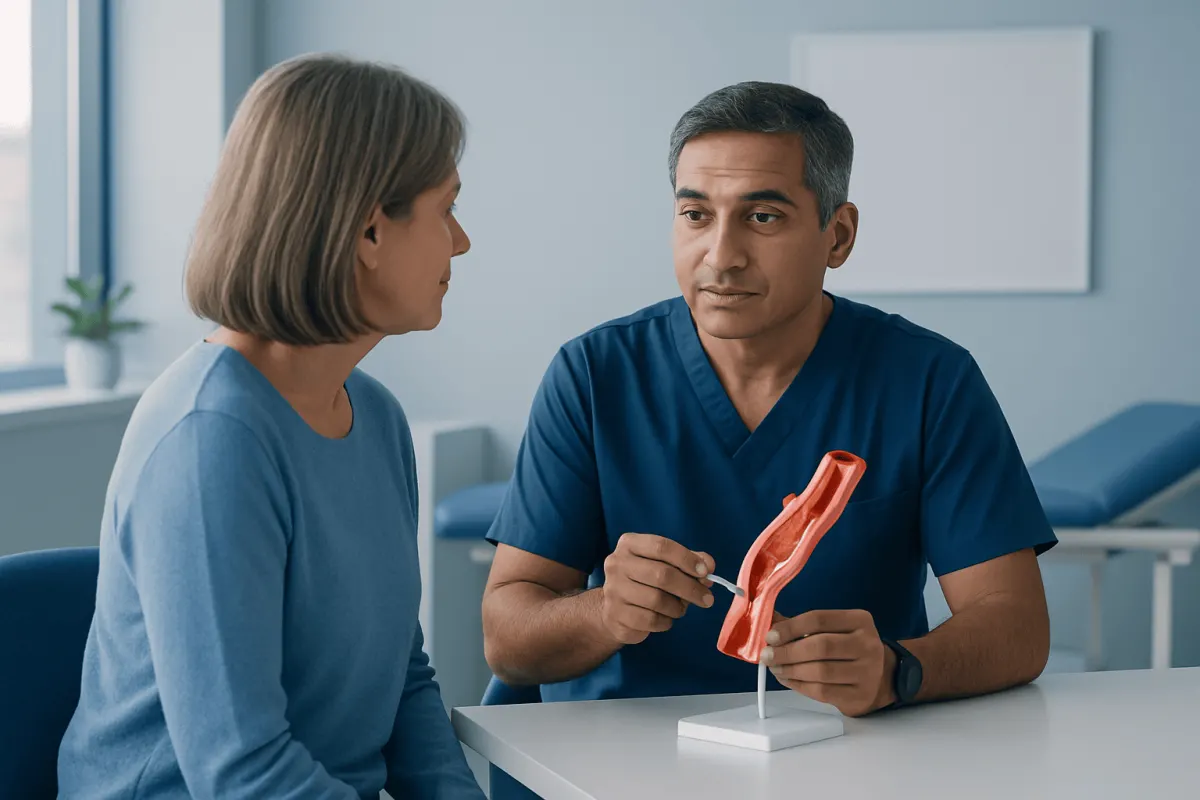
Coronary angioplasty, also called percutaneous coronary intervention (PCI), is a minimally invasive procedure used to restore blood flow in narrowed or blocked coronary arteries. A cardiologist guides a thin tube called a catheter through an artery, often in the wrist or groin, toward the heart. A small balloon can then be inflated at the narrowed area to improve the opening in the artery; a stent is frequently placed to support it.
People may be considered for angioplasty when they have symptoms such as chest pressure or breathlessness caused by reduced heart blood flow, evidence of significant narrowing on testing, or an acute coronary syndrome such as a heart attack. It may also be recommended when medicines and lifestyle measures have not adequately controlled symptoms. However, angioplasty is not automatically the best option for every narrowing. Some people benefit most from medication management, while others with extensive or complex disease may be assessed for bypass surgery.
The care team considers symptoms, the location and severity of blockages, heart function, other medical conditions, bleeding risk and the person’s preferences. A cardiologist can explain whether coronary angioplasty is appropriate and what alternatives may be reasonable in the individual situation.
What Happens During the Procedure and Recovery
Before angioplasty, the team reviews medical history, medications, allergies and kidney function. An electrocardiogram, blood tests and coronary angiography may be used to guide planning. Patients are usually awake but receive medication to help them relax, while local anesthetic numbs the access site. The cardiologist inserts a catheter into an artery and uses contrast dye and X-ray imaging to identify the narrowing.
A guidewire and balloon catheter are advanced to the affected area. The balloon is inflated briefly to widen the artery, and a stent may be placed if needed. Most modern coronary stents release medication gradually to lower the likelihood of the artery narrowing again. The procedure length varies according to the number and complexity of blockages, and the team monitors heart rhythm, blood pressure and symptoms throughout.
Afterward, patients are monitored for bleeding at the access site, chest discomfort, heart rhythm changes and other complications. Some planned procedures allow discharge on the same day or after an overnight stay, while emergency treatment or complex cases may require longer observation. Many people can resume light daily activity within several days, but the treating team provides individualized advice about work, driving, exercise, wound care and medicines.
- Antiplatelet medicines are often essential after stent placement and should not be stopped without the prescribing clinician’s advice.
- Cardiac rehabilitation can support a gradual return to activity, heart-healthy habits and confidence after treatment.
- Follow-up appointments help assess recovery, symptoms and control of blood pressure, cholesterol and diabetes.
Benefits, Risks and Long-Term Outlook
For appropriately selected patients, angioplasty can improve blood flow and relieve angina, or chest pain caused by reduced oxygen supply to the heart. In certain heart attacks, urgent angioplasty can restore blood flow quickly and limit heart muscle damage. It can be an important part of treatment, but it does not remove the underlying tendency toward atherosclerosis, the process that causes plaque buildup in arteries.
Possible risks include bleeding or bruising at the catheter entry site, blood vessel injury, reaction to contrast dye, kidney problems, abnormal heart rhythm, heart attack, stroke, blood clotting in the stent and re-narrowing of the artery. Serious complications are uncommon but possible, and risk differs according to age, kidney function, heart condition, the urgency of the procedure and the complexity of the artery disease. The cardiology team discusses relevant risks before a planned procedure.
Long-term benefit is supported by taking prescribed medicines, attending follow-up and addressing modifiable risks. Stopping smoking, choosing a heart-supportive eating pattern, staying physically active as advised, sleeping well and managing diabetes, high blood pressure and cholesterol all matter. Angioplasty works best as one part of comprehensive cardiovascular care rather than as a stand-alone cure.
Can You Live 20 Years After Angioplasty?
Yes. Many people live for decades after angioplasty, particularly when the procedure is performed successfully and cardiovascular risk factors are managed over time. Angioplasty itself does not set a fixed life expectancy. Outlook depends more broadly on the extent of coronary artery disease, whether a heart attack has occurred, heart pumping function, age, kidney health, diabetes, smoking status and adherence to the recommended treatment plan.
Ongoing prevention is important because coronary artery disease can progress in other parts of the heart’s blood supply, and treated arteries can occasionally narrow again. Patients should take medications exactly as prescribed, especially antiplatelet therapy after a stent, unless their cardiologist advises a change. Regular review helps the care team respond early to recurring symptoms or changes in health.
Cardiac rehabilitation and sustainable lifestyle changes can improve fitness and support recovery. A cardiologist can give the most individualized outlook after reviewing the person’s procedure findings, symptoms and other health conditions.
How Much Does Angioplasty Cost Without Insurance?
Without insurance, angioplasty cost can vary widely, so there is no responsible single price that applies across hospitals or countries. Self-pay charges may include pre-procedure assessment, coronary angiography, catheterization laboratory services, cardiologist fees, balloon and stent devices, medicines, hospital monitoring, laboratory work and post-procedure follow-up. An emergency presentation, multiple stents or a longer hospital stay may increase the total.
Patients paying directly can request an individualized, itemized estimate before a scheduled procedure. They may ask whether the estimate covers all facility and clinician charges, diagnostic imaging, stents, medicines, possible overnight care and post-discharge appointments. It is also reasonable to ask how unexpected clinical needs during the procedure would be handled financially.
Cost concerns should be discussed openly with the hospital’s financial counseling or international patient services team. Clinical choices should be based primarily on safety and medical suitability, and urgent symptoms should always be assessed promptly rather than delayed because of uncertainty about payment.
Can 100% Blockage Be Treated by Angioplasty?
Sometimes. A completely blocked coronary artery may be treated with angioplasty, particularly in the setting of an acute heart attack when rapid restoration of blood flow is needed. A long-standing complete blockage is often called a chronic total occlusion. These procedures can be technically more challenging, and whether angioplasty is suitable depends on the location, length and features of the blockage, the condition of other coronary arteries and the patient’s overall health.
Not every 100% blockage should be treated with angioplasty. In some cases, medication treatment, bypass surgery or another approach may offer the better balance of benefit and risk. Cardiologists use angiography and sometimes additional imaging to assess the anatomy and discuss options with the patient.
For complex disease, a multidisciplinary heart team may contribute to planning. Acıbadem Health Point’s multidisciplinary specialists and JCI-accredited hospitals diagnose and treat coronary artery disease for international patients, with care plans based on individual clinical assessment.
When to seek medical care: New, severe or persistent chest pressure, pain spreading to the arm, jaw, back or upper abdomen, sudden shortness of breath, fainting, cold sweating or nausea may indicate a heart emergency. Emergency medical services should be contacted immediately, especially if symptoms occur at rest or do not settle quickly. People with recurrent exertional chest discomfort should arrange timely medical review rather than waiting for symptoms to worsen.
Frequently asked questions
01Does angioplasty always involve a stent?
No. A balloon may sometimes be used without placing a stent, although stents are commonly used during coronary angioplasty to help keep an artery open. The decision depends on the artery’s anatomy, the type of narrowing and the result achieved during the procedure.
02Is angioplasty the same as open-heart surgery?
No. Angioplasty is a minimally invasive catheter-based procedure, usually performed through an artery in the wrist or groin. Bypass surgery is an operation that creates a new route for blood to travel around narrowed coronary arteries.
03Why might the final angioplasty bill differ from an estimate?
An estimate is based on the expected treatment plan, but the plan can change if angiography reveals more complex disease or if additional devices, medicines or hospital monitoring are medically needed. Patients can ask in advance which possible variables could change the total cost.
04How long does recovery take after angioplasty?
Many people return to light activities within a few days after an uncomplicated planned procedure, but recovery varies. Recovery may take longer after a heart attack, multiple stents, a groin access procedure or complications, and the treating team should provide personalized guidance.
05Can arteries become blocked again after angioplasty?
Yes. A treated artery can narrow again, and plaque can develop in other coronary arteries. Taking prescribed medicines, avoiding tobacco, managing cholesterol and blood pressure, and attending follow-up visits can lower future cardiovascular risk.
06What questions should patients ask about angioplasty cost?
Patients can ask for an itemized estimate and confirm whether it includes the cardiologist, facility, imaging, stents, medicines, hospital stay and follow-up. People with insurance should also ask about network coverage, deductibles, co-payments and preauthorization.
This article is for general information only and is not a substitute for professional medical advice. Please consult a qualified doctor about your individual situation.
Heart care in Turkey — expert evaluation and treatment
JCI-accredited · board-certified surgeons · reply within 24h
Add us as a Preferred Source to see more of our trusted health content across Google Search, AI Overviews and Discover.