Epinephrine First: How an Anaphylaxis Emergency Is Managed

A bee sting, a bite of the wrong dessert, a new antibiotic — and within minutes your throat feels tight and your skin breaks out. That’s the moment epinephrine is for. Anaphylaxis treatment starts with epinephrine given immediately, followed by emergency medical assessment, breathing and circulation support when needed, and observation in case symptoms come back. Treated fast, it works very well. Afterwards, ongoing allergy care helps you pin down your triggers and be ready if it ever happens again.
Anaphylaxis treatment: how it works
Anaphylaxis is a severe, potentially life-threatening allergic reaction, and treating it is emergency care. Epinephrine given promptly relaxes airway muscles, supports blood pressure, reduces swelling and helps reverse the reaction throughout the body. If anaphylaxis is suspected, use epinephrine — don’t wait to see whether things get worse.
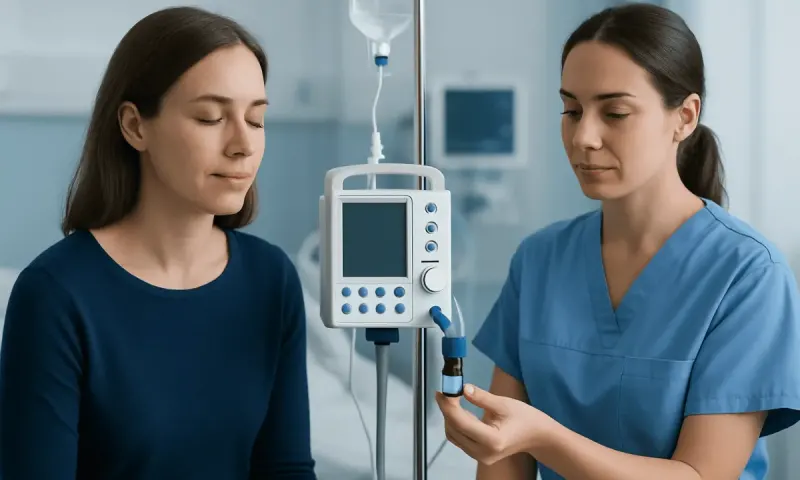
After epinephrine is given, emergency services should be contacted and the person should be assessed in an emergency setting. Clinicians check breathing, oxygen levels, heart rate, blood pressure and the response to treatment. They may provide oxygen, intravenous fluids, inhaled medicines for wheezing or other measures based on the person’s symptoms.
Antihistamines may help itching or hives, and corticosteroids are sometimes used in selected situations. But these medicines work more slowly, and they do nothing for airway swelling, low blood pressure or shock. They must never be used instead of epinephrine for a suspected anaphylactic reaction.
Who needs emergency treatment for anaphylaxis?
Anaphylaxis can occur after exposure to foods, medicines, insect stings, latex or, less commonly, exercise or other triggers. It can affect several body systems at once, but it may also present mainly with breathing difficulty or a sudden drop in blood pressure after contact with a likely allergen. A prior mild reaction does not reliably predict how severe a future reaction may be.
Emergency treatment is appropriate when symptoms suggest anaphylaxis, especially trouble breathing, throat tightness, a hoarse voice, persistent cough, faintness, confusion, severe dizziness, widespread hives with vomiting, or swelling of the tongue or throat. People with asthma, previous anaphylaxis or certain mast cell conditions may have a higher risk of severe reactions, but anaphylaxis can happen to anyone.
People known to be at risk should discuss a written allergy action plan and prescribed epinephrine auto-injectors with their clinician. An allergy evaluation may also help identify the cause and guide prevention, including assessment for related allergic conditions when appropriate.
Step-by-step: what happens during anaphylaxis treatment?

First, the suspected trigger should be stopped or removed if this can be done safely, such as discontinuing a medicine being administered or moving away from an insect sting area. Epinephrine is then given into the outer thigh, usually using an auto-injector in the community or an injection administered by trained professionals. The person should be positioned safely: generally lying flat with legs raised if possible, unless breathing is easier while sitting up or they are vomiting.
Emergency services should be called immediately after epinephrine is used. If symptoms do not improve or return while waiting for help, a second epinephrine dose may be needed according to the person’s action plan and the directions provided with the prescribed device. A person with anaphylaxis should not drive themselves to hospital and should not be left alone.
In hospital, the care team reassesses the airway, breathing and circulation repeatedly. Severe reactions may require advanced airway support, nebulized bronchodilator treatment for wheeze, intravenous fluids for low blood pressure, or additional medicines. The intensity and length of care depend on the symptoms, likely trigger, response to epinephrine and medical history.
Before discharge, clinicians commonly review trigger avoidance, auto-injector technique and follow-up plans. Referral for specialist allergy assessment is particularly important after unexplained reactions, reactions to medicines or stings, recurrent episodes, or severe reactions requiring intensive treatment.
Benefits, risks and observation after treatment
Given early, epinephrine can quickly reverse the dangerous effects of anaphylaxis and stop the reaction from progressing. Delay is linked with worse outcomes — that’s why guidance is so firm about giving it early whenever anaphylaxis is suspected. The benefits of appropriate emergency treatment outweigh the temporary side effects for people with signs of anaphylaxis.
Common short-term effects of epinephrine can include a fast heartbeat, shakiness, anxiety, pallor, headache or dizziness. These effects are usually temporary and are monitored by the emergency team. Serious complications from correctly used intramuscular epinephrine are uncommon, but clinicians take additional care in people with significant heart disease or certain other health conditions.
Symptoms can occasionally recur after an initial improvement; this is often called a biphasic reaction. For this reason, a clinician determines the appropriate observation period individually. Longer monitoring may be advised after severe symptoms, multiple epinephrine doses, asthma-related breathing problems, delayed treatment, uncertain access to emergency care or previous recurrent reactions.
How quickly do you recover from anaphylaxis?
Many people begin to feel better within minutes after epinephrine, particularly when it is given early. Full recovery varies. Hives, fatigue, headache, nausea, throat discomfort or anxiety may continue for hours, and a person may feel tired for a day or longer after a significant reaction and emergency treatment.
Feeling better is not the same as being out of the woods. Medical observation is important because symptoms can return after a symptom-free period. The treating clinician will advise when it is safe to go home and what symptoms should prompt immediate return to emergency care.
After discharge, people should arrange follow-up with a qualified clinician or allergist. This visit can clarify likely triggers, review whether allergy testing is useful and ensure that the person understands their emergency action plan and how to use prescribed epinephrine devices.
What is the rule of 2 for anaphylaxis?
The phrase “rule of 2” is not a single universal medical rule, and its meaning can vary between allergy education programs. It is sometimes used as a reminder that anaphylaxis may involve symptoms from two or more body systems, such as skin symptoms together with breathing, digestive or circulation symptoms, after exposure to a likely allergen.
However, a person does not need to have symptoms in two systems before using epinephrine. Breathing difficulty, throat swelling, faintness or a sudden low blood pressure reaction after exposure to a suspected allergen can indicate anaphylaxis even without hives. Decisions should follow an individualized allergy action plan and emergency guidance rather than relying only on a mnemonic.
Some people also use “two” to remember that a second epinephrine auto-injector may be needed if symptoms persist or return before emergency help arrives. Anyone prescribed auto-injectors should ask their clinician exactly when and how to use them, and should carry the number of devices recommended in their personal plan.
What happens to your body after anaphylaxis?
During anaphylaxis, the immune system releases chemicals that can cause blood vessels to widen and leak fluid, lower blood pressure, narrow the airways and produce swelling, hives, vomiting or diarrhea. Once the reaction is controlled, the body gradually restores normal circulation and breathing, but the physical and emotional effects of the event may linger.
People may experience tiredness, disrupted sleep, worry about another reaction or uncertainty about the trigger. All of that is a normal response to a frightening event. Clear information, an updated emergency plan and hands-on practice with your auto-injector can help you feel steady again while keeping you safe.
An allergist may consider testing after recovery, although the timing and type of testing depend on the suspected trigger and clinical history. Keeping a record of foods, medicines, insect stings, activities and symptoms around the episode can be useful at the follow-up appointment.
Can anaphylaxis go away without EpiPen?
Anaphylaxis symptoms may sometimes appear to improve on their own, but it is not safe to wait and see whether this will happen. The reaction can worsen quickly or recur, and there is no reliable way to predict which reaction will become severe. Epinephrine is the recommended first-line treatment for suspected anaphylaxis.
EpiPen is one brand of epinephrine auto-injector; other devices may be available depending on the country and prescription. A person should use the epinephrine device prescribed to them as directed in their action plan, then call emergency services and seek urgent medical assessment. Antihistamines, asthma inhalers, drinking fluids or lying down are not substitutes for epinephrine in anaphylaxis.
People who do not have an auto-injector and develop symptoms of anaphylaxis should call emergency services immediately. If the reaction happens in a healthcare setting, trained staff can provide emergency epinephrine and supportive care without delay.
When to seek medical care
Emergency medical care is needed immediately for suspected anaphylaxis. Warning signs include difficulty breathing, wheezing, throat or tongue swelling, trouble swallowing, a weak or rapid pulse, fainting, severe dizziness, confusion, blue or gray lips, or widespread allergic symptoms with repeated vomiting or abdominal pain after a likely allergen exposure.
Emergency care is also needed after using an epinephrine auto-injector, even if the person feels well. For less urgent concerns, such as a previous allergic reaction, uncertainty about a trigger, questions about an auto-injector or a need for an allergy plan, an appointment with a doctor or allergy specialist is appropriate.
At Acıbadem Health Point, our specialist teams and JCI-accredited hospitals assess severe allergic reactions and help international patients plan for the long term. Good ongoing care means three things: spotting symptoms early, staying away from confirmed triggers where you can, and knowing exactly how to use your prescribed epinephrine.
Frequently asked questions
01What is the first-line treatment for anaphylaxis?
Epinephrine is the first-line treatment for suspected anaphylaxis. It should be given promptly, followed by calling emergency services and obtaining emergency medical evaluation. Antihistamines do not replace epinephrine.
02Should a person go to hospital after using an epinephrine auto-injector?
Yes. Emergency medical assessment is needed after epinephrine is used, even if symptoms improve. Clinicians can monitor for recurring symptoms and treat any ongoing airway, breathing or circulation problems.
03Can anaphylaxis happen without hives?
Yes. Some people have breathing problems, throat tightness, faintness, low blood pressure, vomiting or other serious symptoms without visible hives. The absence of a rash should not delay emergency treatment when anaphylaxis is suspected.
04How long should someone be monitored after anaphylaxis?
The observation period is individualized by the emergency clinician. It depends on reaction severity, response to epinephrine, whether symptoms return, the need for repeated doses and personal risk factors such as asthma or a history of severe reactions.
05Can antihistamines stop anaphylaxis?
No. Antihistamines can help relieve itching and hives, but they do not rapidly treat throat swelling, breathing difficulty, low blood pressure or shock. Epinephrine is required for suspected anaphylaxis.
06What should be done after recovering from anaphylaxis?
Follow-up with a doctor or allergy specialist can help identify the likely trigger and reduce future risk. The appointment should include a review of trigger avoidance, an emergency action plan and practical training on any prescribed epinephrine auto-injector.
This article is for general information only and is not a substitute for professional medical advice. Please consult a qualified doctor about your individual situation.
Heart care in Turkey — expert evaluation and treatment
JCI-accredited · board-certified surgeons · reply within 24h
Add us as a Preferred Source to see more of our trusted health content across Google Search, AI Overviews and Discover.