Am I a Candidate for Heart Valve Replacement?

A person may be a candidate for heart valve replacement when a diseased valve is severely narrowed or leaking and is causing symptoms, weakening the heart, or creating a high risk of future complications. Eligibility is individualized and depends on the affected valve, disease severity, heart function, overall health, anatomy, and whether repair or a less invasive option is suitable.
Am I a Candidate for Heart Valve Replacement?
A person may be a candidate for heart valve replacement if one of the heart valves is severely narrowed, severely leaking, infected, or damaged beyond reliable repair. Doctors usually recommend intervention when the valve problem causes limiting symptoms, affects the heart’s pumping ability, enlarges heart chambers, or is likely to cause harm if left untreated.
There is no single test or age cut-off that determines eligibility. A cardiologist and cardiac surgeon assess the valve disease, symptoms, heart imaging, general health, and personal treatment goals. Some people are better suited to valve repair, monitoring, or a catheter-based procedure rather than surgical replacement.
Heart valve disease can affect the aortic, mitral, tricuspid, or pulmonary valve. The aortic and mitral valves are most commonly treated in adults. For a broader explanation of the procedure and available approaches, readers can review heart valve replacement treatment.
How Heart Valve Replacement Works
Heart valves act as one-way doors, keeping blood moving forward through the heart. A valve may become too narrow, called stenosis, making the heart work harder to push blood through it. It may also fail to close properly, called regurgitation or insufficiency, allowing blood to leak backward.
Valve replacement removes or bypasses the damaged valve and places a new valve in its position. Replacement valves are either mechanical, made from durable manufactured materials, or biological, made from animal tissue or donated human tissue. Each option has advantages and trade-offs involving durability, the need for long-term blood-thinning medicine, age, lifestyle, and future treatment plans.
In many cases, surgeons first consider whether the native valve can be repaired. Repair can preserve the person’s own valve and may be especially suitable for some mitral or tricuspid valve problems. Replacement is more likely when the valve is extensively calcified, malformed, infected, or too damaged for a lasting repair.
Eligibility Criteria and Pre-Assessment

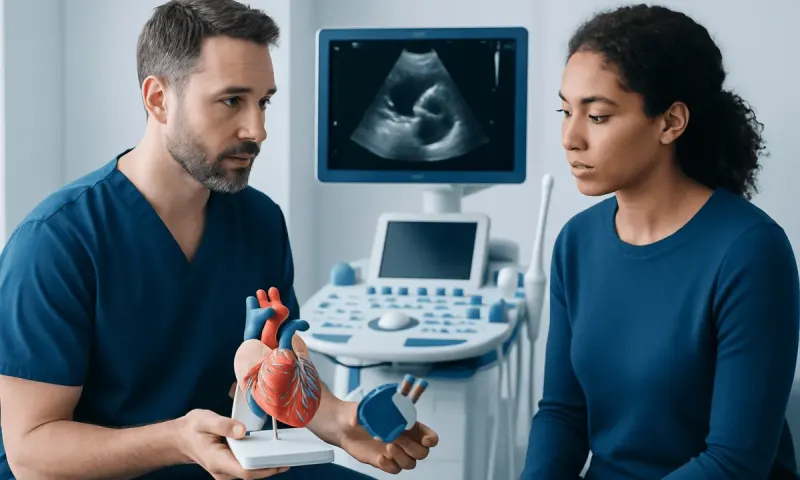
Severity of valve disease is a central eligibility criterion. Echocardiography, an ultrasound scan of the heart, measures how well the valve opens and closes, how much blood leaks backward, pressures inside the heart, and the effect on heart chambers. A clinician also considers whether symptoms such as breathlessness, chest discomfort, reduced exercise tolerance, fatigue, dizziness, fainting, or ankle swelling are related to valve disease.
Replacement may be advised even without clear symptoms when testing shows important heart changes or when severe disease is likely to become dangerous with delay. For example, severe aortic stenosis or severe valve leakage may lead to progressive heart muscle damage over time. The timing of treatment is therefore based on regular monitoring as well as how a person feels.
Pre-assessment typically includes an electrocardiogram, blood tests, chest imaging, and detailed heart imaging. Depending on the planned approach, doctors may use coronary angiography or CT scanning to assess the heart arteries, blood vessels, valve anatomy, and access route. Lung, kidney, liver, neurological, dental, and infection-related factors may also be reviewed.
Overall health affects the safest treatment route but does not automatically exclude someone from treatment. Frailty, prior chest surgery, lung disease, kidney disease, coronary artery disease, stroke history, and other conditions are considered carefully. A heart team balances procedural risk against the risks of untreated valve disease and discusses options with the patient.
Choosing Surgery, Catheter Treatment, or Monitoring
Open surgical valve replacement is a well-established approach and may be preferred for younger patients, people who need more than one heart procedure, those needing coronary bypass surgery, or patients whose valve anatomy is not suitable for a catheter procedure. It also allows the surgeon to address related problems, such as an enlarged aorta or multiple diseased valves, during the same operation.
Selected people with aortic valve disease may be considered for transcatheter aortic valve implantation, often called TAVI or TAVR. This technique delivers a replacement valve through a blood vessel, usually from the groin, rather than through open-heart surgery. Suitability depends on detailed imaging, the type of valve disease, blood vessel size, prior valve procedures, and individual risks.
For mild or moderate disease, or severe disease that is not yet affecting symptoms or heart function, careful follow-up may be the most appropriate plan. Monitoring generally includes periodic echocardiograms and review of new symptoms. It is important not to assume that feeling well always means a valve problem is stable; scheduled follow-up remains essential.
- Potential candidates have severe valve narrowing or leakage, or another serious valve-related problem.
- The disease causes symptoms, affects heart function, or meets guideline-based thresholds for intervention.
- Valve repair is unsuitable, unsuccessful, or not expected to last.
- The expected benefit of intervention outweighs the procedural risk after individualized assessment.
What Happens During the Procedure
Before valve replacement, the team confirms the procedure plan, reviews medicines, and provides instructions about fasting and medicines that affect bleeding. People are commonly admitted on the day of surgery or shortly beforehand. The exact preparation varies according to whether the procedure is surgical or catheter-based and whether other heart procedures are planned.
During open-heart valve replacement, the person receives general anesthesia. The surgeon reaches the heart through an incision in the chest and uses a heart-lung machine while the damaged valve is removed and the new valve is secured. The heart is then restarted, and the team checks the valve’s function before closing the incision.
During a catheter-based valve procedure, anesthesia may range from sedation to general anesthesia depending on the clinical situation. A catheter is guided through a blood vessel to position the new valve within the diseased valve. Imaging is used throughout to confirm placement and blood flow.
After either approach, close monitoring takes place in a recovery or intensive care setting. The care team watches heart rhythm, blood pressure, breathing, kidney function, bleeding, pain, and the function of the new valve. The length of monitoring and hospital stay differs between procedures and between individuals.
Benefits, Risks, and Recovery Timeline
When performed for the right reason and at the right time, valve replacement can improve blood flow through the heart, reduce symptoms, support physical activity, and help protect heart function. The degree of improvement varies. Symptoms caused mainly by valve disease often improve, while symptoms related to other conditions such as lung disease, coronary artery disease, anemia, or reduced fitness may need separate treatment.
Possible risks include bleeding, infection, irregular heart rhythm, stroke, kidney injury, blood clots, valve-related complications, and reactions to anesthesia. Open surgery also involves risks related to the chest incision and recovery period. Catheter procedures have their own considerations, including blood vessel injury, leak around the new valve, and the possible need for a pacemaker. The heart team explains the relevant risks in the context of the individual’s health.
Recovery after catheter-based treatment is often shorter than after open surgery, although this is not the same for every person. After open surgery, hospital recovery commonly takes several days, while rebuilding strength at home may take weeks. Cardiac rehabilitation, gradual activity, wound care, medication review, and follow-up echocardiography are important parts of recovery.
People with a mechanical valve usually need long-term anticoagulant medicine to reduce clot risk. Biological valves may not require lifelong anticoagulation solely because of the valve, though some people need it for other conditions such as atrial fibrillation. Lifelong cardiology follow-up is recommended for all replacement valves.
When to Seek Medical Care
A person should arrange a medical review if they have known valve disease and develop new or worsening shortness of breath, reduced ability to exercise, chest pressure, palpitations, dizziness, fainting, unusual fatigue, or swelling in the legs or abdomen. These symptoms can have different causes, but prompt assessment helps determine whether the valve condition has changed.
Urgent medical care is needed for severe chest pain, sudden or severe breathlessness, fainting, new confusion, or symptoms suggesting stroke, such as facial drooping, arm weakness, or difficulty speaking. These symptoms require immediate evaluation and should not be managed by waiting for a routine appointment.
People considering treatment can ask their cardiologist whether a heart-team assessment is appropriate. A pre-assessment can clarify valve severity, available treatment approaches, anticipated recovery, and whether heart valve replacement is likely to offer meaningful benefit. Acıbadem Health Point’s multidisciplinary specialists and JCI-accredited hospitals assess and treat valve disease for international patients.
Frequently asked questions
01Can I need heart valve replacement even if I have no symptoms?
Yes. Some people with severe valve disease are advised to have treatment before symptoms develop because tests show that the heart is under strain or beginning to change. Regular echocardiograms and cardiology follow-up help identify the safest timing.
02What tests determine whether I am eligible for heart valve replacement?
An echocardiogram is the main test because it shows valve function and the effect of valve disease on the heart. Additional tests may include an ECG, blood tests, CT scans, coronary angiography, and assessments of lung, kidney, and overall health.
03Is age a reason that someone cannot have valve replacement?
Age alone does not decide eligibility. Doctors consider overall fitness, frailty, other medical conditions, valve anatomy, expected benefit, and whether surgery or a catheter-based approach is safest.
04Will I need open-heart surgery for valve replacement?
Not always. Some people, particularly selected patients with aortic valve disease, may be suitable for a catheter-based valve procedure. Others benefit most from surgical replacement, especially when additional heart surgery is needed.
05Can a heart valve be repaired instead of replaced?
Yes, repair may be possible for certain valves and types of damage, particularly some mitral and tricuspid valve conditions. Replacement is considered when repair is not feasible or is unlikely to provide a durable result.
06How long does recovery take after heart valve replacement?
Recovery varies by procedure and individual health. Catheter-based procedures may involve a shorter hospital stay, while recovery after open surgery usually takes longer and continues over several weeks with gradual increases in activity.
This article is for general information only and is not a substitute for professional medical advice. Please consult a qualified doctor about your individual situation.
Heart care in Turkey — expert evaluation and treatment
JCI-accredited · board-certified surgeons · reply within 24h
Add us as a Preferred Source to see more of our trusted health content across Google Search, AI Overviews and Discover.