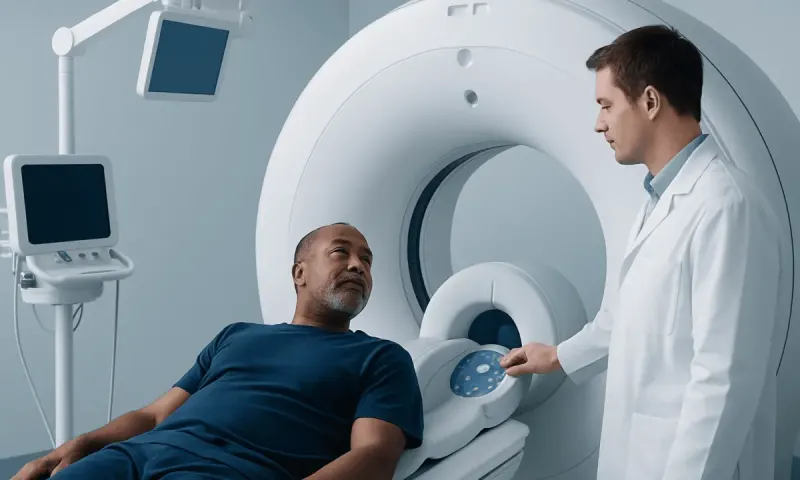
Am I a Candidate for Cancer screening? Eligibility Criteria

Am I a candidate for cancer screening? Many adults are eligible for one or more screening tests based on their age and health history, even when they feel well. A clinician can match screening recommendations to the person’s individual risk factors and help avoid tests that are unlikely to be useful.
Overview: Who May Be a Candidate for Cancer Screening?
Am I a candidate for cancer screening? In many cases, the answer is yes: adults may be eligible for screening for cancers such as breast, cervical, colorectal, lung, or prostate cancer depending on age, sex assigned at birth, health history, and individual risk factors. Screening is intended for people without symptoms and aims to find selected cancers or precancerous changes at an earlier, more treatable stage.
There is no single test that checks reliably for every cancer. Instead, clinicians use evidence-based recommendations for particular cancer types and adjust them when a person has a strong family history, a known inherited cancer syndrome, prior Cancer Radiation Treatment: Options and Outlook" class="ahp-ilk">radiation treatment, a history of certain polyps, smoking exposure, or other risks. A personalized discussion is important because recommendations may differ among countries and professional organizations.
A cancer screening consultation can be part of a broader preventive health review. The cancer screening program can help organize appropriate tests after a clinician reviews medical records, family history, medications, and any current concerns.
Screening Is Not the Same as Diagnostic Testing
Screening is performed when a person feels generally well and has no warning signs of a particular cancer. Examples include a mammogram for breast cancer, a stool-based test or colonoscopy for colorectal cancer, a cervical screening test, and low-dose CT for certain people at elevated risk of lung cancer.
Diagnostic testing is different. It is used when symptoms, an examination finding, or an abnormal screening result needs an explanation. For example, unexplained bleeding, a new breast lump, persistent change in bowel habits, coughing up blood, or unintentional weight loss should be evaluated as symptoms, not managed by simply arranging routine screening.
This distinction matters because the most suitable test, the timing, and the urgency can change when symptoms are present. A normal screening test does not always rule out cancer or another medical condition, especially if new symptoms develop afterward.
Eligibility Criteria: What Clinicians Consider

Age is one of the main factors in cancer screening eligibility because the likelihood of several cancers increases over time. However, age alone does not determine whether screening is appropriate. A clinician also considers overall health, life expectancy, previous screening results, and whether a person would be able and willing to have follow-up testing or treatment if an abnormality were found.
Personal history is equally important. People who have had cancer, colorectal polyps, inflammatory bowel disease, chest radiation at a younger age, or precancerous cervical changes may need earlier or more frequent testing. Those with a first-degree relative with certain cancers, multiple relatives affected by cancer, or cancer diagnosed at a younger age in the family may also benefit from individualized assessment.
Some inherited genetic conditions substantially raise the likelihood of specific cancers. In these situations, genetic counseling and testing may be discussed before a tailored surveillance plan is created. A clinician may ask about relatives on both sides of the family, their cancer types, and the age at diagnosis.
- Breast cancer screening is commonly considered according to age and breast cancer risk, with earlier or additional imaging for some higher-risk individuals.
- Cervical cancer screening applies to eligible people with a cervix, based on age, previous results, and screening history.
- Colorectal cancer screening is recommended for many adults from a defined starting age, with earlier assessment for those with a family history or other risks.
- Lung cancer screening is limited to certain adults with a substantial smoking history who meet age and smoking-status criteria.
- Prostate cancer screening is usually based on shared decision-making, considering age, ancestry, family history, and potential benefits and harms.
Pre-Assessment and How the Screening Process Works
The process usually begins with a pre-assessment form or clinical consultation. This gathers information about age, sex assigned at birth, current and past illnesses, prior cancer screening, medicines, tobacco and alcohol exposure, occupational exposures, and family history. It also asks about symptoms, since symptoms may mean a diagnostic pathway is more appropriate than screening.
Next, the clinician identifies which tests are suitable, which are not recommended, and whether any additional risk assessment is needed. This may include reviewing prior imaging or pathology reports, discussing genetic counseling, and selecting a schedule for future tests. The goal is to use the right test for the right person, rather than arranging broad testing without a clear clinical reason.
Preparation depends on the test. Mammography generally requires minimal preparation. Cervical screening involves collecting cells or testing for human papillomavirus from the cervix. Stool tests are completed at home using supplied instructions, while colonoscopy usually requires dietary changes and bowel preparation beforehand. Low-dose CT scanning for lung screening is quick and does not normally require contrast dye.
What Happens Step by Step, and When Results Are Available
On the day of screening, staff confirm the person’s identity, relevant medical details, and consent. The individual then completes the selected test or tests. Imaging tests are performed by trained radiology staff, while laboratory-based screening samples are processed in accredited laboratories. Tests such as colonoscopy may involve sedation and usually require an adult to accompany the patient home.
Results are reviewed by the appropriate clinical team. A normal result usually means routine screening can continue at the recommended interval, although it does not eliminate the possibility of cancer developing between tests. An abnormal result does not necessarily mean cancer is present; it often means that more information is needed.
Follow-up may include repeat imaging, a targeted ultrasound, additional laboratory tests, a colonoscopy, or a biopsy. If cancer is diagnosed, care is planned according to the cancer type, stage, general health, and personal preferences. Early referral to an appropriate specialist team helps ensure that next steps are coordinated.
Benefits, Limitations, and Possible Risks
The main potential benefit of screening is detecting certain cancers before they cause symptoms. For some cancers, screening can also identify precancerous changes that can be monitored or treated before cancer develops. Screening may provide reassurance when results are normal and can help people make informed choices about prevention and follow-up.
However, every screening test has limitations. False-positive findings can cause anxiety and may lead to additional scans, biopsies, or procedures. False-negative results can occur, meaning a test may miss a cancer. Some slow-growing abnormalities detected through screening may never have caused harm, a situation called overdiagnosis, and treatment may still carry side effects.
Potential physical risks depend on the test. Mammography uses a low amount of radiation and can cause brief discomfort from breast compression. Colonoscopy has uncommon but important risks, including bleeding or bowel perforation, particularly if polyps are removed. Low-dose CT involves radiation exposure and may identify incidental findings that require assessment. A clinician can explain how these potential harms compare with the expected benefit for the individual.
Recovery, Follow-Up, and Everyday Prevention
Most cancer screening tests do not require recovery time. After a mammogram, cervical screening test, stool test, or low-dose CT scan, people can typically return to normal activities immediately. Mild spotting may occur after cervical screening. After colonoscopy with sedation, rest is advised for the remainder of the day, and driving, alcohol, and important decisions should be avoided until the effects have worn off.
Keeping a personal record of screening dates and results can make future decisions easier. It is also helpful to update a clinician when a close relative is diagnosed with cancer, when smoking status changes, or when new medical conditions arise. Screening plans should be reviewed periodically rather than viewed as permanent.
Screening does not replace cancer prevention. Avoiding tobacco, limiting alcohol, maintaining a healthy weight, staying physically active, following sun-safety measures, receiving recommended vaccines such as HPV and hepatitis B vaccines, and attending routine healthcare visits can all support long-term health. These measures cannot remove all cancer risk, but they can reduce risk for some cancers.
Acıbadem Health Point’s multidisciplinary specialists and JCI-accredited hospitals support international patients with individualized cancer screening assessment, diagnostic evaluation, and onward care when needed.
When to Seek Medical Care
Medical advice should be sought promptly for symptoms that are new, persistent, worsening, or unexplained. Examples include a new lump, unusual bleeding, blood in the stool or urine, ongoing cough or hoarseness, coughing up blood, persistent trouble swallowing, unexplained weight loss, a change in a mole, or a lasting change in bowel or bladder habits.
These symptoms are often caused by conditions other than cancer, but they deserve evaluation. People should not wait for their next scheduled screening test if they are concerned. A doctor can assess the symptom and recommend the most appropriate diagnostic tests.
Individuals who are unsure of their eligibility can complete a pre-assessment form or arrange a consultation to review their risks and previous screening. Those with a personal history of cancer or a strong family history may require a more specialized plan than routine population screening.
Frequently asked questions
01At what age should cancer screening begin?
The starting age depends on the type of cancer and a person’s risk profile. Many average-risk adults begin screening for selected cancers in midlife, while people with a strong family history, inherited risk, or relevant medical history may need earlier assessment. A clinician can recommend an appropriate schedule.
02Can a person have cancer screening if they have no symptoms?
Yes. Screening is specifically designed for people who do not have symptoms of the cancer being screened for. If symptoms are present, the person usually needs diagnostic evaluation rather than routine screening.
03Does a family history of cancer mean screening is needed earlier?
It may. Earlier or more frequent screening can be appropriate when a close relative had cancer, especially at a young age, or when several relatives have related cancers. Genetic counseling may also be helpful in some families.
04Are full-body scans recommended for cancer screening?
Routine full-body scanning is not generally recommended for everyone because it can detect incidental findings that may lead to unnecessary follow-up and does not replace proven, cancer-specific screening tests. Testing should be selected based on evidence and individual risk.
05What if a cancer screening result is abnormal?
An abnormal screening result does not automatically mean cancer is present. It indicates that further assessment may be needed, such as repeat testing, more detailed imaging, or a biopsy. The healthcare team will explain the result and the recommended next step.
06How often should cancer screening be repeated?
Intervals vary by test, prior results, and individual risk. Some tests are done yearly, while others may be repeated every few years or at longer intervals after normal results. A clinician can provide a schedule tailored to the person’s circumstances.
This article is for general information only and is not a substitute for professional medical advice. Please consult a qualified doctor about your individual situation.
Persistent digestive symptoms? Get evaluated in Turkey
JCI-accredited · board-certified surgeons · reply within 24h
Add us as a Preferred Source to see more of our trusted health content across Google Search, AI Overviews and Discover.