Am I a Candidate for Breast reduction? Eligibility Criteria
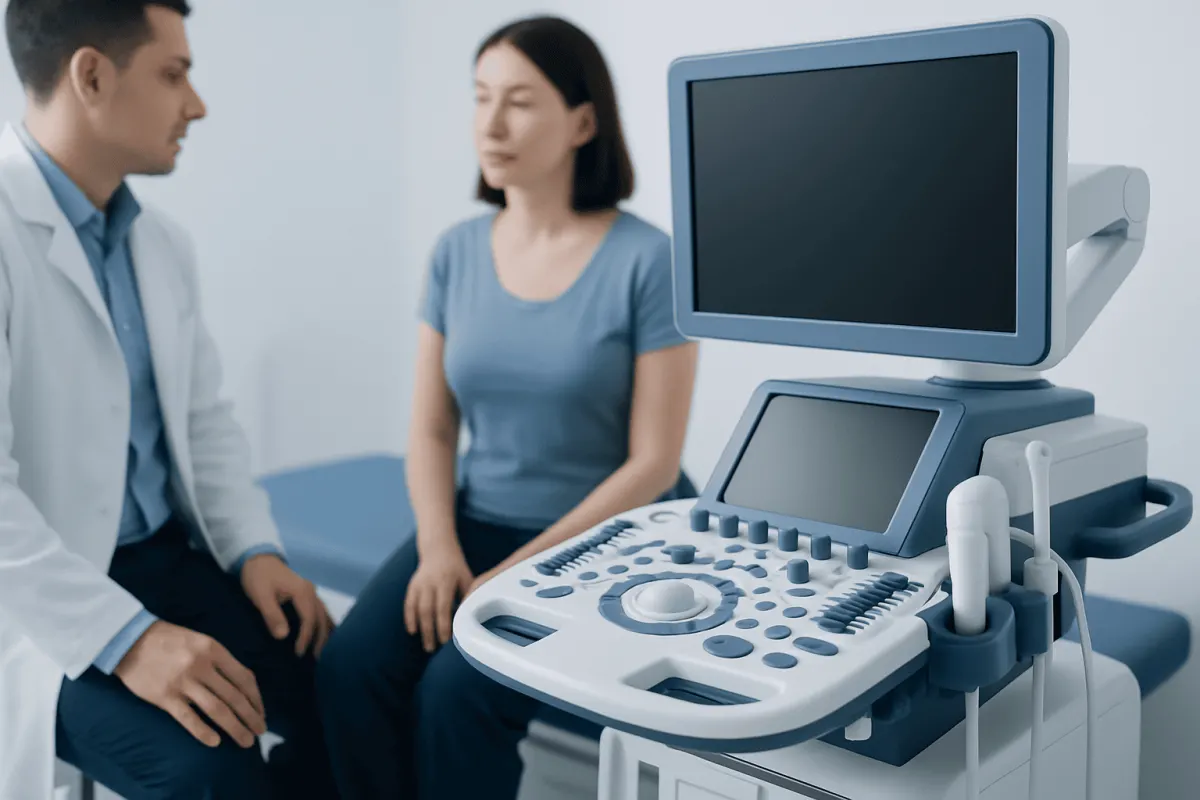
A person may be a candidate for breast reduction when large breasts cause persistent physical symptoms, interfere with daily life, or create significant discomfort, and they are healthy enough for surgery. A plastic surgeon considers symptoms, breast development, health history, weight stability, expectations, and future pregnancy or breastfeeding plans during an individual assessment.
Am I a Candidate for Breast Reduction?
Someone may be a candidate for breast reduction if breast size is causing ongoing physical discomfort, skin problems beneath the breasts, difficulty with movement, or a substantial impact on everyday wellbeing. Eligibility is not determined by cup size alone: a plastic surgeon reviews the person’s symptoms, breast anatomy, overall health, goals, and whether surgery can be performed safely.
Breast reduction, also called reduction mammoplasty, removes a planned amount of breast tissue, fat, and skin to create smaller, lighter, more proportionate breasts. It can be considered by adults of any gender and, in selected circumstances, by adolescents whose breast development is sufficiently stable and whose symptoms are significant.
This article explains candidacy and planning rather than replacing a surgical consultation. For a broader explanation of the operation, breast reduction treatment information can help patients prepare for an informed discussion with a specialist.
What Symptoms Can Make Breast Reduction Worth Considering?
Large, heavy breasts can place sustained strain on the neck, shoulders, upper back, and chest wall. Some people experience shoulder grooves from bra straps, headaches related to muscle tension, difficulty maintaining posture, or discomfort during walking, running, and other physical activity. These symptoms may persist despite supportive bras, exercise adjustments, physiotherapy, or over-the-counter pain relief.
Skin concerns are another common reason to seek assessment. Heat, sweat, and friction in the fold beneath the breasts may lead to recurrent rashes, itching, chafing, odor, or skin breakdown. A clinician should assess persistent or recurrent rashes, as they may need treatment before surgery and can occasionally have causes unrelated to breast size.
Breast size may also affect sleep, work, clothing choices, self-image, and participation in sports or social activities. These concerns are valid parts of a consultation. However, a surgeon will explore whether breast reduction is likely to address the person’s particular concerns and whether additional support, such as treatment for pain or skin conditions, is also needed.
- Persistent neck, shoulder, or upper-back discomfort
- Indentations or pain from bra straps
- Repeated skin irritation under the breasts
- Limits on exercise, work tasks, or comfortable movement
- Difficulty finding supportive, well-fitting clothing
- Emotional distress related to breast size or unwanted attention
Who Is Usually Eligible for Breast Reduction?

Suitable candidates are generally in stable overall health and understand both the potential benefits and the limitations of surgery. The surgeon considers medical conditions such as diabetes, high blood pressure, bleeding disorders, heart or lung disease, and autoimmune illness. These do not automatically rule out surgery, but they may require optimisation, additional testing, or coordinated care with other clinicians.
Weight stability is important because significant weight gain or loss after surgery can change breast size and shape. People do not need to meet one universal weight target to be assessed. Instead, the surgical team considers whether weight is reasonably stable, whether anaesthesia and wound-healing risks are manageable, and whether a planned weight-loss programme may change the expected result.
Smoking, vaping, and use of nicotine products can reduce blood flow and substantially increase wound-healing complications. Surgeons commonly require nicotine cessation before and after surgery and may use testing to support safety planning. It is important to disclose all tobacco, nicotine, cannabis, alcohol, supplements, and medicines honestly.
Breast reduction is often best planned after breast development has stabilised. Pregnancy and breastfeeding can change breast volume and shape, and surgery may reduce or prevent the ability to breastfeed. A person planning pregnancy is not necessarily ineligible, but timing, future plans, and the possibility of changes after pregnancy should be discussed carefully.
How the Assessment and Procedure Work
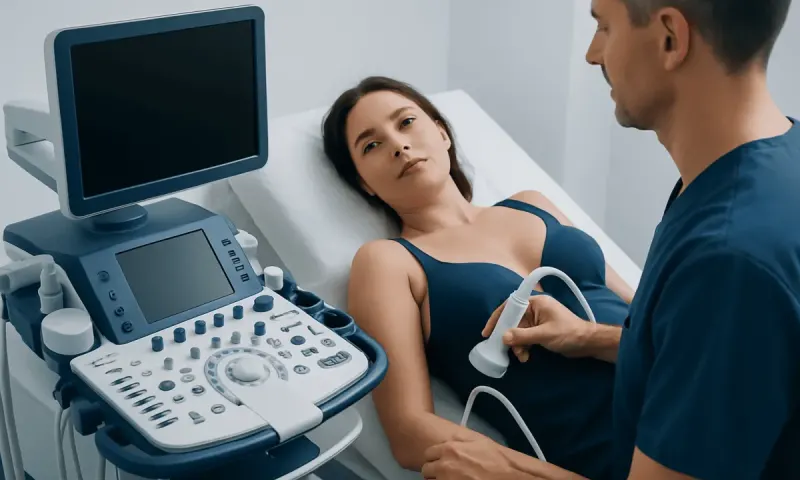
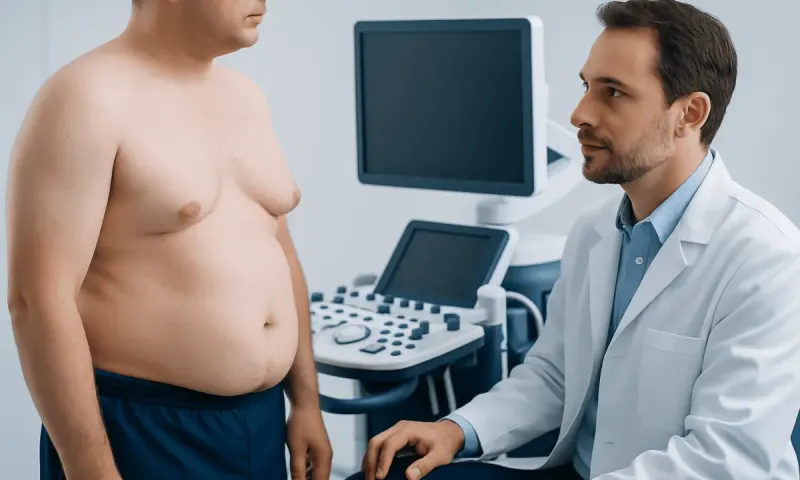
The first step is a detailed consultation and pre-assessment. The surgeon asks about symptoms, medical history, medications, allergies, previous breast surgery, family history of breast cancer, smoking or nicotine use, and pregnancy plans. They examine the breasts, assess skin quality and symmetry, and discuss the desired reduction while prioritising safe blood supply and a natural proportion for the individual body shape.
Depending on age, symptoms, and personal or family history, breast imaging may be recommended before surgery. This is not required for every patient, but it helps ensure that any concerning breast changes are investigated appropriately. The team may also request blood tests, review anaesthetic fitness, and provide instructions about medicines or supplements that may increase bleeding risk.
The operation is usually performed under general anaesthesia. The surgeon makes planned incisions, removes excess tissue, fat, and skin, reshapes the remaining breast tissue, and repositions the nipple-areola complex when needed. Liposuction may sometimes be used as an additional technique, but it does not replace tissue removal and reshaping when there is marked breast enlargement or skin excess.
The operation generally takes several hours, although exact timing varies with breast size, technique, and whether another procedure is being performed. Dressings and a supportive surgical bra are applied afterward. The surgeon may use drains in some cases, but this is not universal. A pre-assessment form and consultation can help identify whether an individual’s goals and medical circumstances are appropriate for surgery.
Benefits, Limits, and Possible Risks
For appropriately selected patients, breast reduction can reduce the physical load of heavy breasts and make daily movement, exercise, clothing fit, and posture more comfortable. Many people also value improved confidence and freedom in daily activities. Results are intended to be long-lasting, but breasts can still change with ageing, weight fluctuations, hormonal changes, and pregnancy.
All surgery carries risk. Possible short-term complications include bleeding, infection, delayed wound healing, fluid collection, reactions to anaesthesia, and pain. Breast-specific risks include uneven breast shape or nipple position, changes in nipple or breast sensation, areas of firm scar tissue, widened or raised scars, fat necrosis, and partial or complete loss of nipple or areola tissue in rare cases.
Scars are permanent, although they commonly fade over time. Their final appearance varies between individuals and is influenced by skin type, genetics, wound healing, and aftercare. The ability to breastfeed may be reduced, and the degree of change cannot be predicted with certainty before surgery. A surgeon should explain the incision pattern, likely scar placement, and individual risk factors before consent.
Breast reduction is not a treatment for every cause of back, neck, or shoulder pain. Musculoskeletal conditions may still need separate evaluation and care. Clear goals and realistic expectations are important: surgery can reduce breast volume and improve proportion, but it cannot guarantee symmetry, eliminate all discomfort, or prevent future breast changes.
Recovery Timeline and Self-Care
Recovery varies, but patients usually go home on the day of surgery or after a short period of observation, depending on the procedure and their health needs. During the first days, swelling, bruising, tightness, tiredness, and discomfort are expected. The care team provides instructions for pain control, dressings, showering, sleeping position, incision care, and follow-up appointments.
Gentle walking is encouraged early to support circulation, but lifting, stretching, driving while taking sedating medicines, and upper-body exertion are limited. Many people return to desk-based work or other light routines within about one to two weeks, depending on healing and the nature of their work. More physically demanding work may require longer leave.
A supportive surgical bra is usually worn as directed. Strenuous exercise, heavy lifting, swimming, and high-impact activity are commonly postponed for several weeks until the surgeon confirms that healing is progressing well. Swelling can take months to settle, so breast shape and scar appearance continue to evolve over time.
Patients should attend every follow-up visit and contact their surgical team if they have increasing pain, spreading redness, fever, drainage with an unpleasant odor, sudden swelling on one side, shortness of breath, chest pain, or other concerning symptoms. These signs do not always indicate a serious problem, but prompt assessment is important.
When to Seek Medical Care
A person should arrange a routine medical appointment if breast-related pain, shoulder grooves, repeated rashes, or activity limitations are ongoing or affecting quality of life. A primary care clinician or qualified plastic surgeon can assess symptoms, discuss non-surgical options where appropriate, and determine whether referral for breast reduction evaluation may be helpful.
New breast lumps, nipple discharge that is bloody or spontaneous, skin dimpling, persistent nipple changes, unexplained swelling, or a noticeable change in breast shape should be assessed promptly rather than assumed to be caused by large breasts. These symptoms often have benign explanations, but they require proper examination and, when indicated, imaging.
After surgery, urgent medical advice is appropriate for difficulty breathing, chest pain, fainting, severe or rapidly worsening swelling, uncontrolled bleeding, or signs of a serious allergic reaction. For less urgent wound concerns or questions about healing, patients should contact their surgeon’s team without waiting for the next scheduled review.
Acıbadem Health Point’s multidisciplinary specialists and JCI-accredited hospitals support international patients undergoing assessment and treatment for breast reduction, with care plans based on individual health needs and surgical suitability.
Frequently asked questions
01Is there a minimum breast size for breast reduction?
There is no universal cup size or fixed amount of tissue that determines eligibility. A surgeon considers symptoms, breast proportions, skin and tissue characteristics, and whether reducing the breasts is likely to provide a meaningful benefit safely.
02Can someone have breast reduction if they are overweight?
Body weight alone does not automatically exclude someone from breast reduction. However, the surgeon will assess anaesthetic safety, wound-healing risk, medical conditions, and whether weight is stable, as major weight changes can alter the surgical result.
03Can breast reduction be done before pregnancy?
It can be performed before pregnancy, particularly when symptoms are significant. However, pregnancy may change breast size and shape, and breast reduction may affect milk production or breastfeeding ability, so these plans should be discussed before surgery.
04How long does recovery from breast reduction take?
Initial recovery often takes a few weeks, while swelling and scar maturation continue for several months. Light activities may resume relatively soon, but strenuous exercise and heavy lifting are typically restricted until the surgeon confirms healing is adequate.
05Will breast reduction leave scars?
Yes. Breast reduction requires incisions, so permanent scars are expected. They usually fade and soften over time, but their final appearance varies and depends on the surgical technique, skin type, genetics, and wound healing.
06Can breast reduction relieve back and shoulder pain?
Reducing breast weight may relieve strain-related neck, shoulder, and upper-back discomfort for many patients. It may not resolve pain caused by other conditions, so persistent or complex pain should also be evaluated by an appropriate clinician.
This article is for general information only and is not a substitute for professional medical advice. Please consult a qualified doctor about your individual situation.
Joint and spine care in Turkey — expert assessment & treatment
JCI-accredited · board-certified surgeons · reply within 24h
Add us as a Preferred Source to see more of our trusted health content across Google Search, AI Overviews and Discover.