ALS Genetic Testing: When Motor Neuron Disease May Run in Families

ALS genetic testing may help clarify whether amyotrophic lateral sclerosis, a type of motor neuron disease, has an inherited cause in a person or family. Testing is most useful when it is paired with expert neurological assessment and genetic counseling before and after results.
Overview
Amyotrophic lateral sclerosis, or ALS, is a progressive neurological condition that affects motor neurons, the nerve cells that control voluntary muscles. It is one of the main forms of motor neuron disease. As motor neurons are damaged, people may develop weakness, muscle wasting, cramps, twitching, speech or swallowing changes, and eventually breathing difficulties. The pattern and speed of progression vary from person to person.
ALS genetic testing is a blood or saliva test that looks for inherited changes, called pathogenic variants, in genes associated with ALS. These variants can sometimes explain why ALS appears in more than one family member. Genetic results may also help doctors confirm the type of ALS, offer more accurate counseling to relatives, and consider whether a person may be eligible for gene-specific clinical trials or approved targeted therapies where available.
Most people with ALS do not have a known family history. These cases are often called sporadic ALS. However, about 5–10% of ALS cases are familial, meaning the condition has occurred in close relatives and may be inherited. Even in apparently sporadic ALS, genetic testing may occasionally identify a disease-related variant, so decisions about testing are best made with a neurologist and a genetics professional.
When ALS May Run in Families
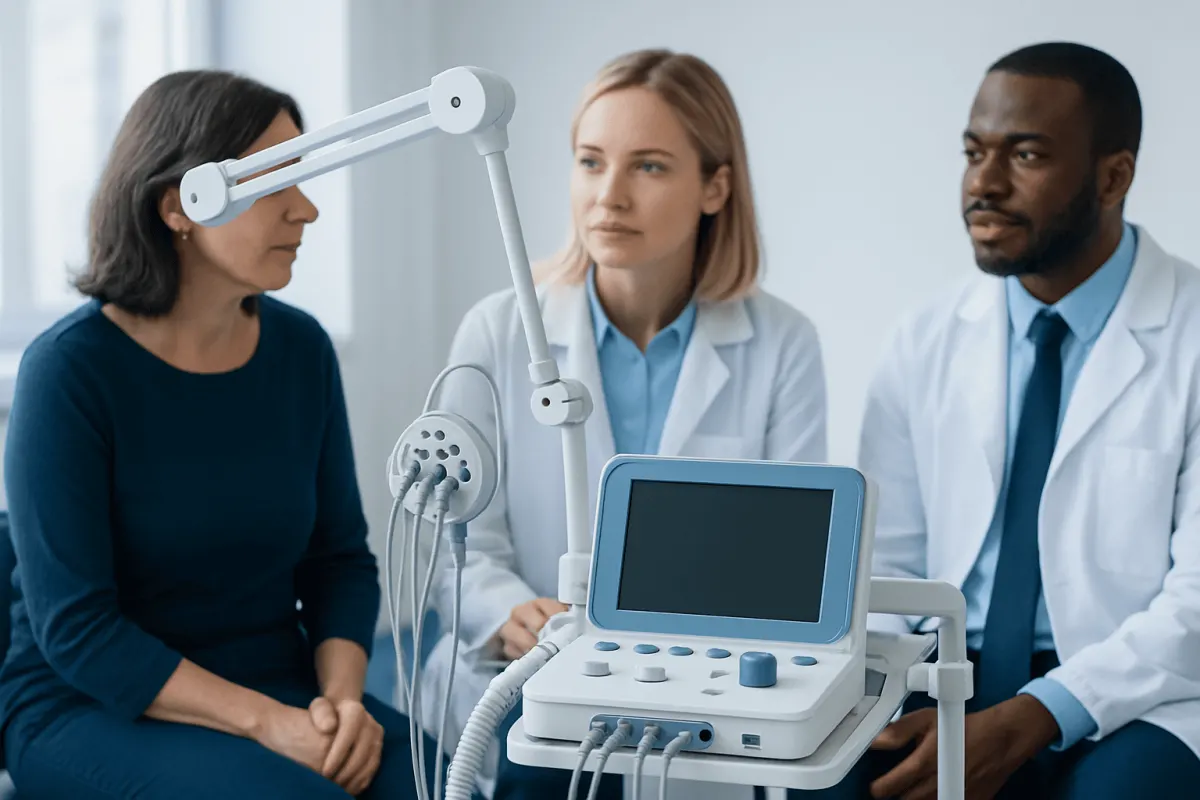
Familial ALS is suspected when more than one blood relative has ALS or a related motor neuron condition. It may also be considered when a person develops ALS at a younger age than usual, has a close relative with frontotemporal dementia, or comes from a family with a known ALS-related gene variant. The absence of family history does not fully exclude a genetic cause, because family size, early deaths, adoption, incomplete medical information, or reduced penetrance can hide inheritance patterns.
Reduced penetrance means that a person can carry a disease-related gene variant but never develop ALS during their lifetime. This is one reason genetic counseling is important: a positive result may indicate increased risk, but it does not always predict exactly whether, when, or how symptoms will appear. Some ALS-related genes are also linked to other neurological conditions, especially frontotemporal dementia, which can affect behavior, language, and decision-making.
Clues that may prompt discussion of ALS genetic testing include:
- Two or more relatives with ALS, motor neuron disease, or unexplained progressive weakness.
- A family history of frontotemporal dementia, especially with ALS symptoms.
- ALS diagnosed at a young age.
- A known ALS-associated variant in a relative.
- Interest in family planning or research participation after a confirmed ALS diagnosis.
Genes Commonly Linked to ALS

Several genes have been associated with ALS, and medical knowledge continues to develop. The most common genetic cause in many populations is an expansion in the C9orf72 gene. This variant can be associated with ALS, frontotemporal dementia, or features of both. Other important ALS-related genes include SOD1, TARDBP, and FUS. Many testing panels also include additional genes that are less common but clinically relevant.
Different genes can influence the age at symptom onset, the pattern of weakness, the speed of progression, and the chance that relatives may also carry the variant. However, genes do not tell the whole story. Environmental factors, aging, other genetic factors, and chance may all contribute. For this reason, genetic results should be interpreted in the context of a full neurological evaluation, family history, and the person’s symptoms.
Some variants are classified as pathogenic or likely pathogenic, meaning there is strong evidence they can cause disease. Others are called variants of uncertain significance. A variant of uncertain significance is not the same as a diagnosis and should not usually be used for predictive testing in relatives. Over time, laboratories may reclassify variants as new evidence becomes available, so follow-up with genetics specialists can be useful.
How ALS Genetic Testing Is Done
ALS genetic testing usually begins with a consultation. A neurologist reviews the person’s symptoms, examination findings, electromyography and nerve conduction results, imaging, and other tests used to exclude ALS mimics. Specialized neurophysiology testing may help support the diagnosis of motor neuron disease by evaluating electrical activity in muscles and nerves. Genetic testing is most informative when the clinical diagnosis is as clear as possible.
The test itself is typically performed on a blood sample or saliva sample. Many centers use a multigene panel that examines several ALS-related genes at the same time. Some tests require special methods to detect repeat expansions, such as C9orf72, because these may not be found by standard sequencing alone. The ordering clinician should confirm that the chosen test includes the genes and methods most appropriate for the person’s situation.
Pre-test genetic counseling helps the person understand what the test can and cannot answer. Topics may include possible results, implications for relatives, privacy considerations, emotional impact, and whether the person wants to know certain types of information. After results return, post-test counseling explains the findings in plain language and helps plan next steps. This approach supports informed decisions rather than rushed or uncertain interpretation.
Understanding Possible Results
A positive result means the laboratory found a pathogenic or likely pathogenic variant associated with ALS. For a person who already has ALS, this may confirm a genetic form of the disease and can guide counseling for close relatives. It may also influence eligibility for specific clinical trials or, in selected genetic subtypes, targeted treatments approved in some regions. A positive result does not predict every detail of the disease course.
A negative result means no reportable ALS-related variant was found in the genes tested. This can be reassuring, but it does not completely rule out inherited risk. The test may not include every possible gene, some variants may be difficult to detect, and some ALS-related genes may not yet be known. If the family history strongly suggests inherited ALS, relatives may still need individualized counseling even after a negative result.
A variant of uncertain significance can be especially confusing. It means a genetic change was found, but current evidence is not enough to say whether it causes ALS. In this situation, doctors generally avoid using the result to make major medical or family decisions. Sometimes testing other affected relatives, reviewing the family tree, or waiting for future reclassification can provide more clarity.
Testing Relatives and Family Planning
When a disease-causing ALS variant is found in an affected person, adult relatives may be offered predictive testing. Predictive testing checks whether a person who does not have symptoms carries the family’s known variant. This is a personal decision. Some people want information for planning, while others prefer not to know unless symptoms develop or treatments become more clearly preventive.
Genetic counseling is strongly recommended before predictive testing. Counselors discuss inheritance, possible emotional reactions, family communication, and practical issues such as life planning and local rules on genetic privacy or insurance. They also help clarify that a positive predictive result usually means increased risk, not certainty, because penetrance may be incomplete for some genes.
Families considering pregnancy may ask about reproductive options if a pathogenic ALS variant is known. Depending on local laws, values, and medical availability, options may include natural conception with or without testing, prenatal diagnosis, or in vitro fertilization with preimplantation genetic testing. These are sensitive decisions, and families benefit from non-directive counseling that respects personal, cultural, and ethical preferences.
Treatment, Care Planning, and Support
Genetic testing is not a stand-alone treatment, but it can support more personalized care. ALS care usually involves a multidisciplinary team, including neurology, respiratory medicine, nutrition, rehabilitation, speech and swallowing therapy, psychology, and palliative care. Management may include approved disease-modifying medicines where appropriate, symptom control, mobility support, nutritional planning, breathing assessment, and communication aids.
For people with a confirmed genetic subtype, doctors may discuss whether gene-specific therapies or clinical trials are relevant. The availability of these options depends on the gene involved, the person’s medical condition, regulatory approval, and trial criteria. Families should be cautious about unproven treatments and should discuss any supplements, experimental interventions, or overseas treatment claims with qualified clinicians.
ALS can affect emotional wellbeing as well as physical function. People and families may benefit from psychological support, social work guidance, advance care planning, and patient organizations. Some individuals with ALS or related neurodegenerative diseases also experience changes in thinking or behavior, and appropriate cognitive or behavioral assessment can help families plan care and communication.
When to See a Doctor
A person should seek medical evaluation if they develop persistent, unexplained muscle weakness, progressive difficulty walking, hand weakness, frequent falls, slurred speech, swallowing problems, or muscle twitching combined with weakness or wasting. These symptoms can have many causes, and many are not ALS. Early assessment helps identify treatable conditions and, when needed, connect the person with specialist care.
Anyone diagnosed with ALS should ask whether genetic counseling and testing are appropriate, especially if there is a family history of ALS, motor neuron disease, frontotemporal dementia, or early neurological decline. Relatives of a person with a known ALS-associated variant should not arrange predictive testing without counseling, because the meaning of results can be complex and personal.
Acıbadem Health Point’s multidisciplinary specialists and JCI-accredited hospitals diagnose and treat neuromuscular diseases for international patients, including people who need neurological evaluation, neurophysiology testing, and coordinated care planning. Patients and families can discuss whether genetic testing is suitable with a qualified neurologist or genetics professional.
Frequently asked questions
01Who should consider ALS genetic testing?
ALS genetic testing may be considered for people diagnosed with ALS, especially if there is a family history of ALS, motor neuron disease, or frontotemporal dementia. It may also be discussed in apparently sporadic ALS because some people without known family history still have a genetic variant. The decision should be made with a neurologist and genetic counselor.
02Does a positive ALS gene test mean relatives will definitely get ALS?
Not always. Some ALS-related variants have incomplete penetrance, meaning a person may carry the variant but never develop ALS. The level of risk depends on the specific gene, family history, and other factors, so relatives need individualized counseling.
03Can a negative genetic test rule out familial ALS?
A negative result lowers the chance that a known tested gene is responsible, but it does not completely rule out inherited risk. Not all ALS-related genes are known, and some variants may be difficult to detect. If family history is strong, a genetics specialist may recommend updated testing or periodic review.
04What is the most common genetic cause of ALS?
In many populations, an expansion in the C9orf72 gene is the most common known genetic cause of familial ALS. It can be associated with ALS, frontotemporal dementia, or both. Other important genes include SOD1, TARDBP, and FUS.
05Should healthy adult relatives be tested?
Healthy adult relatives may consider predictive testing only if a disease-causing variant has first been identified in an affected family member. Testing is a personal choice and should include genetic counseling before and after the test. Counseling helps explain emotional, medical, privacy, and family-planning implications.
06Can children be tested for an ALS gene variant?
Predictive testing for adult-onset conditions such as ALS is generally not recommended for children who have no symptoms. Most guidelines advise waiting until the person is an adult and can make an informed decision. Exceptions are uncommon and should be discussed with genetics and pediatric specialists.
07Does genetic testing change ALS treatment?
Sometimes it can. A confirmed genetic subtype may help determine whether a person is eligible for a gene-specific therapy or clinical trial, depending on the gene and local availability. Even when it does not change medication choices, testing can still support family counseling and care planning.
This article is for general information only and is not a substitute for professional medical advice. Please consult a qualified doctor about your individual situation.
Explore treatments in Turkey — costs, top hospitals & a free quote
JCI-accredited · board-certified surgeons · reply within 24h
Add us as a Preferred Source to see more of our trusted health content across Google Search, AI Overviews and Discover.