Aloe Vera for Radiotherapy Burns: Is It Safe?
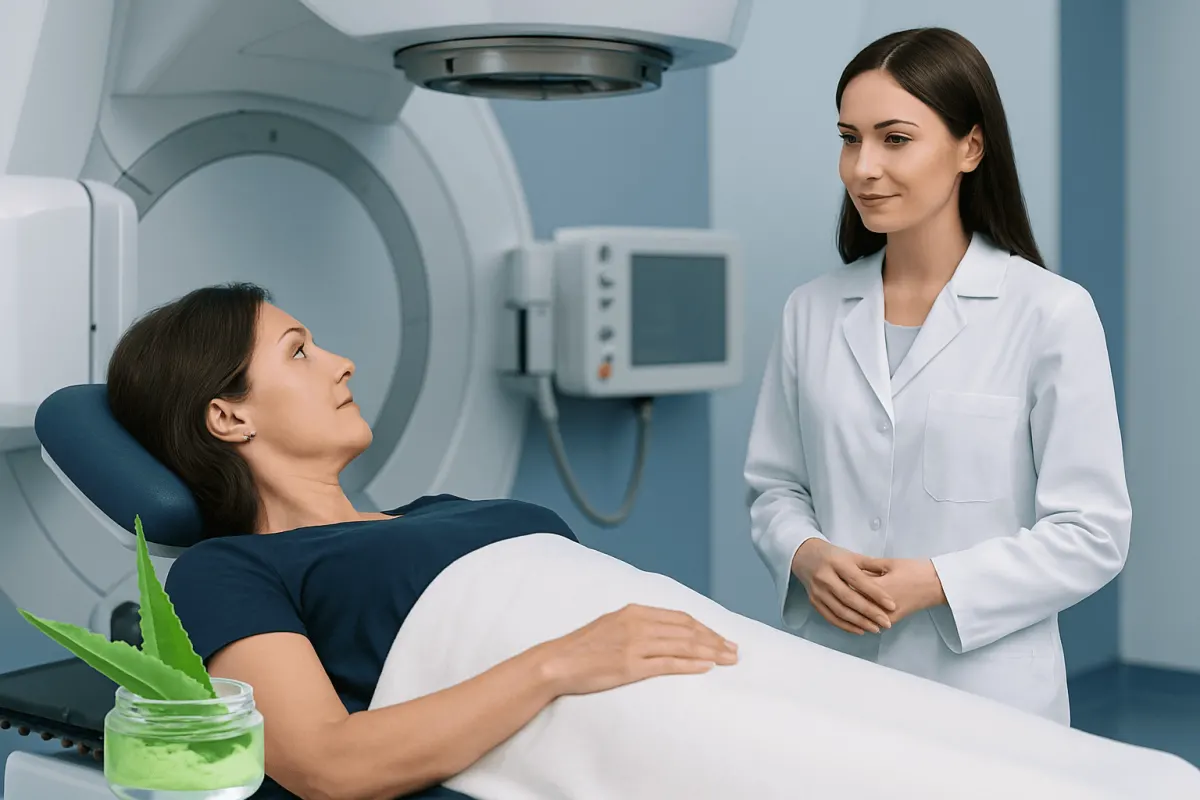
Aloe vera for radiotherapy burns may feel cooling and help moisturize intact, dry skin, but research does not clearly show that it prevents radiation skin reactions or makes them heal faster. The safest approach is to follow the radiotherapy team’s skin-care plan and ask before applying any gel, cream, or home remedy to the treatment area.
Aloe Vera for Radiotherapy Burns: What It Can and Cannot Do
Aloe vera for radiotherapy burns is sometimes considered because the gel can feel cool and moisturizing on dry or irritated skin. However, radiation-related skin changes are caused by treatment effects within the skin, and aloe vera has not been shown consistently to prevent these reactions or reliably speed their healing. It should be viewed as a possible comfort measure, not a substitute for medical skin care.
Radiotherapy can cause a reaction called radiation dermatitis. Depending on the treatment site, dose, skin type, and other individual factors, the skin may become pink or darker, warm, dry, itchy, tender, or prone to peeling. The reaction usually develops gradually after treatment begins and can continue to evolve for a short time after the final session.
Before using any aloe product, patients should ask their Oncology: How Treatment Is Planned and Delivered" class="ahp-ilk">radiation oncology team. Products vary widely: some contain alcohol, fragrance, preservatives, or plant extracts that can sting or trigger contact dermatitis. A clinician can advise whether a simple, approved moisturizer or a prescribed treatment is more appropriate for the individual skin reaction.
Is aloe vera gel good for radiation burns?
Aloe vera gel may be acceptable for mild dryness or discomfort when the skin is intact and the radiation team approves it. Its moisturizing and cooling feel can be pleasant, especially when it is a plain, fragrance-free product without alcohol. Yet clinical evidence does not clearly establish aloe vera as better than standard moisturizers for preventing or treating radiation dermatitis.
It is important not to assume that a product described as “natural” is automatically gentle. Commercial gels may contain ingredients that irritate sensitive skin, and fresh aloe from a plant may not be sterile. The treatment area can be particularly vulnerable during radiotherapy, so patients should use only products approved by their care team.
Aloe vera should generally not be applied to broken, moist, blistered, bleeding, or infected skin unless the oncology team specifically recommends it. These changes may require assessment and targeted dressings, creams, or other treatment. For broader information on treatment-related skin effects, patients can discuss radiation dermatitis with their oncology clinician.
What helps radiation burns heal faster?

There is no single product that makes every radiation skin reaction heal faster. Recovery is supported by protecting the skin barrier, minimizing further irritation, maintaining good nutrition and hydration, and promptly treating more significant reactions under clinical guidance. The radiation team may recommend a specific moisturizer, barrier product, topical medicine, dressing, or pain-relief plan based on the severity and location of the reaction.
Helpful measures often include washing gently with lukewarm water and mild soap, patting rather than rubbing the area dry, wearing soft loose clothing, and avoiding friction from tight garments, adhesive tapes, or scratching. Patients should also protect treated skin from direct sun exposure, including after radiotherapy has ended, because it may remain more sensitive for some time.
Unless the care team advises otherwise, it is sensible to avoid perfumes, deodorants, exfoliating products, heating pads, ice packs, and strongly scented lotions on the treatment field. Some departments ask patients not to apply creams immediately before a radiotherapy session; local instructions should take priority. Any new product, including aloe vera, should be checked with the radiographer, radiation nurse, or doctor first.
- Use an approved bland moisturizer on intact skin as directed.
- Keep follow-up appointments so the skin can be reviewed during treatment.
- Report pain, peeling, drainage, or worsening redness early.
- Avoid smoking, as it can impair wound healing and tissue oxygenation.
How long does it take for radiotherapy burns to heal?
Many mild radiotherapy skin reactions begin to settle within a few weeks after treatment ends. However, the skin can worsen temporarily in the first one to two weeks after the last session because radiation effects continue for a short period. The pace of recovery differs between individuals and depends on the treatment area, total treatment exposure, other medical conditions, and whether the skin has broken down.
Dryness, altered color, increased sensitivity, and mild tenderness may last longer than visible redness. Some people also develop longer-term changes, such as darker or lighter skin, firmness, tiny visible blood vessels, or altered texture in the treated area. These effects should be reviewed with the oncology team, particularly if they are new, troublesome, or progressing.
Skin that is open, weeping, painful, or infected can take longer to recover and needs professional care. The care team can assess whether the reaction is expected, identify contributing problems such as friction or infection, and recommend an individualized wound-care plan. Patients should not delay raising concerns out of worry that treatment may be interrupted; early support often improves comfort and safety.
Does aloe vera speed up burn healing?
For radiotherapy-related skin reactions, current evidence does not show clearly that aloe vera speeds healing. Studies of aloe products have used different formulations and treatment methods, making results difficult to compare. While aloe vera can be soothing for some people, it should not be relied on to repair radiation-damaged skin faster than the body’s normal healing process.
Ordinary heat burns and radiation skin reactions are not exactly the same. A heat burn happens through direct heat injury, whereas radiotherapy affects rapidly dividing skin cells and small blood vessels over time. This difference is one reason advice for kitchen or sun burns should not automatically be applied to skin receiving cancer treatment.
If aloe vera causes stinging, itching, new redness, rash, or increased discomfort, it should be washed off gently and stopped. The patient should tell the radiation team about the reaction. A clinician may suggest a simpler emollient or investigate whether there is allergic contact dermatitis, infection, or a more advanced radiation skin reaction.
Safe Skin Care During and After Radiotherapy
Skin-care advice should be individualized, but a gentle routine is usually preferred throughout radiotherapy and early recovery. Patients can ask their team to recommend suitable products before treatment begins, particularly if they have eczema, allergies, diabetes, reduced circulation, or a history of skin sensitivity. Keeping a note of every product used on the area can also help identify a possible irritant.
The treated area should be handled carefully. Shaving, waxing, swimming, or using adhesive dressings may be discouraged for some treatment sites or stages of skin reaction. Patients should also avoid exposing the area to very hot or cold temperatures and should not place hot-water bottles or ice directly on the skin. If itching is difficult to control, the care team can suggest safe options rather than relying on scratching.
Nutrition, sleep, and hydration support general recovery, although no specific food or supplement has been proven to prevent radiation dermatitis. People who have difficulty eating, are losing weight, or have diabetes should tell their oncology team, as these factors can affect healing. Acıbadem Health Point’s multidisciplinary specialists and JCI-accredited hospitals support international patients receiving cancer care, including assessment and management of treatment-related skin concerns.
When to Seek Medical Care
Patients should contact their radiotherapy team promptly if the skin becomes increasingly painful, develops blisters, peels extensively, becomes wet or weeping, or shows pus-like drainage. Fever, spreading redness, a bad odor, marked swelling, or feeling generally unwell may indicate infection or another problem that needs timely assessment.
Medical advice is also important when a rash spreads beyond the treatment field, symptoms interfere with sleep or daily activity, or an approved moisturizer causes burning or a new rash. People with diabetes, immune suppression, poor circulation, or a history of difficult wound healing should seek advice early if the skin changes.
Emergency care may be appropriate for signs of a severe allergic reaction, such as trouble breathing, facial or throat swelling, or widespread hives. For most radiotherapy skin reactions, however, the best first contact is the radiation oncology service, which can give site-specific guidance and arrange review when needed.
Frequently asked questions
01Can aloe vera be used during radiotherapy?
Some people may use a plain, fragrance-free aloe vera gel on intact skin if their radiation team approves it. Local radiotherapy departments may have different instructions about which products to use and when to apply them. Products should not be used on broken or weeping skin without clinical advice.
02Should aloe vera be applied before a radiation treatment session?
Patients should follow the instructions given by their own radiotherapy department. Some teams prefer the treatment area to be clean and free of creams immediately before a session, while others allow certain products. Asking the radiographer or radiation nurse is the safest approach.
03What is the best cream for radiotherapy burns?
There is no universal best cream because skin reactions vary in severity and location. A bland moisturizer may help intact dry skin, while more significant reactions may need prescribed topical treatment or special dressings. The radiation oncology team should recommend the most suitable option.
04Can radiation burns get worse after radiotherapy ends?
Yes. Skin reactions can continue to develop and may peak in the first one to two weeks after the final radiotherapy session. They commonly then improve gradually, but patients should report worsening pain, open skin, drainage, or signs of infection.
05Can I use fresh aloe from an aloe plant on radiation-treated skin?
Fresh aloe is not always recommended because it may not be sterile and may irritate sensitive skin. Commercial products can also contain additional ingredients that are not suitable for the treatment area. It is best to ask the radiation team before using either fresh or packaged aloe.
06Will radiotherapy leave a permanent mark on the skin?
Many short-term changes improve after treatment, but some people notice lasting color, texture, sensitivity, or firmness changes in the treated area. The likelihood depends on factors such as the body area treated and the treatment plan. New or changing skin effects should be discussed at follow-up appointments.
This article is for general information only and is not a substitute for professional medical advice. Please consult a qualified doctor about your individual situation.
Oncology care in Turkey — second opinion and treatment plan
JCI-accredited · board-certified surgeons · reply within 24h
Add us as a Preferred Source to see more of our trusted health content across Google Search, AI Overviews and Discover.