Agoraphobia: Symptoms, Causes and Treatment

Key Takeaways
- Mental agoraphobia usually involves fear of situations where leaving, getting help, or calming down may feel difficult.
- It often overlaps with panic attacks, panic disorder, and other anxiety conditions.
- Diagnosis is based on symptoms, patterns of avoidance, and how much daily life is affected.
- Treatment commonly includes psychotherapy, especially cognitive behavioral therapy, and sometimes medication.
- Gradual exposure, routine, and support from trusted people can make recovery more manageable.
Mental agoraphobia is commonly used to describe the fear and avoidance that can develop when a person worries about being unable to escape or get help in certain places. With the right diagnosis and treatment, many people regain confidence in everyday activities, travel, and social life.
Overview
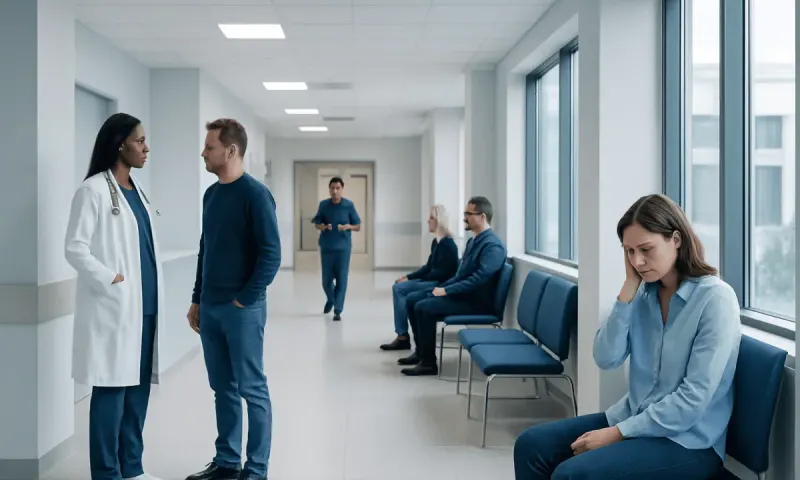
The term mental agoraphobia is often used by patients to describe a pattern of fear, tension, and avoidance linked to certain places or situations. In clinical practice, agoraphobia is understood as anxiety about being in environments where escape may feel difficult, help may not seem available, or symptoms might be hard to manage.
This can include crowded stores, public transportation, bridges, open spaces, elevators, or even leaving home alone. For some people, the worry starts after a panic attack; for others, it builds gradually and becomes part of daily decision-making. Over time, the problem is less about the location itself and more about the fear that something overwhelming could happen there.
Agoraphobia is treatable. Many people improve with the right combination of education, therapy, and, when needed, medication. A careful plan is especially helpful for international patients who may be arranging care while also managing travel, unfamiliar surroundings, and follow-up after returning home.
Symptoms
The experience of agoraphobia can vary widely from one person to another. Some people notice only mild discomfort in certain settings, while others begin avoiding many ordinary activities. The common thread is that the fear feels strongly linked to being unable to escape or get reassurance quickly.
Symptoms may include both emotional and physical changes. A person may feel intense dread before leaving home, worry about embarrassing symptoms in public, or become preoccupied with where the nearest exit is. The body can respond with racing heart, shortness of breath, dizziness, nausea, sweating, trembling, or a sense of unreality.
Behavior often changes as well. Someone may start using “safe” routes, traveling only with a trusted companion, sitting near exits, or avoiding places entirely. In more severe cases, the person may feel comfortable only at home, which can affect work, family responsibilities, medical appointments, and social relationships.
- Fear of crowded or enclosed places
- Avoiding travel alone
- Worry about panic symptoms happening in public
- Need for a companion to feel safe
- Reduced participation in work, school, or errands
Causes & Risk Factors
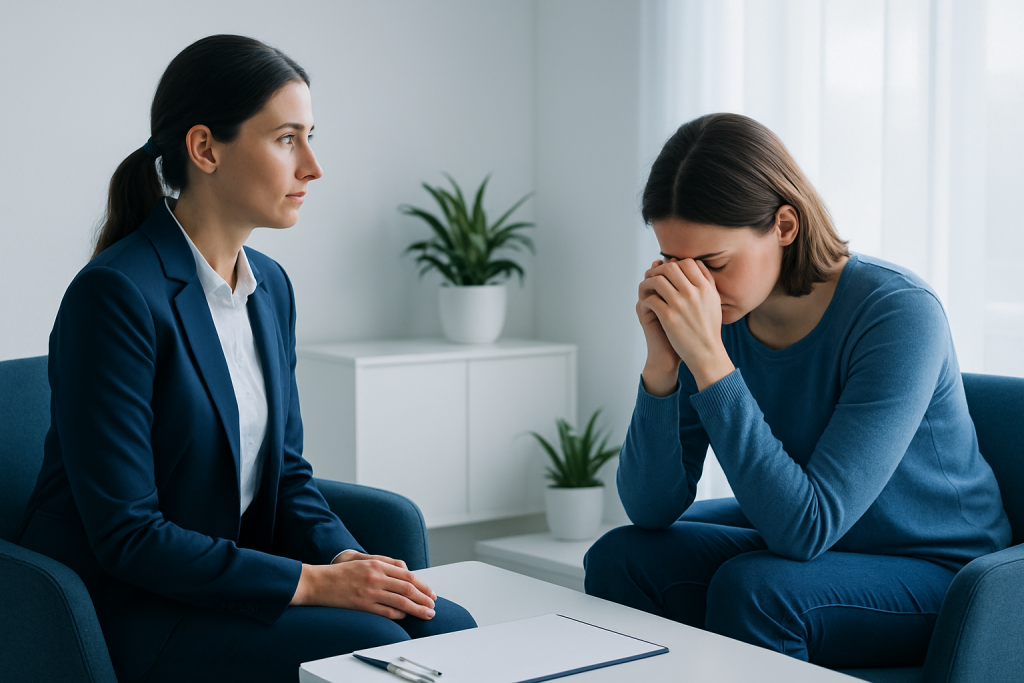
There is no single cause of agoraphobia. It usually develops through a combination of temperament, life experience, stress, and brain-body responses to fear. For many people, the condition starts after repeated panic attacks or a frightening event that makes certain situations feel unsafe.
Risk may be higher in people with a personal or family history of anxiety disorders, panic disorder, depression, or other mental health conditions. High stress, major life changes, loss, trauma, and prolonged health worries can also contribute. In some cases, avoiding a feared situation brings short-term relief but teaches the brain that the situation is dangerous, which can strengthen the pattern over time.
Agoraphobia is not a sign of weakness or lack of willpower. It reflects a real and distressing anxiety response that can become conditioned and self-reinforcing. Understanding that mechanism often helps patients feel less ashamed and more ready to seek treatment.
Diagnosis
Diagnosis begins with a detailed conversation about symptoms, triggers, avoidance patterns, and the effect on daily life. A clinician will usually ask when the symptoms started, whether panic attacks occur, and what places or situations have become difficult to face. The goal is to understand the full pattern, not to judge how “severe” it looks from the outside.
Because anxiety symptoms can overlap with medical problems, a doctor may also review physical health, medications, and any history of heart, breathing, thyroid, or neurological issues. This is not because agoraphobia is imagined; it is because safe care depends on ruling out other possible causes of similar sensations.
In some patients, especially those traveling for care, diagnosis may involve a multidisciplinary approach. Psychiatric assessment, primary care review, and when appropriate, basic medical testing can help build a clear treatment plan. A practical diagnosis also considers what support will be available after the patient returns home.
Treatment Options
Treatment is usually most effective when it addresses both the fear and the avoidance that keep it going. The first-line approach is often psychotherapy, especially cognitive behavioral therapy (CBT). CBT helps patients identify anxious predictions, test them in real-life steps, and gradually rebuild confidence in situations they have been avoiding.
Exposure-based therapy is often part of this process. Exposure is not about forcing someone into overwhelming situations; it is about creating small, planned steps that feel manageable and repeatable. Over time, the nervous system learns that the feared situation can be tolerated and that distress usually decreases without escape.
Medication may also be recommended, particularly if panic attacks, depression, or generalized anxiety are also present. A clinician may discuss antidepressants or other appropriate options depending on the person’s overall health and symptom profile. Medication decisions should always be individualized and monitored by a qualified doctor, especially when a patient is managing care across countries.
Other supportive approaches may include:
- Psychoeducation about the fear-avoidance cycle
- Breathing and grounding techniques for acute anxiety
- Treatment of coexisting panic disorder or depression
- Family education so loved ones respond helpfully rather than reinforcing avoidance
Prevention & Self-care
There is no guaranteed way to prevent agoraphobia, but early attention to anxiety symptoms can reduce the chance that avoidance becomes entrenched. When panic attacks or persistent fear begin interfering with routines, speaking with a clinician early can make treatment simpler and more effective.
Self-care is most useful when it supports, rather than replaces, professional treatment. Regular sleep, balanced meals, reduced caffeine or alcohol if they worsen anxiety, and steady physical activity can all help stabilize the body’s stress response. Many people also benefit from keeping a simple plan for anxiety spikes, such as slow breathing, naming five things they can see, or focusing on one immediate task at a time.
Practical routines can be especially helpful for patients who travel for medical care. Knowing what the appointment day will look like, arranging transport in advance, and planning follow-up before leaving can reduce uncertainty. It can also help to practice short outings before and after treatment so confidence grows in steps rather than all at once.
When to See a Doctor
A doctor or mental health professional should be consulted when fear or avoidance begins limiting daily life. Signs that care is needed include missing work, school, medical visits, or family events; avoiding public places; or feeling unable to leave home without distress. It is especially important to seek help if panic attacks are frequent or if symptoms are getting stronger over time.
Medical advice should also be sought if anxiety symptoms are accompanied by chest pain, fainting, severe shortness of breath, or other concerning physical changes, since these symptoms deserve proper evaluation. If low mood, hopelessness, or thoughts of self-harm are present, urgent professional support is needed right away.
For people considering treatment abroad, it can help to choose a center that offers clear communication, coordinated specialty input, and a plan for follow-up after travel. At Acibadem Health Point, multidisciplinary specialists and JCI-accredited hospitals diagnose and treat this condition for international patients with an emphasis on continuity of care.
Living With Recovery in Mind
Recovery from agoraphobia is usually gradual rather than dramatic. Progress may look like taking a short walk alone, riding in a car without needing repeated reassurance, or attending one appointment without leaving early. These changes matter because they show the brain that safety can be learned again.
Setbacks can happen, particularly during stressful periods, but they do not mean treatment has failed. Many patients do best when they treat recovery as a skill-building process: noticing triggers, using coping tools, and returning to planned exposure steps rather than avoiding them entirely. A good treatment team will help adjust the pace so it remains challenging but manageable.
With proper support, many people with agoraphobia regain a wider range of movement and choice in their lives. The aim is not perfect fearlessness; it is the ability to participate in ordinary life with greater ease, confidence, and flexibility.
Frequently asked questions
01Is agoraphobia the same as fear of open spaces?
Not exactly. While open spaces can be difficult for some people, agoraphobia more broadly involves fear of situations where escape may feel hard or help may not be available. Crowds, public transport, and being outside the home alone can all be triggering.
02Can agoraphobia happen after panic attacks?
Yes. For many people, agoraphobia develops after repeated panic attacks or a particularly frightening episode in public. The fear then becomes linked to places where another attack might seem possible.
03What kind of doctor diagnoses agoraphobia?
A psychiatrist, psychologist, or other qualified mental health professional can diagnose it, and a primary care doctor may also help with the initial assessment. In some cases, medical evaluation is included to rule out physical conditions that can mimic anxiety symptoms.
04Is medication always needed?
No. Some people improve with psychotherapy alone, especially CBT and exposure-based treatment. Medication may be useful when symptoms are more severe, panic attacks are frequent, or another condition is also present.
05Can someone recover if they have avoided going out for a long time?
Yes. Recovery is still possible even after long periods of avoidance, although it may take patience and a carefully paced plan. Small, repeated steps are often more effective than trying to change everything at once.
06How can family members help?
Family members can support recovery by encouraging treatment, avoiding criticism, and helping the person practice gradual steps instead of reinforcing avoidance. Calm reassurance is useful, but it works best when paired with the treatment plan rather than replacing it.
This article is for general information only and is not a substitute for professional medical advice. Please consult a qualified doctor about your individual situation.
Persistent digestive symptoms? Get evaluated in Turkey
JCI-accredited · board-certified surgeons · reply within 24h
Add us as a Preferred Source to see more of our trusted health content across Google Search, AI Overviews and Discover.