Ageing Marks on the Face: Treatment Options
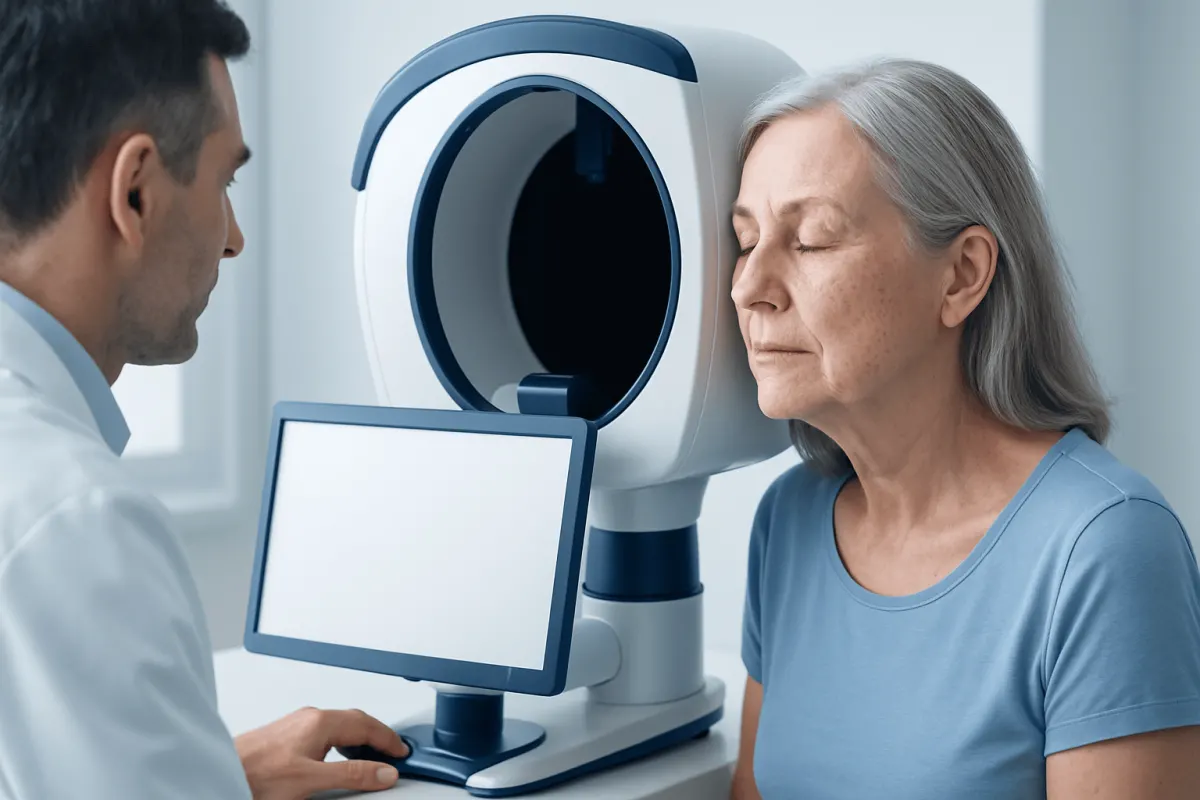
Ageing marks on face are commonly flat brown, tan or gray areas that develop after years of sun exposure and skin aging. Although many are harmless, a dermatologist should examine new, changing or irregular marks before cosmetic treatment is considered.
Overview: What Are Ageing Marks on Face?
Ageing marks on face usually describe areas of increased pigment that become more noticeable over time. They are often called age spots, sun spots, liver spots or solar lentigines. These flat marks may be tan, brown or dark brown and commonly appear on the cheeks, forehead, temples, nose and the backs of the hands.
They develop as pigment-producing skin cells respond to accumulated ultraviolet (UV) exposure. The aging process of face also changes skin texture, elasticity and tone, which can make uneven pigmentation more visible. Age spots themselves are generally benign and do not need treatment for health reasons.
However, not every dark mark is an age spot. Melasma, post-inflammatory hyperpigmentation, seborrheic keratoses, moles and skin cancers can have overlapping appearances. For this reason, a clinical assessment should come before treatment, especially if a mark is new, changing, raised, bleeding, itchy or unusually dark.
How Face Aging Marks Develop
Sunlight is the main contributor to common age spots. UVA rays can penetrate deeply into the skin and are associated with photoaging, while UVB rays are more strongly linked with sunburn. Both can contribute to pigment changes over time. Tanning beds also expose skin to damaging UV radiation and may accelerate photoaging.
Face aging marks are more likely to develop in adults with a history of frequent outdoor exposure, intermittent intense sun exposure, sunburns or limited sun protection. They can occur in all skin tones, although their appearance and the safest treatment choices may differ by skin type.
Other factors can influence uneven facial pigment. These include genetic tendency, hormonal changes, certain medicines that increase sun sensitivity, acne or skin injury, and inflammatory skin conditions. A dermatologist considers these factors because treating the wrong type of pigmentation can sometimes worsen discoloration.
- Common sites include the forehead, cheeks, temples, nose and upper lip area.
- Age spots are typically flat and well-defined rather than scaly, painful or bleeding.
- New pigment changes should not be assumed to be part of normal aging without assessment.
Assessment Before Cosmetic Removal

A dermatologist usually begins with a close visual examination, asking when the mark appeared, whether it has changed and whether there are symptoms such as itching, crusting or bleeding. Dermoscopy, a handheld magnifying device with light, may help the clinician assess pigment patterns that are not visible to the naked eye.
If a lesion has concerning features, the doctor may recommend a biopsy rather than cosmetic removal. A biopsy means taking a small sample of skin for laboratory examination. This is an important safety step because treatments that destroy or fade surface pigment do not provide a tissue diagnosis.
The consultation also helps identify the most suitable approach for the patient’s skin tone, pigment condition, medical history and expectations. People prone to darker marks after irritation, scarring or keloids may need a more cautious plan. Current or recent tanning, active infection, pregnancy-related pigmentation and use of certain medicines can also affect timing and treatment selection.
What Procedure Gets Rid of Age Spots on the Face?
There is no single best procedure for every age spot. After confirming that the marks are benign, a dermatologist may recommend treatment based on their depth, number, location, the person’s skin tone and how much downtime is acceptable. Some approaches lighten spots gradually, while others target individual lesions more directly.
Laser therapy and intense pulsed light (IPL) use carefully selected light energy to target excess pigment. They are often used for multiple sun-related spots and broader uneven tone. Temporary redness, darkening or crusting of treated areas can occur before the skin clears. In some skin tones, there is a greater risk of post-inflammatory lightening or darkening, so appropriate device settings and expert assessment are important.
Cryotherapy uses controlled freezing to treat selected spots. A chemical peel applies a chemical solution to promote renewal of superficial skin layers, which may improve pigment and texture. For isolated raised benign growths, a clinician may consider procedures such as curettage or electrosurgery when appropriate. These methods are not interchangeable and should not be used until a concerning lesion has been excluded.
Topical options may include prescription retinoids or pigment-reducing medicines, sometimes alongside procedures. They work gradually and can irritate the skin if not used as directed. Over-the-counter products may help mild uneven tone but are less likely to remove established spots completely. Home freezing products, strong acids and unregulated bleaching creams are not safe substitutes for professional care.
Do Dermatologists Recommend Removing Age Spots?
Dermatologists may recommend removing age spots when the diagnosis is clear and the spots are bothersome cosmetically. Removal is usually elective because uncomplicated solar lentigines are harmless. The first recommendation, however, is often examination and ongoing skin surveillance rather than immediate treatment.
When a mark is suspicious, changing or difficult to diagnose, the priority is medical evaluation and sometimes biopsy. Cosmetic destruction should not be used to hide a lesion that could need further assessment. A dermatologist can also explain whether the apparent spot is truly an age spot or another pigmentation condition that needs a different approach.
For many people, sun protection and topical skin care are enough. Others choose a procedure because the marks affect confidence or make the skin look uneven. A realistic plan recognizes that treatment may lighten existing marks, but it cannot stop new sun-related spots from developing without consistent UV protection.
Recovery, Results and Skin Care After Treatment
Recovery depends on the treatment used and how much skin is treated. Following laser or IPL, the skin may be red and mildly swollen, and targeted spots can temporarily look darker before they flake or fade. After cryotherapy, a treated area may blister or form a small crust. Chemical peels can cause redness, tightness and peeling for several days or longer, depending on peel depth.
Patients should follow their clinician’s aftercare plan closely. This commonly includes gentle cleansing, a bland moisturizer, avoiding picking or scrubbing, and pausing potentially irritating products such as exfoliating acids or retinoids until advised. Makeup, exercise and sun exposure restrictions vary by procedure and should be individualized.
Daily broad-spectrum sunscreen with SPF 30 or higher, along with shade, hats and protective clothing, is essential during healing and afterward. UV exposure can trigger further pigment changes and reduce the durability of cosmetic results. Results may take weeks to become clear, and more than one session may be needed for some procedures.
No treatment can reliably “take 10 years off” every face. Procedures may improve a specific concern such as sun spots, texture or fine lines, but visible aging is influenced by skin quality, facial volume, bone structure, lifestyle and genetics. A clinician can help set realistic, individualized expectations.
What Procedure Takes 10 Years Off Your Face?
There is no medically reliable procedure that can promise to make a person look exactly 10 years younger. A treatment that improves pigmentation may make the complexion appear clearer or more even, but it does not address every feature involved in facial aging, such as laxity, volume loss, wrinkles or changes in facial contours.
For a person whose main concern is sun-related facial pigmentation, a dermatologist may discuss laser or IPL treatment, chemical peels or prescription topical therapy. If concerns include lines, sagging or volume changes as well, the assessment may involve different treatment categories. The appropriate option depends on the individual’s anatomy, skin health, goals and tolerance for Neck Surgery Recovery Time?" class="ahp-ilk">recovery time.
A safe consultation focuses on improving defined concerns rather than promising a particular age-related transformation. It should include discussion of likely benefits, limitations, possible side effects, recovery and the importance of sun protection. Acıbadem Health Point’s multidisciplinary specialists and JCI-accredited hospitals can assess pigmentation and facial skin concerns for international patients.
How Much Does It Cost to Have Age Spots Removed From the Face?
The cost of removing age spots from the face varies considerably and should be discussed directly with the clinic providing care. It can depend on the diagnosis, number and size of spots, treatment method, area being treated, number of sessions, clinician expertise, local healthcare setting and whether laboratory testing is needed.
Some methods treat one or a few lesions, while others are designed for broader facial pigment changes. This means an estimate based only on the term “age spot removal” may not reflect the actual care plan. A consultation is useful for confirming the diagnosis and providing a personalized treatment recommendation and cost estimate.
Cosmetic removal of benign age spots is often not covered by health insurance, although coverage rules vary. If a lesion requires medical investigation because cancer or another condition is suspected, the care pathway may be different. Patients should ask what is included in an estimate, such as consultation, treatment sessions, follow-up appointments, topical products and pathology if required.
When to Seek Medical Care
A person should arrange a medical skin examination promptly for a new or changing dark mark. It is especially important to seek care if a spot grows, changes color or shape, has uneven borders, becomes raised, bleeds, forms a persistent crust, hurts or itches. These signs do not always mean cancer, but they warrant professional evaluation.
It is also sensible to see a dermatologist before attempting treatment for pigmentation that appeared during pregnancy, after a rash or acne flare, or after starting a new medicine. Identifying the cause can prevent ineffective treatment and reduce the risk of making the discoloration worse.
For prevention and self-care, daily broad-spectrum SPF 30 or higher sunscreen, shade during strong sun, a wide-brimmed hat and avoidance of tanning beds are practical measures. Regular self-checks can help a person notice changes, while periodic professional skin assessments may be appropriate for those with significant sun exposure or a history of skin cancer.
Frequently asked questions
01Are ageing marks on face the same as age spots?
The term ageing marks on face is broad and may include age spots, uneven pigment, melasma, moles and other skin changes. Age spots are usually flat tan-to-brown marks linked to cumulative sun exposure. A dermatologist can determine what type of mark is present.
02Can age spots on the face be removed permanently?
A treated age spot may clear or become much lighter, but new spots can develop with continued UV exposure. Some treated areas may also darken again over time. Consistent sun protection helps preserve results and reduce future pigment changes.
03Is laser treatment safe for age spots on the face?
Laser treatment can be a safe and effective option when performed by a qualified clinician after the lesion has been assessed. It can cause temporary redness, swelling, crusting or pigment changes. The suitability of laser treatment depends on skin tone, the cause of pigmentation and the type of device used.
04Can a dark facial spot be removed without a biopsy?
A benign-looking age spot may be treated without biopsy if the clinician is confident of the diagnosis after examination. If the spot is changing, irregular or otherwise concerning, a biopsy may be recommended first. Cosmetic treatment should not delay evaluation of a possible skin cancer.
05How long does facial age spot removal take to heal?
Healing varies by treatment. Mild redness after some light-based treatments may settle within days, while darkening and flaking of spots can take one to several weeks. Deeper chemical peels or more intensive treatments may require a longer recovery period.
06Can sunscreen fade existing age spots?
Sunscreen primarily prevents further UV-related skin damage and helps stop existing spots from becoming darker. It does not usually remove established age spots on its own. It is still an essential part of treatment and long-term maintenance.
This article is for general information only and is not a substitute for professional medical advice. Please consult a qualified doctor about your individual situation.
Explore treatments in Turkey — costs, top hospitals & a free quote
JCI-accredited · board-certified surgeons · reply within 24h
Add us as a Preferred Source to see more of our trusted health content across Google Search, AI Overviews and Discover.