After a Root Canal, Can You Smoke?
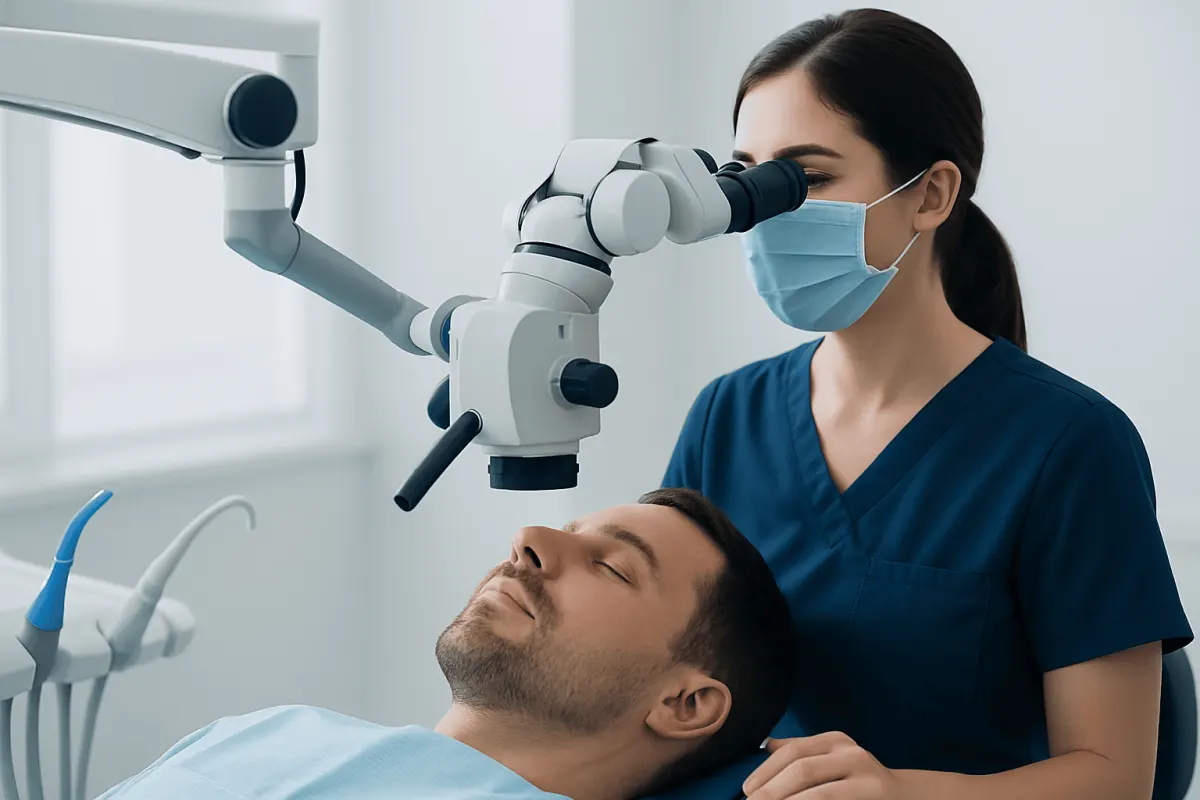
After root canal can you smoke? It is best not to smoke or vape for at least 24 to 72 hours, or longer if the dentist advises it, because nicotine, heat and suction can irritate tissues and interfere with healing. A root canal does not usually create the same dry-socket risk as a tooth extraction, but smoking can still increase complications and affect the long-term result.
After Root Canal Can You Smoke? The Short Answer
After root canal can you smoke? Dentists generally recommend avoiding smoking, vaping and other nicotine products for at least 24 to 72 hours after treatment. Waiting longer may be advised when there is significant gum inflammation, an abscess, a surgical procedure, a temporary restoration or other individual healing concerns.
Smoking does not usually cause dry socket after a routine root canal because no tooth socket is created. However, tobacco smoke and vape aerosol can expose the mouth to heat, chemicals and nicotine that may irritate healing tissues, reduce blood flow and make recovery less comfortable. The safest approach is to follow the treating dentist’s aftercare plan and use the recovery period as an opportunity to reduce or stop nicotine use.
A root canal is designed to remove infected or inflamed tissue from inside a tooth, relieve pain and preserve the natural tooth whenever possible. The tooth still needs timely restoration afterward, often with a permanent filling or crown, to help prevent fracture and reinfection.
How Root Canal Treatment Works and Who May Need It
Root canal treatment, also called endodontic treatment, is used when the soft tissue inside a tooth, known as the pulp, has become inflamed, infected or damaged. Deep decay, a cracked tooth, repeated dental procedures, trauma and severe gum-related infection can allow bacteria to reach the pulp. Without treatment, infection can spread beyond the root and damage surrounding bone and tissues.
A dentist or endodontist may recommend treatment for persistent toothache, pain when biting, prolonged sensitivity to heat or cold, gum swelling, a pimple-like bump on the gum, tooth discoloration or an abscess seen on an X-ray. Some teeth have little or no pain despite infection, so regular dental examinations remain important.
Not every painful tooth needs a root canal, and not every tooth can be saved. The dentist assesses the tooth’s structure, the extent of infection, gum and bone support, and whether a durable restoration can be placed. When appropriate, root canal treatment can help retain a natural tooth and restore normal chewing function.
What Happens During the Procedure?
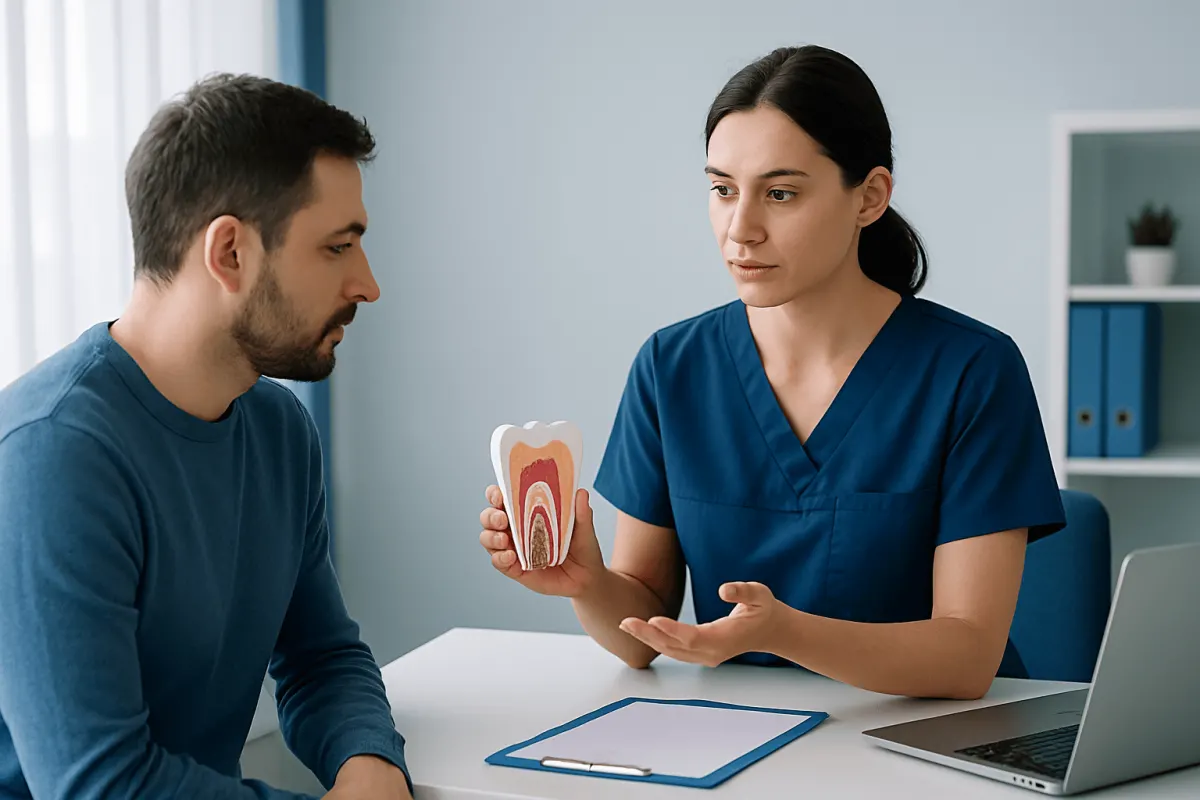
Before treatment, the dentist examines the tooth and takes dental X-rays or other images to evaluate the roots and surrounding bone. Local anesthetic is used to numb the area. Most people remain awake and should not feel pain during the procedure, although they may notice pressure or vibration.
The dentist makes a small opening in the tooth, removes the inflamed or infected pulp, and carefully cleans and shapes the narrow root canals. The canals are disinfected and then sealed with a biocompatible filling material. Depending on the tooth and the extent of infection, this may be completed in one visit or over two or more appointments with a temporary filling placed between visits.
After the canals are sealed, the dentist restores the access opening. Back teeth and teeth with substantial loss of structure often need a crown because they can be more likely to crack under biting pressure. Until the permanent restoration is completed, patients should avoid chewing hard foods on the treated side and attend all scheduled follow-up visits.
Recovery Timeline, Benefits and Possible Risks
It is common for the tooth and nearby gum to feel tender for several days after a root canal, particularly when there was infection before treatment. Mild discomfort with chewing may gradually improve as the tissues around the root settle. The dentist may recommend suitable over-the-counter pain relief when medically appropriate and may provide individualized instructions about eating, brushing and medication.
For the first day, patients can usually choose soft foods and avoid biting hard on the treated tooth. Brushing and flossing should continue gently, unless the dentist gives different advice. A temporary filling requires special care because it is not intended to withstand long-term chewing force; a lost or cracked temporary restoration should be reported to the dental office.
The main benefit of root canal treatment is that it can remove infection from inside the tooth while preserving the natural tooth. Risks can include persistent inflammation, reinfection, an undetected canal, instrument complications, tooth fracture or failure of the final restoration. These issues are uncommon but can require further endodontic treatment, surgery or, in some cases, extraction.
- First 24 hours: numbness wears off; avoid hot foods or chewing until normal sensation returns.
- Days 1 to 3: mild tenderness is often most noticeable; smoking and vaping should be avoided.
- Within 1 to 2 weeks: symptoms should be improving; permanent restoration may be arranged if not already completed.
- Long term: good oral hygiene and regular dental visits help protect the restored tooth.
Smoking and Vaping After a Root Canal: Common Questions
What happens if I smoke after my root canal? Smoking soon after treatment may irritate the gums and tissues around the treated tooth. Nicotine can constrict blood vessels and reduce blood supply, while smoke can dry and inflame oral tissues. This may contribute to slower healing, more discomfort and a less favorable environment for recovery, especially if an infection or gum swelling was present.
Can I still smoke and not get dry socket? Dry socket occurs when a blood clot is lost from an extraction socket, so it is primarily associated with having a tooth removed rather than having a routine root canal. Therefore, a root canal itself does not usually create a dry-socket risk. Still, smoking after a root canal is not considered risk-free, and if a tooth is extracted before or after treatment, avoiding smoking becomes especially important.
Can a dentist tell if you smoked? A dentist may notice tobacco-related signs such as odor, staining, dry mouth, gum irritation or delayed healing, but cannot always determine exactly when someone smoked. Honest communication helps the dental team give safer, more appropriate aftercare. Patients should tell their dentist about cigarettes, cigars, vaping, smokeless tobacco and nicotine replacement products.
Can I hit my vape after a root canal? Vaping is not a safer choice for immediate root canal recovery. Vape aerosol may contain nicotine and other irritants, and the inhalation process can dry the mouth or aggravate sensitive tissues. It is best to avoid vaping for the same 24- to 72-hour period, or for the exact duration the dentist recommends.
Practical Self-Care and Prevention
After treatment, patients should take prescribed medicines exactly as directed and should not stop an antibiotic early without discussing it with the prescribing clinician. Antibiotics are not needed for every root canal; when used, they are generally reserved for specific signs of spreading infection or systemic illness. They do not replace dental treatment to clean the infected tooth.
Choose softer foods until chewing feels comfortable and avoid very hard, sticky or crunchy foods if a temporary filling is present. Keep the mouth clean with regular brushing using a soft toothbrush and careful flossing. If the dentist recommends a rinse, use it as directed; avoid harsh or unapproved home remedies that could burn or irritate oral tissues.
Preventing future pulp damage includes brushing twice daily with fluoride toothpaste, cleaning between teeth, limiting frequent sugary snacks and drinks, using a mouthguard for contact sports, and addressing grinding or clenching. Routine examinations allow dentists to detect decay, cracks and failing fillings before they reach the tooth pulp.
People who would like to stop smoking can ask a doctor, dentist or pharmacist about evidence-based cessation support. Quitting tobacco benefits oral health as well as heart, lung and overall health, and even a short period without smoking can support recovery after dental care.
When to Seek Medical Care
Patients should contact their dentist promptly if pain becomes severe or worsens after initially improving, if facial or gum swelling develops or increases, or if there is fever, a persistent bad taste, drainage, rash or difficulty tolerating prescribed medication. A temporary filling that falls out, a chipped tooth or a sudden change in the bite should also be assessed without delay.
Urgent medical care is needed for trouble breathing or swallowing, rapidly spreading swelling of the face or neck, confusion, severe weakness or other signs of a serious infection. These symptoms are uncommon but should not be managed at home.
For patients seeking coordinated dental evaluation, Acıbadem Health Point’s multidisciplinary specialists and JCI-accredited hospitals can assess dental infection and provide appropriate treatment planning for international patients. Follow-up with the treating dental team remains essential to confirm healing and complete the permanent restoration.
Frequently asked questions
01How long should someone wait to smoke after a root canal?
A common recommendation is to avoid smoking for at least 24 to 72 hours after a routine root canal. The appropriate interval can be longer if there is swelling, infection, gum surgery, a temporary restoration or another dental procedure. The treating dentist’s instructions should take priority.
02Is smoking worse after a root canal or a tooth extraction?
Smoking is especially concerning after a tooth extraction because it can increase the chance of dry socket and delay socket healing. A root canal does not normally leave an extraction socket, but smoking can still irritate tissues and interfere with recovery. Avoiding nicotine is advisable after either procedure.
03Can nicotine gum or patches be used after a root canal?
Nicotine replacement products do not expose the mouth to smoke or vape aerosol, but nicotine itself can affect blood flow. A patient should ask the dentist or healthcare professional which cessation aid is suitable, particularly if there is oral surgery, significant gum healing or a relevant medical condition. Prescription and non-prescription cessation options may be available.
04What should be avoided after root canal treatment?
Until numbness has worn off, patients should avoid chewing to prevent accidental injury to the cheek, tongue or lip. They should also avoid hard or sticky foods on a tooth with a temporary filling and avoid smoking or vaping during early healing. A permanent crown or filling should be completed as advised.
05Why does my tooth hurt when I bite after a root canal?
Mild tenderness when biting can occur for several days because tissues around the root may remain inflamed after treatment. It should gradually improve rather than become more severe. Persistent or worsening pain, swelling or a bite that feels uneven should be reviewed by the dentist.
06Can a root canal fail because of smoking?
Smoking alone does not guarantee that a root canal will fail, and many factors affect long-term outcomes. However, tobacco use may impair oral tissue healing and is associated with poorer gum and bone health, which can complicate dental recovery. Avoiding tobacco and attending follow-up appointments support the best possible healing environment.
This article is for general information only and is not a substitute for professional medical advice. Please consult a qualified doctor about your individual situation.
Joint and spine care in Turkey — expert assessment & treatment
JCI-accredited · board-certified surgeons · reply within 24h
Add us as a Preferred Source to see more of our trusted health content across Google Search, AI Overviews and Discover.