Aesthetic Genital Surgery: Who May Benefit for Comfort, Symmetry, or Shape?

Aesthetic genital surgery refers to procedures that reshape or adjust intimate tissues to improve comfort, symmetry, or appearance. For carefully selected patients, it may help with irritation during clothing, exercise, or intimacy while also addressing personal aesthetic concerns.
Overview
Aesthetic genital surgery describes a group of procedures that reshape the external genital area, most commonly the labia minora or labia majora. People seek these procedures for different reasons. Some want relief from rubbing, pinching, or irritation during exercise, cycling, intercourse, or when wearing fitted clothing. Others are mainly concerned about symmetry or the way the area looks.
The most frequently discussed procedure is labiaplasty, which reduces or reshapes the inner labia. Depending on the person’s anatomy and goals, surgery may also focus on the outer labia, excess skin, volume loss, or changes related to childbirth, weight fluctuations, or aging. In some cases, a surgeon may recommend a broader plan that includes aesthetic genital surgery as part of individualized care.
There is no single “normal” appearance for the external genital area. Natural variation in size, color, shape, and symmetry is common. Because of this, surgery is not medically necessary for most people. It is usually considered when symptoms affect comfort or when a person has a persistent concern about shape or asymmetry after thoughtful discussion and evaluation.
Who May Benefit
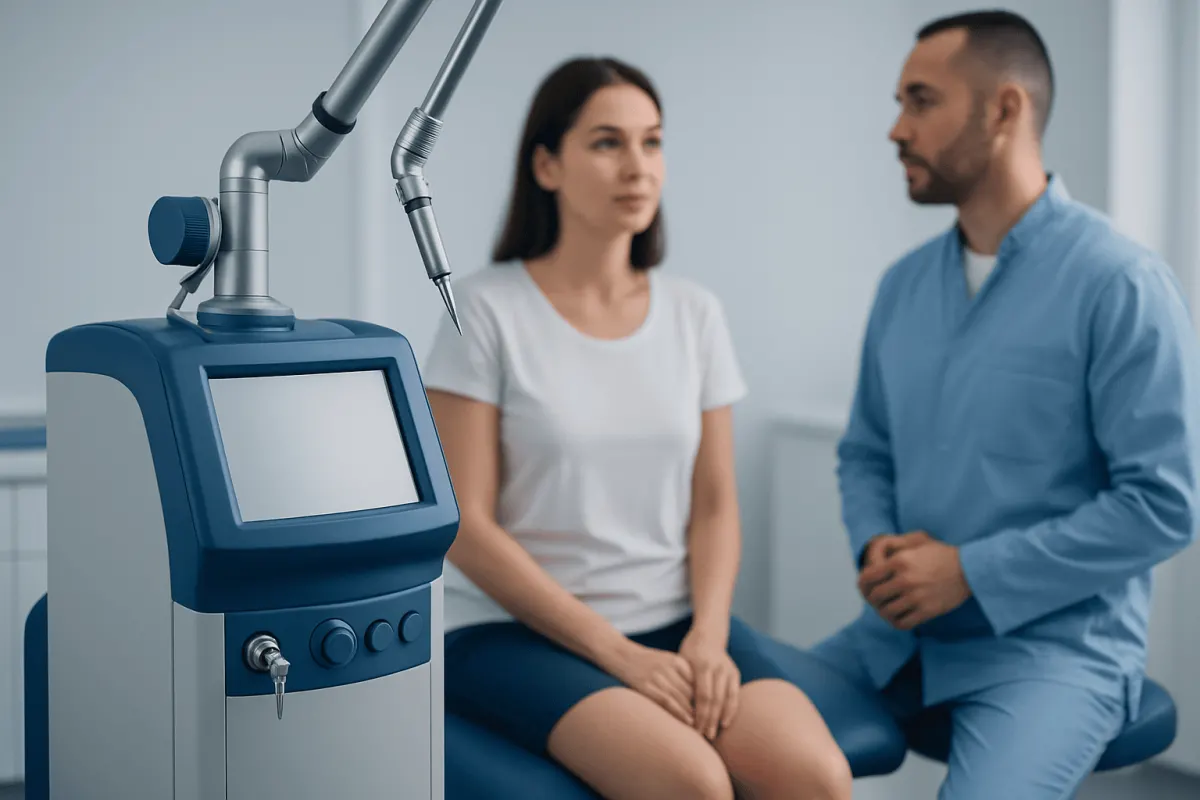
People who may benefit are those whose anatomy causes ongoing physical discomfort or who have a stable, well-considered concern about appearance. For example, enlarged or prominent labial tissue may twist, pull, or rub during movement. This can make exercise uncomfortable and may lead to repeated irritation in hot weather or with tight underwear and sportswear.
Others may notice changes after pregnancy, childbirth, menopause, or significant weight change. Tissue can become stretched, less symmetric, or deflated over time. For some, these changes affect self-confidence, body image, or sexual comfort. A procedure may be considered if the concern is consistent over time and not due to temporary swelling, infection, or another treatable problem.
Suitable candidates are generally in good health, do not smoke or are willing to stop, and have realistic expectations. They understand that the goal is improvement rather than perfection. Surgeons also look for emotional readiness and make sure the patient is making the decision for personal reasons, not because of pressure from a partner, social media, or unrealistic beauty standards.
Adolescents require special caution. Because the genital area continues developing through puberty and because normal variation is wide, surgery is usually postponed unless there is a clear functional problem. A qualified specialist can explain whether reassurance, non-surgical measures, or delayed treatment is the safer option.
Common Concerns and Symptoms
Many people asking about aesthetic genital surgery describe physical symptoms first. These can include chafing, repeated irritation, pulling during movement, pain with certain activities, or difficulty finding comfortable clothing. Long periods of sitting, cycling, horseback riding, running, or sexual activity may worsen symptoms in some individuals.
Appearance-related concerns are also common. A person may feel that one side is noticeably different from the other, that the inner labia protrude more than expected, or that the outer tissues appear deflated or loose. These concerns can lead to self-consciousness in intimate situations or when wearing swimwear and fitted clothing.
Symptoms should not automatically be assumed to come from anatomy alone. Similar complaints can happen with skin irritation, infection, hormonal changes, scarring, or other gynecologic conditions. In patients with significant scar formation elsewhere on the body, surgeons may also discuss wound-healing patterns such as keloid scars when reviewing procedural risks and expectations.
- Chafing or friction during walking, sports, or intercourse
- Discomfort in leggings, swimsuits, or tight underwear
- Noticeable asymmetry or prominent tissue
- Tissue stretching or volume loss after childbirth or aging
- Reduced confidence related to intimate appearance
Causes and Contributing Factors
The shape and size of the external genital tissues are influenced by genetics, hormones, age, and life events. Some people naturally have larger or more visible labia, and this alone can still be completely healthy. Asymmetry is also very common throughout the body and does not necessarily signal a problem.
Childbirth may stretch tissues, while aging and menopause can reduce skin elasticity and volume. Weight changes may alter the appearance of soft tissue, and previous surgery or trauma can sometimes affect contour or symmetry. Although aesthetic genital surgery is different from reconstruction after injury, plastic surgeons may apply similar principles of tissue preservation and scar minimization used in other reconstructive settings such as burns recovery.
Sometimes the concern is less about anatomy and more about irritation from lifestyle factors. Tight clothing, shaving, skin sensitivity, recurrent friction, or certain sports can make normal tissue feel uncomfortable. Because of this, surgeons usually review non-surgical measures before recommending an operation.
Psychological factors also matter. Body image concerns may be shaped by comparison with edited images online or by misunderstanding what normal variation looks like. A responsible consultation includes education about normal anatomy, discussion of motivations, and support in deciding whether surgery is truly the best path.
Consultation and Diagnosis
Evaluation begins with a detailed conversation about symptoms, goals, medical history, prior childbirth or surgery, and any skin or gynecologic issues. The surgeon asks when discomfort occurs, what activities trigger it, and whether non-surgical steps have been tried. This helps separate cosmetic concerns from problems such as dermatitis, infection, cysts, pelvic floor symptoms, or hormonal tissue changes.
A physical examination is important to assess anatomy, skin quality, symmetry, and the relationship between appearance and symptoms. Photographs may be taken for planning, but only with consent. In some cases, the surgeon may advise a gynecologic examination or treatment first if there are signs of a medical condition.
During the consultation, the surgeon explains what surgery can and cannot achieve. This is also the time to review scarring, possible changes in sensation, healing time, and the fact that small asymmetries can remain. Some patients benefit from seeing how aesthetic planning is used across body procedures, whether for aesthetic breast surgery or intimate surgery, but the anatomy and recovery considerations are distinct.
Good diagnosis in this setting is not just about identifying tissue to remove or reshape. It also means confirming that the patient’s expectations are realistic, that the timing is appropriate, and that the benefits are likely to outweigh the risks for that individual.
Treatment Options
Treatment depends on the person’s anatomy and goals. The best-known option is labiaplasty, which reduces or reshapes the labia minora while aiming to preserve a natural contour. In some individuals, surgery may instead focus on the labia majora to address excess tissue, laxity, or volume loss. A surgeon may also combine tissue reshaping with methods used in other contouring procedures when appropriate, though techniques should always be adapted carefully to the intimate area.
Not every concern needs surgery. If symptoms are mild, doctors may suggest changing clothing choices, reducing friction during sports, treating skin irritation, using lubricants, or managing menopausal tissue changes. These steps can help some patients avoid an operation entirely.
When surgery is chosen, the plan should be individualized. The surgeon considers tissue thickness, pigmentation, asymmetry, and whether the concern is mainly protrusion, looseness, or loss of fullness. For selected patients, related body-contouring concepts may be discussed, similar to how volume and shape are assessed in body contouring procedures, although the intimate area requires its own specialized approach.
Risks can include bleeding, infection, delayed healing, visible scarring, discomfort, asymmetry, under-correction, over-correction, and changes in sensitivity. Most complications are uncommon when surgery is performed by an experienced specialist, but no procedure is risk-free. Patients should feel comfortable asking how the operation is done, what recovery will be like, and what results are realistic in their own case.
Recovery, Prevention, and Self-care
Recovery usually involves swelling, bruising, and tenderness for the first days to weeks. Most patients are advised to rest, keep the area clean and dry, wear loose clothing, and avoid friction. Ice packs may be recommended for short periods, and the surgeon provides guidance on bathing, hygiene, and follow-up visits.
Activity restrictions are important. Exercise, cycling, swimming, sexual intercourse, and anything that puts pressure on the area are usually limited for a period recommended by the surgeon. Returning too quickly to these activities can increase swelling, disrupt healing, and affect the final result.
There is no guaranteed way to prevent all future changes because tissues continue to age and may respond to hormones, childbirth, or weight changes. However, gentle skin care, managing friction, avoiding smoking, and maintaining stable overall health can support healing and longer-lasting comfort. For those considering broader body contouring after pregnancy or weight change, specialists may sometimes discuss related options such as body contouring surgery only if they are relevant to the person’s wider goals.
People should follow all aftercare instructions carefully and contact the surgical team if they notice increasing pain, spreading redness, fever, unusual discharge, or bleeding. Acıbadem Health Point’s multidisciplinary specialists in JCI-accredited hospitals diagnose and treat this condition for international patients, with individualized evaluation and follow-up planning.
When to See a Doctor
A medical evaluation is reasonable when genital tissue causes repeated discomfort, irritation, pain during activity, hygiene difficulties, or ongoing distress about asymmetry or shape. It is also a good idea to seek advice if there is a new lump, ulcer, sudden swelling, discharge, itching, or a skin change, because these symptoms may point to a condition unrelated to appearance.
People should also see a doctor before deciding on surgery if they have recently given birth, are going through menopause, have recurrent infections, or are unsure whether their concern is normal variation. A gynecologist or plastic surgeon with experience in intimate procedures can help clarify the cause and explain whether non-surgical care, watchful waiting, or surgery is most appropriate.
Urgent care is important if severe pain, heavy bleeding, fever, or signs of infection develop after a procedure. Prompt assessment can protect healing and reduce the chance of more serious complications. A calm, informed discussion with a qualified doctor is the safest way to decide whether aesthetic genital surgery is likely to provide meaningful benefit.
Frequently asked questions
01What is aesthetic genital surgery?
Aesthetic genital surgery is a group of procedures that reshape the external genital tissues to improve comfort, symmetry, or appearance. The most common example is labiaplasty, which adjusts the size or contour of the inner labia.
02Who is a good candidate for labiaplasty or similar procedures?
Good candidates are generally healthy adults with persistent discomfort or a stable concern about shape or asymmetry. They should have realistic expectations and understand both the possible benefits and the risks of surgery.
03Is it normal for the labia to be uneven or prominent?
Yes. There is wide natural variation in genital anatomy, and asymmetry is very common. Prominent or uneven labia are not automatically abnormal or unhealthy.
04Can aesthetic genital surgery improve physical discomfort?
It can help some people, especially when excess or prominent tissue causes rubbing, pinching, or discomfort during exercise, clothing wear, or intercourse. However, similar symptoms can also come from skin or gynecologic conditions, so proper evaluation is important.
05How long does recovery usually take?
Initial swelling and tenderness are common for the first days to weeks, while more complete healing takes longer. Most patients need to avoid exercise, friction, and sexual activity for a period recommended by their surgeon.
06Will surgery affect sensation?
Most patients heal without major long-term sensory problems, but temporary numbness or sensitivity changes can happen. Because nerve-rich tissues are involved, technique and surgeon experience are important topics to discuss before treatment.
07Are there non-surgical alternatives?
Yes, depending on the concern. Non-surgical options may include treating skin irritation, reducing friction, using different clothing, managing hormonal tissue changes, or simply choosing reassurance and observation when anatomy is within the normal range.
This article is for general information only and is not a substitute for professional medical advice. Please consult a qualified doctor about your individual situation.
Explore treatments in Turkey — costs, top hospitals & a free quote
JCI-accredited · board-certified surgeons · reply within 24h
Add us as a Preferred Source to see more of our trusted health content across Google Search, AI Overviews and Discover.