Adnexa: Anatomy and Common Conditions

Key Takeaways
- Adnexa includes the ovaries, fallopian tubes, and nearby supporting tissues.
- Adnexal conditions may cause pelvic pain, bloating, irregular bleeding, or no symptoms at all.
- Ultrasound is often the first test used to evaluate an adnexal problem.
- Many adnexal findings are benign, but some need timely treatment or follow-up.
- Anyone with sudden severe pelvic pain, fever, or fainting should seek urgent medical care.
Adnexa refers to the structures beside the uterus, including the ovaries and fallopian tubes. Problems in this area can cause pain, a mass, or other gynecologic symptoms that deserve careful evaluation.
Overview
In medical language, adnexa refers to the structures that sit next to the uterus, most often the ovaries and fallopian tubes, along with nearby ligaments and connective tissue. When a clinician mentions an “adnexal” problem, they are usually describing a finding in this part of the pelvis rather than naming a single disease.
This matters because the word can appear in many different situations. A person may hear about an adnexal cyst, an adnexal mass, or adnexal pain. Some findings are temporary and harmless, such as a functional ovarian cyst. Others may need monitoring, additional imaging, or surgery. The right next step depends on age, symptoms, imaging details, and whether the person is pregnant or has reached menopause.
For Myomectomy Recovery for International Patients: The Usual Travel Timeline" class="ahp-ilk">international patients, adnexal concerns often begin with a local scan or an unexpected report, followed by questions about whether further evaluation is necessary. A careful review by a gynecologist or specialist in pelvic imaging can help separate common, manageable findings from conditions that need more attention.
Symptoms

Adnexal conditions do not always cause symptoms, especially when they are small or found incidentally on imaging done for another reason. When symptoms do appear, they often reflect pressure, irritation, bleeding, or twisting of an ovary or tube. The experience can range from a vague heaviness to a sudden, sharp pain.
Common symptoms may include:
- Pelvic pain on one side or in the lower abdomen
- Bloating or a sense of fullness
- Pelvic pressure or discomfort during movement
- Irregular menstrual bleeding
- Pain during sexual intercourse
- Urgent or frequent urination if a mass presses on the bladder
- Nausea, vomiting, or fever in more urgent situations
Symptoms are not specific to one diagnosis. Similar complaints can occur with ovarian cysts, endometriosis, pelvic infection, ectopic pregnancy, fibroids, or non-gynecologic conditions such as bowel or urinary problems. That is why the pattern of symptoms, the physical exam, and imaging together are more useful than symptoms alone.
Causes & Risk Factors

There are many possible reasons for an adnexal finding. In people who still ovulate, the most common cause is a functional ovarian cyst, which may form as part of the normal menstrual cycle and often resolves on its own. Other benign causes include dermoid cysts, endometriomas, and paraovarian cysts. Inflammatory conditions, such as a tubo-ovarian abscess or pelvic inflammatory disease, can also involve the adnexa.
Some adnexal masses are related to pregnancy, including an ectopic pregnancy, which requires prompt assessment. In other cases, the concern may be a benign tumor or, less commonly, an ovarian or fallopian tube cancer. The word “mass” describes what is seen; it does not by itself tell the cause.
Risk factors vary with the underlying condition. They may include a history of endometriosis, pelvic infection, prior ovarian cysts, infertility treatment, family history of ovarian cancer, or advancing age. New adnexal findings after menopause deserve careful evaluation because some types of cysts are less likely to be functional at that stage.
Diagnosis
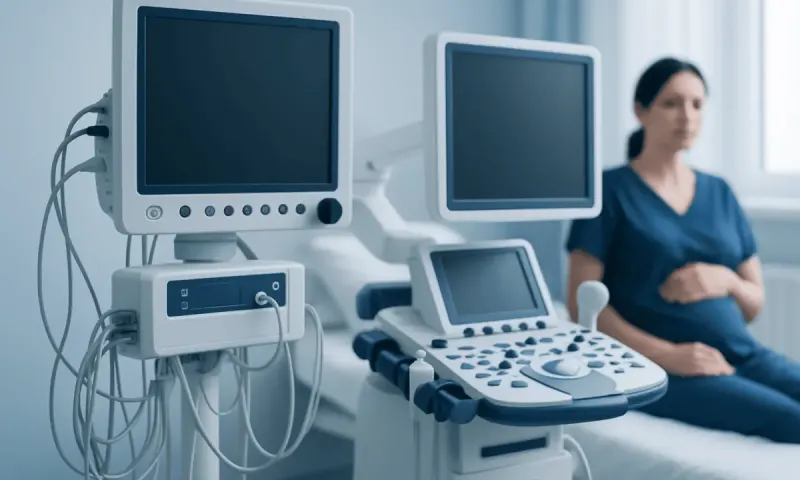
Evaluation usually begins with a medical history and pelvic examination, followed by imaging. Transvaginal ultrasound is often the first and most useful test because it can show the size, shape, and internal features of an adnexal lesion. It can also help determine whether a cyst looks simple and fluid-filled or more complex with solid areas, septations, or blood flow.
Depending on the situation, doctors may order additional tests. A pregnancy test is important when pregnancy is possible. Blood tests may be used to check for infection or inflammation, and sometimes tumor markers are considered in selected cases, though they are not used alone to make a diagnosis. If ultrasound does not provide enough detail, MRI or other imaging may be recommended for a clearer look.
For patients traveling from another country, bringing prior scan reports, images, and pathology results can make evaluation faster and more accurate. Comparing a current study with earlier imaging often helps determine whether a finding is stable, changing, or resolving.
Treatment Options
Treatment depends on the suspected cause, the person’s age, symptoms, and the appearance of the adnexal finding. Some cysts can be watched with repeat ultrasound, especially if they are small, simple, and not causing significant symptoms. Observation is not “doing nothing”; it is a planned way to confirm that a finding is shrinking or staying unchanged.
When symptoms are present or the lesion is concerning, treatment may include medicine, procedures, or surgery. Pain control, antibiotics for infection, or hormone-based therapy for certain conditions may be appropriate in some cases. If a mass is large, persistent, twisting the ovary, or suspicious for cancer, surgery may be recommended. Whenever possible, surgeons aim to preserve healthy ovarian tissue, especially in people who may want future fertility.
The surgical approach can vary from minimally invasive laparoscopy to open surgery, depending on the diagnosis and the level of concern. After treatment, follow-up imaging or clinic visits may be needed to check recovery and make sure the problem does not return. For international patients, planning care across borders often includes coordinating the procedure, pathology review, and follow-up schedule before travel home.
Prevention & Self-care
Not every adnexal problem can be prevented, but a few habits can support earlier detection and smoother recovery. Routine gynecologic care is useful because it gives clinicians a chance to compare symptoms over time and notice changes before they become urgent. People with known ovarian cysts, endometriosis, or a family history of gynecologic cancer may benefit from a more individualized follow-up plan.
Practical self-care measures may include tracking cycle changes, noting the location and timing of pain, and paying attention to new bloating or pressure. If a clinician recommends observation, it helps to keep follow-up appointments even when symptoms improve. Avoiding self-diagnosis is important, because pelvic symptoms can overlap across many different conditions.
After treatment, recovery instructions should be followed carefully, especially if surgery was performed abroad. This may include wound care, activity guidance, signs of complications, and when to resume travel or normal exercise. Patients should ask for written discharge instructions in a language they understand whenever possible.
When to See a Doctor
Medical review is appropriate for any new, persistent, or unexplained pelvic symptom, especially if it is affecting daily life. A clinician should also evaluate an adnexal finding seen on imaging, even if it was discovered incidentally. The goal is not to assume the worst, but to identify what type of lesion is present and whether follow-up is needed.
Urgent assessment is important if there is sudden severe pelvic pain, fever, vomiting, fainting, shoulder pain, heavy bleeding, or pain with a positive pregnancy test. These symptoms can signal torsion, ectopic pregnancy, infection, or another condition that needs prompt care. People who are postmenopausal should not ignore new pelvic pressure, bloating, or a newly found adnexal mass.
Acibadem Health Point’s multidisciplinary specialists and JCI-accredited hospitals diagnose and treat adnexal conditions for international patients, with coordinated care from imaging through follow-up. Whether the issue is a simple cyst or a more complex pelvic finding, timely expert review can help clarify the diagnosis and support informed decisions.
Living With an Adnexal Finding
Hearing that there is an adnexal cyst or mass can be unsettling, particularly when the term is unfamiliar. In practice, many adnexal findings are common and benign, and the next step is often clarification rather than immediate intervention. Understanding the description on the report, the reason for follow-up, and the timing of the next scan can make the situation feel more manageable.
For people dealing with care across countries, organization makes a real difference. Keeping copies of imaging, operative notes, and pathology reports in one place can simplify second opinions and follow-up appointments. A clear plan for who will review results after travel helps avoid gaps in care.
Questions are always appropriate. Asking whether the finding looks simple or complex, whether it is likely to resolve, and what warning signs should prompt earlier review can help patients participate confidently in their own care.
Frequently asked questions
01What does adnexa mean in a medical report?
Adnexa refers to the structures beside the uterus, especially the ovaries and fallopian tubes. When a report mentions the adnexa, it is describing the location of a finding rather than giving a final diagnosis. The exact meaning depends on the imaging or examination result.
02Is an adnexal mass always cancer?
No. Many adnexal masses are benign, such as functional cysts or other noncancerous growths. Doctors look at the age of the patient, symptoms, and ultrasound features to decide how concerned to be.
03Can an adnexal cyst go away on its own?
Yes, some adnexal cysts, especially functional ovarian cysts, may resolve without treatment. A doctor may recommend repeat imaging to confirm that it is shrinking or unchanged. Persistent or complex cysts may need further evaluation.
04What is the first test for an adnexal problem?
Transvaginal ultrasound is often the first test because it gives detailed information about the ovaries and nearby structures. Depending on the case, blood tests, pregnancy testing, or MRI may also be needed. The choice of tests depends on the symptoms and the initial ultrasound findings.
05When should pelvic pain with an adnexal finding be treated urgently?
Sudden severe pain, fever, vomiting, fainting, or pain with possible pregnancy should be assessed urgently. These symptoms can point to problems such as torsion, infection, or ectopic pregnancy. Prompt medical evaluation is the safest step.
06Can someone travel after being diagnosed with an adnexal mass?
Sometimes yes, but it depends on the symptoms and the doctor’s assessment. If the mass is stable and the person is comfortable, travel may be reasonable with a follow-up plan in place. If there is severe pain or any urgent concern, treatment should not be delayed for travel.
This article is for general information only and is not a substitute for professional medical advice. Please consult a qualified doctor about your individual situation.
Persistent digestive symptoms? Get evaluated in Turkey
JCI-accredited · board-certified surgeons · reply within 24h
Add us as a Preferred Source to see more of our trusted health content across Google Search, AI Overviews and Discover.