Adenomyosis: Symptoms, Causes and Treatment

Key Takeaways
- Adenomyosis often leads to heavy, prolonged periods and cramping that may worsen over time.
- Pelvic pain, pressure, and pain during intercourse are also common symptoms.
- Symptoms can resemble fibroids, endometriosis, or other uterine conditions, so diagnosis usually needs a medical evaluation.
- Ultrasound and MRI may help doctors assess the uterus, but symptoms and exam findings remain important.
- Treatment depends on symptoms, age, and pregnancy goals, ranging from medication to procedures or surgery.
Adenomyosis can cause symptoms that overlap with several other gynecologic conditions, which is why many people notice a pattern only after months or years of discomfort. Understanding the signs can help women seek the right evaluation sooner and discuss treatment options with a qualified doctor.
Overview
Adenomyosis is a condition in which tissue similar to the lining of the uterus grows into the muscular wall of the uterus. That misplaced tissue still responds to hormones each month, which can make the uterus enlarged, tender, and painful. For many women, the condition first appears as periods that feel heavier, longer, or more disruptive than they used to be.
The symptom pattern can be especially frustrating because it may develop gradually. A woman may initially assume that her monthly pain is simply “normal,” only to realize later that the cramps, bleeding, and pelvic pressure are becoming harder to manage at work, while traveling, or during everyday routines. In a medical visit, the story of how symptoms have changed over time is often as important as the test results.
Adenomyosis is not the same as endometriosis, although the two can occur together. It is also not the same as uterine fibroids, even though both can cause heavy bleeding and pressure. Because these conditions overlap, a careful evaluation helps clarify what is driving the symptoms and what type of care is most appropriate.
Symptoms
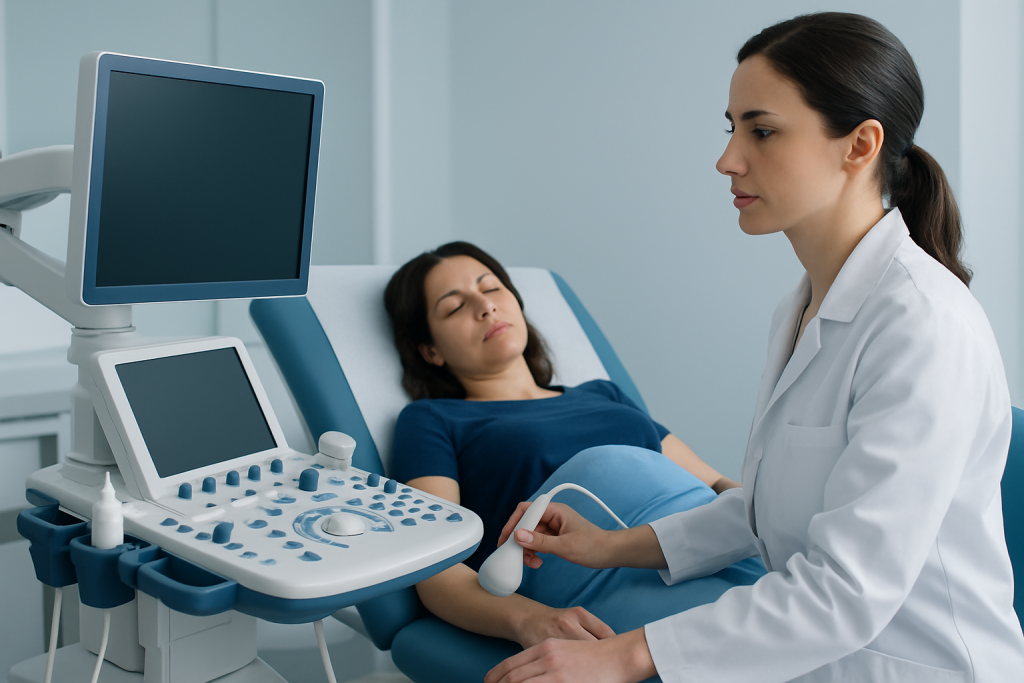
The most recognized symptom of adenomyosis is heavy menstrual bleeding. Some women notice that they need to change pads or tampons more frequently, that bleeding lasts longer than before, or that clots are more common. Others may feel tired or drained after periods because ongoing blood loss can contribute to low iron levels.
Pain is another major clue. Menstrual cramps may become stronger, start earlier, or continue longer into the day rather than easing with the first few hours of bleeding. Some women also experience a deep, aching pelvic pain outside of their period, a heavy sensation in the lower abdomen, or pain during sexual intercourse.
Other possible symptoms include:
- Pressure or fullness in the pelvis
- Swelling or tenderness of the lower abdomen
- Spotting between periods in some cases
- Discomfort that worsens with physical activity or a full bladder
- Reduced quality of life because of unpredictable bleeding or pain
Not every woman with adenomyosis has all of these symptoms. Some have severe cramping with only moderate bleeding, while others mainly notice prolonged or irregular bleeding. The symptom mix can change over time, which is one reason follow-up visits matter when symptoms are not well controlled.
Causes & Risk Factors
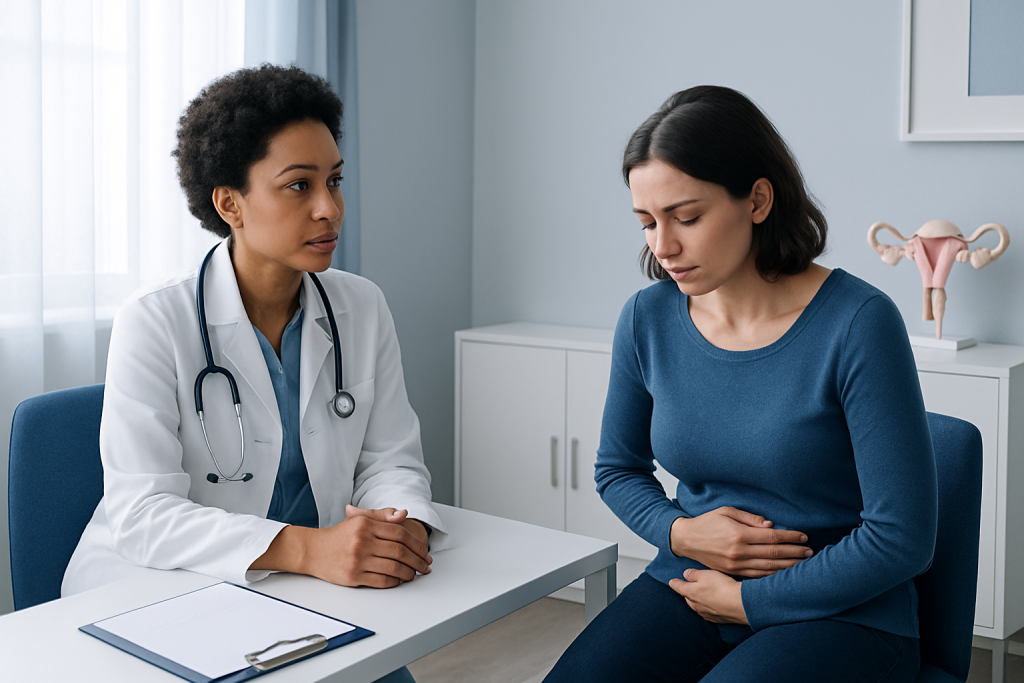
The exact cause of adenomyosis is not fully understood. Experts think it may develop when the boundary between the uterine lining and the muscle layer becomes disrupted, allowing endometrial-like tissue to grow into the muscle. Hormones appear to play a role, which helps explain why symptoms often improve after menopause.
Several factors may be associated with a higher likelihood of adenomyosis. It is more often diagnosed in women in their 30s and 40s, especially those who have had children, although it can occur in others as well. A history of uterine surgery or procedures may also be relevant in some cases, though no single factor predicts the condition with certainty.
Some women have adenomyosis alongside fibroids or endometriosis, and that combination can make symptoms more intense or more complicated. Because many gynecologic disorders share similar signs, risk factors are only part of the picture; the full clinical assessment remains essential.
Diagnosis
Diagnosis usually begins with a conversation about menstrual patterns, pelvic pain, and how symptoms affect daily life. A doctor may ask how long bleeding lasts, whether cramps are worsening, and whether there are symptoms such as fatigue, pressure, or pain during intercourse. This history helps distinguish adenomyosis from other causes of abnormal bleeding.
A pelvic examination may reveal an enlarged or tender uterus, although the exam can be normal in some women. Imaging is often used to support the diagnosis. Transvaginal ultrasound is commonly the first test, while MRI may be recommended when the picture is unclear or when more detail is needed. These studies can help doctors look for features that suggest adenomyosis and also check for fibroids or other structural problems.
In some situations, doctors may order blood tests to check for anemia if bleeding has been heavy. It is worth noting that adenomyosis can be difficult to confirm with perfect certainty before surgery, so diagnosis often combines symptoms, examination, and imaging rather than relying on one test alone.
Treatment Options
Treatment is individualized. The best option depends on how severe the symptoms are, whether pregnancy is desired now or in the future, and how much the symptoms are affecting quality of life. For some women, symptom control is the main goal; for others, preserving fertility is an important part of the plan.
Medications may help reduce pain and bleeding. Doctors may suggest anti-inflammatory medicines for cramping, hormonal treatments to lighten periods, or other therapies that help stabilize the uterine lining. When bleeding is heavy, treatment of anemia with iron may also be part of care. In more persistent cases, other procedures may be discussed.
Options for women with more significant symptoms can include uterine-sparing procedures in selected cases or surgery. Endometrial ablation is not always suitable for adenomyosis, and some procedures may not work well when the condition is widespread. Hysterectomy is the definitive treatment for women who do not wish to preserve the uterus, but that decision requires thoughtful discussion and is not the first step for everyone.
For Myomectomy Recovery for International Patients: The Usual Travel Timeline" class="ahp-ilk">international patients, it can help to bring prior imaging, operative reports, and a written symptom timeline to the first consultation. That makes it easier for the care team to build a practical plan, especially if follow-up will continue across countries after treatment.
Prevention & Self-care
There is no proven way to prevent adenomyosis, but symptom management can make day-to-day life more manageable. Keeping track of bleeding days, pain intensity, medication use, and triggers can help a doctor understand the pattern and adjust treatment. A simple calendar or phone app is often enough.
Self-care measures may ease discomfort while medical treatment is being arranged. Many women find benefit from rest during heavy days, heat applied to the lower abdomen, gentle movement when tolerated, and regular meals and hydration. If periods are very heavy, it is sensible to watch for signs of fatigue or shortness of breath that might suggest anemia and should be checked.
When traveling for care, planning ahead can reduce stress. Bringing sanitary products, keeping copies of test results, and allowing time for recovery after procedures can make a significant difference. Women with ongoing symptoms should also think about follow-up access, since symptom relief and medication adjustment may need more than one visit.
When to See a Doctor
Medical evaluation is appropriate when periods become noticeably heavier, cramps are getting worse, or pelvic pain is interfering with daily life. A doctor should also be consulted if bleeding lasts longer than usual, causes exhaustion, or leads to concerns about anemia. Even when symptoms seem manageable, a new change in pattern deserves attention.
It is especially important to seek care if pain is severe, bleeding is unpredictable, or there is pain with intercourse or pressure that does not improve. These symptoms can occur with adenomyosis, but they may also point to fibroids, endometriosis, or other conditions that need different treatment. A timely evaluation helps narrow the cause and avoid prolonged discomfort.
If a woman is considering pregnancy, or if she has already tried a treatment without enough relief, a specialist review may be helpful. Acibadem Health Point’s multidisciplinary specialists and JCI-accredited hospitals diagnose and treat adenomyosis for international patients, with attention to both medical needs and practical follow-up planning.
Living with Adenomyosis
Adenomyosis can be discouraging because the symptoms are personal, persistent, and often invisible to others. Still, many women do well once the condition is identified and care is tailored to their goals. Relief may come from a combination of treatment, symptom tracking, and regular review rather than from a single one-time solution.
For women who are balancing work, family, or travel, a realistic plan is often the most helpful one. That may mean scheduling appointments around the menstrual cycle, discussing options that fit future fertility plans, and keeping copies of records for ongoing care. The aim is not only to reduce bleeding and pain, but also to restore predictability and confidence in daily life.
Because adenomyosis can overlap with other uterine conditions, it is reasonable to ask questions and seek clarification until the picture feels clear. A thoughtful consultation can turn a long list of symptoms into a treatment plan that is easier to understand and follow.
Frequently asked questions
01What is the most common symptom of adenomyosis?
Heavy menstrual bleeding with strong cramps is one of the most common patterns. Some women also notice pelvic pressure, enlarged or tender uterus, or pain that extends beyond the period itself.
02How is adenomyosis different from endometriosis?
Both conditions can cause pelvic pain, but adenomyosis involves tissue growing into the uterine muscle, while endometriosis usually involves tissue outside the uterus. They can occur together, which is one reason symptoms may be complex.
03Can adenomyosis cause fertility problems?
Adenomyosis may affect fertility in some women, but not everyone with the condition has difficulty conceiving. If pregnancy is a goal, it is helpful to discuss timing and treatment options with a gynecologist or fertility specialist.
04Can adenomyosis go away on its own?
Symptoms may improve after menopause because hormone levels change, but adenomyosis usually does not disappear quickly on its own. Before menopause, treatment is often needed if symptoms are bothersome or affecting health.
05What tests are used to diagnose adenomyosis?
Doctors often start with a history, pelvic exam, and ultrasound. MRI may be used when more detail is needed, especially if the diagnosis is uncertain or other uterine conditions are also being considered.
06When should heavy periods be checked by a doctor?
Heavy periods should be checked when they are new, worsening, prolonged, or causing fatigue or dizziness. Ongoing bleeding that affects work, sleep, or daily activities also deserves medical review.
This article is for general information only and is not a substitute for professional medical advice. Please consult a qualified doctor about your individual situation.
Explore treatments in Turkey — costs, top hospitals & a free quote
JCI-accredited · board-certified surgeons · reply within 24h
Add us as a Preferred Source to see more of our trusted health content across Google Search, AI Overviews and Discover.