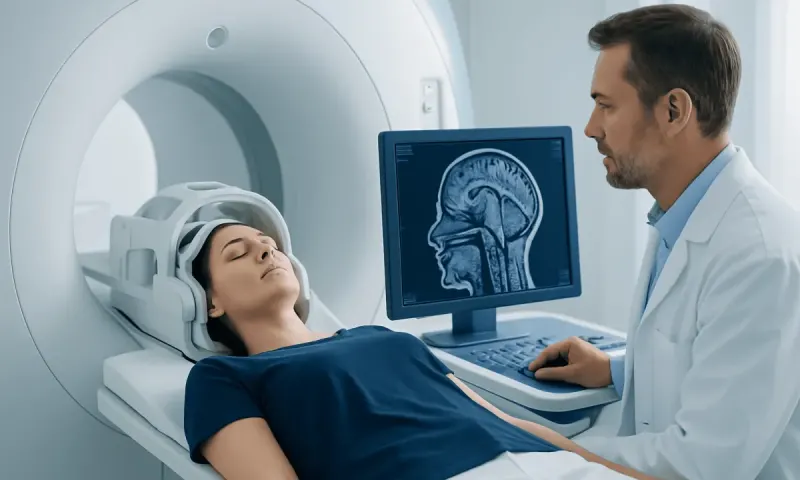
Addiction Is a Treatable Brain Condition, Not Weakness
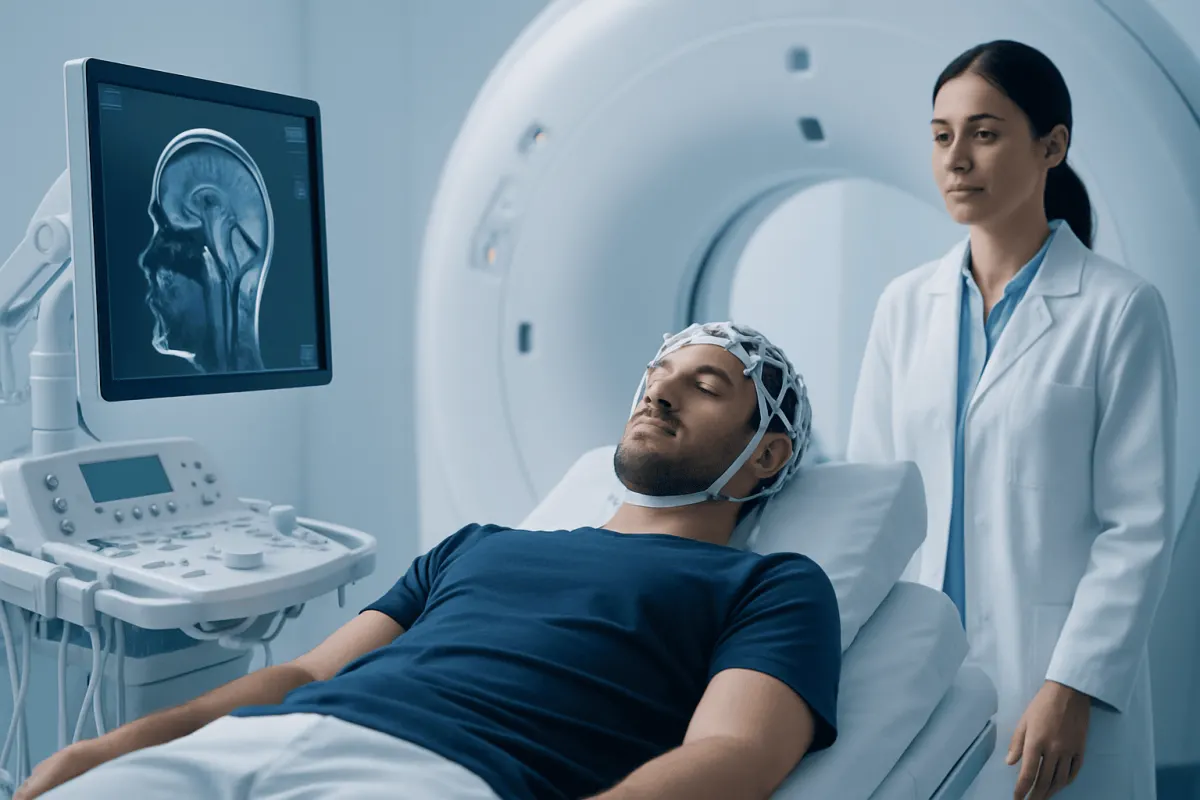
Have you promised yourself “this is the last time” — and then found yourself doing it again anyway? That gap between what you want and what you do is not a character flaw. It is one of the clearest signs of addiction.
Addiction is a chronic medical condition in which a person keeps using a substance or repeating a behavior despite harm. It affects the brain’s reward, motivation, and self-control systems. The good news: effective treatment and long-term recovery support are available.
Overview: what addiction means
Addiction is a chronic condition in which a person repeatedly uses a substance or engages in a behavior even when it causes harm. In practical terms, it means the brain’s reward and self-control systems have been affected enough that stopping becomes difficult without support. Many people improve with treatment, and recovery often happens step by step rather than all at once.
The term is most often used for substance-related conditions such as alcohol, nicotine, opioids, cannabis, sedatives, or stimulants. Clinicians may also discuss behavior-based problems, such as gambling disorder, when a pattern of compulsion, craving, and loss of control develops. Although every case is different, the common feature is continuing the substance or behavior despite negative effects on health, relationships, work, finances, or safety.
Biology, life experiences, stress, and environment all feed into addiction. It is a medical and psychological condition, not a sign of weak character. This matters in a very practical way: people come forward for help sooner when symptoms are spotted early and met without blame.
How addiction affects the brain and daily life
Addiction changes the brain circuits involved in reward, motivation, learning, memory, and impulse control. A substance or repetitive behavior may produce a strong sense of relief, pleasure, or escape at first. Over time, the brain adapts, and the person may need more of the substance or behavior to get the same effect, a process known as tolerance.
As these brain changes develop, cravings can become more intense, especially during stress or when exposed to reminders such as people, places, or emotions linked to use. The person may find it hard to cut back even when they sincerely want to stop. Withdrawal symptoms may also appear if the substance is reduced suddenly, depending on the substance involved.
Daily life can gradually narrow around obtaining, using, or recovering from the substance or behavior. Sleep, nutrition, work performance, school attendance, finances, family relationships, and mental health may all be affected. Some people also experience depression, anxiety, trauma-related symptoms, or chronic pain at the same time, which can make diagnosis and treatment more complex but also more important.
Signs and symptoms to recognize

The signs of addiction can be physical, emotional, and behavioral. Some develop slowly, while others become obvious after a stressful event, injury, or major life change. A person may hide symptoms out of shame or fear, so changes in routine and functioning are often the first clues noticed by family members.
Common symptoms may include:
- Strong cravings or urges to use a substance or repeat a behavior
- Using more than intended or for longer than planned
- Repeated unsuccessful attempts to cut down or stop
- Spending a great deal of time obtaining, using, or recovering
- Needing more to get the same effect
- Withdrawal symptoms when trying to stop
- Continuing despite problems at work, school, or home
- Using in risky situations, such as driving or mixing substances
- Losing interest in hobbies, relationships, or responsibilities
Symptoms can look different depending on the substance. Alcohol may lead to blackouts, accidents, or liver-related health concerns. Opioids can cause drowsiness, slowed breathing, and overdose risk. Nicotine often leads to strong dependence and repeated relapse. Stimulants may cause agitation, insomnia, or heart-related symptoms. If there is concern about a specific condition such as alcohol use disorder, a qualified doctor can assess severity and discuss the safest next steps.
Causes and risk factors
There is no single cause of addiction. It usually develops through a combination of genetic vulnerability, mental health, environment, and repeated exposure to a substance or behavior. Some people have a family history that increases susceptibility, while others are more affected by early stress, trauma, social isolation, or peer influences.
Risk can also rise when substances are easy to access or when they are used to cope with emotional pain, sleep problems, anxiety, or physical discomfort. Prescription medicines may play a role in some cases, especially if they are taken differently from the prescribed plan or used for longer than intended. This is not a reason to avoid treatment you need — it is a reason to stay in touch with your doctor and keep up with follow-up.
Certain life stages can be especially sensitive. Adolescence and young adulthood are periods when brain development is still ongoing, and repeated substance exposure may have stronger long-term effects. Chronic stress, unemployment, relationship conflict, and untreated psychiatric illness can also increase risk. Knowing what raises the risk moves the conversation away from blame and toward prevention, early recognition, and getting care in time.
How doctors diagnose addiction
Diagnosis is based on a careful medical, psychological, and social assessment. There is no single blood test or scan that confirms addiction on its own. Instead, doctors ask about the pattern of use or behavior, cravings, attempts to stop, effect on responsibilities, physical symptoms, safety concerns, and mental health.
The assessment may include questions about alcohol, tobacco, prescription medicines, and nonmedical drug use, as well as sleep, mood, trauma history, and family history. A physical exam and laboratory tests may be used to check for complications such as liver problems, infections, nutritional issues, or withdrawal risk. In some situations, screening tools help measure severity and guide treatment planning.
Addiction often travels with depression, anxiety, trauma-related conditions, and chronic pain, so a good assessment casts a wide net rather than a narrow one. That way, problems that need treating at the same time are not missed. A multidisciplinary evaluation may be especially helpful when symptoms are severe, long-standing, or medically complicated.
Treatment options and recovery support
Treatment for addiction is individualized. Many people benefit from a combination of medical care, psychological therapy, family support, and practical help with daily structure. The best plan depends on the substance or behavior involved, the severity of symptoms, withdrawal risk, other medical conditions, and the person’s home environment and goals.
For some substances, supervised detoxification may be needed before longer-term treatment begins. This can be important when withdrawal could become medically risky, as with alcohol or certain sedatives. After stabilization, treatment may include individual counseling, group therapy, motivational approaches, cognitive behavioral therapy, relapse prevention planning, and, when appropriate, rehabilitation programs that provide structured support.
Medicines can be an important part of care for selected conditions. They may help reduce cravings, ease withdrawal symptoms, or support long-term stability. Ongoing mental health treatment is also essential when addiction occurs alongside depression, anxiety, trauma, or another psychiatric condition. In some cases, care may involve psychiatric evaluation and treatment as part of an integrated plan.
Recovery is a long road, not a single moment. Setbacks happen, and they do not mean treatment has failed. Follow-up visits, peer support, healthy routines, and family involvement often improve stability over time. For patients who need coordinated care, Acıbadem Health Point’s multidisciplinary specialists at JCI-accredited hospitals diagnose and treat addiction and related health concerns for international patients.
Prevention, self-care, and supporting a loved one
Prevention starts with reducing risk and recognizing problems early. Useful steps include taking prescription medicines exactly as directed, avoiding mixing alcohol with sedatives or pain medicines unless a doctor specifically advises it, limiting exposure to high-risk situations, and seeking help early for stress, anxiety, depression, or sleep problems. Strong social support and healthy coping skills can make a meaningful difference.
For someone in recovery, self-care often includes regular sleep, balanced meals, physical activity, stress-management techniques, and a clear plan for triggers such as conflict, loneliness, or certain social settings. Removing substances from the home, avoiding people linked to prior use, and attending therapy or support meetings may reduce relapse risk. If another condition is contributing, treatment such as psychological counseling can help build safer coping strategies.
Family members can help by responding calmly, encouraging treatment, and setting clear boundaries around safety. Arguing with someone who is intoxicated rarely gets you anywhere. Wait for a calm moment, name the specific things that worry you, and encourage a medical evaluation. Loved ones should also seek support for themselves, especially when addiction has affected finances, trust, childcare, or emotional well-being.
When to seek medical care
Medical care should be sought when substance use or compulsive behavior is becoming hard to control, causing health problems, or affecting daily life. A prompt evaluation is also important when there are signs of withdrawal, repeated relapses, severe cravings, unsafe behavior, or coexisting depression or anxiety. Early care can help prevent complications and make treatment safer.
Emergency help is needed right away for overdose symptoms, trouble breathing, seizures, confusion, chest pain, fainting, severe agitation, suicidal thoughts, or unusual sleepiness that is hard to wake from. These situations can be life-threatening and should not be managed at home. If there is immediate danger, local emergency services should be contacted without delay.
People who are pregnant, have significant liver or heart disease, or use alcohol, opioids, or sedatives regularly should not stop suddenly without medical advice because withdrawal may be serious. A doctor can guide the safest approach and decide whether outpatient care, hospital monitoring, or longer-term medical assessment is needed.
Frequently asked questions
01Is addiction a disease or a choice?
Addiction is recognized as a chronic medical condition that affects brain function, behavior, and self-control. A person may make choices at the start of use, but repeated exposure and other risk factors can lead to changes that make stopping much harder without treatment.
02What is the difference between dependence and addiction?
Dependence usually means the body has adapted to a substance, so withdrawal symptoms appear if it is stopped suddenly. Addiction includes loss of control, cravings, and continued use despite harm, and it may occur with or without clear physical dependence.
03Can a person recover from addiction?
Yes. Many people recover with the right combination of medical care, therapy, support, and follow-up. Recovery may involve setbacks, but relapse does not mean failure; it often signals that the treatment plan needs adjustment.
04How long does addiction treatment take?
There is no single timeline. Some people need short-term stabilization and counseling, while others benefit from months of structured treatment and ongoing support. Long-term follow-up is common because addiction is a chronic condition.
05Are medications used to treat addiction?
For some types of addiction, yes. Medicines may reduce cravings, support withdrawal management, or help maintain stability, but they are usually most effective when combined with counseling and regular medical follow-up.
06How can family members help someone with addiction?
Family members can help by encouraging medical evaluation, offering practical support for treatment, and setting clear, safe boundaries. It is usually more helpful to speak calmly and focus on specific concerns than to criticize or argue.
This article is for general information only and is not a substitute for professional medical advice. Please consult a qualified doctor about your individual situation.
Explore treatments in Turkey — costs, top hospitals & a free quote
JCI-accredited · board-certified surgeons · reply within 24h
Add us as a Preferred Source to see more of our trusted health content across Google Search, AI Overviews and Discover.