Acute Tracheobronchitis: How the Cough Evolves and When to Worry

Two weeks after the cold has gone, you’re still coughing — and you’re starting to wonder whether something else is going on. That lingering cough, dry at first or bringing up mucus, is the hallmark of acute tracheobronchitis. It often comes with a sore throat, tiredness, wheezing, and mild chest discomfort.
Most of the time a viral respiratory infection is behind it, and it settles with supportive care at home. But some breathing symptoms, and an illness that drags on, do need a doctor’s assessment.
What Are Acute Tracheobronchitis Symptoms?
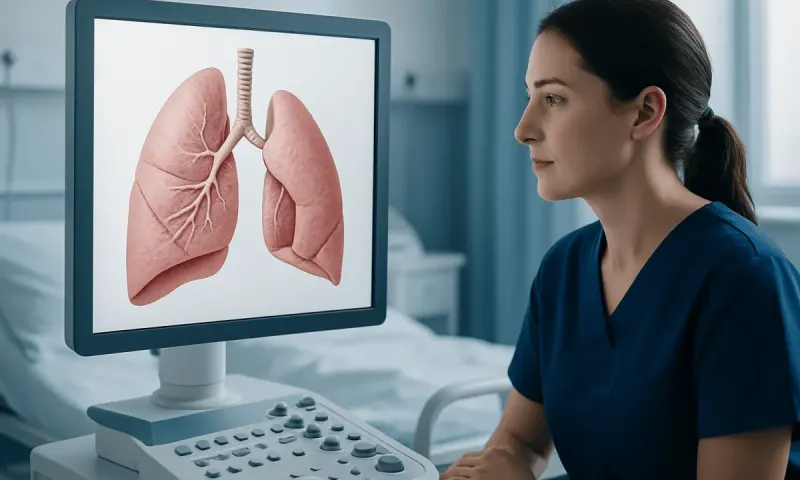
Acute tracheobronchitis is short-term inflammation of the trachea (windpipe) and bronchi, the larger air passages leading into the lungs. It is often called acute bronchitis, although the term tracheobronchitis emphasizes that irritation may affect both the windpipe and bronchial tubes. The most recognizable acute tracheobronchitis symptom is a cough that develops during or shortly after a cold-like illness.
The cough may begin dry, scratchy, or painful and later bring up clear, white, yellow, or green mucus. Mucus color alone does not reliably show that an infection is bacterial or that antibiotics are needed. As the inflamed airways become more sensitive, coughing can be triggered by talking, laughing, cold air, activity, or lying down.
Many people also notice sore throat, a hoarse voice, nasal congestion, mild headache, fatigue, body aches, and a low-grade fever. Chest discomfort is common when frequent coughing strains the chest-wall muscles. Some people experience wheezing, a whistling sound during breathing, or a feeling of chest tightness because the airways are temporarily narrowed or irritated.
Symptoms usually peak in the first few days. You may feel generally better within one to two weeks, but the cough can hang around for several weeks — the lining of your airways simply needs time to heal. A clinician can help distinguish this usual recovery pattern from asthma, pneumonia, COVID-19, influenza, or another condition that may require different care.
How the Cough and Other Symptoms May Change
Acute tracheobronchitis often follows a recognizable pattern, although every person’s experience is different. Early symptoms can resemble a common cold, including throat irritation, runny nose, and tiredness. A cough then becomes more prominent as inflammation reaches the lower airways, and it may persist after nasal symptoms have resolved.
During the first stage, cough may be dry and frequent. Later, the body may produce mucus as airway secretions increase. Coughing can be particularly bothersome overnight or early in the morning, when mucus can collect in the airways and when lying flat may make throat irritation more noticeable.
Wheezing or brief breathlessness may occur, especially in people who smoke, have asthma, chronic obstructive pulmonary disease (COPD), allergies, or previous airway sensitivity. But real difficulty breathing is not part of an uncomplicated case, and it is not something to sit out at home.
- Common symptoms: cough, mucus, sore throat, fatigue, mild fever, nasal symptoms, and chest soreness from coughing.
- Possible airway symptoms: wheeze, chest tightness, or mild shortness of breath with exertion.
- Symptoms that need assessment: high or persistent fever, worsening breathlessness, coughing blood, confusion, or pain that is not clearly linked to coughing.
A cough that is gradually improving is generally reassuring. A cough that worsens after initial improvement, continues beyond several weeks, or repeatedly returns may indicate another cause and deserves medical review.
Common Triggers and Causes

Viruses are the most common cause of acute tracheobronchitis. The same viruses that cause colds and other respiratory infections can inflame the windpipe and bronchial tubes. Influenza and COVID-19 can also produce cough and lower-airway symptoms, so testing may be appropriate depending on current circulation, symptoms, exposure, and a person’s health risks.
Bacterial infection is less common in otherwise healthy adults with acute bronchitis-like symptoms. This is why antibiotics are not routinely prescribed: they do not treat viral infections and can cause side effects, allergic reactions, and antibiotic resistance. A clinician may consider antibiotics only when there is evidence of a specific bacterial illness or a higher-risk complication.
Noninfectious irritants can worsen symptoms or occasionally trigger bronchial inflammation. Tobacco smoke, vaping aerosols, secondhand smoke, dust, chemical fumes, air pollution, and strong fragrances may all irritate already sensitive airways. Repeated exposure can prolong cough and increase the chance of wheezing.
Respiratory infections spread mainly through droplets and close contact, and sometimes through contaminated hands followed by touching the eyes, nose, or mouth. People are often most contagious while they have active cold- or flu-like symptoms, though the exact period depends on the virus involved. Good hand hygiene, ventilation, and staying home when unwell can reduce transmission.
Who May Have More Severe or Longer-Lasting Symptoms?
Anyone can develop acute tracheobronchitis, but some people are more likely to have a prolonged cough, significant wheezing, or complications. This includes older adults, infants and young children, people who smoke, and those exposed regularly to air pollutants or workplace respiratory irritants.
People with asthma, COPD, bronchiectasis, heart disease, weakened immunity, or significant long-term medical conditions should contact a healthcare professional earlier when a new respiratory infection develops. In these groups, an infection can trigger a flare-up of an existing condition or lead to more serious lower-respiratory illness.
Pregnancy does not automatically make acute tracheobronchitis severe, but fever, dehydration, breathing difficulty, or use of over-the-counter medicines should be discussed with an obstetric clinician or pharmacist. Medication choices can differ during pregnancy and breastfeeding.
Children may not be able to describe chest tightness or shortness of breath clearly. Parents and caregivers should watch for rapid breathing, ribs pulling inward with breaths, bluish lips or face, difficulty feeding or drinking, unusual sleepiness, or a child who appears significantly unwell. These signs require prompt medical advice.
How Acute Tracheobronchitis Is Diagnosed
Healthcare professionals usually diagnose acute tracheobronchitis from the pattern and duration of symptoms, medical history, and a physical examination. They may listen to the lungs for wheezing, crackles, or reduced airflow and check temperature, breathing rate, heart rate, and oxygen level when appropriate.
Routine testing is often unnecessary for a mild, short-lived illness in a healthy person. However, testing may be recommended if symptoms suggest influenza, COVID-19, pneumonia, asthma, COPD exacerbation, whooping cough, or another infection. The decision depends on the examination findings, local infection patterns, age, underlying conditions, and symptom severity.
A chest X-ray may be used when pneumonia is a concern, such as when there is high fever, rapid breathing, low oxygen levels, focal changes heard in the lungs, or significant shortness of breath. Blood tests, sputum tests, or lung function testing are reserved for selected situations rather than being needed for every cough.
Tell your doctor when the symptoms started, whether they are getting better or worse, how often you are coughing, whether there is wheezing or breathlessness, and whether you have been around anyone sick or exposed to smoke. A complete medication list and history of asthma, lung disease, heart disease, or immune suppression also help guide safe care.
Treatment Options and Practical Self-Care
For uncomplicated viral acute tracheobronchitis, treatment focuses on easing symptoms while the infection resolves. Rest, regular fluids, warm drinks, and humidified air may soothe throat irritation and help people feel more comfortable. Avoiding tobacco, vaping, and secondhand smoke is particularly important because these exposures can intensify cough and delay airway recovery.
Non-prescription pain or fever medicines may help some adults, but the safest choice depends on age, pregnancy status, allergies, other medical conditions, and regular medicines. A pharmacist or clinician can provide individualized guidance. Cough medicines may offer limited relief for certain people, while honey can soothe cough in adults and children older than one year; honey should never be given to infants under 12 months.
A clinician may recommend an inhaled bronchodilator when wheezing or airway narrowing is present, particularly for someone with asthma or COPD. Antibiotics are generally not useful for viral tracheobronchitis. They are prescribed only when a healthcare professional believes there is a bacterial infection or another specific reason to use them.
Ease back into your normal routine as your energy returns. Staying hydrated, sleeping with the head slightly elevated if cough is troublesome at night, and taking breaks from strenuous activity can help. Persistent cough does not necessarily mean a person remains infectious, but people should follow current local guidance for respiratory infections and avoid close contact with vulnerable individuals while acutely unwell.
When to Seek Medical Care
Medical care should be sought urgently for severe trouble breathing, blue or gray lips or face, fainting, new confusion, severe weakness, or severe chest pain. Emergency assessment is also important for coughing up more than small streaks of blood, or for symptoms that develop rapidly and feel significantly worse than a usual cold.
A same-day or prompt clinical review is appropriate for fever that is high or persistent, worsening shortness of breath, dehydration, oxygen levels that are low if measured at home, or symptoms that improve and then clearly worsen. People with chronic lung disease, heart disease, immune suppression, or significant health conditions should have a lower threshold for contacting their healthcare team.
It is also worth arranging an appointment if cough lasts longer than expected, disrupts sleep or daily activities substantially, or is accompanied by unexplained weight loss, repeated night sweats, or recurrent episodes. These features can have causes other than acute tracheobronchitis and may need further investigation.
At Acıbadem Health Point, our multidisciplinary specialists and JCI-accredited hospitals assess respiratory symptoms and care for international patients who need evaluation. A qualified clinician can tell you whether what you are experiencing fits uncomplicated acute tracheobronchitis or points to another respiratory condition.
Frequently asked questions
01How long do acute tracheobronchitis symptoms last?
General cold-like symptoms often improve within one to two weeks, but cough may remain for several weeks as the airway lining heals. The cough should gradually become less frequent and less intense. A cough that is worsening, lasts longer than expected, or is associated with breathing difficulty should be assessed by a clinician.
02Does yellow or green mucus mean acute tracheobronchitis is bacterial?
No. Yellow or green mucus can occur during viral respiratory infections because of inflammatory cells in airway secretions. Mucus color by itself cannot determine whether antibiotics are needed. A healthcare professional considers the full symptom pattern, examination, and any relevant tests.
03Can acute tracheobronchitis cause wheezing?
Yes. Inflammation can temporarily narrow or irritate the bronchial tubes, causing a whistling sound during breathing or a feeling of chest tightness. Wheezing is more common in people with asthma, COPD, smoking exposure, or sensitive airways. New, severe, or persistent wheezing should be medically evaluated.
04Are antibiotics needed for acute tracheobronchitis?
Most cases are caused by viruses, so antibiotics do not speed recovery. They may be considered only if a clinician identifies a bacterial infection or another specific indication. Taking antibiotics when they are not needed can cause side effects and contribute to antibiotic resistance.
05Is acute tracheobronchitis contagious?
The condition itself describes airway inflammation, but the virus causing it can be contagious. Transmission is most likely during the active phase of a respiratory infection. Handwashing, covering coughs, improving ventilation, and limiting close contact while unwell can reduce spread.
06What is the difference between acute tracheobronchitis and pneumonia?
Acute tracheobronchitis affects the larger airways, while pneumonia infects the lung air sacs. Pneumonia is more likely to cause significant breathlessness, high fever, rapid breathing, low oxygen levels, or focal findings on a lung examination, although symptoms can overlap. A clinician may use an examination and sometimes a chest X-ray to distinguish them.
This article is for general information only and is not a substitute for professional medical advice. Please consult a qualified doctor about your individual situation.
Explore treatments in Turkey — costs, top hospitals & a free quote
JCI-accredited · board-certified surgeons · reply within 24h
Add us as a Preferred Source to see more of our trusted health content across Google Search, AI Overviews and Discover.