Acute Thyroiditis: Symptoms, Causes, and Treatment

Acute thyroiditis is a sudden inflammation of the thyroid gland that can cause neck pain, swelling, fever, and temporary changes in thyroid hormone levels. Because a bacterial infection is one possible cause, prompt medical assessment is important; treatment and outlook depend on the specific type of thyroiditis.
Acute thyroiditis at a glance
Acute thyroiditis means sudden inflammation of the thyroid, a small butterfly-shaped gland at the front of the neck that helps regulate energy use, temperature, heart rate, and many other body functions. It is an umbrella term, but in clinical practice it often raises concern for acute suppurative thyroiditis, a rare bacterial infection of the gland. This form requires timely medical evaluation because infection can sometimes form a collection of pus called an abscess.
Not every sudden painful thyroid problem is bacterial. Subacute thyroiditis, often occurring after a viral illness, can also cause thyroid pain and temporary hormone changes, while autoimmune thyroiditis is usually painless. Identifying the type matters because treatment ranges from anti-inflammatory symptom relief to antibiotics and, in some cases, a procedure to drain infected fluid.
The thyroid is relatively resistant to infection because it has a rich blood supply and protective tissue features. Even so, infection may occur when bacteria spread from a nearby area in the neck or, less commonly, through the bloodstream. With appropriate assessment and treatment, the outlook is generally favorable.
Symptoms and hormone-related changes
Acute thyroiditis commonly causes pain and tenderness in the lower front of the neck. The area may feel swollen, warm, or firm, and pain can sometimes spread toward the jaw or ear. Fever, chills, fatigue, and a general feeling of being unwell are more suggestive of an infectious process than of many other thyroid conditions.
Swelling may also make swallowing uncomfortable or create a sensation of pressure in the throat. Hoarseness, cough, neck stiffness, or pain when turning the head can occur. Although these symptoms have many possible causes, they should not be self-diagnosed, especially when fever or worsening swelling is present.
Inflammation can release stored thyroid hormone into the bloodstream. This may lead temporarily to symptoms of an overactive thyroid, such as a fast heartbeat, tremor, sweating, anxiety, heat intolerance, or unintentional weight loss. After the inflamed gland has released its stored hormone, some people may briefly develop low thyroid hormone levels, with tiredness, feeling cold, constipation, dry skin, or slowed thinking.
Some people have normal thyroid hormone levels throughout the illness. Symptoms, examination findings, blood tests, and imaging together provide a clearer picture than any one symptom alone.
Causes and factors that can increase risk

In acute suppurative thyroiditis, bacteria are the usual cause. Infection may reach the thyroid from the throat, tonsils, lymph nodes, dental area, or another nearby structure. In children and some adults, an uncommon anatomical connection between the throat and the thyroid region can make recurrent infections more likely. Doctors may investigate this possibility when thyroid infections happen more than once.
Less often, fungi or other organisms may cause infectious thyroiditis, particularly in people with significant immune suppression. Previous neck surgery, thyroid nodules, an enlarged thyroid, or injury to the neck may also alter the local tissues and increase susceptibility in some circumstances.
Important risk factors include diabetes that is not well controlled, medicines or conditions that weaken immune defenses, recent serious infection, and structural abnormalities in the neck. However, acute thyroiditis can occur in people without obvious risk factors. It is not usually caused by everyday stress, diet, or an individual action.
A different disorder, subacute thyroiditis, is commonly linked to a recent viral infection and often has a more gradual course. It is useful to distinguish this from bacterial thyroid infection because antibiotics do not treat viral inflammation. Other thyroid conditions, including Hashimoto’s thyroiditis, have different causes, patterns, and long-term considerations.
How acute thyroiditis is diagnosed
A clinician will ask about the timing of symptoms, recent respiratory or throat infections, medical conditions, medications, prior thyroid disease, and difficulty breathing or swallowing. They will examine the neck for swelling, tenderness, redness, enlarged lymph nodes, and signs that the airway may be affected. A painful thyroid lump is not always infection, so careful assessment is essential.
Blood tests may include a complete blood count and markers of inflammation, such as C-reactive protein or erythrocyte sedimentation rate. Thyroid function tests measure thyroid-stimulating hormone and thyroid hormones to check for temporary overactivity or underactivity. If infection is suspected, blood cultures may be taken before antibiotics when this can be done without delaying necessary care.
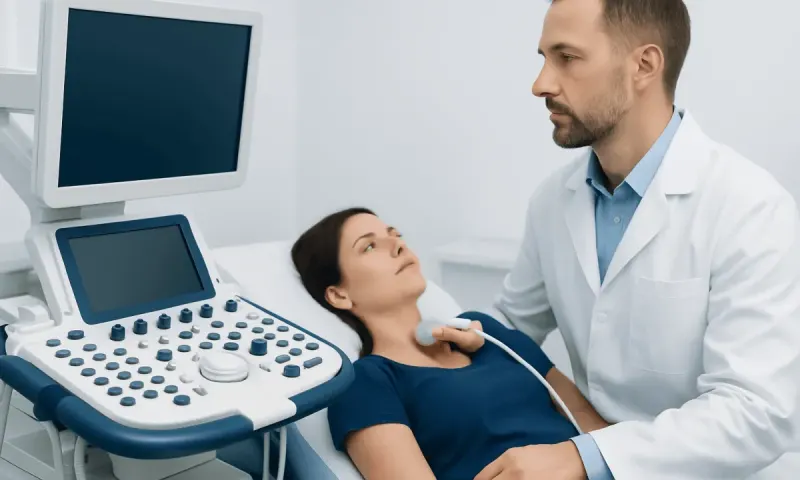
Ultrasound is often the first imaging test because it can show inflammation, fluid, nodules, and a possible abscess. Ultrasound can also guide a needle procedure to collect fluid for laboratory testing. The sample may help identify the organism causing infection and guide antibiotic selection. In selected cases, CT or other imaging is used to assess the extent of infection and nearby neck structures.
Needle aspiration, biopsy, or surgery may be considered when the diagnosis remains uncertain, when an abscess is suspected, or when clinicians need to exclude other conditions. Evaluation by an endocrinologist, ear, nose and throat specialist, infectious disease specialist, or surgeon may be appropriate depending on the findings.
Modern treatment approaches and follow-up
Treatment is based on the cause and severity. When bacterial infection is suspected, clinicians typically begin antibiotics that cover likely organisms and then adjust treatment if culture results identify a specific organism. More severe illness may require care in hospital and antibiotics given through a vein. The choice and duration of treatment are individualized according to clinical findings, test results, allergies, and response.
If imaging shows an abscess or a sizable infected fluid collection, drainage may be needed in addition to antibiotics. This can sometimes be performed with ultrasound-guided needle drainage, while some cases require surgical drainage. Prompt treatment helps control infection and reduces the risk of spread to surrounding tissues.
Pain relief, fluids, rest, and medicines to ease fever may be recommended where medically appropriate. If temporary thyroid hormone excess causes troublesome palpitations or tremor, a clinician may prescribe medication to control these symptoms. Thyroid hormone replacement is considered only if low thyroid function develops and warrants treatment; it is not automatically needed for every case.
Subacute, nonbacterial thyroiditis is managed differently and may improve with anti-inflammatory treatment and monitoring. Follow-up blood tests are important because thyroid function can change during recovery. When a structural issue contributes to repeated infection, specialists may discuss treatment to prevent recurrence. For complex thyroid assessment and procedures, thyroid surgery may be considered only when there is a clear clinical indication.
Prevention and practical self-care
There is no reliable way to prevent every case of acute thyroiditis, especially when the cause is not known in advance. Managing chronic conditions such as diabetes, keeping recommended vaccinations up to date, and seeking care for persistent or serious throat, dental, or skin infections can support overall health and may reduce infection-related risks.
People should avoid pressing, massaging, or attempting to drain a painful neck swelling at home. Leftover antibiotics should not be used without medical advice, since the cause may not be bacterial and inappropriate antibiotics can delay accurate diagnosis. It is also important not to stop prescribed treatment early unless the treating clinician advises otherwise.
During recovery, rest, adequate fluids, and easy-to-swallow meals may be helpful if swallowing is uncomfortable. It is sensible to monitor symptoms and attend planned follow-up appointments. New fever, increasing pain, a rapidly enlarging swelling, or new breathing and swallowing difficulty needs prompt reassessment rather than home management.
When to seek medical care
Medical evaluation should be arranged promptly for a new painful swelling at the front of the neck, particularly if it occurs with fever, chills, sore throat, tenderness, or feeling significantly unwell. A clinician can determine whether symptoms are due to thyroiditis, a lymph node problem, a throat infection, a thyroid nodule, or another condition that needs different care.
Urgent medical attention is needed for trouble breathing, noisy breathing, inability to swallow saliva, rapidly increasing neck swelling, severe neck stiffness, confusion, fainting, or a very fast or irregular heartbeat. These symptoms do not always mean acute thyroiditis, but they may indicate a problem requiring urgent assessment.
People already being treated for acute thyroiditis should contact their care team if symptoms are not improving, return after initial improvement, or if medication side effects occur. Acıbadem Health Point’s multidisciplinary specialists and JCI-accredited hospitals diagnose and treat thyroid conditions for international patients, with care plans guided by clinical assessment and follow-up needs.
Frequently asked questions
01Is acute thyroiditis the same as Hashimoto’s disease?
No. Acute thyroiditis refers to sudden thyroid inflammation and may involve an infection, whereas Hashimoto’s thyroiditis is an autoimmune condition that usually develops gradually. They can both affect thyroid function, but their symptoms, tests, and treatments differ.
02Can acute thyroiditis cause hyperthyroidism?
Yes. Inflammation can release preformed thyroid hormone from the gland, causing temporary symptoms of hyperthyroidism. This does not necessarily mean the thyroid is producing too much new hormone, and levels often change as inflammation resolves.
03Are antibiotics always needed for acute thyroiditis?
Antibiotics are needed when bacterial infection is suspected or confirmed, particularly in acute suppurative thyroiditis. They do not treat nonbacterial forms such as many cases of subacute thyroiditis, so a medical evaluation is important before treatment is chosen.
04How long does recovery from acute thyroiditis take?
Recovery varies with the cause, severity, and whether an abscess or other complication is present. Symptoms may begin to improve after effective treatment starts, but follow-up can continue for weeks or longer to confirm that infection and thyroid hormone changes have resolved.
05Can acute thyroiditis come back?
Recurrence is uncommon but can happen, especially if an underlying anatomical connection, ongoing source of infection, or immune-related risk factor is present. Repeated episodes should be evaluated by specialists to look for and address contributing causes.
06Will acute thyroiditis cause permanent thyroid damage?
Many people recover without lasting loss of thyroid function, especially with timely treatment. However, more severe inflammation or infection can occasionally affect the gland, so repeat thyroid blood tests may be recommended after recovery.
This article is for general information only and is not a substitute for professional medical advice. Please consult a qualified doctor about your individual situation.
Joint and spine care in Turkey — expert assessment & treatment
JCI-accredited · board-certified surgeons · reply within 24h
Add us as a Preferred Source to see more of our trusted health content across Google Search, AI Overviews and Discover.