Aching Pain in Back of Head and Neck: Causes, Relief and When to Worry

Key Takeaways
- Many cases are related to muscle tension, posture strain, or tension-type headaches.
- Pain that starts in the neck and travels to the back of the head can also involve the cervical joints, discs, or nerves.
- Rest, gentle movement, heat, hydration, and ergonomic changes may reduce mild symptoms.
- Sudden, severe, or unusual headaches need prompt medical assessment, especially with fever, weakness, confusion, or vision changes.
- A doctor may use history, examination, and sometimes imaging to find the cause and guide treatment.
Aching pain in the back of the head and neck is often linked to muscle tension, posture, or a tension-type headache, but it can also come from the cervical spine, nerves, or less commonly a more serious condition. Understanding the pattern, triggers, and warning signs can help a person know what may ease the pain and when medical evaluation is needed.
Overview
Aching pain in the back of the head and neck is a common complaint, and it often feels like a dull pressure, tightness, or heaviness that seems to run from the upper neck into the skull. In many people, the discomfort is linked to strained muscles, long hours in one posture, stress, or a tension-type headache rather than a dangerous problem.
Still, the same area can hurt for several different reasons, so the pattern matters. Pain may stay in the neck, move up to the back of the head, appear on one side, or flare after sleep, screen time, exercise, or a sudden movement. Paying attention to how it starts and what accompanies it can help a doctor narrow the cause.
For someone deciding whether to seek care at home or while traveling, it helps to think in practical terms: is this a familiar ache that improves with rest, or is it a new pain that is severe, persistent, or tied to neurological symptoms? That distinction is often the first step in choosing the right level of care.
Symptoms and common patterns
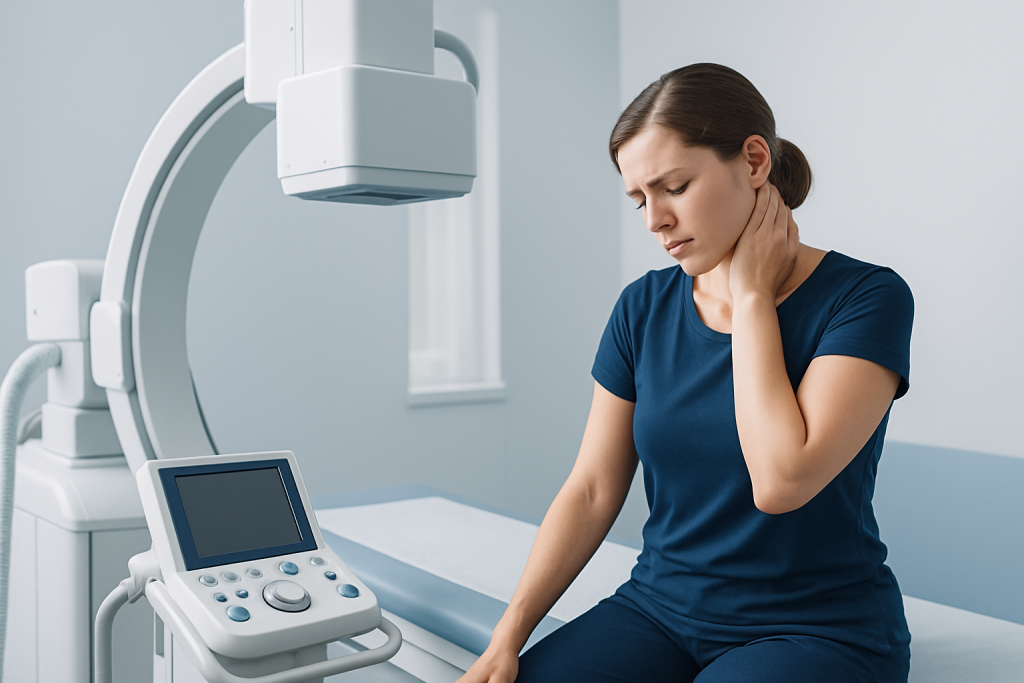
People describe the pain in different ways. Some notice a band-like ache across the lower skull, while others feel stiffness at the base of the neck that spreads upward. The discomfort may be intermittent or present most of the day, and it can worsen with prolonged sitting, driving, reading, or working on a laptop.
Associated symptoms can offer useful clues. A tension-type headache may come with mild scalp tenderness or a sense of pressure rather than throbbing. Cervicogenic pain, which starts in the neck and refers to the head, may be accompanied by reduced neck movement or pain triggered by turning the head. Occipital nerve irritation may create sharper, shooting pain or tingling near the scalp.
- Muscle tightness or a “knot” at the base of the skull
- Stiff neck or difficulty turning the head
- Headache that worsens after stress or poor posture
- Tenderness when pressing the upper neck or scalp
- Occasional nausea or light sensitivity in some headache types
Not every ache has the same meaning. A mild, familiar pattern that improves with stretching and rest is usually managed differently from pain that appears suddenly, keeps returning, or is paired with fever, neurological changes, or trauma.
Causes and risk factors

The most frequent cause is muscle tension. Long periods of computer work, phone use, poor pillow support, clenching the jaw, or carrying stress in the shoulders can leave the neck muscles overworked. When those muscles tighten, they can refer pain to the back of the head.
Problems in the cervical spine can also play a role. Degenerative changes, joint irritation, disc issues, or reduced mobility in the upper neck may lead to pain that is felt behind the head. In some people, the occipital nerves are irritated, producing pain in the same region. Less commonly, infections, inflammatory disorders, high blood pressure crises, or blood vessel problems can cause head and neck pain, which is why context is important.
Risk tends to be higher in people who spend many hours in one position, sleep awkwardly, are under chronic stress, or have a history of headaches, neck injury, or arthritis. Repetitive strain, dehydration, and poor sleep can make symptoms more noticeable even when they are not the original cause.
How doctors diagnose the cause
Evaluation usually begins with a detailed history. A doctor will ask when the pain started, where it is located, whether it is constant or comes and goes, and what makes it better or worse. They will also look for related symptoms such as numbness, weakness, fever, dizziness, vision changes, or recent injury.
A physical examination often focuses on the neck, shoulders, posture, range of motion, and areas of tenderness. Neurological examination may be added if there is concern about nerve involvement or a more complex headache pattern. Many cases can be identified clinically without extensive testing.
Imaging or other tests are considered when the story is unclear, symptoms are severe, or warning signs are present. Depending on the findings, a doctor may order cervical spine imaging, brain imaging, blood tests, or referral to a specialist. The goal is not to test everyone, but to match the workup to the likely cause.
Treatment options
Treatment depends on the cause, but care often starts with simple, low-risk measures. Resting the neck, using heat or cold, improving posture, and taking regular movement breaks may reduce pain tied to muscle strain. Gentle stretching and range-of-motion exercises can also help when advised by a clinician.
Over-the-counter pain relievers may be appropriate for some people, but they should be used carefully and according to package instructions or medical advice, especially in those with stomach, kidney, liver, or blood pressure concerns. If the pain is related to a headache disorder, a clinician may recommend headache-specific treatment or prevention strategies. When nerve pain or a cervical spine problem is suspected, treatment may include targeted medication, physical therapy, or other interventions.
For patients traveling from another country, treatment plans are often most successful when they are clear and practical: what to do during the flight or drive home, how to manage symptoms safely, and when follow-up is needed. A well-planned approach supports recovery just as much as the initial diagnosis.
Prevention and self-care
Small changes in daily habits often make a meaningful difference. A supportive chair, screen positioned at eye level, and a routine of standing or stretching every 30 to 60 minutes can reduce neck strain. Sleeping with a pillow that keeps the neck in a neutral position may also help.
Stress management matters because tension often shows up physically in the neck and scalp. Regular physical activity, hydration, steady sleep habits, and relaxing breathing exercises may lower the frequency of aches. People who grind their teeth or clench their jaw may benefit from dental assessment or nighttime strategies recommended by a professional.
- Keep the head aligned over the shoulders while working
- Avoid holding the phone between the ear and shoulder
- Warm up before exercise and avoid sudden neck strain
- Use a backpack or bag that does not overload one side
- Track triggers such as stress, sleep loss, or long screen sessions
Self-care is most useful when it is consistent and realistic. The aim is not perfect posture every minute, but a pattern of movement and support that gives the neck less reason to tighten.
When to see a doctor
Medical evaluation is recommended if the pain is new and persistent, keeps returning, or interferes with sleep, work, or daily activities. It is also wise to seek care if the person has limited neck movement after an injury or if the ache is not improving with basic home measures.
Prompt attention is especially important if the pain is sudden and severe, follows trauma, or appears with fever, confusion, fainting, weakness, numbness, difficulty speaking, double vision, chest pain, or trouble walking. These features do not automatically mean a serious illness, but they do need timely assessment.
Occasional mild neck-related aches may be managed conservatively, but repeated episodes deserve a conversation with a doctor. In some cases, multidisciplinary teams, such as those at Acibadem Health Point’s JCI-accredited hospitals, can diagnose and treat these conditions for international patients with coordinated care and follow-up.
Frequently asked questions
01What is the most common cause of aching pain in the back of the head and neck?
Muscle tension and posture-related strain are among the most common causes. Long computer use, stress, awkward sleep positions, and jaw clenching can all contribute. A tension-type headache is also a frequent explanation.
02Can neck problems cause pain in the back of the head?
Yes. Problems in the cervical spine or irritation of upper neck joints and nerves can refer pain to the back of the head. This is one reason a doctor looks at both the neck and the head during evaluation.
03When should a person worry about this pain?
Concern is higher if the pain is sudden, severe, after an injury, or accompanied by weakness, numbness, fever, confusion, or vision changes. Those symptoms need prompt medical attention. A persistent or changing pattern should also be checked by a doctor.
04What can help mild aching pain at home?
Gentle neck stretches, heat, good hydration, rest from prolonged posture, and ergonomic adjustments may help. Over-the-counter pain relief may be suitable for some people, but it should be used carefully and according to medical guidance.
05Is this the same as a migraine?
Not always. Migraine often causes throbbing pain and may come with nausea, light sensitivity, or sound sensitivity, while neck-related pain is often described as tightness or aching. Some people can have overlapping headache types, so the pattern matters.
06Do imaging tests always need to be done?
No. Many cases are diagnosed with history and examination alone. Imaging is usually reserved for unusual, severe, or persistent symptoms, or when there are warning signs that suggest a more serious cause.
This article is for general information only and is not a substitute for professional medical advice. Please consult a qualified doctor about your individual situation.
Hair transplant in Turkey — costs, graft counts & a free assessment
JCI-accredited · board-certified surgeons · reply within 24h
Add us as a Preferred Source to see more of our trusted health content across Google Search, AI Overviews and Discover.