Accessory Breast or Lipoma? How Underarm Lumps Are Evaluated

An underarm lump may be caused by accessory breast tissue, a lipoma, swollen lymph nodes, cysts, or other conditions. Careful evaluation helps identify the cause, reassure when the lump is harmless, and guide treatment when symptoms or cosmetic concerns are present.
Overview: Why an Underarm Lump Needs Proper Evaluation
An underarm lump, also called an axillary lump, is a common reason people seek medical advice. In many cases, the cause is benign, meaning non-cancerous. Two possibilities that are often discussed are accessory breast tissue and lipoma. Although both can appear as soft tissue fullness or a lump in the underarm area, they arise from different tissues and may behave differently over time.
Accessory breast tissue is extra breast tissue that develops along the so-called milk line during fetal development. It can occur in the armpit and may become more noticeable with hormonal changes. A lipoma, by contrast, is a benign growth made of fat cells. It usually feels soft and movable and is not related to breast tissue.
Because the underarm contains skin structures, sweat glands, fat, lymph nodes, nerves, and blood vessels, a lump in this area can have several causes. Evaluation is important not only to tell accessory breast tissue from a lipoma, but also to rule out enlarged lymph nodes, cysts, infections, hidradenitis, or less commonly, tumors.
Many people worry as soon as they notice a lump. Reassuringly, most underarm lumps are not dangerous. Still, a healthcare professional can assess the lump’s size, texture, mobility, tenderness, and relation to the skin and surrounding tissues to decide whether imaging or further testing is needed.
Accessory Breast Tissue vs Lipoma: What Is the Difference?
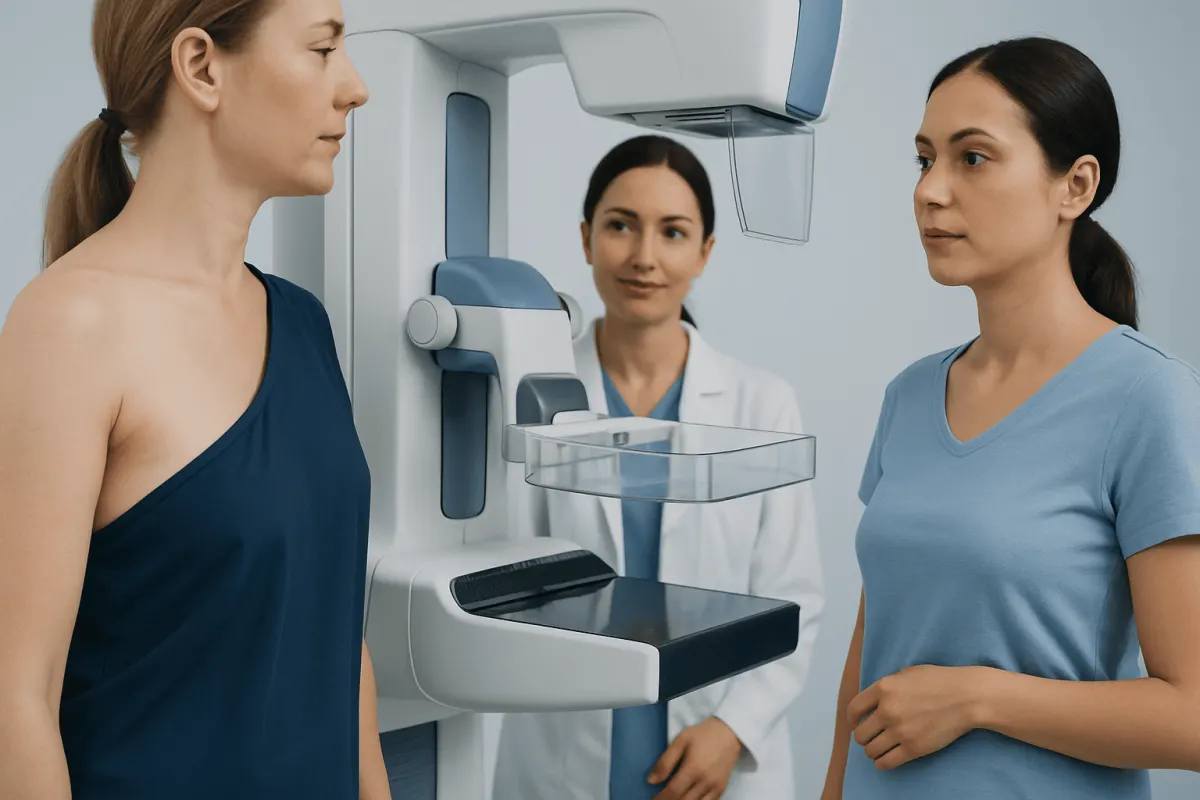
Accessory breast tissue is an additional area of breast tissue outside the usual breast location. The underarm is one of the most common sites. This tissue may contain glandular breast tissue, fat, and sometimes even a nipple or areola, though often it appears simply as fullness or a soft mass. It may enlarge or become tender before menstrual periods, during pregnancy, or with breastfeeding because it can respond to hormones much like normal breast tissue.
A lipoma is a benign tumor of fat tissue. It is usually slow-growing, soft, rubbery, and easy to move slightly under the skin. Lipomas are often painless, though larger ones can cause discomfort from pressure or friction. They can occur almost anywhere in the body, including the underarm, and they do not typically change with the menstrual cycle.
In daily practice, these conditions can look similar, especially when accessory breast tissue contains a large amount of fat. The history can offer clues. Cyclical swelling or tenderness may suggest accessory breast tissue, while a stable, soft, non-tender lump may suggest lipoma. However, the overlap is enough that physical examination alone is not always definitive.
It is also important to remember that not every underarm lump is one of these two diagnoses. Enlarged lymph nodes from infection or inflammation, benign skin cysts, and conditions such as hidradenitis suppurativa may produce lumps in the same area. In some patients, underarm fullness may be related to overall body contour rather than a true discrete mass, which is why structured assessment matters.
Symptoms and Signs Doctors Look For

When evaluating an underarm lump, doctors ask about when it was first noticed and whether it has changed. A lump that appears gradually and remains stable may suggest a benign cause. A lump that grows quickly, becomes firm, or is associated with redness, warmth, or fever may point to infection or inflammation and needs prompt attention.
Symptoms associated with accessory breast tissue can include underarm fullness, tenderness, swelling that changes with the menstrual cycle, discomfort when wearing certain clothing, and cosmetic concern. Some people feel a dragging sensation or notice increased prominence during pregnancy or breastfeeding. The tissue may be present on one or both sides.
Lipomas are often painless. People may notice a soft, rounded, slowly enlarging mass beneath the skin. It may become bothersome if it rubs against clothing, affects arm movement, or creates asymmetry. Pain is less typical unless the lipoma presses on nearby tissues or nerves.
During examination, clinicians pay attention to warning signs that deserve further workup:
- Hard, fixed, or irregular lumps
- Rapid increase in size
- Skin dimpling, ulceration, or persistent redness
- Enlarged lymph nodes
- Unexplained weight loss, fever, or night sweats
- New breast symptoms such as a breast lump or nipple discharge
These features do not automatically mean a serious disease is present, but they do make proper medical review especially important.
Causes and Risk Factors
Accessory breast tissue develops before birth. During fetal development, a line of tissue called the milk line extends from the armpits to the groin. Normally, most of this tissue regresses, leaving the usual breast area on the chest. If some tissue remains in another location, accessory breast tissue can form. This is a congenital variation, meaning a person is born with it, even if it becomes noticeable only later in life.
Hormonal changes are a major reason accessory breast tissue becomes more visible. Puberty, menstrual cycles, pregnancy, breastfeeding, and menopause-related hormonal shifts may all affect the tissue. Weight gain can also make the area more prominent, though accessory breast tissue is not simply the same as ordinary underarm fat.
The exact cause of lipomas is less clear. They are common benign fatty growths and may occur in adults of many ages. Some people have a family tendency to develop lipomas, and minor trauma has sometimes been suggested as a trigger, though this is not always the case. Lipomas are not caused by breast tissue development and do not respond to hormones in the same way accessory breast tissue can.
Other causes of underarm lumps include inflamed hair follicles, blocked glands, cysts, infection, and swollen lymph nodes after illness or vaccination. In a small number of cases, an underarm lump may be related to breast conditions in nearby tissue, including gynecomastia in men or breast-related changes in women. This broad range of possibilities explains why a one-size-fits-all assumption is not appropriate.
How Diagnosis Is Made
Diagnosis usually begins with a careful history and physical examination. The doctor asks whether the lump changes with menstrual periods, pregnancy, or weight fluctuation; whether it is painful; and whether there are associated breast symptoms or signs of infection. The physical examination assesses size, texture, mobility, skin changes, and whether the lump feels superficial or deeper in the axilla.
Ultrasound is often the first imaging test used for an underarm lump. It is widely available, does not use radiation, and can help distinguish fatty tissue, glandular tissue, cysts, and lymph nodes. In many cases, ultrasound can strongly suggest whether the lump is accessory breast tissue or a lipoma. It can also identify findings that warrant more investigation.
If the diagnosis remains uncertain, additional imaging may be considered. Depending on the patient’s age, symptoms, and examination findings, this can include breast imaging or MRI. If a lump has suspicious features, a needle biopsy may be recommended so that a tissue sample can be examined under a microscope. This is especially important when the mass is firm, fixed, enlarging, or associated with abnormal lymph nodes.
The goal of evaluation is not only to name the lump, but to understand whether it needs treatment and what kind of treatment is most appropriate. For patients whose lump is related to accessory breast tissue, information about accessory breast treatment may be helpful. If the concern is more about contour and excess fatty fullness, the doctor may discuss whether body contouring approaches such as classic liposuction are relevant in selected cases after diagnosis is confirmed.
Treatment Options for Accessory Breast Tissue and Lipoma
Treatment depends on the diagnosis, symptoms, and the patient’s preferences. If the lump is clearly benign and not causing discomfort, observation may be enough. Some people choose no treatment once they understand the cause. Regular self-awareness and follow-up are still sensible if the area changes.
For accessory breast tissue, treatment is considered when there is pain, cyclical swelling, difficulty with clothing, hygiene concerns, or a significant cosmetic impact. Surgical removal is often the main option when glandular tissue is present. In some cases, liposuction may be used alone or together with excision, depending on how much of the fullness is fatty versus glandular. Patients exploring broader breast contour concerns may also be counseled about breast aesthetics when this is relevant to their anatomy and goals.
Lipomas are treated only if they are bothersome, growing, painful, or diagnostically uncertain. Standard treatment is surgical excision, which removes the lump and allows full tissue analysis when needed. Some fatty contour problems that are not true lipomas may be managed differently, but a true lipoma should first be diagnosed correctly before any cosmetic treatment is considered.
After removal of either accessory breast tissue or a lipoma, recovery varies by the extent of the procedure. Temporary swelling, bruising, and soreness are common. A doctor explains wound care, activity restrictions, and what to expect from the scar. In patients with combined contour concerns in the upper arm or axillary area, options such as arm liposuction may sometimes be discussed, but only after a clear diagnosis and individualized surgical planning.
Self-care, Monitoring, and When to See a Doctor
Self-care begins with avoiding repeated squeezing or frequent checking of the lump, which can irritate the area and make tenderness worse. It can be helpful to note when the lump was first seen, whether it changes over the month, and whether it is associated with menstrual cycles, pregnancy, or recent illness. Wearing comfortable, non-restrictive clothing may reduce friction if the area is prominent or tender.
People should arrange medical evaluation for any new underarm lump that persists beyond a short period, especially if the cause is not obvious. Prompt review is particularly important if the lump is hard, fixed, rapidly growing, red, warm, very painful, or associated with fever. Breast symptoms such as a breast mass, nipple discharge, or skin changes should also be assessed without delay.
Even when the cause turns out to be benign, many patients feel relieved after proper assessment. Knowing whether the lump is accessory breast tissue, lipoma, or another harmless condition can guide monitoring and reduce uncertainty. If treatment is chosen, it should be based on a confirmed diagnosis rather than appearance alone.
For international patients seeking evaluation and management, Acıbadem Health Point’s multidisciplinary specialists in JCI-accredited hospitals diagnose and treat underarm masses, including accessory breast tissue and benign soft-tissue lumps, with treatment plans tailored to the individual.
Frequently asked questions
01How can someone tell if an underarm lump is accessory breast tissue or a lipoma?
It is often not possible to tell with certainty by touch alone. Accessory breast tissue may become tender or larger with hormonal changes, while a lipoma is often soft, movable, and stable. A clinical examination and ultrasound are commonly used to tell the difference.
02Is accessory breast tissue dangerous?
Accessory breast tissue is usually a benign developmental variation. However, because it is breast tissue, it can develop some of the same benign or, rarely, more serious changes seen in normal breast tissue. That is why persistent or changing underarm lumps should be professionally evaluated.
03Do lipomas in the underarm need to be removed?
Not always. Many lipomas can simply be observed if they are small, painless, and clearly benign. Removal may be recommended if the lump grows, causes discomfort, affects movement or appearance, or if the diagnosis is uncertain.
04What test is usually done first for an underarm lump?
A doctor typically starts with a medical history and physical examination. If imaging is needed, ultrasound is often the first test because it helps assess soft tissues and lymph nodes without radiation. Additional imaging or biopsy is used only when indicated.
05Can accessory breast tissue get bigger during pregnancy or periods?
Yes. Accessory breast tissue may respond to hormones in the same way normal breast tissue does. It can become more noticeable, swollen, or tender during menstrual cycles, pregnancy, or breastfeeding.
06When should an underarm lump be checked urgently?
Urgent assessment is important if the lump is rapidly enlarging, hard, fixed, very painful, red, or associated with fever. It should also be checked promptly if there are enlarged lymph nodes, unexplained weight loss, or any new breast symptoms. These signs do not confirm a serious condition, but they should not be ignored.
This article is for general information only and is not a substitute for professional medical advice. Please consult a qualified doctor about your individual situation.
Explore treatments in Turkey — costs, top hospitals & a free quote
JCI-accredited · board-certified surgeons · reply within 24h
Add us as a Preferred Source to see more of our trusted health content across Google Search, AI Overviews and Discover.