Ablation for Back Pain: When It May Be Considered
Ablation for back pain is a minimally invasive procedure that uses controlled energy to interrupt pain signals from selected nerves. It can help some people with well-defined chronic pain sources, particularly facet joint, sacroiliac joint, or vertebral endplate-related pain, after a careful clinical assessment.
Overview: What Is Ablation for Back Pain?
Ablation for back pain is a minimally invasive pain procedure that disrupts signals in specific nerves believed to be carrying pain from the spine or nearby joints. It is most often considered for persistent pain that has not improved sufficiently with measures such as activity modification, physiotherapy, exercise-based rehabilitation, or appropriate medicines. The procedure does not repair every structural change seen on a scan, and it is not a general treatment for all back pain.
The term “ablation” can describe several techniques. Radiofrequency ablation uses heat produced by radio waves to create a small, controlled lesion near a pain-carrying nerve. Other approaches may use cooled radiofrequency technology, cryoablation, or—in selected cases—basivertebral nerve ablation inside a vertebral bone. The aim is to reduce pain transmission while preserving normal movement and strength.
Whether ablation is appropriate depends less on how severe pain feels and more on whether a clinician can identify a likely pain generator. A specialist considers the person’s symptoms, physical examination, medical history, imaging when needed, and response to targeted diagnostic injections. This stepwise approach helps avoid procedures that are unlikely to address the true cause of pain.
Which Types of Back Pain May Respond?
The most established use of radiofrequency ablation for spinal pain is pain thought to come from the facet joints. These small joints at the back of the spine can become painful with age-related changes, injury, repeated strain, or arthritis. Facet-related pain is often felt in the lower back or neck, may worsen with extension or twisting, and can sometimes spread into the buttock or upper thigh without following a typical nerve-root pattern.
Ablation may also be considered for certain cases of sacroiliac joint pain. The sacroiliac joints connect the spine to the pelvis and may cause pain in the lower back, buttock, groin, or upper leg. In this setting, clinicians may target small sensory nerve branches around the joint after confirming that the joint is a likely source of symptoms.
Basivertebral nerve ablation is a different procedure used for selected people with chronic vertebrogenic low back pain. This pain is linked to changes in the vertebral endplates, the surfaces between spinal bones and discs, which may be visible on MRI. It is not the same as standard facet nerve ablation and requires specific imaging and clinical criteria.
Ablation is generally less likely to help pain mainly caused by a muscle strain, widespread pain sensitivity, unstable spinal conditions, or compression of a spinal nerve from a large disc herniation. For example, leg pain, numbness, or weakness caused by nerve compression may require a different evaluation and treatment plan.
Why a Precise Diagnosis Comes First

Back pain is a symptom rather than one disease. Degenerative changes, disc problems, joint inflammation, fractures, spinal narrowing, nerve irritation, and non-spinal conditions can all cause discomfort in similar areas. It is also common for imaging to show age-related changes that are not necessarily responsible for a person’s pain. For this reason, an MRI or X-ray result alone does not confirm that ablation will help.
Before recommending a procedure, a clinician usually asks about the location, duration, triggers, and pattern of pain. They assess posture, movement, muscle strength, sensation, reflexes, and signs of nerve involvement. Imaging may be appropriate when symptoms suggest a structural cause, when pain has persisted despite treatment, or when warning signs are present.
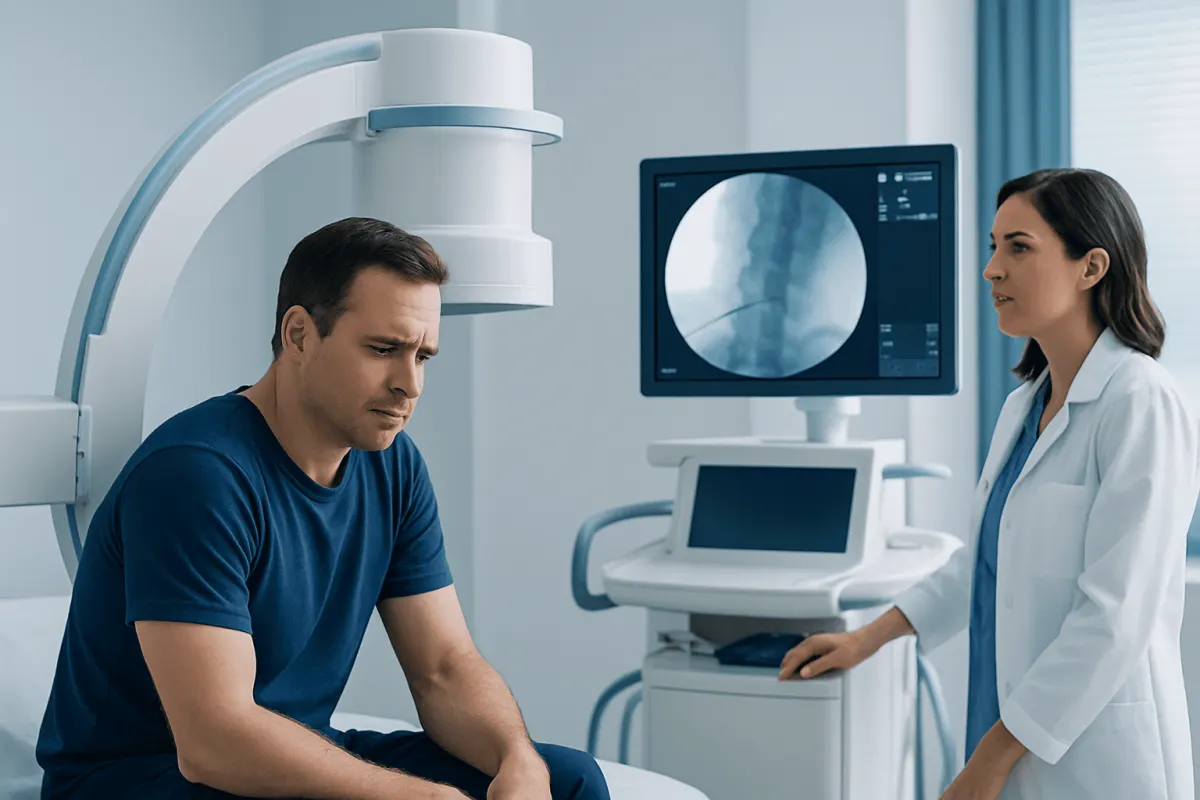
For suspected facet or sacroiliac joint pain, targeted diagnostic blocks are often an important part of assessment. A clinician injects a small amount of local anesthetic near the suspected nerve or joint under imaging guidance. Meaningful temporary relief after the block can support the diagnosis, although it does not guarantee the result of ablation.
People with symptoms related to a disc problem or nerve irritation may need assessment for conditions such as a herniated disc rather than proceeding directly to a nerve ablation procedure. The right treatment should address the underlying pain mechanism whenever possible.
How Radiofrequency and Other Ablation Procedures Are Performed
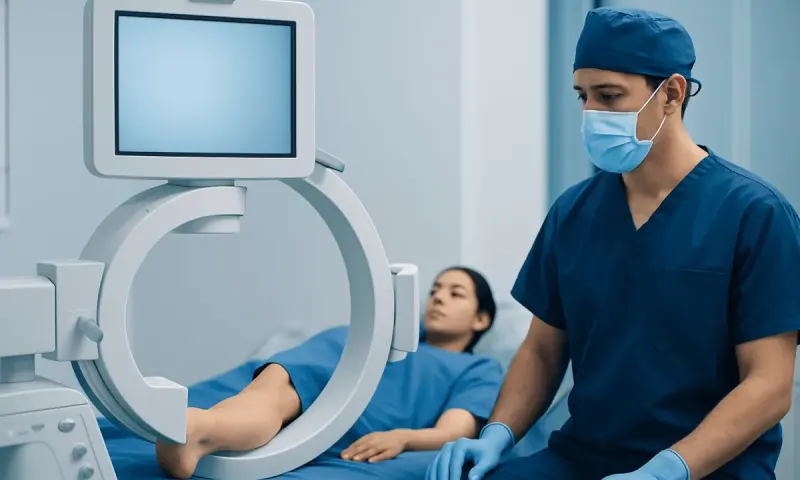
Most spinal ablation procedures are performed as outpatient treatments. The person is positioned comfortably, and the skin is cleaned and numbed with local anesthetic. Sedation may be offered in some settings, but many procedures can be completed while the person remains awake enough to provide feedback if necessary.
Using X-ray guidance, sometimes called fluoroscopy, the clinician places a thin needle close to the target nerve. Small test stimulation may be used to check positioning. Radiofrequency energy is then delivered through the needle for a controlled period, creating a small treatment area intended to interrupt pain signaling. The procedure usually targets sensory nerve branches, not the nerves that control major muscle movement.
Basivertebral nerve ablation follows a different pathway. It involves placing a specialized probe into the affected vertebral body under imaging guidance and treating the nerve inside the bone. Because the target, indications, and technique differ, it should be discussed separately with a spine or pain specialist.
After treatment, many people go home the same day with instructions about activity, wound care, and medicines. The local anesthetic may briefly reduce pain immediately, but the full effect of radiofrequency treatment can take several weeks. Temporary soreness or muscle spasm around the treatment area can occur during early recovery.
Expected Benefits, Limits and Possible Risks
When the pain source has been accurately identified, ablation may reduce pain and make daily movement, sleep, work, or participation in rehabilitation easier. The degree of relief varies. Some people experience substantial improvement, while others have limited or no benefit despite careful selection. It is best viewed as one part of a broader plan that supports mobility, strength, pacing, and long-term spine health.
Relief from radiofrequency ablation is not necessarily permanent. Treated sensory nerves may gradually regenerate, so pain can return after months or longer. If the first procedure was helpful and symptoms recur in the same pattern, repeat treatment may sometimes be discussed. A repeat procedure is not automatically appropriate; the pain should be reassessed first.
Complications are uncommon but possible. These include temporary increased pain, bruising, bleeding, infection, numbness or altered skin sensation, burns, and injury to nearby structures. Serious nerve injury is rare when the procedure is performed with appropriate imaging guidance and safety measures. Risks may be higher for people taking blood-thinning medicines, those with certain bleeding disorders, or those with an active infection.
A person should tell the care team about all medicines, allergies, pregnancy, implanted devices, previous spine procedures, and medical conditions. The clinician can explain individual benefits, alternatives, and risks before consent is given.
Recovery, Rehabilitation and Everyday Self-Care
Recovery plans vary by procedure and individual health needs. Many people can return to gentle daily activities within a short time, but strenuous exercise, heavy lifting, or prolonged driving may need to be limited initially. The treating team provides specific instructions, especially if sedation was used or if the person has other medical conditions.
Improved pain control can create an opportunity to rebuild confidence in movement. Physiotherapy or a structured exercise program may focus on trunk endurance, hip strength, flexibility, balance, and safe lifting habits. Gradual, regular activity is generally more useful than extended bed rest for most persistent mechanical back pain.
Helpful self-care may also include maintaining a comfortable sleep routine, changing positions regularly during sedentary work, using heat or cold when advised, and stopping smoking if applicable. Reaching or maintaining a weight that supports overall health can reduce load on the spine and joints, though weight is only one of many factors involved in back pain.
People should avoid relying on ablation alone. Ongoing symptoms can be influenced by sleep, stress, mood, work demands, physical deconditioning, and other health conditions. A multidisciplinary plan can address these factors without suggesting that pain is “all in the mind.”
When to Seek Medical Care
Medical assessment is appropriate when back pain lasts several weeks, repeatedly returns, limits normal activities, or does not improve with sensible self-care. A clinician can determine whether the symptoms are likely to come from joints, discs, nerves, muscles, or another cause, and whether a procedure such as ablation is relevant.
Urgent medical care is needed for back pain accompanied by new or worsening leg weakness, numbness in the groin or saddle area, loss of bladder or bowel control, inability to urinate, fever, severe unwellness, or pain after a significant injury. Prompt evaluation is also important for unexplained weight loss, a history of cancer, immune suppression, or pain that is severe at night and not relieved by rest.
New pain spreading below the knee with numbness, tingling, or weakness should be assessed, particularly when symptoms are progressing. These features can indicate nerve-root involvement and may require a different treatment pathway than facet or sacroiliac nerve ablation.
Acıbadem Health Point’s multidisciplinary specialists and JCI-accredited hospitals assess and treat spine and pain conditions for international patients, with treatment decisions guided by the individual diagnosis and clinical findings.
Frequently asked questions
01Is ablation for back pain the same as surgery?
Ablation is generally considered a minimally invasive procedure rather than open surgery. It is usually performed through a needle or small probe using imaging guidance, often without an overnight hospital stay. However, it is still a medical procedure with potential risks and requires careful patient selection.
02How long does radiofrequency ablation for back pain last?
The duration of relief varies widely depending on the pain source, procedure type, and individual response. Nerves can regenerate over time, so pain may gradually return after months or longer. A clinician can reassess recurrent symptoms to determine whether repeat treatment or another approach is appropriate.
03Does ablation help sciatica?
Standard facet nerve ablation is not usually a treatment for sciatica caused by compression or inflammation of a spinal nerve root. Sciatica often produces pain traveling down the leg and may be associated with tingling, numbness, or weakness. The cause should be evaluated because treatment may involve rehabilitation, medicines, injections, or occasionally surgery.
04Will an MRI show whether ablation will work?
An MRI can provide useful information about discs, nerves, bones, and other spinal structures, but it cannot by itself predict whether ablation will relieve pain. Imaging findings must be interpreted alongside symptoms and examination results. For facet or sacroiliac pain, diagnostic blocks may provide additional information.
05Is radiofrequency ablation painful?
Local anesthetic is used to numb the skin and deeper tissues, and some people may receive sedation depending on the treatment setting. Patients can feel pressure or brief discomfort during parts of the procedure. Mild soreness or a temporary pain flare afterward is possible and usually improves with the recovery measures advised by the care team.
06Who should not have back pain ablation?
Ablation may not be suitable when the pain source is uncertain, when there is an active infection, or when bleeding risk cannot be safely managed. It may also be unsuitable if symptoms point to serious nerve compression, spinal instability, fracture, cancer, or another condition requiring different care. An experienced clinician should review the person’s medical history, medicines, and test results before recommending treatment.
This article is for general information only and is not a substitute for professional medical advice. Please consult a qualified doctor about your individual situation.
Joint and spine care in Turkey — expert assessment & treatment
JCI-accredited · board-certified surgeons · reply within 24h
Add us as a Preferred Source to see more of our trusted health content across Google Search, AI Overviews and Discover.