Abdominal CT Scan With Contrast: What It Shows
An abdominal CT scan with contrast is an imaging test that combines X-rays and a contrast agent to produce detailed pictures of the abdomen and pelvis. It is commonly used to investigate symptoms such as abdominal pain, injury, infection, bleeding, or changes seen on other tests.
Overview: What Is an Abdominal CT Scan with Contrast?
An abdominal CT scan with contrast is a diagnostic imaging examination that uses a series of X-rays and computer processing to create detailed cross-sectional images of the abdomen, often including the pelvis. Contrast is a substance that makes selected body structures stand out more clearly on the images. This can help clinicians assess organs such as the liver, gallbladder, pancreas, spleen, kidneys, bowel, bladder, and major blood vessels.
Contrast may be administered into a vein through a small cannula, taken by mouth as a liquid, or used in another form when appropriate. Intravenous iodinated contrast is particularly useful for examining blood vessels, inflammation, injuries, tumors, and how organs take up blood. Oral contrast may help define parts of the stomach and intestines.
The test is often requested when a clinician needs more detail than an ultrasound or standard X-ray can provide. It does not diagnose every condition on its own; the images are interpreted alongside symptoms, physical examination findings, laboratory tests, and medical history.
Why a Clinician May Request This Scan
An abdominal CT scan with contrast can help identify a wide range of possible causes of abdominal or pelvic symptoms. It may be used for sudden or persistent pain, fever with suspected infection, unexplained weight loss, jaundice, nausea and vomiting, changes in bowel habits, blood in urine, or concerns after an abdominal injury.
The scan can show inflammation, abscesses, internal bleeding, bowel obstruction, urinary stones, organ injury, enlarged lymph nodes, and changes in the liver, pancreas, kidneys, or bowel. For example, it may be part of an assessment for suspected appendicitis or other acute causes of lower abdominal pain. It can also help characterize findings detected by ultrasound or monitor a known condition over time.
In some situations, a non-contrast CT, ultrasound, or MRI may be more suitable. The radiology and referring teams select the examination protocol based on the clinical concern, the body area being studied, prior imaging, radiation considerations, kidney function, and the person’s medical circumstances.
Preparing for an Abdominal CT with Contrast

Preparation instructions vary by imaging center and by the type of contrast planned. The patient should follow the instructions provided by the clinical team, which may include avoiding food for several hours beforehand. Drinking clear fluids may be allowed or encouraged in some cases, but this should be confirmed with the imaging department.
Before the examination, the patient will usually be asked about previous reactions to contrast material, asthma or significant allergies, kidney disease, thyroid conditions, diabetes, current medicines, and the possibility of pregnancy. It is especially important to mention metformin or other diabetes medication, since the care team may need to advise on medicine timing based on kidney function and local protocols.
Recent blood tests may be reviewed to check kidney function when intravenous iodinated contrast is planned, especially for people with known kidney disease or other risk factors. Patients should bring relevant imaging reports, a medication list, and details of prior contrast reactions. They may be asked to remove metal items, such as belts or jewelry, and change into a gown.
- Tell the team about kidney problems, dialysis, diabetes, or dehydration.
- Report any previous reaction to CT contrast, including rash, breathing symptoms, or swelling.
- Tell staff if pregnancy is possible or if the patient is breastfeeding.
- Ask in advance if sedation is planned, as this can affect travel arrangements afterward.
What Happens During the Procedure?
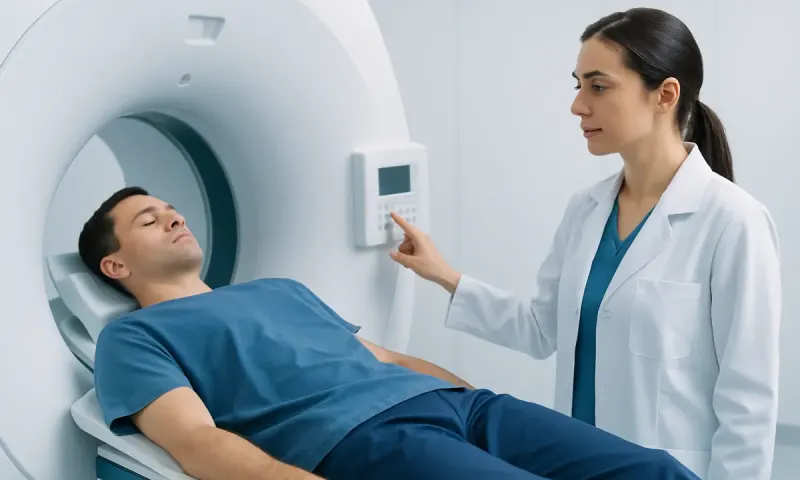
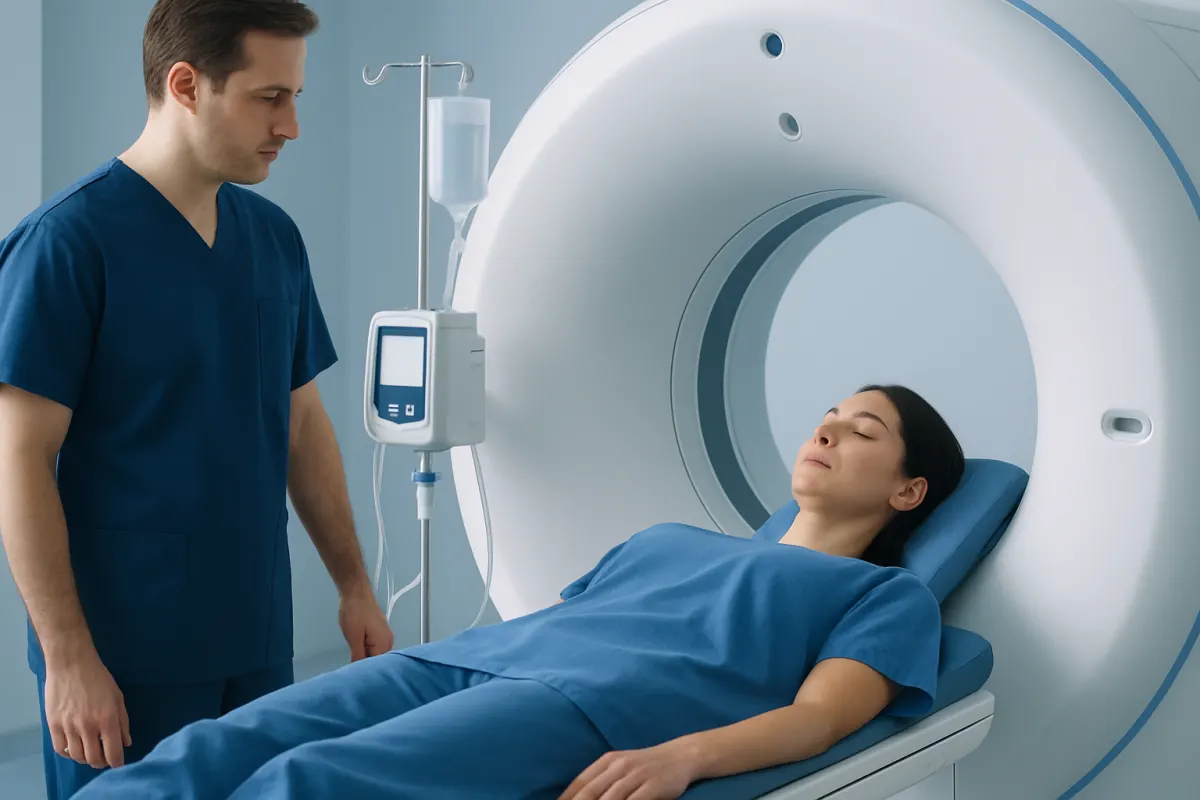
At the appointment, a radiographer positions the patient on a narrow table that moves slowly through the circular opening of the CT scanner. The machine is open at both ends and does not usually enclose the entire body. The patient may be asked to lie on their back with arms positioned above the head to improve image quality.
If intravenous contrast is required, a small cannula is placed into a vein, usually in the arm or hand. When contrast is injected, many people notice a brief warm or flushed sensation, a metallic taste, or the feeling of passing urine. These sensations are expected and generally pass within a minute or two.
The radiographer operates the scanner from an adjacent room but can see, hear, and speak with the patient throughout the examination. The patient will need to remain still and may receive short breath-holding instructions. Image acquisition often takes only seconds, while the overall visit may take longer because of registration, preparation, contrast administration, and observation if needed.
CT uses ionizing radiation. The scan protocol is tailored to obtain clinically useful images while keeping radiation exposure as low as reasonably achievable. A clinician can explain why the expected diagnostic value of the scan is considered to outweigh the small radiation-related risk in an individual situation.
Safety, Contrast Reactions, and Special Considerations
CT examinations are widely used and are generally well tolerated. Most reactions to iodinated contrast are mild, such as temporary nausea, itching, or a limited skin rash. Serious allergic-like reactions are uncommon, and imaging departments are equipped to recognize and treat urgent reactions promptly.
Intravenous contrast can occasionally affect kidney function, mainly in people who already have significant kidney impairment or other risk factors. The imaging team considers these risks before the scan and may check kidney blood tests, adjust the plan, recommend hydration, or choose a different imaging method when appropriate.
Pregnancy should always be discussed before a CT scan because radiation may be relevant to the developing fetus. In urgent situations, imaging may still be appropriate, but the care team will carefully consider alternatives and use the most suitable technique. Breastfeeding guidance after iodinated contrast is usually straightforward, but patients should ask their clinician or radiology department for personalized advice.
A contrast injection can rarely leak outside the vein, causing local discomfort or swelling. Patients should notify staff immediately if they feel burning, pain, or unusual swelling near the injection site. The team can assess the area and provide aftercare advice.
Recovery After the Scan and Understanding Results
Most people can leave soon after an abdominal CT scan with contrast and resume usual daily activities. Unless the clinician gives different advice, drinking water after the examination can support normal hydration. Patients who received sedation, which is uncommon for routine CT, should arrange for someone else to take them home and should follow the specific safety instructions provided.
The images are reviewed by a radiologist, a doctor specializing in medical imaging. The radiologist prepares a report describing relevant findings and may compare the scan with earlier examinations. The referring clinician then explains what the results mean in the context of the patient’s symptoms and may recommend further tests, monitoring, specialist review, or treatment.
Timing for results depends on the reason for the scan and local processes. Urgent findings may be communicated quickly to the clinical team, while non-urgent reports may take longer. A scan result can be normal, can identify a likely explanation for symptoms, or can show an incidental finding that needs clarification but may not be related to the original concern.
Acıbadem Health Point’s multidisciplinary specialists and JCI-accredited hospitals support international patients who require diagnostic assessment and follow-up care after abdominal imaging.
When to Seek Medical Care
Patients should seek urgent medical care rather than waiting for an outpatient scan if they have severe or worsening abdominal pain, a rigid or markedly swollen abdomen, fainting, confusion, vomiting blood, black stools, heavy rectal bleeding, chest pain, or difficulty breathing. These symptoms can have many causes, some of which require prompt assessment.
After contrast administration, immediate help is needed for breathing difficulty, swelling of the face or throat, widespread hives, severe dizziness, or loss of consciousness. These symptoms may indicate a significant reaction and should be treated urgently. New severe pain, increasing redness, blistering, or marked swelling at the injection site should also be assessed.
For non-urgent concerns, patients should contact the referring clinician if symptoms continue, worsen, or if they have questions about preparation, medications, contrast safety, or results. A CT scan is one part of care, and timely clinical follow-up helps ensure that findings are interpreted appropriately.
Frequently asked questions
01How long does an abdominal CT scan with contrast take?
The actual image acquisition is often completed within a few minutes, sometimes in less than a minute. The full appointment may take longer because it includes preparation, screening questions, placing an intravenous line if needed, and receiving contrast. The imaging center can provide the most accurate estimate for the planned protocol.
02Is an abdominal CT scan with contrast painful?
The scan itself is painless. There may be brief discomfort when the intravenous cannula is inserted, and intravenous contrast can cause temporary warmth, flushing, or a metallic taste. Patients should tell the radiographer about any pain, burning, or unexpected symptoms during the injection.
03Can someone eat before an abdominal CT with contrast?
Instructions differ depending on why the scan is being performed and whether oral or intravenous contrast is used. Some patients are asked not to eat for several hours beforehand, while others may have different directions. It is important to follow the instructions given by the radiology department rather than making changes independently.
04Is CT contrast safe for people with kidney disease?
Iodinated contrast may require extra caution in people with reduced kidney function. The care team may review recent kidney blood tests, consider individual risk factors, recommend hydration, or select a different imaging approach. Patients should not avoid or delay necessary care without discussing the scan with their clinician.
05When will abdominal CT scan results be available?
A radiologist must review the images and prepare a report before results are finalized. Urgent results may be shared promptly with the treating team, while routine results may take several days depending on local practice. The referring clinician is usually best placed to explain the findings and next steps.
06What should someone do after receiving CT contrast?
Most people can return to normal activities immediately and can drink fluids as usual unless they have been given a different medical instruction. It is important to seek urgent help for symptoms such as trouble breathing, facial swelling, widespread hives, or severe dizziness. Any concerns about medicines, kidney disease, or a delayed rash should be discussed with a healthcare professional.
This article is for general information only and is not a substitute for professional medical advice. Please consult a qualified doctor about your individual situation.
Medical weight-loss options in Turkey — costs & eligibility
JCI-accredited · board-certified surgeons · reply within 24h
Add us as a Preferred Source to see more of our trusted health content across Google Search, AI Overviews and Discover.