A Glass of Wine: Health Risks and Evidence
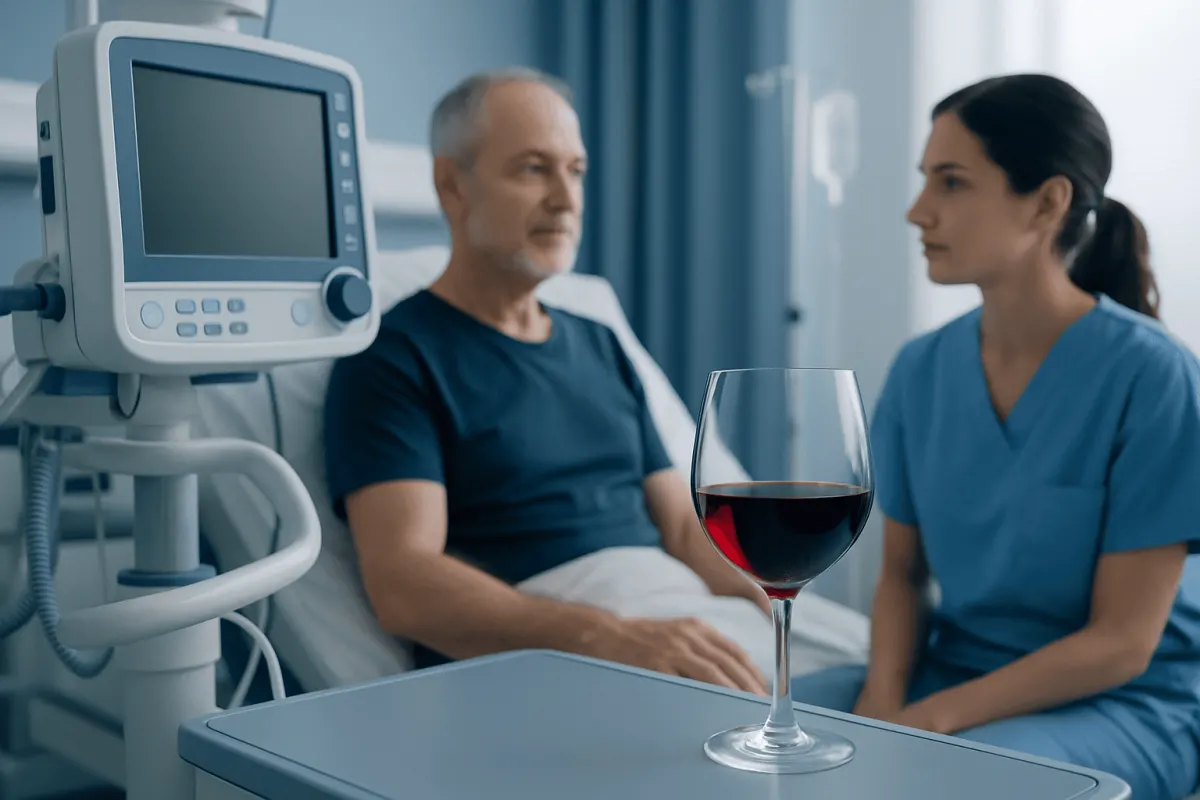
A glass of wine may be part of social occasions or meals, but it is not a health treatment. Current medical evidence shows that alcohol can cause harm even at low levels, while many claimed benefits of wine are better explained by lifestyle factors rather than the wine itself.
What does a glass of wine mean for health?
A glass of wine is not proven to improve health, and there is no medical reason for a person who does not drink alcohol to begin drinking. Although wine, especially red wine, has often been associated with heart health, more recent research has shown that many apparent benefits may reflect other habits common among moderate drinkers, such as diet, exercise, income, access to healthcare, and social connection.
Wine contains alcohol, known medically as ethanol. Ethanol affects the brain, liver, heart, digestive system, sleep, and other organs. The overall health effect depends on how much and how often a person drinks, their age, medical history, medications, and whether alcohol is combined with driving or other safety-sensitive activities.
For people who choose to drink, the safest approach is to drink less rather than more. It is also important to understand that “moderate” does not mean risk-free: lower alcohol intake generally means lower risk, particularly for certain cancers and alcohol-related injuries.
Why the red wine health myth developed
Red wine contains polyphenols, including resveratrol, which are plant compounds also found in grapes, berries, peanuts, and some other foods. In laboratory studies, some polyphenols have antioxidant or anti-inflammatory effects. This led to interest in whether red wine might protect the heart.
However, findings from laboratory research do not automatically translate into a health benefit from drinking wine. The amount of these compounds in a usual serving of wine is relatively small, and alcohol itself has harmful biological effects. Grapes, berries, vegetables, nuts, olive oil, and other foods can provide beneficial plant compounds without exposing the body to alcohol.
Earlier observational studies sometimes suggested that people who drank small amounts of wine had fewer heart problems than people who did not drink. These comparisons are difficult because “non-drinkers” may include former drinkers who stopped because of illness, while people who drink modestly may differ in many health-related ways. Better-designed research has made the protective effect of alcohol appear much less certain.
Possible short-term effects of a glass of wine

Even one glass of wine can affect a person differently depending on body size, sex, age, food intake, tolerance, health conditions, and medicines. Alcohol is absorbed into the bloodstream and can reduce reaction time, coordination, judgement, and concentration before a person feels obviously intoxicated.
Some people experience facial flushing, headache, heartburn, nausea, nasal congestion, palpitations, or worsening migraine after wine. Wine can also trigger symptoms in people with gastroesophageal reflux disease, irritable bowel symptoms, rosacea, or sensitivity to certain ingredients. These reactions do not necessarily mean an allergy, but recurring symptoms deserve discussion with a clinician.
Alcohol may make a person feel sleepy initially, yet it commonly disrupts normal sleep later in the night. It can reduce sleep quality, increase early waking, and worsen snoring or obstructive sleep apnea. Using wine as a way to manage stress or fall asleep can gradually become an unhelpful pattern.
- Never drive, cycle in traffic, swim, operate machinery, or make important safety decisions after drinking.
- Avoid mixing alcohol with recreational drugs or sedating medicines.
- Eating food and drinking water may reduce discomfort, but they do not prevent alcohol impairment.
Long-term health risks and who is more vulnerable
Regular alcohol use can contribute to high blood pressure, irregular heart rhythms, liver inflammation and scarring, pancreatitis, digestive problems, depression, anxiety, and alcohol dependence. It can also add calories and may contribute to weight gain in some people. The risk rises with higher amounts and with episodes of heavy drinking.
Alcohol is a known cause of several cancers, including cancers of the mouth, throat, voice box, esophagus, liver, bowel, and breast. This does not mean that every person who drinks will develop cancer. It means alcohol is one modifiable factor that can increase risk, and risk generally increases as intake increases.
Some groups are more vulnerable to harm from alcohol. Older adults may be more sensitive to its effects and more likely to take interacting medicines. People with liver disease, a history of pancreatitis, certain heart rhythm disorders, mental health concerns, or past alcohol-use problems should seek individualized advice. For people living with liver cirrhosis, avoiding alcohol is particularly important unless their specialist advises otherwise.
Alcohol should be avoided during pregnancy and when trying to conceive, as no known safe amount has been established in pregnancy. People who are breastfeeding should discuss alcohol use with a qualified clinician. Children and adolescents should not drink alcohol, as their brains and bodies are still developing.
Wine, medicines, and health conditions
Wine can interact with prescription medicines, over-the-counter products, and herbal remedies. Particularly important combinations include sleeping pills, anti-anxiety medicines, opioid pain medicines, some antihistamines, certain antidepressants, seizure medicines, Side Effects — A Clinical Overview" class="ahp-ilk">blood thinners, and diabetes medicines. Combining alcohol with sedating medication can dangerously slow breathing or impair alertness.
People with diabetes may notice changes in blood glucose after alcohol, particularly if they drink without eating or use insulin or medicines that can lower blood sugar. Alcohol can also make it harder to recognize symptoms of low blood sugar. Those with diabetes should ask their healthcare team for advice that fits their treatment plan.
Wine may worsen reflux, gastritis, ulcers, or bowel symptoms for some individuals. It may also aggravate gout by raising uric acid levels and contribute to dehydration. A person with ongoing abdominal pain, yellowing of the skin or eyes, vomiting, black stools, or unexplained weight loss should not self-manage with dietary changes alone and should seek medical assessment.
How to make lower-risk choices
Choosing not to drink is always a healthy option. People who enjoy wine and decide to drink can reduce potential harm by keeping occasions infrequent, avoiding large pours, and including alcohol-free days. A standard drink is not always the same as a typical restaurant or home pour, and wine glasses can hold more than one serving.
It helps to make a plan before a social event: choose an alcohol-free alternative, alternate with water, eat a meal, arrange safe transport, and avoid pressure to keep up with others. Alcohol should never be used to cope with low mood, grief, anxiety, insomnia, or relationship difficulties. Support from a doctor or mental health professional is more effective and safer for these concerns.
People who drink regularly and find it difficult to cut down should speak openly with a healthcare professional. Alcohol dependence is a medical condition, not a failure of willpower, and effective support is available. Suddenly stopping alcohol can be unsafe for some people who drink heavily every day, so medical guidance is important before making abrupt changes.
A balanced eating pattern, regular physical activity, adequate sleep, not smoking, and management of blood pressure and cholesterol are evidence-based ways to support cardiovascular health. These habits offer more reliable health benefits than adding a glass of wine.
When to seek medical care
Urgent medical care is needed for confusion, loss of consciousness, slow or irregular breathing, seizures, repeated vomiting, severe chest pain, or a person who cannot be awakened after drinking. These symptoms can indicate alcohol poisoning or another serious medical problem. Emergency services should be contacted promptly; a person should not be left alone to “sleep it off.”
A doctor should assess recurrent flushing, hives, wheezing, severe headaches, palpitations, or digestive symptoms after wine. Medical advice is also appropriate for anyone worried about their drinking, experiencing cravings, needing alcohol to relax or sleep, hiding use, or facing work, relationship, or safety problems related to alcohol.
Acıbadem Health Point’s multidisciplinary specialists and JCI-accredited hospitals can assess alcohol-related health concerns and support international patients with appropriate evaluation and treatment planning. A qualified clinician can offer confidential, individualized advice based on a person’s health history and current medicines.
Frequently asked questions
01Is one glass of wine a day healthy?
A daily glass of wine is not considered necessary for health, and it is not risk-free. While some earlier studies suggested possible heart benefits, newer evidence indicates that lifestyle differences may explain much of this association. For people who do not drink, health organizations do not recommend starting for health reasons.
02Is red wine healthier than white wine?
Red wine generally contains more polyphenols than white wine because it is made with longer contact with grape skins. However, both red and white wine contain alcohol, and red wine's plant compounds do not remove alcohol-related risks. Fruits, vegetables, and other plant foods are safer sources of polyphenols.
03Can a glass of wine help with sleep?
Wine may make a person feel drowsy at first, but it can disrupt sleep later in the night. It may reduce restorative sleep, increase waking, and worsen snoring or sleep apnea. It is best not to use alcohol as a sleep aid.
04Can wine raise blood pressure?
Regular alcohol intake, especially at higher levels, can raise blood pressure and increase the risk of heart rhythm problems. People with high blood pressure should discuss their alcohol intake with their clinician. Reducing alcohol may be one helpful part of a broader blood pressure plan.
05Who should not drink wine at all?
Alcohol should be avoided during pregnancy, by children and adolescents, before driving or operating machinery, and when taking certain medications. It is also generally unsuitable for people with alcohol dependence, significant liver disease, previous pancreatitis, or medical conditions made worse by alcohol. Individual advice from a doctor is important when there is any uncertainty.
06How can someone cut down on wine?
Practical steps include choosing smaller servings, setting alcohol-free days, avoiding keeping wine readily available at home, and replacing the usual drinking occasion with another activity or beverage. Support from family, a doctor, or an alcohol-treatment service can be valuable if cutting down feels difficult. People who drink heavily every day should seek medical advice before stopping suddenly.
This article is for general information only and is not a substitute for professional medical advice. Please consult a qualified doctor about your individual situation.
Heart care in Turkey — expert evaluation and treatment
JCI-accredited · board-certified surgeons · reply within 24h
Add us as a Preferred Source to see more of our trusted health content across Google Search, AI Overviews and Discover.