7 Days After Hair Transplant: Procedure, Benefits, Risks and Recovery

Key Takeaways
- Seven days after a hair transplant is usually a transition point, not the finish line, in healing.
- Mild redness, itching, tightness, and small scabs can still be normal at this stage.
- The grafts are still maturing, so gentle washing and careful handling remain important.
- Strenuous exercise, scratching, and direct sun exposure should still be avoided if the surgeon advises it.
- Unexpected pain, pus, fever, or heavy bleeding should be discussed with a doctor promptly.
At 7 days after hair transplant, many people notice the scalp looks calmer, the grafts feel more secure, and scabbing is starting to lift as healing progresses. This stage is an important checkpoint for understanding what is normal, how to care for the scalp, and when to speak with the surgical team.
Overview
At 7 days after hair transplant, the scalp is usually moving from early healing into a more settled phase. For many patients, this is the time when the immediate shock of surgery has faded, the donor and recipient areas look less raw, and the first signs of recovery become easier to see. The transplanted follicles are still in a delicate period, however, so the next few days still matter for protecting the result.
This stage is often when international patients begin checking the scalp closely and asking whether what they see is normal. That question is reasonable: crusting, mild redness, and a sense of tightness can still be part of the expected course. The main goal is to avoid disturbing the grafts while supporting clean, calm healing, especially if the person is recovering away from the clinic and planning follow-up from another country.
Hair transplant techniques differ, but the recovery logic is similar. Whether the procedure used follicular unit extraction or another approach, the first week is mainly about protecting the implanted follicles, reducing irritation, and following the surgeon’s washing instructions carefully. This period does not yet reflect the final cosmetic outcome, which develops over months rather than days.
What healing usually looks like on day 7
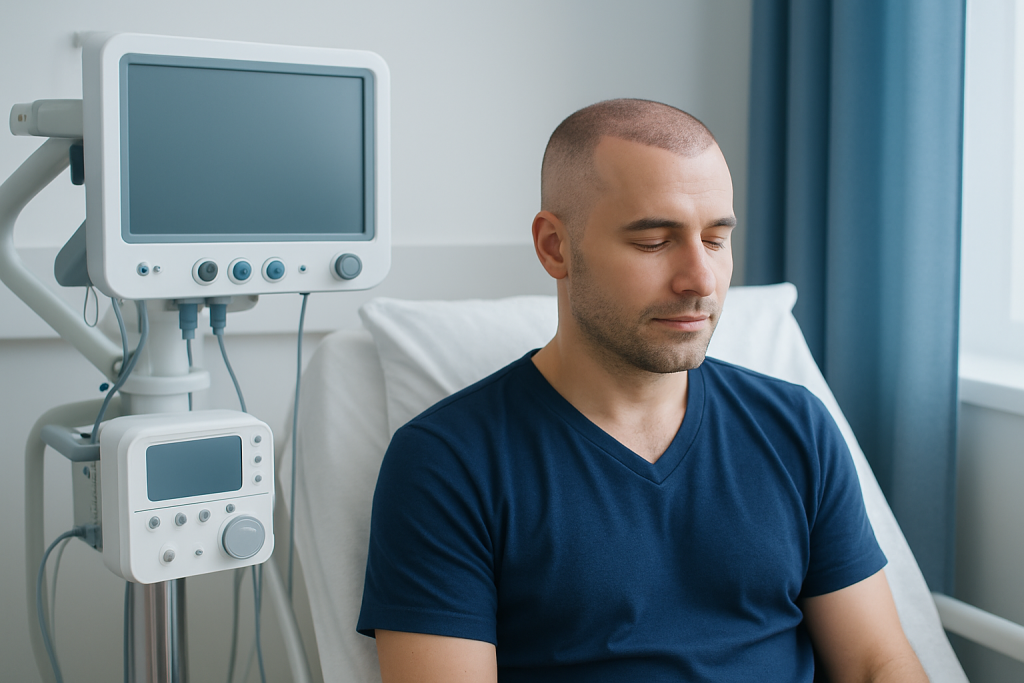
By day seven, the transplanted area often appears less swollen than it did in the first few days. Small scabs or crusts may still be attached to the graft sites, and mild pinkness can remain around both the recipient and donor areas. Many people also notice itching at this stage as the skin heals, which is usually a sign of recovery rather than a problem on its own.
Some patients are surprised that the hair shafts placed during surgery may shed later. That can be normal and does not mean the follicles have failed. The follicle is the important part; the visible hair often falls before new growth starts several months later. On day seven, the grafts are still establishing themselves beneath the skin.
Typical day-7 observations may include:
- Small, dry scabs around the grafts
- Less swelling than in the first few days
- Mild redness or pink discoloration
- Itching or light tenderness
- A donor area that feels more comfortable, though not fully healed
Healing varies from person to person. Factors such as skin sensitivity, the number of grafts, the body’s natural healing response, and how carefully aftercare instructions are followed can influence what the scalp looks and feels like at this point.
Causes and risk factors for slower recovery

Most day-7 recovery issues are related to normal healing, but some factors can slow the process or irritate the scalp. Scratching, picking at scabs, wearing tight headgear too early, or washing too aggressively can disturb the graft area. Sun exposure, sweat, and friction from pillows or hats can also make the scalp feel more inflamed than it needs to be.
People with certain health conditions may need extra guidance. Diabetes, smoking, poor nutrition, some autoimmune conditions, and skin disorders can influence wound healing. A patient’s medication list also matters, since some medicines increase bleeding risk or interact with perioperative care. For this reason, a careful medical history is important before and after the procedure.
Other factors that may affect recovery include the extent of the transplant, the surgical technique used, and how closely the patient can follow instructions after traveling home. International patients may need a clear written plan for washing, sleeping position, medication timing, and who to contact if questions come up after they have left the hospital.
How the diagnosis and follow-up are assessed
There is no special “test” for day-7 healing in most cases. Instead, the surgeon or clinic team usually evaluates the scalp by looking at the donor and recipient areas, checking for excessive redness, swelling, discharge, or signs that grafts may have been disturbed. A follow-up can be in person, by photos, or by telemedicine, depending on where the patient is recovering.
During this review, the team may ask about pain level, itching, scab shedding, washing habits, and any activities that could have affected the scalp. This conversation helps distinguish expected healing from a problem that needs treatment. If the patient is abroad, high-quality photographs taken in good light can be very helpful for remote assessment.
Patients should avoid trying to judge the success of the transplant too early based on how dense the hair looks at one week. The early appearance is not the final result. Medical follow-up is mainly about confirming safe healing and identifying issues early, not about assessing long-term hair growth yet.
Treatment options and aftercare at this stage
At seven days, treatment usually means supportive aftercare rather than active medical intervention. Many surgeons recommend gentle washing to keep the scalp clean and help crusts soften naturally. The exact method should always follow the clinic’s instructions, since protocols differ by technique and by individual healing needs.
Common aftercare measures may include:
- Washing the scalp gently as instructed
- Avoiding scratching or rubbing the grafts
- Sleeping in a position that limits pressure on the scalp, if advised
- Staying away from heavy exercise or activities that cause sweating
- Protecting the scalp from direct sun exposure
If redness, pain, or swelling seems to be increasing instead of improving, the clinician may want to review the scalp. In some situations, a doctor may recommend a topical or oral treatment if there is irritation or a suspected infection, but treatment should only be guided by the operating team or a qualified physician. It is better not to self-medicate with random products on a healing scalp.
Benefits of careful recovery during the first week
The value of good day-7 care is practical and long term. When the scalp is kept clean, protected, and undisturbed, the grafts have a better environment for settling into place. This can reduce the chance of avoidable trauma, infection, and unnecessary inflammation.
Another benefit is peace of mind. Patients who understand what is expected at this stage are less likely to panic over normal scabs or temporary shedding. That reassurance is especially important for those recovering after travel, when they may not be able to walk into the operating clinic for every small concern.
Good recovery habits also support the wider healing journey. People who rest well, avoid smoking, follow follow-up plans, and return for review when needed are more likely to move through the coming weeks with fewer setbacks. In hair restoration, the early healing period sets the tone for the months that follow.
Prevention and self-care
The safest approach on day seven is simple and consistent. Follow the clinic’s washing schedule exactly, keep hands away from the graft area, and avoid products that were not specifically approved by the surgeon. Even natural or over-the-counter products can irritate a healing scalp.
It also helps to plan the recovery environment thoughtfully. Clean pillowcases, loose clothing, and a comfortable sleeping setup can reduce friction. If the patient has returned home internationally, it may be wise to keep the clinic’s written instructions accessible and to save contact details for remote questions.
General self-care includes:
- Drinking enough fluids and eating balanced meals
- Avoiding smoking and limiting alcohol, if advised
- Using sun protection only as approved for the healing stage
- Not resuming sports, saunas, or pools until cleared
- Attending scheduled follow-up appointments, even if recovery seems smooth
Small choices matter more than dramatic gestures at this point. The goal is calm, uneventful healing, not trying to speed the process with extra products or vigorous cleansing.
When to see a doctor
Contact the surgeon or a qualified doctor if the scalp becomes more painful instead of less painful, redness spreads, or swelling returns after improving. Pus, a bad odor, fever, or persistent bleeding deserve prompt medical review. These signs do not automatically mean something serious is happening, but they do need professional assessment.
Patients should also seek advice if grafts appear to have been pulled out, if a significant area was scratched or traumatized, or if there is uncertainty about how to wash the scalp safely. If travel makes an in-person review difficult, ask for a telemedicine appointment or guided photo review as soon as possible.
For international patients, continuity of care matters. Acibadem Health Point’s multidisciplinary specialists and JCI-accredited hospitals can diagnose and treat hair and scalp concerns for international patients, including follow-up questions after the initial procedure. Clear communication between the patient and the care team helps recovery stay on track.
What to expect after the first week
After the first week, the scalp usually becomes less tender, and many of the visible scabs begin to disappear. The transplanted hairs may still shed in the coming weeks, which can be unsettling if it is unexpected, but this shedding is often part of the normal cycle before new growth begins.
Patience is essential. Hair transplant results develop gradually, and the early appearance at day seven does not predict the final outcome by itself. Most patients are advised to think in stages: first, safe healing; then, temporary shedding; then new growth over the following months.
A good recovery is usually quiet rather than dramatic. If the scalp is healing comfortably, the patient is following instructions, and the clinic is available for follow-up, the procedure has passed one of its most important early checkpoints.
Frequently asked questions
01Is 7 days after a hair transplant still considered early healing?
Yes. Day seven is still part of the early healing phase, even if the scalp looks much better than it did right after surgery. The grafts are still settling, so careful handling remains important.
02Are scabs normal 7 days after hair transplant?
Small scabs are often expected at this stage. They should not be picked or scrubbed off unless the surgeon has specifically advised a certain washing method.
03Can the transplanted hair fall out after one week?
Yes, the visible hair shafts can shed after surgery, and that can be normal. The follicles beneath the skin are the important part, and new growth usually starts later.
04Can a person exercise 7 days after hair transplant?
That depends on the surgeon’s instructions and the individual’s healing. Many patients are still asked to avoid strenuous exercise, heavy sweating, or contact activities until they are cleared.
05What is not normal at 7 days after a hair transplant?
Increasing pain, spreading redness, pus, fever, heavy bleeding, or a foul odor are not typical and should be reviewed by a doctor. Sudden trauma to the graft area also deserves prompt attention.
06How can international patients follow up after returning home?
Many clinics offer photo review or telemedicine follow-up for patients who have traveled abroad. Keeping written aftercare instructions and the surgical team’s contact details makes this easier and safer.
This article is for general information only and is not a substitute for professional medical advice. Please consult a qualified doctor about your individual situation.
Hair transplant in Turkey — costs, graft counts & a free assessment
JCI-accredited · board-certified surgeons · reply within 24h
Add us as a Preferred Source to see more of our trusted health content across Google Search, AI Overviews and Discover.