2-Day vs 1-Day Colonoscopy Prep: Which Is Right?
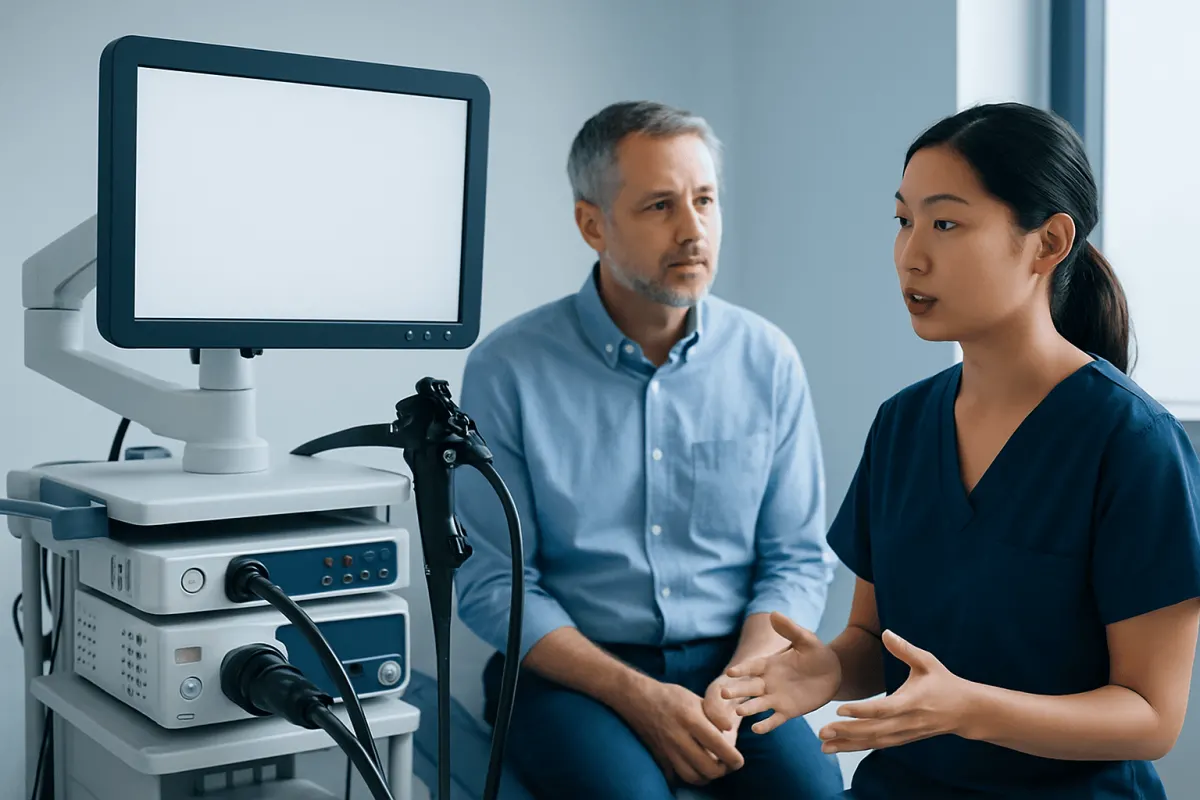
For 2 day prep vs 1 day prep for colonoscopy, neither approach is universally better: a standard one-day, split-dose plan suits many people, while a two-day plan may improve cleansing for those with constipation, prior inadequate preparation, or other risk factors. The safest and most effective choice is the exact regimen prescribed by the endoscopy team, because preparation products and timing need to be matched to a person’s health and procedure schedule.
2 Day Prep vs 1 Day Prep for Colonoscopy: Side-by-Side Comparison
In most cases, a one-day, split-dose bowel preparation is effective and convenient, while a two-day plan is reserved for people who may need extra time to clear the bowel. The goal is not to make preparation longer than necessary. It is to leave the colon sufficiently clean for the clinician to examine its lining carefully and, when needed, remove polyps safely.
“One-day” and “two-day” can mean slightly different things among hospitals and products. A one-day plan commonly includes a low-fiber or clear-liquid diet beginning the day before the procedure and laxative doses divided between the evening before and the morning of the test. A two-day plan often starts dietary changes earlier and may add laxative treatment or clear liquids over a longer period. The written instructions from the endoscopy service always take priority.
| Feature | 1-day preparation | 2-day preparation |
|---|---|---|
| Typical use | Many average-risk patients | People at higher risk of incomplete cleansing |
| Diet changes | Usually begin the day before | Often begin 1–2 days before |
| Laxative timing | Usually split between evening and procedure day | May involve an earlier additional step plus split dosing |
| Main advantage | Shorter and simpler schedule | More time to clear retained stool |
| Possible drawback | May be insufficient for some people | More disruption, fasting, and planning |
| Best choice | When prescribed after individual assessment | When prescribed after individual assessment |
Preparation quality matters because stool or cloudy liquid can hide small polyps and inflamed areas. An inadequate preparation can lead to an incomplete examination or an earlier repeat procedure. For this reason, changing the schedule, skipping doses, or using an over-the-counter alternative without asking the care team is not recommended.
How a Clinician Chooses Between a One-Day and Two-Day Plan
A clinician does not choose based on comfort alone. They consider the person’s usual bowel pattern, previous colonoscopy preparation, medical history, medicines, and the time of the scheduled procedure. A previous preparation described as poor, fair, or inadequate is one of the clearest reasons to consider a more intensive plan next time.
A two-day approach may be considered for chronic constipation, infrequent bowel movements, use of medicines that slow the gut, diabetes with slow stomach emptying, limited mobility, or a history of bowel surgery in selected situations. It may also be useful when a person has previously had difficulty completing the prescribed fluid volume. These factors do not automatically require two days; they simply help the team tailor instructions.
The timing of the colonoscopy also matters. Evidence-based endoscopy practice commonly favors split-dose preparation, meaning that the second dose is taken close enough to the examination to maintain cleansing, while still following the required fasting window for sedation. Morning and afternoon appointments may therefore have different instructions.
Kidney disease, heart failure, liver disease, electrolyte problems, pregnancy, swallowing difficulties, and diabetes require additional planning. The clinician may select a specific preparation solution, adjust diabetes medicines, or give individualized drinking and fasting instructions. People should provide a complete medication list, including iron, blood thinners, diuretics, weight-loss medicines, supplements, and herbal products.
What to Do for Each Preparation Plan
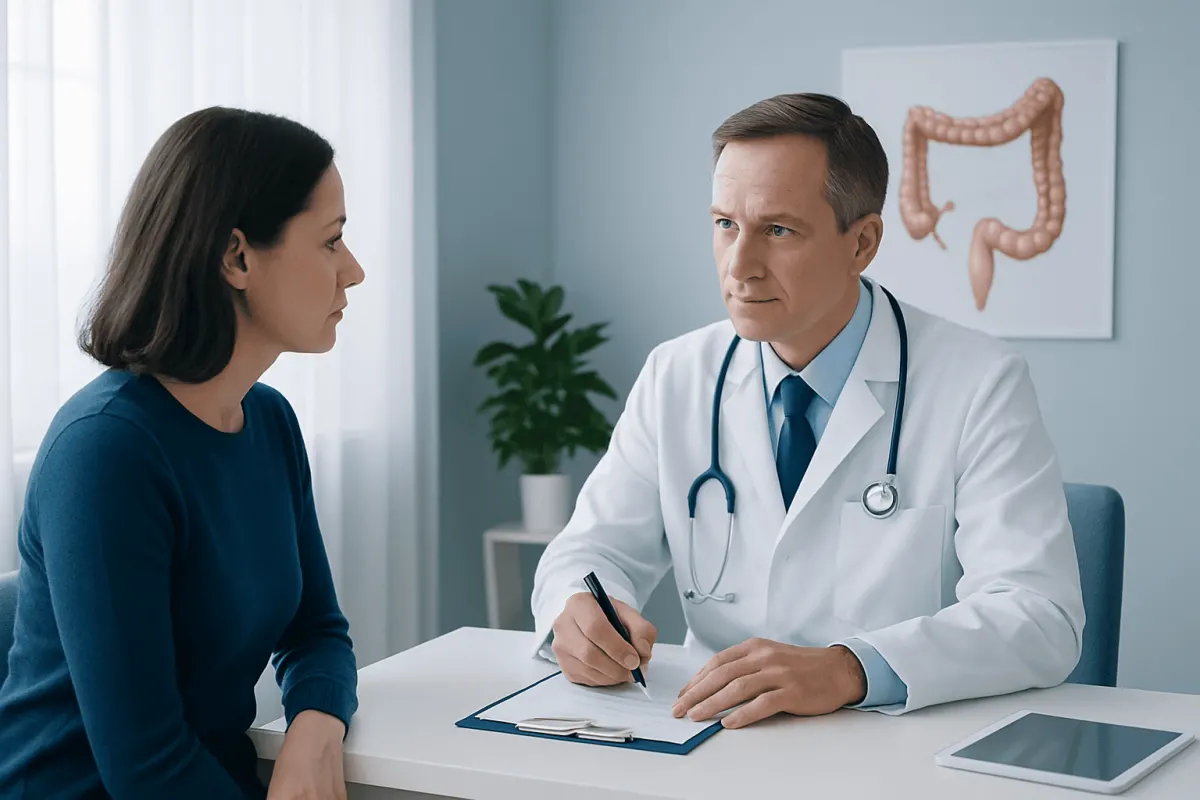
For a standard one-day plan, patients should carefully follow the prescribed food restrictions and begin the bowel-cleansing solution at the stated time. Clear liquids are commonly allowed during part of the preparation period, but permitted drinks and stopping times differ by center. Avoiding red or purple liquids is often advised because they can resemble blood during the examination, although the local instructions should be followed.
For a two-day plan, the extra day should be treated as part of the treatment rather than an optional precaution. This may include avoiding high-fiber foods earlier, using an additional laxative as prescribed, and increasing clear-fluid intake where medically appropriate. Starting early can prevent a rushed preparation and may be especially helpful for someone whose bowels are usually slow.
In either plan, the desired result is frequent watery bowel movements that become pale yellow and mostly clear, without solid pieces. Some cloudiness can occur, but persistent brown liquid or stool particles may mean the preparation is incomplete. The endoscopy team should be contacted for advice rather than trying an unapproved remedy.
Practical planning can make preparation more manageable: arrange easy access to a bathroom, use soft toilet tissue or barrier ointment to protect the skin, chill the solution if allowed, and ask whether a flavor packet or straw is compatible with the prescribed product. If sedation is planned, a responsible adult may be required to accompany the patient home, depending on local policy.
Is It Better to Do a 2-Day or 1-Day Colon Prep?
It is better to use the plan that gives the individual the best chance of a clean colon while remaining safe for their medical conditions. For many people, a one-day split-dose regimen works very well and avoids unnecessary restriction. A two-day regimen can be better when constipation, a prior inadequate prep, or other factors make a one-day plan less reliable.
A longer preparation is not automatically more effective for every person. Extending dietary restriction or taking extra laxatives without medical guidance can lead to dehydration, medication problems, or unnecessary discomfort. The quality of the prescribed solution, the correct dose timing, and adequate approved fluid intake are all important.
Patients who are unsure which option applies to them should ask the endoscopy service before making dietary changes. It is useful to mention how often they normally have bowel movements, whether they needed an early repeat colonoscopy before, and whether they have had nausea or vomiting with bowel prep in the past.
What Is the Least Awful Colonoscopy Prep?
There is no single bowel preparation that feels easiest for everyone. Many people find a lower-volume, split-dose regimen more tolerable than a large-volume solution taken all at once. However, the best-tolerated option must also be appropriate for kidney function, heart health, medications, constipation risk, and the type of procedure planned.
Simple measures may reduce unpleasantness. Chilling a preparation solution, drinking it through a straw, taking it in divided amounts exactly as directed, and alternating with approved clear liquids can help some people. Lemon or ginger flavor may be acceptable with certain products, but patients should check with their team before adding anything.
Nausea, bloating, and cramping can happen as the bowel begins to empty and are often temporary. Slowing briefly between prescribed portions may help if the instructions allow, but the patient should not abandon the preparation. Repeated vomiting or inability to keep fluids down needs prompt advice from the endoscopy team.
Which Colonoscopy Prep Is Easiest on Kidneys?
For people with kidney disease or a risk of dehydration, clinicians often prefer polyethylene glycol-based preparations because they are designed to cause less fluid and electrolyte shifting than some alternatives. This does not make them suitable for every person or remove the need for individualized instructions. Product choice should be made by the clinician who knows the person’s kidney function, medicines, and overall health.
Preparations containing sodium phosphate can pose particular kidney and electrolyte risks in some people and should not be self-selected. Risks can be higher in older adults and in people with chronic kidney disease, heart failure, dehydration, or certain medication use, including some blood pressure medicines, water tablets, and anti-inflammatory pain medicines.
Patients with kidney concerns should tell the endoscopy team about their diagnosis and all medications well before the procedure. They should also ask exactly how much approved fluid to drink and whether any medicines need temporary adjustment. Medicines should never be stopped independently unless the prescribing clinician or endoscopy team has advised it.
What Is the Newest and Easiest Prep for Colonoscopy?
Newer bowel-prep options include lower-volume formulations and ready-to-drink preparations that may be easier for some people to complete than traditional high-volume regimens. “Newest” does not necessarily mean safest or most effective for a particular patient. The appropriate option depends on medical history, local availability, appointment time, and the need for reliable cleansing.
Current practice increasingly emphasizes split-dose timing rather than a single “best” brand or volume. Taking the second portion close to the procedure, within the fasting rules given by the anesthesia and endoscopy teams, generally improves cleanliness compared with taking all of the solution the previous day.
Some newer lower-volume products contain ingredients that are not suitable for everyone, particularly people with kidney impairment, heart conditions, significant electrolyte abnormalities, or certain digestive disorders. A patient should ask their clinician whether a lower-volume option is reasonable rather than purchasing a preparation based on convenience claims.
When to Seek Medical Care
During preparation, urgent medical assessment is appropriate for severe or worsening abdominal pain, a markedly swollen abdomen, fainting, confusion, chest pain, shortness of breath, or signs of a serious allergic reaction such as facial swelling or difficulty breathing. These symptoms are not expected effects of routine bowel cleansing.
The endoscopy team should be contacted promptly if the patient cannot keep fluids down, has persistent vomiting, has very little urine, feels severely dizzy, or still passes significant solid stool near the expected end of the preparation. The team can advise whether the preparation can be adjusted or whether the procedure should be rescheduled.
Colonoscopy is commonly used to investigate bowel symptoms and for screening or surveillance. Concerning symptoms such as rectal bleeding, unexplained weight loss, persistent change in bowel habits, anemia, or ongoing abdominal pain should be medically assessed rather than attributed to preparation needs alone. Acıbadem Health Point’s multidisciplinary specialists and JCI-accredited hospitals support international patients who need assessment and colonoscopy planning.
Frequently asked questions
01Can a 2-day preparation make colonoscopy results more accurate?
It can improve the chance of adequate cleansing for people who are likely to retain stool, such as those with chronic constipation or a previous inadequate preparation. A cleaner colon allows the clinician to inspect the lining more thoroughly. It is not necessary for everyone, and should be used when prescribed.
02Does a 1-day colonoscopy prep mean all the laxative is taken at once?
Not usually. Many one-day plans use split dosing, with one portion taken the evening before and another portion taken on the day of the procedure. The exact timing depends on the appointment time and fasting instructions.
03Can a person with constipation use a standard one-day prep?
Some people with constipation can use a standard plan successfully, but they may need individualized dietary or laxative adjustments. The endoscopy team should know about infrequent bowel movements and any prior difficulty with preparation. They may recommend a two-day plan or another tailored approach.
04Should iron tablets be stopped before colonoscopy preparation?
Iron can darken stool and may make bowel cleansing more difficult, so many centers ask patients to stop it for a period before colonoscopy. The timing varies according to the reason iron was prescribed and the individual’s health needs. Patients should only pause iron after receiving instructions from their clinician or endoscopy team.
05Can diabetes medicines be taken during colonoscopy prep?
Diabetes medicines often need a temporary adjustment because food intake changes during preparation and fasting. Insulin and medicines that can lower blood glucose require especially careful planning. Patients should obtain specific instructions from the clinician managing their diabetes and the endoscopy team.
06What should the bowel movement look like before colonoscopy?
Near the end of a successful preparation, output is usually watery, light yellow, and mostly clear, with no solid stool. If it remains brown, thick, or contains substantial particles, the endoscopy team should be contacted. They can advise on next steps based on the procedure time and prescribed regimen.
This article is for general information only and is not a substitute for professional medical advice. Please consult a qualified doctor about your individual situation.
Persistent digestive symptoms? Get evaluated in Turkey
JCI-accredited · board-certified surgeons · reply within 24h
Add us as a Preferred Source to see more of our trusted health content across Google Search, AI Overviews and Discover.