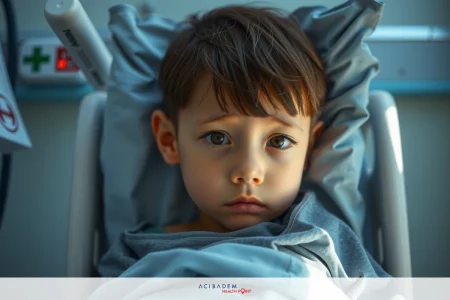
Can Monoclonal Antibodies Be Used For Pediatric Respiratory Conditions?
Can Monoclonal Antibodies Be Used For Pediatric Respiratory Conditions? Have you ever wondered if monoclonal antibodies could help kids with breathing problems? This is a new and exciting area in medicine. Many parents want to know what treatments can make their children feel better.Monoclonal antibodies are special proteins that can fight infections. Imagine having a tool that targets only the bad stuff in your body leaving everything else untouched. This kind of treatment could be very helpful for young patients.
Kids often suffer from colds, flu, and other respiratory issues. It’s tough seeing them struggle to breathe or cough all night long. With new therapies coming up there might be more hope than ever before. But how safe are these treatments? What do doctors say about using them on children?
What Are Monoclonal Antibodies?
Monoclonal antibodies are special proteins made in labs. They act like natural antibodies but are designed to target specific problems. These can be infections or diseases that trouble the body. Think of them as smart weapons for your immune system.
In the case of pediatric respiratory issues monoclonal antibodies offer hope. They help by targeting bad cells without harming good ones. This makes them a valuable tool in children’s health care. Kids with breathing problems may benefit from this kind of treatment.
These antibodies work by attaching to harmful agents in the body. Once attached they mark these agents for destruction by other parts of the immune system. This is how antibody therapy helps fight off illness more effectively.
Doctors see promise in using monoclonal therapy for kids’ respiratory conditions. The goal is to make treatments safer and more effective than older methods. With fewer side effects children might recover faster and feel better sooner.
Common Pediatric Respiratory Conditions
Children often face various respiratory issues. One common problem is asthma. Asthma makes it hard for kids to breathe well. It can cause wheezing and coughing especially at night or after exercise.
Another issue is bronchitis which affects the airways in the lungs. Kids with bronchitis have a persistent cough and may feel tired all the time. This condition usually follows a cold or other viral infection making it more complicated.
Pneumonia is another serious concern for children’s health. It infects the lungs and causes fever, chills, and difficulty breathing. Children with pneumonia need proper care to avoid complications like fluid buildup in their lungs.
Respiratory syncytial virus (RSV) also impacts many children each year. RSV symptoms are similar to those of a severe cold but can become life-threatening for infants and young children.
All these conditions require timely intervention and good respiratory treatment plans. Monoclonal antibodies could be part of new ways to help manage these pediatric respiratory issues better than before.
How Monoclonal Antibodies Help
Monoclonal antibodies are like tiny heroes for the body. They can fight off bad cells that cause illness. These special proteins are made in labs specifically to target harmful agents.
In treating pediatric respiratory conditions monoclonal therapy is promising. It works by binding to the bad stuff in the lungs marking it for removal by other immune cells. This helps clear infections faster and more effectively.
Children’s health can benefit greatly from this targeted approach. The treatment zeroes in on what makes kids sick without affecting healthy cells around it. This means fewer side effects and quicker recovery times for young patients.
Doctors see monoclonal therapy as a new way to handle tough respiratory issues in children. It’s not just about treating symptoms but addressing the root causes of these illnesses directly. With continued research we might see even more uses for these powerful treatments soon.
Current Research and Findings
Recent studies show promising results for monoclonal antibodies in kids. Researchers are excited about how well these treatments work. They find that monoclonal therapy can be very effective for pediatric respiratory conditions.
Some studies focus on asthma relief. Kids treated with monoclonal antibodies have fewer flare-ups. This means less time spent feeling sick and more days playing and learning.
Other research looks at treating bronchitis in children. The findings suggest faster recovery times compared to traditional methods. Parents report seeing improvements quicker which is a huge relief for families dealing with this issue.
Research also shows benefits for severe cases like pneumonia or RSV infections. Monoclonal therapy helps reduce the severity of symptoms making it easier to manage these serious conditions. Doctors believe continued study will only improve these outcomes further.
These studies highlight the potential of monoclonal antibodies in children’s health care. As we learn more, the hope is that these treatments become standard practice, offering new options for respiratory treatment in young patients.
Safety and Side Effects
Monoclonal antibodies are generally safe for kids, but like all treatments, they come with some risks. It’s important to know what these side effects might be. This helps parents make informed decisions about their child’s health.
Common side effects include mild reactions at the injection site. Kids might feel sore or have redness where the shot was given. These symptoms usually go away on their own after a short time.
More serious side effects are rare but can happen. Some children may experience allergic reactions to monoclonal therapy. Signs of this include rash, itching, or trouble breathing. If you notice any of these signs seek medical help right away.
Doctors carefully monitor kids during treatment to catch any problems early on. They do tests before starting monoclonal therapy to ensure it’s safe for each child. This makes respiratory treatment safer and more effective overall.
In general the benefits often outweigh the risks when it comes to pediatric respiratory conditions treated with monoclonal antibodies. But always talk to your doctor about any concerns you have regarding safety and side effects in children’s health care.
Frequently Asked Questions
Q: What are monoclonal antibodies? A: Monoclonal antibodies are lab-made proteins that target specific harmful agents in the body.
Q: Are monoclonal antibodies safe for kids? A: Generally they are safe but can have mild side effects like soreness or redness at the injection site. Serious reactions are rare.
Q: How do these treatments help with pediatric respiratory conditions? A: They work by targeting and neutralizing bad cells in the lungs helping to clear infections faster.
Q: Can all children receive monoclonal therapy? A: Not every child is a candidate. Doctors perform tests to ensure it’s safe for each individual case.