Liposuction in Turkey: Cost, Clinics and What to Expect

Key Takeaways
- Most patients travelling from the UK stay in Turkey for around seven to ten days, though the exact length depends on the areas treated and the surgeon's advice.
- Packages usually bundle surgery, hospital stay, standard tests, airport and hospital transfers, interpreting support and scheduled follow-up — always ask for the inclusions in writing.
- Costs are best understood as broad bands rather than fixed figures; the final quotation depends on the number of areas, anaesthesia, hospital time and any combined procedures.
- JCI accreditation, a formally qualified plastic surgeon and a documented complications policy are more meaningful selection criteria than photographs or online marketing.
- Liposuction is a body-contouring operation, not a weight-loss treatment, and results settle gradually over several months.
- Arrange aftercare with a UK-based GP or clinician before you travel, and confirm how the treating team can be reached once you are home.
Travelling abroad for body contouring surgery involves far more than booking a flight: it requires medical assessment, careful clinic selection, realistic budgeting and a clear aftercare plan for when you return home. This guide explains, step by step, how liposuction treatment abroad is typically planned and coordinated for patients travelling from the UK.
Liposuction Turkey: What Medical Travel Actually Involves
People searching for liposuction turkey are usually asking three practical questions: what it costs, how to choose a clinic safely, and how long they need to be away from home. In short, most international patients plan a stay of roughly seven to ten days, budget within a cost band rather than a single fixed price, and are treated at an accredited hospital by a surgeon with recognised plastic surgery qualifications. The journey normally begins with a remote assessment and ends with a structured follow-up plan for when the patient is back in the United Kingdom.
Liposuction is a surgical body-contouring procedure that removes localised fat deposits which have not responded to diet and exercise. It is not a treatment for obesity, and it does not replace lifestyle change or medically supervised weight management. Reputable teams are clear about this distinction and will decline surgery where the goals are unrealistic or where another pathway would serve the patient better. Anyone considering the procedure should discuss suitability with a qualified doctor before making travel plans.
Turkey has become a common destination for elective aesthetic surgery because it combines a large network of private hospitals, internationally trained surgeons and coordinated services designed specifically for overseas patients. That said, the quality of care varies between providers, exactly as it does in any country. The safeguards below — accreditation, verified credentials, written costings and a defined aftercare route — matter more than the destination itself.
What Treatment Packages Typically Include
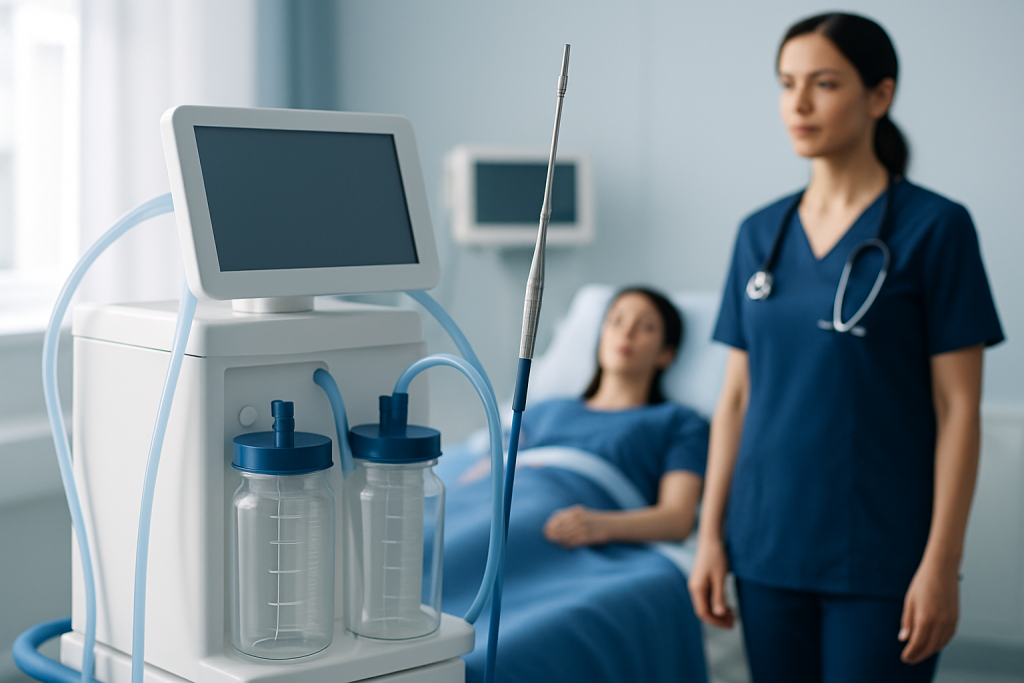
Most international patient packages are designed to remove logistical uncertainty. While the details differ between hospitals, a typical arrangement covers the surgeon’s and anaesthetist’s fees, use of the operating theatre, the inpatient or day-case stay, pre-operative blood tests and any required imaging, standard post-operative medication supplied during the stay, compression garments where indicated, and the scheduled review appointments before departure.
Non-clinical elements are often bundled alongside the medical care. These commonly include airport and hospital transfers, help identifying nearby accommodation, an interpreter or English-speaking coordinator, assistance with invitation letters for visa purposes where relevant, and a single point of contact who keeps the itinerary on track.
- Usually included: surgical and anaesthetic fees, hospital stay, routine pre-operative tests, in-hospital medication, first compression garment, in-country follow-up.
- Often included: transfers, coordinator and interpreting support, accommodation booking assistance, remote follow-up after discharge.
- Usually separate: flights, hotel nights beyond the quoted number, extended stays for medical reasons, additional garments, unrelated treatments, travel and medical insurance.
Before committing, patients are advised to request the inclusions and exclusions in writing, along with a clear statement of what happens — clinically and financially — if a complication requires a longer stay or a further procedure. A provider that answers these questions plainly is demonstrating exactly the transparency that should be expected.
Understanding Cost Bands and Planning a Budget

It is not possible, and would not be responsible, to quote a single price for liposuction abroad. Costs are quoted as bands because the total depends on several variables: how many areas are being treated, the volume of fat involved, whether the procedure is performed under local anaesthesia with sedation or general anaesthesia, the length of hospital stay, the technique used, and whether liposuction is combined with another operation such as an abdominoplasty. A single small area treated as a day case sits at the lower end of the range; multiple areas requiring an overnight stay and general anaesthesia sit considerably higher.
A realistic budget also allows for costs outside the surgical quotation. Flights, additional hotel nights, meals, airport parking, time away from work and appropriate insurance all contribute to the true total. Standard travel insurance frequently excludes planned surgery abroad and any complications arising from it, so a specific medical travel policy is worth investigating well before departure.
Patients should be cautious about quotations that appear dramatically lower than everything else on offer, particularly where the surgeon is not named, the hospital is not identified or the inclusions are vague. A written, itemised estimate — issued after a proper assessment rather than from photographs alone — is the sign of a well-run service. Estimates given before an in-person examination are always provisional and may be revised once the surgeon has assessed the patient in Turkey.
Choosing a Clinic: Accreditation and Surgeon Credentials
Accreditation is one of the few objective quality signals available to patients researching from abroad. Joint Commission International (JCI) accreditation is an internationally recognised standard covering patient safety, infection control, medication management, surgical protocols and governance. A JCI-accredited hospital has undergone external inspection against published criteria and is re-evaluated periodically. It is not a guarantee about any individual outcome, but it does indicate that systems are in place and independently reviewed.
Surgeon credentials matter equally. Patients should confirm that the operating surgeon is a qualified plastic, reconstructive and aesthetic surgeon registered with the relevant Turkish authority and a member of a recognised professional body, and should ask specifically who will perform the operation — not simply who conducts the consultation. It is entirely reasonable to request the surgeon’s full name and qualifications in advance and to verify them independently.
- Is the facility a licensed hospital with intensive care capability on site, rather than an office-based clinic?
- Who is the named surgeon, and what are their qualifications and areas of focus?
- What anaesthesia will be used, and will a consultant anaesthetist be present throughout?
- How are complications managed, and what is the policy on revision surgery?
- Are consent documents, risks and alternatives explained in English before payment is taken?
Marketing images, dramatic before-and-after galleries and pressure to book quickly are not quality indicators. A considered decision-making period, with a clear opportunity to ask questions and to decline, is a feature of ethical practice.
Before You Travel: Assessment, Consultations and Fitness for Surgery
The planning stage usually begins remotely. Patients complete a medical history form and share relevant details — existing conditions, previous operations, current medicines including anticoagulants and hormonal treatments, allergies, smoking status and weight history. Many hospitals then arrange a video consultation with the surgeon or a senior clinician so that goals, likely results and limitations can be discussed honestly before any travel is booked. A second-opinion review is often available where a patient wishes to compare recommendations.
Certain factors need attention well in advance. Surgeons generally prefer patients to be at a stable weight, as significant subsequent weight change can alter results. Smoking increases the risk of wound-healing problems, and patients are usually asked to stop for a period before and after surgery. Some medications and supplements may need to be paused on medical advice — never adjust prescribed medication without speaking to the prescribing doctor. Uncontrolled diabetes, cardiovascular disease, clotting disorders or recent illness may delay or contraindicate surgery.
Practical preparation includes confirming passport validity and any visa requirements, arranging insurance, informing a UK GP of the planned procedure, and organising help at home for the first week after return. Patients travelling alone should consider bringing a companion; assistance with luggage, transfers and daily tasks in the early recovery days makes a real difference.
Recovery and Timing Your Travel Home
Recovery after liposuction is gradual and varies from person to person. Most patients experience swelling, bruising, soreness and temporary numbness in the treated areas, and a compression garment is normally worn for a period specified by the surgeon to support the tissues. Light walking is usually encouraged early to help circulation, while strenuous exercise and heavy lifting are restricted for several weeks. Contours continue to refine over the following months as swelling settles, so the final appearance is not visible immediately.
Flying too soon after surgery carries risks, principally venous thromboembolism, and the surgical team decides when a patient is fit to travel. As a general pattern, many patients treated in Turkey remain in the country for around seven to ten days, allowing time for wound review, garment fitting and a final consultation before departure. Longer or combined procedures may require more time. Flexible flight bookings are sensible, since medical clearance takes priority over a fixed itinerary.
During the flight home, patients are commonly advised to keep well hydrated, move the legs regularly, wear any prescribed compression and follow individual guidance on preventing clots. Requesting an aisle seat and allowing extra time at the airport reduces unnecessary strain. Some patients arrange assistance at the airport in advance; coordinators can usually help with this.
Aftercare After Returning to the UK, and When to Contact a Coordinator
Continuity of care is the part of medical travel most often underestimated. Before leaving Turkey, patients should obtain a full discharge summary in English detailing the procedure performed, anaesthesia used, any implants or materials, medications given and prescribed, wound-care instructions and the recommended follow-up schedule. Sharing this with a UK GP allows local clinicians to help appropriately if a question arises. Arrangements for dressing changes, suture removal where needed and garment guidance should be confirmed in advance rather than improvised on return.
Patients should know exactly how to reach the treating team remotely — by email, telephone or a coordinator app — and how quickly a response can be expected. Urgent symptoms such as increasing pain, fever, spreading redness, unusual wound discharge, calf pain or swelling, chest pain or breathlessness require immediate local medical attention through NHS services; they should never wait for an international reply. Routine concerns about swelling, contour irregularities or garment use are best raised with the surgical team, who can advise and, if necessary, arrange a review.
Speaking to a patient coordinator early is helpful at several points: when comparing what different packages include, when clarifying whether an existing health condition affects suitability, when arranging a video consultation or second opinion, when planning travel dates around recovery, and when organising remote follow-up. Acibadem Health Point coordinates care for international patients across Acıbadem’s JCI-accredited hospitals, where multidisciplinary specialists assess suitability, plan treatment and arrange follow-up. Any decision about surgery should be taken with a qualified doctor after a proper individual assessment.
Frequently asked questions
01How long should I plan to stay in Turkey for liposuction?
Many patients plan a stay of around seven to ten days, which allows time for pre-operative assessment, the procedure itself, wound review and a final consultation before flying. The exact duration depends on the number of areas treated, the type of anaesthesia and individual recovery. The surgical team decides when a patient is medically fit to fly, so flexible travel arrangements are advisable.
02Why are prices quoted as a range rather than a fixed figure?
The cost depends on variables that can only be confirmed after a proper assessment, including the number and size of areas treated, the anaesthesia required, the length of hospital stay and whether other procedures are combined. Estimates given from photographs alone are provisional. A written, itemised quotation issued after clinical review gives a far more reliable basis for budgeting.
03What does JCI accreditation mean for me as a patient?
Joint Commission International accreditation means a hospital has been externally inspected against published international standards covering patient safety, infection control, surgical protocols and governance, and is reassessed periodically. It is an indicator of organisational quality rather than a promise about any individual result. It is one useful criterion alongside verified surgeon credentials and a clear complications policy.
04Is liposuction a way to lose weight?
No. Liposuction is a body-contouring procedure intended to remove localised fat deposits that have not responded to diet and exercise in people who are already at a relatively stable weight. It is not a treatment for obesity and does not replace medically supervised weight management. A doctor can advise on which pathway is most appropriate for an individual's goals and health.
05What aftercare will I need once I am back in the UK?
Patients typically need wound checks, guidance on compression garment use, gradual return to activity and, in some cases, suture removal. Bringing home a full discharge summary in English and sharing it with a GP helps local clinicians provide support. The treating team should also remain reachable remotely for routine questions, while urgent symptoms should always be assessed locally through NHS services without delay.
06Does travel insurance cover surgery abroad?
Standard travel policies frequently exclude planned surgery overseas and any complications arising from it. Patients are advised to look specifically for medical travel or elective surgery cover and to read the exclusions carefully before booking. It is also worth confirming with the hospital what happens clinically and financially if an extended stay becomes necessary.
07When is the right time to speak to a patient coordinator?
Contacting a coordinator early is useful when comparing what different packages include, checking whether an existing health condition affects suitability, or arranging a video consultation or second opinion. Coordinators can also help align travel dates with realistic recovery timing and set up remote follow-up. Clinical decisions, however, always rest with the assessing doctor.
This article is for general information only and is not a substitute for professional medical advice. Please consult a qualified doctor about your individual situation.
Medical weight-loss options in Turkey — costs & eligibility
JCI-accredited · board-certified surgeons · reply within 24h
Add us as a Preferred Source to see more of our trusted health content across Google Search, AI Overviews and Discover.