Laminate Veneers in Turkey: Method, Cost and Who It Suits

Key Takeaways
- Most laminate veneer journeys involve an online assessment first, then a single trip of roughly a week with several appointments, though timing is individual and set by the treating dentist.
- Suitability depends on gum health, tooth structure, bite and habits such as grinding — an in-person examination and X-rays are needed before anything is confirmed.
- Costs are usually planned as bands per veneer, influenced by material, number of teeth and any preparatory dental work, rather than a single fixed figure.
- Accreditation (such as JCI), the dentist's qualifications and registration, and clear written treatment planning are more useful selection criteria than marketing claims.
- Veneers are not reversible in most cases, so a second opinion and a clear understanding of long-term maintenance are worthwhile before committing.
- Arrangements for aftercare in the UK — routine check-ups, hygiene visits and a plan if a veneer chips or debonds — should be agreed before you travel home.
Laminate veneers are ultra-thin ceramic shells bonded to the front of visible teeth, and many people from the UK explore having them fitted in Turkey. This guide explains how the journey is usually coordinated, what packages tend to include, how costs are planned in bands rather than fixed quotes, and how aftercare continues once you fly home.
Planning Laminate Veneers Turkey Treatment from the UK
People searching for laminate veneers turkey are usually asking a practical question: what does the journey actually involve, and is it sensible for their situation? In short, a typical pathway begins with an online assessment where photographs and any existing dental records are reviewed, continues with a written treatment plan and cost estimate, and then involves one trip abroad with several appointments spread over roughly a week. The final decision on suitability is always made in person, after a clinical examination and imaging.
Laminate veneers are very thin ceramic or composite shells bonded to the front surfaces of teeth that show when a person smiles. They are used to change colour, shape, minor spacing or small irregularities. They are a cosmetic and restorative option — not a treatment for decay, gum disease or bite problems, which need to be addressed first. Anyone considering them should understand that in most cases a small amount of enamel is reshaped, which makes the change effectively permanent and commits the tooth to some form of covering in the long term.
From a coordination point of view, treatment abroad works best when the planning is done thoroughly before the flight is booked. That means sharing recent dental history, listing medicines and medical conditions, being clear about what outcome is hoped for, and agreeing which appointments are included. This article looks at that planning process — the clinical detail of whether veneers are right for a particular tooth belongs with a qualified dentist who has examined the mouth.
Who Laminate Veneers May Suit — and Who They May Not
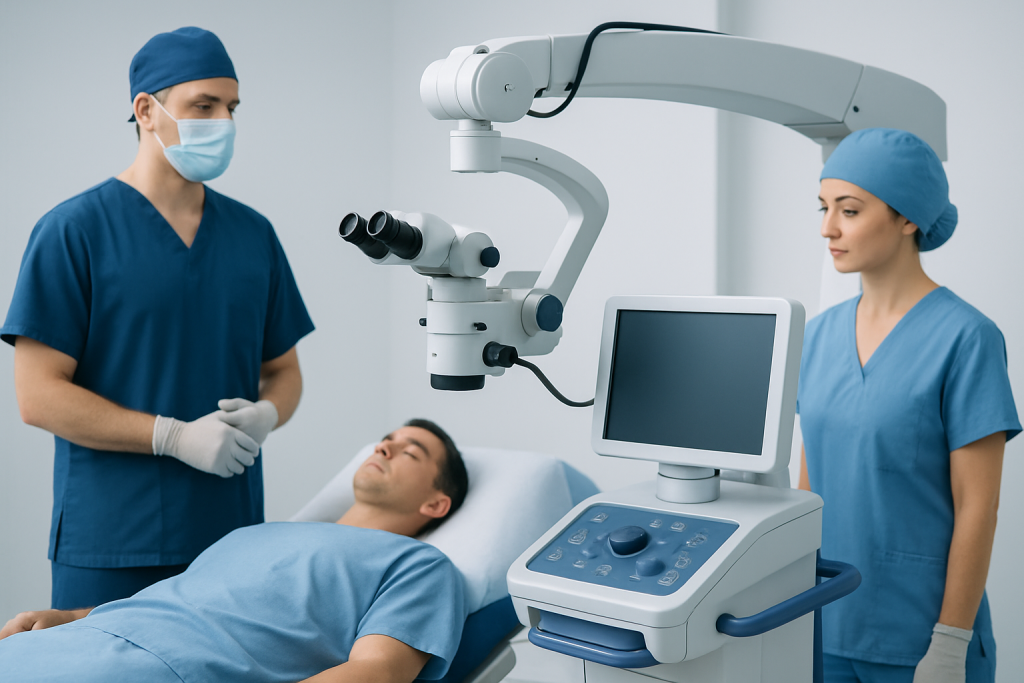
Laminate veneers tend to be considered for adults with healthy gums and sound teeth who are unhappy with the colour, shape or minor alignment of the teeth at the front of the mouth. They may also be discussed where enamel is worn or discoloured in a way that whitening cannot improve. Because the shells are thin, they generally work best where the underlying tooth structure is largely intact and the bite is stable.
They are less likely to be recommended where there is untreated gum disease, active decay, significant crowding that would be better addressed with orthodontics, or heavy grinding and clenching that could fracture thin ceramic. Very dark underlying teeth, large existing fillings or substantial tooth loss may lead a dentist to suggest a different approach altogether. A responsible plan will say so, and will sometimes recommend simpler or less invasive options first.
It is also reasonable to consider timing and life circumstances. Pregnancy, an unstable medical condition, planned orthodontic treatment or recent oral surgery may all be reasons to wait. Younger patients whose teeth and gums are still changing are usually advised to postpone. A second opinion — including a video consultation with a specialist who reviews photographs and records independently — is a sensible step for anyone weighing up an irreversible cosmetic decision.
What Happens Step by Step: From Video Consultation to Fitting

The first stage is normally remote. Patients send clear photographs of the teeth and smile, any recent X-rays, and a short account of what they would like to change. A dentist reviews these and provides an indicative plan: how many veneers might be involved, whether preparatory treatment is likely, and roughly how many days of appointments to allow. This is provisional by definition; nothing is confirmed until an examination takes place.
On arrival, the first appointment usually includes a full examination, X-rays or a scan, photographs and a discussion of shade, shape and proportions. Some practices produce a digital preview or a temporary mock-up so the patient can see and feel a proposed shape before anything permanent is done. Any hygiene treatment or restorative work identified at this stage is completed or planned before veneer preparation begins.
Preparation and impressions or digital scans typically follow, with temporary veneers fitted while the laboratory produces the final restorations. A try-in appointment allows adjustments to colour and contour, and the veneers are then bonded and the bite checked. A final review appointment before departure is standard practice, and patients should expect written instructions, a record of the materials used and photographs for their own records.
- Remote assessment and provisional plan
- In-person examination, imaging and design discussion
- Any preparatory dental or hygiene treatment
- Preparation, scans and temporary veneers
- Try-in, bonding and bite adjustment
- Final check and written aftercare guidance
What Treatment Packages Typically Include
Packages arranged through an international patient office vary, but most are built around the clinical appointments plus the practical support that makes a short trip workable. Commonly included are the initial consultation and imaging, the laboratory work, the fitting appointments, a final review, airport transfers and interpreter support. Many also cover assistance with hotel bookings near the hospital or clinic and guidance on visa or entry requirements for UK travellers.
What is not included matters just as much. Flights, meals and personal expenses are usually separate. So is any additional dentistry discovered at the examination — such as treatment for decay, root canal treatment, periodontal care or extractions — which may add both cost and days to the schedule. Whitening of teeth that are not being veneered, night guards, and replacement veneers in the future are typically quoted separately.
Before travelling, it is worth asking for the inclusions in writing and confirming a few specifics: how many nights the schedule assumes, what happens if the laboratory needs extra time, whether a follow-up appointment is available if an adjustment is needed before the flight home, and who to contact out of hours. Clear answers to these questions are a good sign of an organised service.
Understanding Cost Bands and Planning a Budget
Dental veneer costs are almost always expressed per tooth, then multiplied by the number of teeth treated. Rather than a single figure, it is more realistic to think in bands. Composite laminate veneers, which are built up directly in the mouth, generally sit in the lowest band. Standard laboratory-made ceramic veneers occupy a middle band. Advanced ceramic systems, complex full-smile designs, or cases needing extensive preparatory work sit in the highest band. Where a treatment sits depends on materials, laboratory technique, the number of units and the complexity of the case — not on marketing.
Any figure given before an examination is an estimate. A revised plan after the in-person assessment is normal and expected, and patients should feel comfortable pausing to consider it. It is sensible to budget a contingency for additional dentistry, an extra night’s accommodation if the schedule slips, and future maintenance such as replacement of a veneer after some years of normal wear.
Because treatment takes place outside the NHS and outside the UK, patients should also check what their travel insurance covers, whether the clinic offers any warranty on materials and what that warranty requires in practice — for example, whether it depends on attending regular check-ups or returning to Turkey for assessment. None of this should be assumed; it should be confirmed in writing before treatment starts.
Choosing a Hospital and Dentist: Accreditation and Credentials
Accreditation is a useful starting filter. Joint Commission International (JCI) accreditation indicates that a hospital has been assessed against international standards for patient safety, infection control, medication management and record keeping. It does not rate cosmetic outcomes, but it does say something meaningful about the systems around care. National health ministry licensing and dental association membership are similarly relevant.
Equally important is the individual clinician. Reasonable questions include where the dentist trained, whether they hold a postgraduate qualification in restorative or prosthetic dentistry, how much of their practice is devoted to veneers, and who will actually carry out each stage of treatment. Patients are entitled to know the name of the treating dentist before they travel, and to see unedited before-and-after images of comparable cases rather than idealised marketing photographs.
Other practical markers include a written, itemised treatment plan; a clear consent process that explains risks such as sensitivity, chipping, debonding and the irreversibility of enamel preparation; identification of the ceramic system and laboratory used; and a documented complaints and follow-up route. Be cautious of any service that promises a guaranteed result, pressures a quick decision, or quotes a final price without an examination.
Travel Timing, Recovery and the Days Between Appointments
Veneer treatment is not surgery, and most people feel well throughout. That said, the schedule is spread over several days because laboratory work takes time, so a single trip of roughly a week is typical for a full set. Shorter trips are sometimes possible for a small number of teeth, and some plans are split across two visits. The dentist sets the timing after examination; no fixed timeline should be promised in advance.
Temporary veneers are usually worn between appointments. They are more fragile than the final restorations, so soft foods, avoiding biting directly with the front teeth and gentle cleaning around the gum line are usually advised. Mild sensitivity to hot and cold, and slight gum tenderness, are common in the first days and generally settle. Anything more than mild discomfort should be reported to the treating team rather than managed alone.
Flying is not usually restricted, but it is sensible to allow at least a day between the final bonding appointment and the flight home, so that any adjustment can be made in person. Booking flexible travel where possible, and keeping the return date a little open, reduces stress if the laboratory or the clinical plan needs an extra day.
Aftercare Once You Fly Home, and When to Speak to a Coordinator
Veneers need ongoing care like natural teeth. That means twice-daily brushing with a non-abrasive toothpaste, daily cleaning between the teeth, routine dental examinations and hygiene appointments in the UK, and a protective night guard if grinding is a factor. Habits such as biting nails, opening packaging with the teeth or chewing ice are best avoided, as thin ceramic can chip. Highly staining foods and drinks affect the bonding margins over time, even though the ceramic itself resists staining.
Before leaving Turkey, patients should collect a written summary of what was done, the materials and shades used, X-rays and clinical photographs. Sharing this with a UK dentist makes future care far easier, and most UK practices will happily see a patient for routine check-ups and maintenance of work carried out abroad, even if they were not involved in the original treatment. Arranging that first UK appointment before travelling is a useful step.
It is worth contacting the international patient coordinator early rather than late: when comparing plans, when a second opinion would help, when travel dates need to move, and afterwards if a veneer feels loose, the bite feels uneven, sensitivity persists or the gums remain sore. Acibadem Health Point coordinates care for international patients across Acıbadem’s JCI-accredited hospitals, arranging assessments with multidisciplinary specialists, interpreters and travel logistics, and supporting communication after patients return home. Persistent pain, swelling, bleeding or a suspected infection should always be assessed by a dentist or doctor promptly, wherever the patient is.
Frequently asked questions
01How long does a laminate veneer trip to Turkey usually take?
Most full-smile plans are scheduled across several appointments within roughly a week, because the veneers are made in a dental laboratory between visits. Smaller cases may need less time, and some plans are split into two shorter trips. The treating dentist confirms the schedule only after an in-person examination, so it is wise to keep travel arrangements flexible.
02Are laminate veneers reversible?
In most cases they are not. A thin layer of enamel is usually reshaped so the veneer sits flush with the natural tooth, and enamel does not grow back. Some very conservative techniques remove little or no enamel, but whether that is possible depends on the individual tooth. This is an important point to discuss, ideally with a second opinion, before committing.
03How are veneer costs quoted, and why do estimates change?
Costs are normally quoted per veneer and then multiplied by the number of teeth involved, with bands reflecting the material and the complexity of the case. An estimate given from photographs is provisional; once an examination and X-rays are done, additional needs such as hygiene treatment or fillings may change the plan and the total. Ask for an itemised written plan before treatment begins.
04What should be checked when choosing a hospital or dentist abroad?
Look for recognised accreditation such as JCI, national licensing, and a named treating dentist whose training and experience with veneers you can verify. A clear written treatment plan, a proper consent discussion covering risks and irreversibility, and a documented follow-up route are all reassuring. Be wary of guaranteed outcomes or fixed prices offered without an examination.
05Who provides aftercare once a patient returns to the UK?
Day-to-day maintenance is handled by a UK dentist and hygienist through routine check-ups. Taking home written records, X-rays, photographs and details of the materials used makes this straightforward. The treating clinic or its international patient office should also remain contactable for questions about the work carried out.
06What happens if a veneer chips or comes loose after flying home?
Contact the treating clinic's international patient team promptly, and arrange an assessment with a local dentist so the tooth is protected in the meantime. Whether a repair, re-bonding or replacement is appropriate depends on the individual situation. Check in advance what any warranty covers, and what conditions apply to it.
07Is a video consultation useful before booking treatment?
Yes. A remote consultation allows a dentist to review photographs and records, discuss realistic expectations, outline likely steps and flag anything that may need attention first. It is also a good opportunity to ask about credentials, inclusions and timing. It does not replace an in-person examination, which remains necessary before treatment is confirmed.
This article is for general information only and is not a substitute for professional medical advice. Please consult a qualified doctor about your individual situation.
Explore treatments in Turkey — costs, top hospitals & a free quote
JCI-accredited · board-certified surgeons · reply within 24h
Add us as a Preferred Source to see more of our trusted health content across Google Search, AI Overviews and Discover.