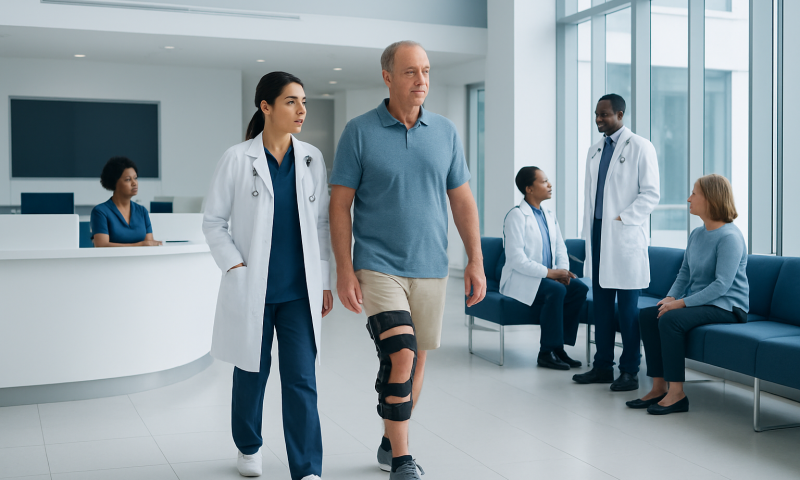
What to Pack for Orthopedic Surgery Abroad: Braces, Shoes, and Documents

Key Takeaways
- Pack items that support mobility, wound care, and comfort rather than overpacking unnecessary extras.
- Keep key medical records, imaging, medication lists, and insurance documents in one easy-to-reach place.
- Choose clothing and shoes that work with swelling, braces, bandages, or limited movement.
- Confirm with the surgical team which assistive devices, compression items, and medicines should be brought from home.
- Plan for the return journey and home recovery, including follow-up care and practical support.
Preparing for orthopedic surgery abroad is easier when packing is focused on recovery, mobility, and communication. A careful checklist can help patients feel more organized before travel and more comfortable after surgery.
Overview
Traveling for orthopedic surgery adds a few extra layers of planning. The hospital team will guide the medical side, but the patient’s suitcase still matters because recovery often depends on small comforts and practical tools that make movement safer and daily tasks easier.
A good packing list is not about bringing everything “just in case.” It is about making thoughtful choices that support the surgery, reduce stress during travel, and help the patient settle into recovery with fewer surprises. For someone traveling from another country, that also means keeping documents, prescriptions, and follow-up information organized enough to use quickly in a new healthcare setting.
The exact list varies by procedure. A person preparing for a knee replacement may need different shoes, braces, or walking aids than someone having shoulder, foot, or spine surgery. Still, there are core items that are worth reviewing before leaving home, and many of them are simple to prepare in advance.
Symptoms and practical challenges to plan for
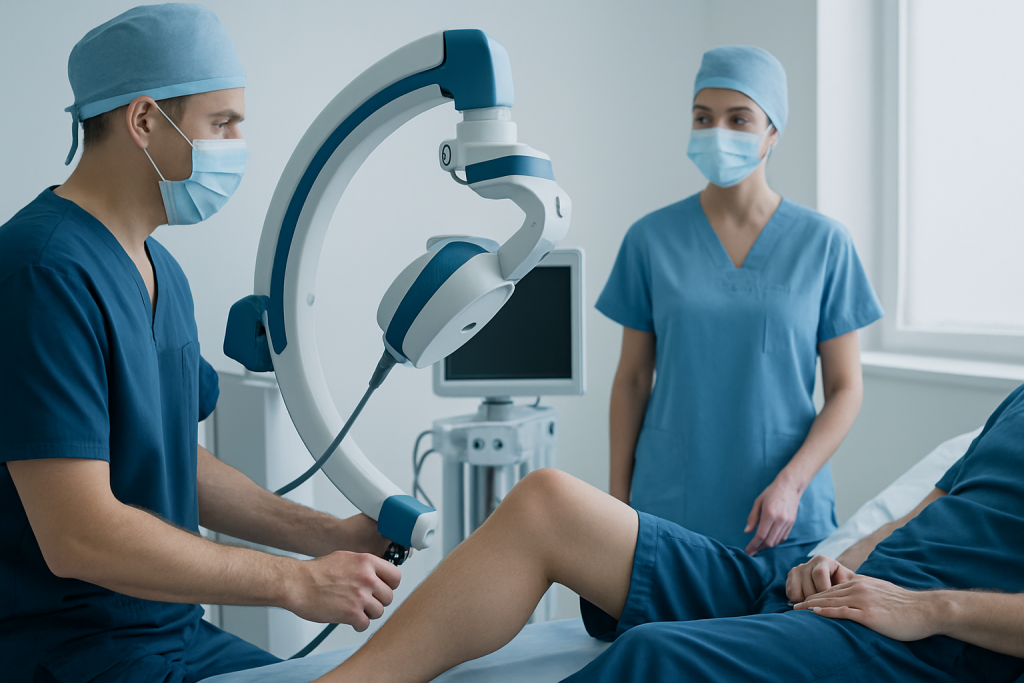
Orthopedic recovery often comes with temporary swelling, reduced range of motion, protected weight-bearing, or the need to keep a surgical area dry and clean. These practical limits can make routine tasks more difficult, especially when a patient is in a hotel, an apartment, or a recovery room far from home.
Some patients expect the main challenge to be pain, but clothing changes, bathroom use, stairs, sleeping position, and getting into a car may be just as important during the first days. That is why packing should account for movement limitations, not only comfort preferences.
Braces, splints, compression garments, and supportive shoes may be part of the plan depending on the operation. Patients should ask the surgical team which items are provided by the hospital and which should be brought from home, since duplicate or incompatible equipment can create confusion rather than help.
Causes and risk factors that influence the packing list
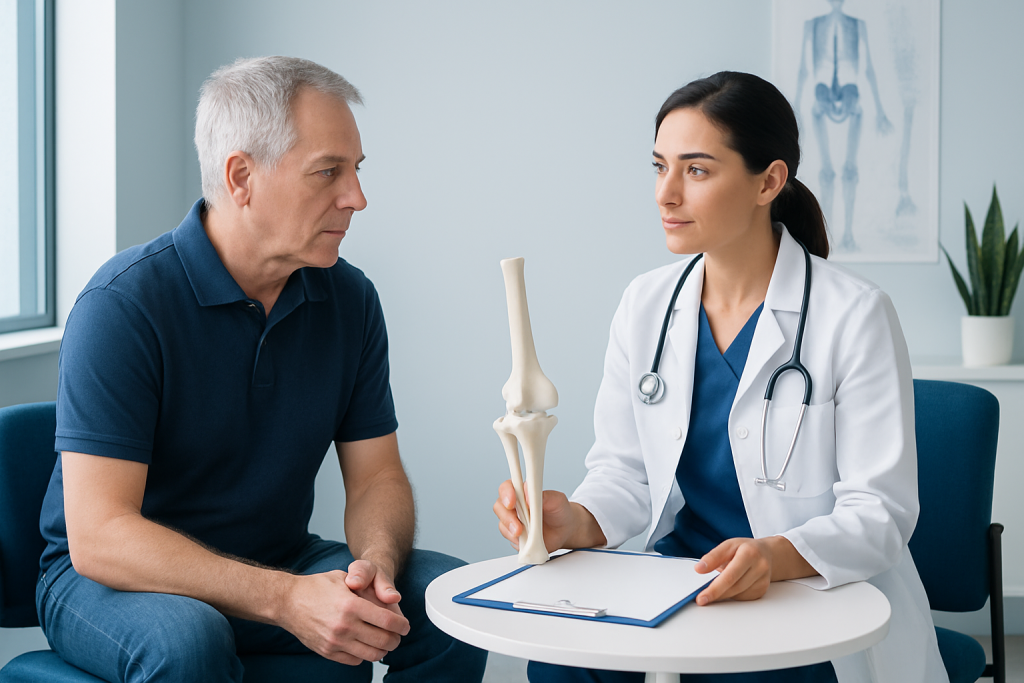
The most useful packing list starts with the procedure itself. A patient having arthroscopic surgery, joint replacement, fracture repair, ligament reconstruction, or spinal surgery may receive very different instructions about weight-bearing, dressing changes, and mobility support. Those differences change what should be packed.
Health factors also matter. Patients with diabetes, circulation issues, skin sensitivity, sleep problems, or a history of nausea after anesthesia may need extra items to make the recovery period smoother. In addition, long-distance travel can increase fatigue and swelling, so clothing, hydration planning, and easy-access belongings become more important.
International patients should think about logistics as well as medicine. Language barriers, airport security, climate, luggage limits, and the length of the stay can all affect what is realistic to bring. A small, organized bag of essentials is often more useful than a large suitcase full of things that never leave the hotel room.
Diagnosis and pre-travel preparation
Before surgery, the orthopedic team usually reviews imaging, examination findings, and the full treatment plan. This is the stage when patients should ask very practical questions: Will a brace be fitted after surgery? Will crutches, a walker, or a cane be needed? Are specific shoes recommended? Can the patient shower normally, or will waterproof dressings be used?
These questions matter because the answers shape what should be packed. For example, a patient who will use a brace may need looser pants or shorts with side openings. A patient who will be non-weight-bearing may need a backpack, cross-body bag, or hands-free phone setup to move around more easily.
It is also wise to gather paperwork before travel. Having copies of imaging reports, surgical consent forms, allergies, current medications, and previous medical history in both digital and printed form can save time if care needs to be discussed with more than one clinician.
Treatment options and the core packing checklist
The best packing list for orthopedic surgery abroad usually centers on five groups: documents, medications, mobility aids, clothing and footwear, and personal recovery items. Each one serves a different purpose, and together they reduce avoidable friction during the hospital stay and the first phase of healing.
Documents to pack:
- Passport, visa, and travel insurance documents
- Hospital appointment details and contact numbers
- Imaging reports, lab results, and prior surgical records
- Medication list with allergies and usual doses
- Emergency contacts and any consent paperwork requested by the team
Mobility and support items to consider:
- Brace or splint if the team asked the patient to bring one
- Crutches, cane, walker, or other walking aid if pre-approved
- Compression stockings or sleeves if prescribed
- Small pillow or wedge for positioning during rest or travel
Patients should confirm every assistive item with the hospital before packing it. Some devices are fitted after surgery, and some items may need to meet specific medical or airport requirements.
Prevention and self-care: shoes, clothing, and comfort items
Clothing can make recovery easier when it is chosen with movement in mind. Loose tops, stretch fabrics, zip-front or button-front shirts, and trousers that are easy to pull on may be more practical than tight or structured outfits. If a dressing or brace will be on the operated limb, it helps to choose clothing that opens widely and does not require awkward bending.
Footwear deserves special attention. Shoes should be stable, easy to put on, and suitable for swelling. In some cases, the surgeon may recommend a particular orthopedic shoe, a supportive sneaker, or a shoe with a wider toe box. Flip-flops or slippery soles are usually not ideal during the early recovery period because they can make walking less secure.
Small comfort items can also make a difference when the patient is far from home. These may include a phone charger with a long cable, reading glasses, lip balm, unscented wipes, a reusable water bottle if permitted, a sleep mask, earplugs, and a list of local contacts written on paper in case the phone battery runs low.
Medication planning is another important part of self-care. Patients should bring only the medicines that the treating team has approved, ideally in original packaging. It is also sensible to keep a simple schedule for daily medications, because routines can become confusing when there is jet lag, pain medicine, or multiple appointments in a new time zone.
When to see a doctor before departure or after surgery
Patients should contact the surgical team before departure if they are unsure about any item on the packing list. Questions about braces, shoes, wound care supplies, or mobility aids are best settled early rather than guessed at the airport or hotel.
After surgery, medical advice should be sought promptly if pain becomes difficult to control, swelling increases unexpectedly, the wound looks concerning, or fever develops. A patient should also reach out if a brace, bandage, or shoe causes pressure, numbness, skin irritation, or trouble walking safely.
For international patients, follow-up planning is especially important. The recovery plan should include who to contact after returning home, how records will be shared with local doctors, and which warning signs require urgent review. Acibadem Health Point’s multidisciplinary specialists and JCI-accredited hospitals can help diagnose and treat orthopedic conditions for international patients, while also supporting the transition from surgery to follow-up care.
Frequently asked questions
01Should a patient bring their own brace for orthopedic surgery abroad?
Only if the surgical team has specifically asked for it. Some braces are fitted after surgery, while others must match a prescribed design or size, so it is best to confirm before packing.
02What type of shoes are best after orthopedic surgery?
Shoes that are stable, easy to put on, and roomy enough for swelling are usually the most practical. The surgeon may recommend a specific post-op shoe or supportive sneaker depending on the procedure.
03Which medical documents are most important to carry?
Patients should keep passports, insurance details, imaging reports, medication lists, allergy information, and hospital appointment documents together. It is helpful to have both printed copies and digital backups.
04Can patients travel with their regular medicines?
Usually, yes, but only medicines approved by the treating team should be brought. Keeping them in original packaging and carrying a clear medication list can help prevent confusion during security checks or care handover.
05What should be packed for the flight home after orthopedic surgery?
A small recovery kit is useful, including prescribed medicines, water if allowed, compression items if advised, a supportive pillow, and easy-to-reach documents. Loose clothing and practical shoes also make the journey more manageable.
06How far in advance should packing start?
It helps to start a few days before travel, or earlier if the surgery is complex. That gives the patient time to confirm instructions with the team and avoid last-minute decisions about assistive devices or paperwork.
This article is for general information only and is not a substitute for professional medical advice. Please consult a qualified doctor about your individual situation.
Joint and spine care in Turkey — expert assessment & treatment
JCI-accredited · board-certified surgeons · reply within 24h
Add us as a Preferred Source to see more of our trusted health content across Google Search, AI Overviews and Discover.