Vertigo: Symptoms, Causes and Treatment

Key Takeaways
- Vertigo usually refers to a spinning sensation, not ordinary lightheadedness.
- Inner ear problems are a common cause, but neurological conditions can also play a role.
- Diagnosis often depends on the pattern of symptoms, balance testing, and sometimes imaging.
- Many causes of vertigo can be managed effectively with targeted treatment and self-care.
- Medical review is important if vertigo is severe, persistent, or accompanied by warning signs.
Vertigo is not a disease itself but a symptom that can make a person feel as if they or the surroundings are spinning. It is often linked to inner ear or nervous system conditions, and proper evaluation can help identify the cause and guide treatment.
Overview
People often search for a “vertigo disease” when they are trying to explain a sudden and unsettling feeling that the room is moving, tilting, or spinning. In medical terms, vertigo is usually not a disease name on its own. It is a symptom, and it often points to a problem in the inner ear, balance system, or, less commonly, the brain.
Because balance depends on several systems working together, vertigo can feel dramatic even when the underlying cause is treatable. Some people notice it only when turning in bed or standing up quickly, while others experience longer episodes with nausea, unsteadiness, or hearing changes. Understanding whether the cause is in the ear, the nervous system, or another part of the body is the first step toward recovery.
For international patients, this distinction matters. A person may travel seeking a single “vertigo test,” but in practice, careful history-taking and a targeted exam are often what reveal the source. That information helps doctors choose the right treatment instead of relying on a one-size-fits-all approach.
Symptoms
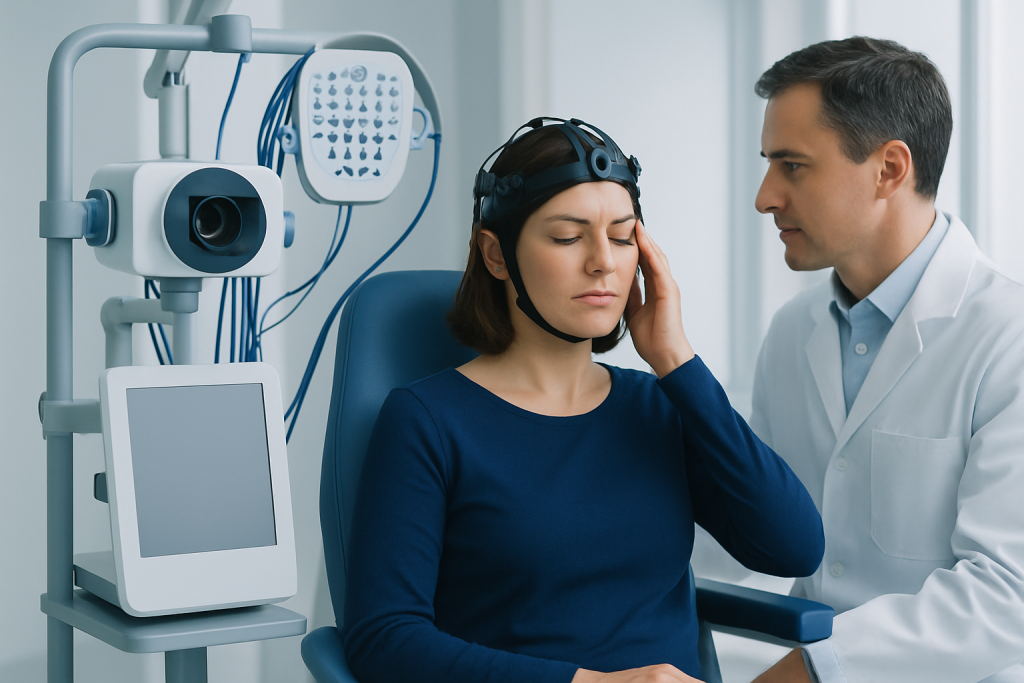
The hallmark of vertigo is a false sense of movement. A person may feel that they are spinning, that the room is rotating, or that they are being pulled to one side. These sensations can last for seconds, minutes, hours, or occasionally longer, depending on the cause.
Vertigo is often accompanied by other symptoms that offer clues about where the problem may be coming from. Nausea, vomiting, sweating, difficulty walking straight, and a feeling of imbalance are common. Some inner ear conditions also cause ringing in the ears, ear fullness, or hearing loss.
-
Spinning or whirling sensation
-
Worsening with head movement
-
Nausea or vomiting
-
Unsteadiness or trouble walking
-
Ear symptoms such as ringing or reduced hearing
Not every dizzy feeling is vertigo. Lightheadedness, faintness, or a vague “off balance” sensation may have different causes, including dehydration, low blood pressure, medication effects, or blood sugar changes. Distinguishing these patterns helps clinicians direct the evaluation correctly.
Causes & Risk Factors

Many cases of vertigo start in the inner ear, which contains the structures responsible for balance. A common cause is benign paroxysmal positional vertigo, often called BPPV, where tiny particles inside the inner ear move into the wrong place and trigger brief spinning episodes when the head changes position. This is one of the most frequent and most treatable causes.
Other inner ear causes include vestibular neuritis, which is inflammation of the balance nerve, and Ménière’s disease, which can cause episodes of vertigo with hearing changes and ear pressure. Less commonly, migraines can trigger vertigo, even without a headache. In some cases, vertigo may be related to brain or nerve conditions such as stroke, multiple sclerosis, or other neurological disorders.
Risk factors depend on the cause, but may include a history of ear infections, migraine, recent viral illness, head injury, age-related changes in balance, or certain medications. Travel fatigue, poor sleep, and dehydration do not usually cause vertigo by themselves, but they can make symptoms feel worse and recovery slower.
Diagnosis
Diagnosis begins with a detailed description of the dizziness itself. Doctors ask when it started, how long it lasts, what triggers it, whether hearing is affected, and whether there are warning signs such as weakness, double vision, slurred speech, or severe headache. These details help separate common ear-related causes from conditions that need urgent attention.
A physical examination often includes checking eye movements, balance, walking pattern, and responses to specific head and body positions. In some cases, a clinician may perform positional tests to see whether symptoms can be reproduced in a way that fits BPPV. Hearing tests may also be helpful if ear symptoms are present.
Depending on the findings, further tests may be recommended. These can include blood tests, vestibular function testing, or imaging such as MRI or CT when a neurological cause is suspected. For patients traveling from abroad, it is useful to bring prior records, medication lists, and any previous test results so the evaluation can be more efficient and avoid repeating unnecessary studies.
Treatment Options
Treatment depends on the cause rather than on vertigo alone. For BPPV, doctors often use a series of head and body movements designed to move the inner ear particles back into place. These maneuvers can bring relief quickly for many people and may be combined with guidance on safe movement afterward.
If the vertigo is related to vestibular neuritis, treatment may focus on symptom relief during the acute phase, followed by balance rehabilitation as recovery progresses. Ménière’s disease may be managed with diet changes, medication, and specialist follow-up. Migraine-related vertigo may improve when the underlying migraine pattern is addressed.
Some people need short-term medicines to reduce nausea or severe spinning, but these are not always a long-term solution. In fact, prolonged use of certain symptom-relieving medications can sometimes slow balance compensation. For that reason, treatment plans are usually individualized and reviewed regularly.
When vertigo is part of a broader neurological problem, the approach changes accordingly and may involve neurology, ENT, rehabilitation, or other specialties working together. This coordinated care can be especially helpful for international patients who need a plan that continues smoothly after they return home.
Prevention & Self-care
Not every cause of vertigo can be prevented, but some practical habits can make episodes less disruptive. Staying hydrated, getting enough rest, and avoiding sudden head movements during active symptoms may reduce discomfort. People who know their triggers, such as specific positions or migraine patterns, can often anticipate and limit flares.
Balance exercises or vestibular rehabilitation, when recommended by a clinician, can help the brain adapt to inner ear problems over time. At home, it may also help to sit or lie down promptly during an episode, keep the environment well lit, and use support when walking. Safety matters, especially on stairs, in the shower, or when driving is still uncertain.
-
Rise slowly from bed or a chair
-
Drink enough fluids throughout the day
-
Follow prescribed exercises or rehabilitation plans
-
Limit alcohol if it worsens symptoms
-
Review medications with a doctor if dizziness began after a new prescription
After treatment abroad, follow-up is an important part of self-care. Patients should leave with clear instructions on exercises, medication use, activity limits, and which warning signs mean they should seek medical help again.
When to See a Doctor
Medical assessment is advisable if vertigo is new, frequent, recurring, or interfering with daily life. It is also important to be evaluated if the symptoms are not clearly tied to a known, harmless cause or if they are becoming more intense over time. Even when vertigo seems mild, understanding the reason can prevent repeated episodes and unnecessary worry.
Urgent evaluation is needed if vertigo comes with fainting, chest pain, sudden hearing loss, double vision, severe headache, weakness, numbness, confusion, difficulty speaking, or trouble walking. These symptoms may point to a more serious condition and should not be ignored. A prompt medical review is the safest approach.
Acibadem Health Point brings together multidisciplinary specialists and JCI-accredited hospitals to diagnose and treat vertigo for international patients, with coordinated care that supports both in-person treatment and follow-up planning. If symptoms are ongoing, a qualified doctor can help determine whether the cause is inner ear-related, neurological, or something else entirely.
Frequently asked questions
01Is vertigo a disease or a symptom?
Vertigo is usually a symptom, not a disease name. It describes the sensation of spinning or movement when no real movement is happening. Doctors then look for the condition causing it.
02What is the most common cause of vertigo?
One of the most common causes is benign paroxysmal positional vertigo, or BPPV. It is related to a problem in the inner ear and often causes brief spinning episodes when the head changes position. Many cases improve with targeted maneuvers performed by a clinician.
03Can vertigo go away on its own?
Some causes improve over time, but others need treatment to settle properly. Even if symptoms fade, it is still useful to identify the cause so the problem does not keep returning. A doctor can advise whether watchful waiting or active treatment is best.
04What is the difference between dizziness and vertigo?
Dizziness is a broad term that can include lightheadedness, faintness, imbalance, or spinning. Vertigo specifically refers to a false sense of movement, usually spinning. That difference helps doctors narrow down the cause.
05Does vertigo always come from the inner ear?
No. The inner ear is a common source, but migraine, neurological conditions, medication effects, and circulation problems can also contribute. This is why a proper medical evaluation is important, especially if symptoms are unusual or severe.
06What should a person do during a vertigo episode?
It is safest to sit or lie down right away and avoid sudden movements until the spinning eases. Keeping the area safe and well lit can reduce the risk of falling. If the episode is severe or includes warning signs, medical help should be sought promptly.
This article is for general information only and is not a substitute for professional medical advice. Please consult a qualified doctor about your individual situation.
Persistent digestive symptoms? Get evaluated in Turkey
JCI-accredited · board-certified surgeons · reply within 24h
Add us as a Preferred Source to see more of our trusted health content across Google Search, AI Overviews and Discover.