Urinary Symptoms in Men and Women: Which Clues Point to Infection, Stones, or Obstruction

Key Takeaways
- Urinary symptoms such as burning, urgency, frequency, or weak flow can point to different problems depending on the pattern and timing.
- Infections often cause burning, urgency, cloudy urine, or fever, while stones more often bring sudden flank pain or blood in the urine.
- Obstruction may show up as trouble starting urination, a weak stream, incomplete emptying, or inability to pass urine.
- Symptoms alone cannot confirm the cause; urine tests and imaging are often needed for a clear diagnosis.
- Seek prompt medical care for fever, severe pain, vomiting, visible blood, or inability to urinate.
Urinary symptoms can have different causes, including infection, stones, or blockage in the urinary tract. Knowing which clues matter can help people seek the right evaluation without delay.
Overview
Urinary symptoms are common, but they are not all pointing to the same problem. A person may notice burning, a sudden urge to urinate, a weak stream, pelvic discomfort, or blood in the urine, yet the cause can range from a simple infection to a kidney stone or a blockage that keeps urine from flowing normally.
The pattern of symptoms often gives the first clue. Infection tends to irritate the bladder and urethra, stones usually create pain when they move, and obstruction often causes a sense that urine is not coming out properly. In both men and women, these differences matter because the best treatment depends on the source of the problem, not only on the symptom itself.
For people deciding whether to seek care locally or travel for treatment, this can be especially important. Urinary symptoms may seem minor at first, but they can become more complex if the cause is not identified early. A careful evaluation helps separate conditions that need antibiotics, pain control, or procedures from those that can be managed more conservatively.
Symptoms: Which Clues Suggest Infection, Stones, or Obstruction?
Urinary tract infection often brings burning during urination, frequent small voids, a strong urge to urinate, and lower abdominal discomfort. Urine may look cloudy or smell stronger than usual, and some people develop fever, chills, or pain in the back if the infection has reached the kidneys.
Kidney stones can feel quite different. The pain is often sudden, severe, and cramp-like, usually starting in the side or back and moving toward the lower abdomen or groin. Blood in the urine is common, and nausea or vomiting may occur when the pain is intense. Some stones cause little discomfort until they begin to block urine flow.
Obstruction is more likely when urine has trouble getting out in the first place. Typical clues include a weak stream, straining, a feeling of incomplete emptying, dribbling after urination, or needing to urinate often because the bladder never feels fully empty. In more urgent cases, a person may not be able to pass urine at all.
- More suggestive of infection: burning, urgency, frequency, cloudy urine, fever.
- More suggestive of stones: sudden side pain, pain that comes in waves, blood in the urine.
- More suggestive of obstruction: weak stream, hesitancy, incomplete emptying, urinary retention.
Women more commonly experience uncomplicated bladder infections because the urethra is shorter, while men may be more likely to have obstruction related to the prostate as they age. Even so, these are broad patterns, not rules. A woman can have a stone, and a man can have an infection, so the overall picture matters more than any single symptom.
Causes & Risk Factors

Infections are usually caused by bacteria entering the urinary tract. Risk can rise with dehydration, holding urine for long periods, sexual activity, pregnancy, certain health conditions such as diabetes, and previous urinary infections. In some people, catheters or urinary procedures also increase the chance of infection.
Stones form when minerals in the urine become concentrated and crystallize. Not drinking enough fluids is one common contributor, but diet, family history, body metabolism, gout, and some medications can also play a role. A person with prior stones has a higher chance of having them again, especially if the underlying reason is not addressed.
Obstruction means something is blocking urine flow. In men, an enlarged prostate is a frequent reason, especially with age. Other causes include urethral narrowing, stones lodged in the urinary tract, strictures, tumors, pelvic organ prolapse in women, or nerve problems that affect bladder emptying. Because these causes differ, the evaluation is usually more detailed when the symptom pattern suggests blockage.
Diagnosis
Doctors usually begin with a conversation about the symptoms, their timing, and whether the person has fever, flank pain, blood in the urine, or trouble emptying the bladder. A physical examination may include checking for abdominal tenderness, back pain, or signs of bladder distention.
Urine testing is often the first step. A urinalysis can look for white blood cells, red blood cells, bacteria, crystals, and signs of inflammation. If infection is suspected, a urine culture may be ordered to identify the bacteria and guide treatment. Blood tests may be useful if there are signs of kidney involvement, dehydration, or a more serious illness.
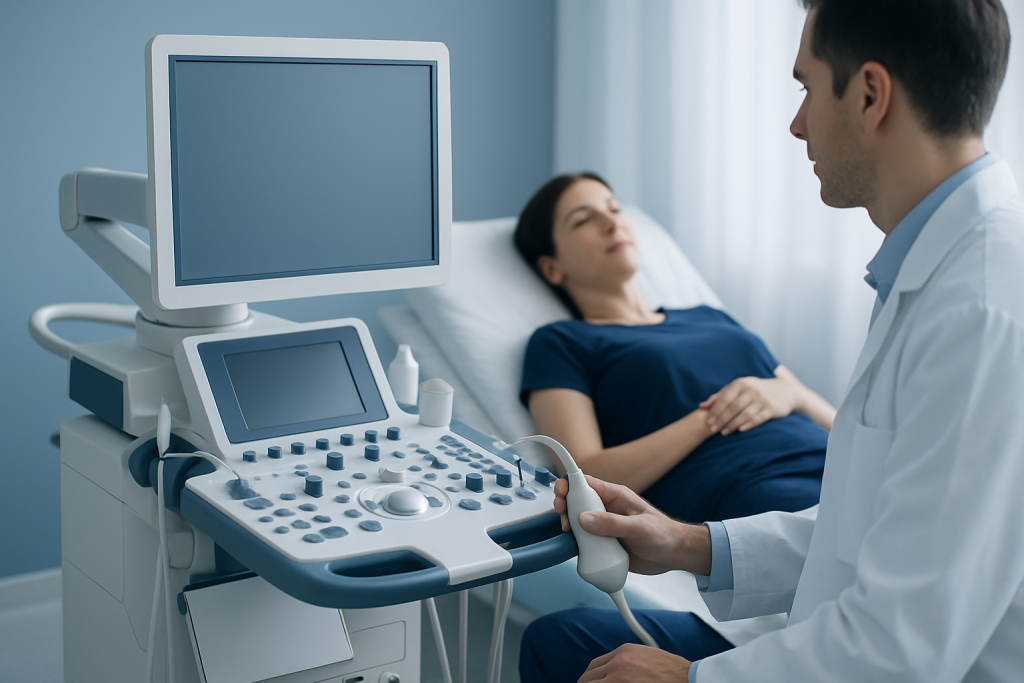
Imaging is commonly used when stones or obstruction are possible. Ultrasound can show swelling of the kidneys or a full bladder, while CT scans may be used to detect stones or other blockages more precisely. In some cases, doctors may recommend additional tests to assess bladder emptying, prostate size, or the structure of the urinary tract.
Treatment Options
Treatment depends on the cause. A straightforward urinary infection is often managed with antibiotics chosen based on the likely organism and the person’s medical history. Hydration, rest, and symptom relief may also be recommended. If the infection is more complicated, treatment plans can change, especially if the kidneys are involved or if there is an underlying condition affecting the urinary tract.
Kidney stones may pass on their own if they are small enough, but larger stones or stones causing obstruction may need more active treatment. Doctors may recommend pain control, fluids as appropriate, and imaging follow-up. Some stones are treated with procedures such as shock wave therapy, ureteroscopy, or other minimally invasive methods depending on size, location, and severity of blockage.
Obstruction treatment focuses on removing or easing the blockage. This may involve medications for prostate enlargement, catheterization if urine cannot be emptied, or a procedure to address narrowing, stones, or other structural problems. When the cause is not obvious, the treatment plan often combines symptom relief with a careful search for the underlying reason.
For international patients, a coordinated workup can be especially helpful when time is limited. At Acibadem Health Point, multidisciplinary specialists and JCI-accredited hospitals diagnose and treat urinary conditions for international patients with coordinated evaluation and follow-up planning.
Prevention & Self-care
Many urinary symptoms can be reduced by healthy daily habits, although prevention depends on the cause. Drinking enough fluids is often helpful, particularly for people who are prone to stones or concentrated urine. Regular bathroom breaks may also reduce the chance of bladder irritation and urinary infection.
Good genital and urinary hygiene matters, but it should be gentle. Harsh cleansing products, unnecessary douching, or irritants can worsen discomfort. For people with recurrent infections, clinicians may discuss personal risk factors such as sexual activity, menopause, incomplete bladder emptying, or conditions that affect immunity.
People with a history of stones may benefit from reviewing fluid intake, diet, and prior stone analysis with a doctor. Those with suspected obstruction should avoid ignoring slow flow or incomplete emptying, because ongoing retention can affect the bladder and kidneys over time. Self-care is useful, but it should not replace a proper assessment when symptoms are persistent or unusual.
- Stay hydrated unless a doctor has given different instructions.
- Do not delay urination for long periods.
- Track symptom patterns, especially Kidney Pain Location: Causes and When to Seek Care" class="ahp-ilk">pain location, fever, and urine changes.
- Follow up on recurrent symptoms instead of treating each episode as the same problem.
When to See a Doctor
Medical evaluation is important when urinary symptoms are new, persistent, recurrent, or clearly different from a person’s usual pattern. Burning with fever, back or side pain, visible blood in the urine, vomiting, or worsening weakness should not be ignored, because these can indicate a more serious infection or a stone causing blockage.
Immediate care is especially important if a person cannot urinate, has severe pain, develops confusion, or has symptoms after a urinary procedure. People with pregnancy, diabetes, a single kidney, a weakened immune system, or known urinary tract abnormalities should seek care sooner rather than later.
Urinary symptoms often have treatable causes, but the safest approach is to identify the pattern early and match it to the right test. A qualified doctor can determine whether the problem is infection, stones, obstruction, or another condition altogether, and can guide the next steps with clarity and reassurance.
Living With Recurrent Urinary Symptoms
When urinary symptoms keep coming back, the goal is not only to treat the latest episode but also to understand why it is happening. Recurrent infections may need a closer look at bladder emptying, menopause-related changes, sexual triggers, or underlying medical conditions. Recurrent stones may call for a review of diet, fluid intake, and stone type.
People who travel for medical care may want a written summary of prior urine tests, imaging, medications, and procedures. This can help the next team avoid repeating unnecessary tests and focus more quickly on the likely cause. Clear records are especially helpful when symptoms have been intermittent or treated in different countries.
A thoughtful evaluation can turn a confusing set of urinary complaints into a manageable plan. With the right diagnosis, most people can move from guesswork to targeted treatment and a more predictable recovery.
Frequently asked questions
01Can a urinary infection and a kidney stone feel similar?
Yes. Both can cause pain, blood in the urine, and a strong urge to urinate. Fever, burning, and cloudy urine lean more toward infection, while sudden side pain and wave-like pain are more typical of stones.
02Does a weak urine stream always mean obstruction?
Not always, but it is an important clue. A weak stream can happen with prostate enlargement, urethral narrowing, bladder problems, or sometimes temporary irritation, so it should be assessed if it persists.
03When is blood in the urine concerning?
Blood in the urine should be evaluated, even if it happens only once. It can occur with infection, stones, or obstruction, and it sometimes needs imaging or further testing to find the cause.
04Can urinary symptoms go away on their own?
Some mild symptoms may improve, but that does not always mean the problem is gone. Infections can worsen, stones can move, and obstruction can damage the urinary tract if left untreated.
05What tests are usually done first?
A urine test is often the first step because it can show signs of infection, blood, or crystals. Depending on the symptoms, doctors may also order imaging such as ultrasound or CT to look for stones or blockage.
06Do men and women have different warning signs?
There is overlap, but some patterns are more common in one group. Women more often have uncomplicated bladder infections, while men may be more likely to have urinary obstruction related to the prostate, especially with age.
This article is for general information only and is not a substitute for professional medical advice. Please consult a qualified doctor about your individual situation.
Persistent digestive symptoms? Get evaluated in Turkey
JCI-accredited · board-certified surgeons · reply within 24h
Add us as a Preferred Source to see more of our trusted health content across Google Search, AI Overviews and Discover.