Trisomy 13: Symptoms, Causes and Treatment

Key Takeaways
- Trisomy 13 is caused by an extra copy of chromosome 13 and can affect many organs and body systems.
- Signs may be seen before birth, at delivery, or during the newborn period, depending on the type and severity.
- Diagnosis can be made through prenatal screening, diagnostic testing, or postnatal genetic testing.
- Treatment is supportive and may include breathing help, feeding support, surgery in select cases, and palliative care.
- Families benefit from coordinated care with genetics, neonatology, cardiology, neurology, and other specialists.
Trisomy 13, also called Patau syndrome, is a chromosomal condition that affects how a baby’s body develops before birth. Care is highly individualized and focuses on medical support, family guidance, and thoughtful decision-making with a specialist team.
Overview
Trisomy 13 is a genetic condition in which a baby has an extra copy of chromosome 13 in some or all of the body’s cells. It is also known as Patau syndrome. Because chromosomes carry the instructions for growth and development, this extra genetic material can lead to differences in many parts of the body, including the brain, heart, face, and limbs.
The condition varies widely from child to child. Some babies have a full extra chromosome 13 in most cells, while others have mosaic or partial forms, where the extra material is present in only some cells or only part of the chromosome. That difference can influence how severe the findings are and what kind of care is needed.
For families, a trisomy 13 diagnosis often arrives suddenly, sometimes during pregnancy and sometimes after birth. Clear explanations, time to ask questions, and a coordinated medical plan can help parents understand what to expect and decide on the next steps in a way that fits their values and circumstances.
Symptoms and Common Findings
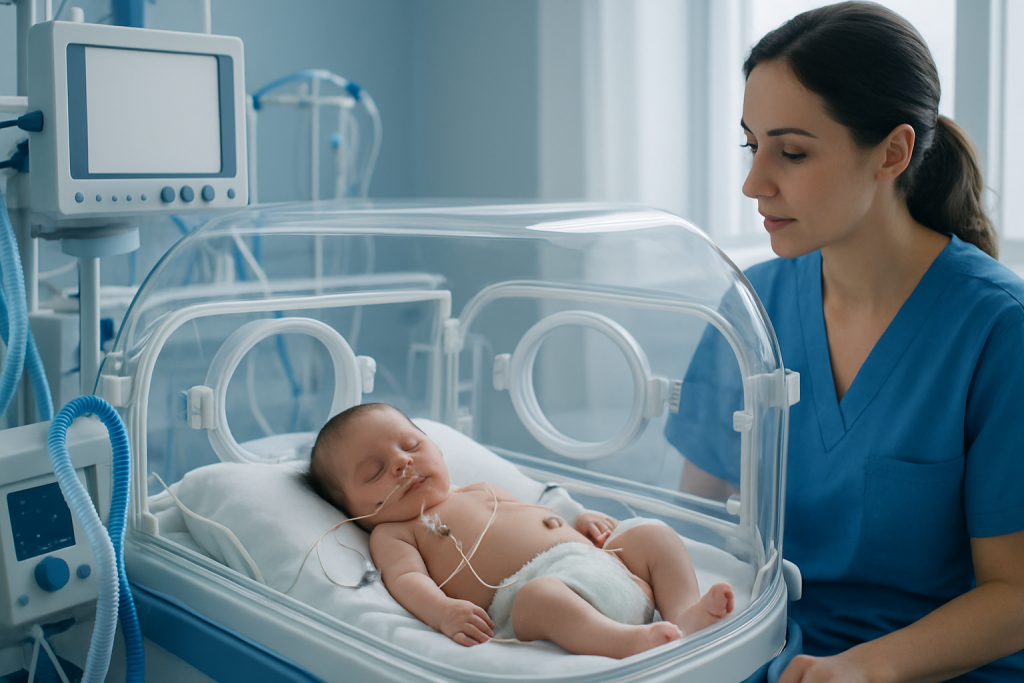
Trisomy 13 can affect growth and development before birth, so some findings may be noticed on ultrasound. After delivery, doctors may see signs such as low birth weight, weak muscle tone, difficulty feeding, and breathing problems. Some babies need immediate medical support in the newborn period because several body systems may be involved at once.
Physical features and medical findings can include:
- Brain differences, including holoprosencephaly in some babies
- Heart defects
- Cleft lip and/or cleft palate
- Extra fingers or toes
- Small eyes or eye differences
- Scalp defects or unusual skin areas
- Kidney or urinary tract differences
Not every baby will have every feature, and the combination can be unique. Some children with mosaic or partial trisomy 13 may have milder findings and survive longer, while others have severe complications that require intensive newborn care and ongoing follow-up.
Causes and Risk Factors

Trisomy 13 usually happens because of a random error in cell division when an egg or sperm is formed. Instead of the usual two copies of chromosome 13, the baby receives three copies in all or some of the cells. In most families, this occurs without anything the parents did or did not do causing it.
There are a few genetic patterns. Full trisomy 13 means the extra chromosome is present in most cells. Mosaic trisomy 13 means only some cells have the extra chromosome. Partial trisomy 13 means only a piece of chromosome 13 is extra, often because of a chromosomal rearrangement. A genetic counselor can explain which pattern is present and what it may mean for the child and family.
Risk increases with certain inherited chromosome rearrangements in a parent, although many cases are not inherited. Age-related changes in egg cells may slightly increase the chance of chromosome differences in pregnancy, but trisomy 13 can occur in pregnancies at any maternal age.
Diagnosis
Diagnosis may begin before birth if ultrasound findings raise concern or if a prenatal screening test suggests a chromosome condition. Screening tests can estimate risk, but they do not confirm trisomy 13 on their own. If a family wants a definitive answer during pregnancy, doctors may recommend diagnostic testing such as chorionic villus sampling or amniocentesis.
After birth, doctors may suspect trisomy 13 based on the baby’s physical features and medical findings. Confirmation usually requires genetic testing, such as chromosome analysis or other laboratory methods that can identify the extra chromosome material. Testing also helps determine whether the condition is full, mosaic, or partial.
Once the diagnosis is confirmed, the care team often performs additional studies to understand which organs are affected. These may include heart imaging, brain imaging, hearing or eye assessments, and evaluation of feeding, breathing, and kidney function. For families arranging care across countries, it can help to have test results translated into a clear plan before travel or transfer.
Treatment Options
There is no cure that removes the extra chromosome, so treatment focuses on supportive care and on addressing specific medical problems. The plan is highly individualized and may range from comfort-focused care to selected interventions such as surgery or intensive newborn treatment, depending on the baby’s condition and the family’s goals.
Common elements of care may include help with breathing, feeding support through a tube if needed, treatment for heart or other organ problems, and management of seizures or infections. Some babies may be candidates for procedures to correct specific issues, such as certain heart defects or cleft-related feeding problems, if the medical team feels the benefits outweigh the risks.
Palliative care is also an important option and does not mean “no care.” It means the team focuses on comfort, symptom relief, and family support, whether the baby is receiving intensive treatment or a more gentle approach. Discussions usually involve neonatologists, geneticists, surgeons, cardiologists, neurologists, and palliative care specialists working together with the family.
Prevention and Family Planning Considerations
Most cases of trisomy 13 cannot be prevented because they arise from a random chromosome event. However, families with a history of chromosomal rearrangements may benefit from genetic counseling before or during pregnancy to understand recurrence risk and testing options.
For future pregnancies, some parents choose early screening or diagnostic testing so that they can prepare emotionally and medically. Genetic counseling can also help clarify whether a chromosome change was inherited, which may matter for siblings or extended family planning.
When a baby has already been diagnosed, prevention shifts toward planning. Families often need coordinated support for feeding, breathing, transportation, appointments, and decisions about where the baby will receive follow-up care after leaving the hospital or traveling home.
Self-care and Support for Families
Families caring for a child with trisomy 13 often move through uncertainty, practical decisions, and intense emotions at the same time. It can help to keep a written list of questions, request explanations in plain language, and ask for a single coordinating doctor or nurse when multiple specialists are involved.
Practical self-care may include organizing medical records, arranging interpreter support if needed, and making a plan for follow-up visits before travel. Parents may also want to ask about feeding cues, signs of breathing difficulty, medication schedules, and whom to contact if concerns arise at home.
Emotional support matters as much as medical planning. Counseling, family support groups, spiritual care, and hospice or palliative services can all be useful depending on the family’s wishes. When care is being sought internationally, a center experienced with complex pediatric genetics can help bridge the gap between hospital treatment and ongoing care after return home.
When to See a Doctor
A doctor should be contacted promptly if a baby has trouble breathing, poor feeding, repeated vomiting, unusual sleepiness, seizures, or signs of dehydration. Babies with suspected trisomy 13 need early assessment because medical issues can change quickly in the newborn period.
Pregnant patients should speak with an obstetrician or maternal-fetal medicine specialist if a screening test, ultrasound, or family history raises concern about a chromosomal condition. Early referral to genetics can make the process more understandable and help families decide which tests are appropriate.
Specialist care is especially important when families are planning treatment across borders or seeking a second opinion. Acibadem Health Point’s multidisciplinary specialists and JCI-accredited hospitals diagnose and treat trisomy 13 for international patients, with coordinated support through evaluation, treatment planning, and follow-up.
Living with the Diagnosis
Trisomy 13 changes the course of care, but it does not remove the need for clear communication and compassionate planning. Families often do best when the medical team explains the likely challenges, the possible interventions, and the expected uncertainties without overwhelming them with technical language.
Because the condition can involve multiple organs, care may continue across several specialties and settings. Some families choose time-limited trials of treatment, while others focus primarily on comfort and bonding. Either path can be thoughtful and appropriate when it matches the baby’s needs and the family’s goals.
For international patients, continuity is particularly important. A well-organized discharge plan, translated records, and a clear handoff to local doctors can make the transition smoother and help families feel less alone once they return home.
Frequently asked questions
01What is trisomy 13?
Trisomy 13 is a chromosomal condition caused by an extra copy of chromosome 13. It can affect development of the brain, heart, face, and other organs, and the severity can vary from one baby to another.
02Is trisomy 13 inherited?
Most cases are not inherited and happen as a random chromosome error. In some families, a parent may carry a chromosome rearrangement that increases recurrence risk, which is why genetic counseling can be helpful.
03Can trisomy 13 be found before birth?
Yes. Screening tests and ultrasound may suggest the condition during pregnancy, and diagnostic tests such as chorionic villus sampling or amniocentesis can confirm it. A doctor can explain which option fits the pregnancy and the family’s goals.
04How is trisomy 13 treated?
There is no treatment that changes the extra chromosome itself, so care focuses on medical support and symptom management. Depending on the baby’s condition, treatment may include breathing support, feeding help, surgery for selected problems, or comfort-focused care.
05Do all babies with trisomy 13 have the same outlook?
No. Outcomes vary based on whether the condition is full, mosaic, or partial and on which organs are affected. A specialist team can give the most useful guidance after reviewing the baby’s specific findings.
06Should families seek a specialist center?
Yes, especially when the diagnosis is complex or when care needs to be coordinated across countries. A center with neonatal, genetics, cardiology, neurology, and palliative care expertise can help build a plan that is medically sound and practical for the family.
This article is for general information only and is not a substitute for professional medical advice. Please consult a qualified doctor about your individual situation.
Hair transplant in Turkey — costs, graft counts & a free assessment
JCI-accredited · board-certified surgeons · reply within 24h
Add us as a Preferred Source to see more of our trusted health content across Google Search, AI Overviews and Discover.