Snoring Alone or Sleep Apnea Risk? The Questions That Make the Difference

Key Takeaways
- Snoring can happen on its own, but loud or frequent snoring may also point to sleep apnea.
- Breathing pauses, gasping during sleep, morning headaches, and daytime fatigue are important warning signs.
- A medical assessment may include a sleep history, physical examination, and sometimes an overnight sleep study.
- Lifestyle changes can help some people, while others need devices, oral appliances, or other treatments.
- Prompt evaluation is especially important if snoring is paired with choking, witnessed pauses, or safety concerns such as drowsy driving.
Snoring is common, but it is not always harmless. The questions around breathing pauses, daytime sleepiness, and sleep quality can help distinguish simple snoring from possible sleep apnea.
Overview
Snoring often starts as a household annoyance, but the better question is not whether the sound is loud — it is whether breathing stays steady through the night. A person can snore and still breathe normally, yet snoring can also be one visible sign of obstructive sleep apnea, a condition in which the upper airway repeatedly narrows or closes during sleep.
That distinction matters because sleep apnea affects more than sleep quality. It can leave a person unrefreshed, foggy, or irritable the next day, and in some cases it may contribute to broader health problems over time. For people deciding whether to seek care, the key is not to guess from sound alone, but to look at the whole sleep picture: breathing pattern, daytime symptoms, and whether anyone has noticed pauses or gasping.
For international patients, this question often comes up after months or years of “just snoring” at home. Sometimes the decision to travel for assessment happens only after a partner records nighttime breathing pauses, or after repeated jet lag, poor sleep, and exhaustion make the pattern harder to ignore. A careful evaluation can help separate simple snoring from a problem that deserves treatment.
Symptoms That Point Beyond Simple Snoring
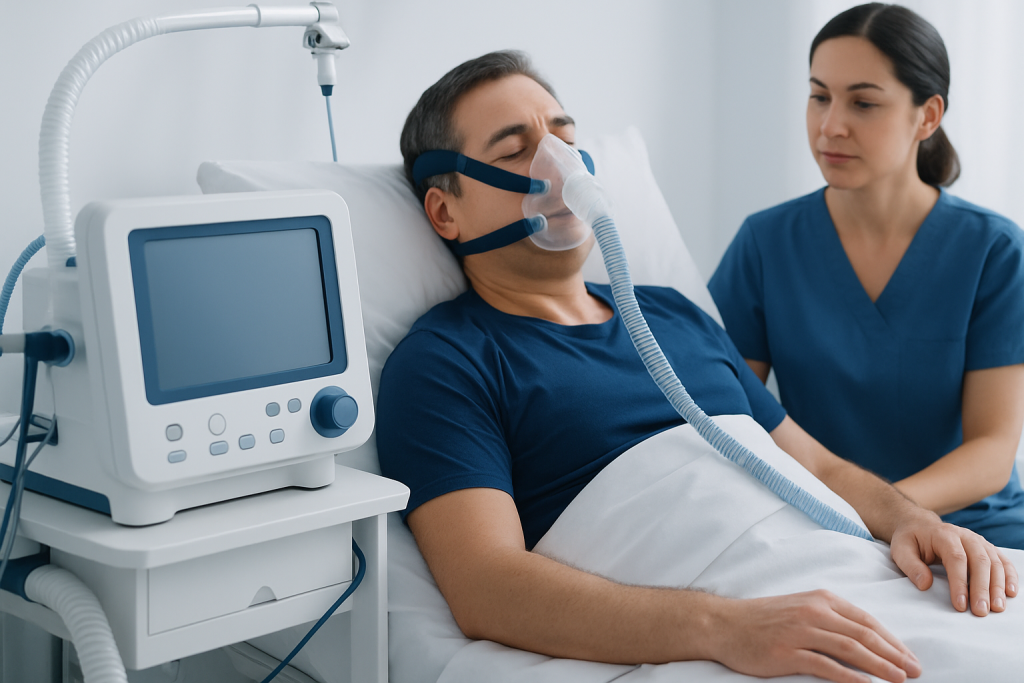
Snoring by itself does not automatically mean sleep apnea. In many people, it is simply the vibration of relaxed tissues in the throat as air moves past them. The concern rises when snoring is joined by other signs that suggest sleep is being interrupted again and again.
Common clues include breathing pauses during sleep, choking or gasping, restless tossing, frequent awakenings, and a dry mouth or sore throat on waking. During the day, people may notice excessive sleepiness, trouble concentrating, mood changes, morning headaches, or the need for frequent naps. Some people do not feel sleepy but instead describe a sense of poor sleep, low energy, or a “not fully rested” feeling that never seems to clear.
- Snoring that is loud, nightly, or worsening over time
- Observed pauses in breathing during sleep
- Gasping, choking, or snorting sounds at night
- Unrefreshing sleep despite enough time in bed
- Daytime sleepiness, irritability, or difficulty focusing
- Morning headaches or dry mouth
Partners often notice the pattern first. Their observations can be especially helpful because a person may not remember waking up briefly many times during the night. If someone has been told they stop breathing while asleep, that is more significant than the snoring sound alone.
Why It Happens: Causes & Risk Factors

Snoring and sleep apnea share some of the same roots: air moving through a narrower-than-usual airway. In simple snoring, the airway vibrates but remains open. In obstructive sleep apnea, the airway becomes too narrow or collapses enough to reduce airflow or stop it temporarily.
Several factors can increase the chance of both snoring and sleep apnea. These include excess body weight, a large neck circumference, nasal blockage from allergies or structural issues, enlarged tonsils or a crowded airway, alcohol use before bed, and sleeping on the back. Age also plays a role, and the risk tends to rise in adulthood. Sleep apnea can occur in people of any body size, including those who are not overweight.
Some medical and anatomical features can make the airway more collapsible during sleep. These may include a small lower jaw, a deviated septum, enlarged tongue or tonsils, or certain hormone-related conditions. A family history of sleep apnea may also matter, as can smoking, which irritates the upper airway and may worsen swelling.
How Doctors Sort It Out: Diagnosis
A good diagnosis starts with a detailed sleep history. A clinician will usually ask how often the snoring happens, whether breathing pauses have been observed, whether the person feels sleepy during the day, and whether there are morning symptoms such as headache or dry mouth. Questions about alcohol, medications, nasal congestion, weight changes, and bedtime habits can also provide important clues.
The physical examination often looks at the nose, mouth, jaw, throat, neck, and body size, but it cannot confirm or exclude sleep apnea on its own. When the history suggests possible breathing interruptions, the next step may be an overnight sleep study. This can be done in a sleep lab or, in selected cases, at home with a portable monitor. The goal is to measure breathing events, oxygen levels, sleep quality, and body position during sleep.
For people traveling from another country, advance planning can help. Records of symptoms, medications, and any prior test results should be gathered before the appointment, and a written summary of sleep concerns from a partner can be very useful. If sleep apnea is found, follow-up planning matters too, because treatment works best when the person understands how to use it consistently after returning home.
Treatment Options
Treatment depends on whether the person has simple snoring, mild sleep apnea, or more significant obstruction. Not every snorer needs a device or surgery. In some cases, lifestyle changes and treatment of contributing issues are enough to reduce the problem.
For obstructive sleep apnea, positive airway pressure therapy is a common and effective option. It works by gently keeping the airway open during sleep. Some people may be better suited to a custom oral appliance that repositions the jaw and tongue, especially when sleep apnea is mild to moderate or when CPAP is not tolerated. If nasal blockage, enlarged tonsils, or structural airway problems are important contributors, a specialist may discuss additional procedures or surgery.
Other measures may include weight management when appropriate, avoiding alcohol near bedtime, improving nasal breathing, and changing sleep position. For certain people, treating allergies, reflux, or nasal congestion can make a noticeable difference. The best plan is individualized, because the right treatment for one person may not be the right choice for another.
Prevention & Self-care
Not all snoring can be prevented, but it can often be reduced by making the airway less likely to narrow at night. Small changes in habits may help, especially when snoring is mild and there are no clear signs of sleep apnea. The aim is not perfection; it is to make sleep steadier and daytime functioning better.
Practical steps include sleeping on the side rather than the back, limiting alcohol before bedtime, avoiding sedatives unless prescribed and reviewed by a clinician, and keeping nasal passages as clear as possible if allergies or congestion are an issue. Maintaining a healthy weight can also help some people, though it is only one part of the picture and is not a quick fix. Regular sleep schedules and enough sleep time may reduce the strain that makes snoring worse.
- Try side sleeping or use positional supports if back sleeping worsens snoring.
- Address nasal congestion with medical guidance when allergies or sinus issues are present.
- Keep bedtime routines steady and allow enough time for sleep.
- Limit alcohol before sleep and review any sleep-promoting medicines with a doctor.
- Track symptoms over time, especially daytime sleepiness and witnessed breathing pauses.
If a person is evaluating care from abroad, it helps to think beyond the first appointment. Ask how follow-up will work after returning home, whether the device or treatment plan needs remote monitoring, and what symptoms would require reassessment. A good prevention plan should be realistic in everyday life, not just on paper.
When to See a Doctor
Snoring deserves medical attention when it comes with signs that sleep may be repeatedly interrupted. Breathing pauses, gasping, choking sounds, excessive daytime sleepiness, poor concentration, or morning headaches are all reasons to ask for an evaluation. The same is true if snoring is affecting relationships, work performance, or safety, especially if drowsiness shows up while driving or operating equipment.
It is also wise to seek help if snoring begins suddenly, becomes much worse, or occurs alongside new nasal blockage, weight change, alcohol use, or medication changes. Children and adolescents who snore regularly should be assessed as well, since enlarged tonsils, airway narrowing, and sleep-disordered breathing can affect learning, behavior, and growth.
Acibadem Health Point’s multidisciplinary specialists and JCI-accredited hospitals diagnose and treat sleep apnea for international patients, with coordinated care that can support assessment, treatment planning, and follow-up. The goal is a clear answer, a practical plan, and a safer path back to restful sleep.
Living With the Question: Snoring or Sleep Apnea?
Many people spend years wondering whether their snoring is “just snoring” because the symptom is easy to dismiss. A more useful approach is to treat snoring as a clue and then ask the questions that matter: Are there breathing pauses? Is sleep refreshing? Is daytime function slipping? Those answers often tell the story more clearly than the noise itself.
When the picture is uncertain, professional assessment can prevent delays and remove guesswork. For some people, the reassurance that it is simple snoring is the most helpful outcome. For others, identifying sleep apnea early can open the door to treatment that improves sleep, energy, and overall quality of life.
In both cases, the message is the same: persistent snoring is worth understanding, not merely tolerating. A structured evaluation can turn a nightly nuisance into a solvable health question.
Frequently asked questions
01Does loud snoring always mean sleep apnea?
No. Loud snoring can happen without sleep apnea, especially if there are no breathing pauses or daytime symptoms. The concern increases when snoring is paired with gasping, choking, or noticeable sleepiness during the day.
02What questions help tell snoring apart from sleep apnea?
Useful questions include whether anyone has seen breathing stops, whether the person wakes up gasping, and whether sleep feels refreshing in the morning. Daytime fatigue, headaches, and trouble focusing also make sleep apnea more likely.
03Can sleep apnea happen in people who are not overweight?
Yes. While excess weight is a common risk factor, sleep apnea can also be related to airway shape, nasal blockage, enlarged tonsils, jaw structure, or family history. A person of any body size can be affected.
04Is a sleep study always needed?
Not always, but it is often the best way to confirm sleep apnea when symptoms suggest it. A clinician will decide based on the history, examination, and how strongly the symptoms point toward breathing interruption during sleep.
05What can be done if the problem is only snoring?
Simple snoring may improve with side sleeping, limiting alcohol before bed, treating nasal congestion, and maintaining healthy sleep habits. If it is persistent or disruptive, a doctor can help look for correctable causes.
06When should someone seek urgent help?
Urgent evaluation is sensible if sleepiness is creating a safety risk, such as drowsy driving, or if breathing problems seem severe at night. Otherwise, a routine medical appointment is usually appropriate for persistent snoring with other symptoms.
This article is for general information only and is not a substitute for professional medical advice. Please consult a qualified doctor about your individual situation.
Explore treatments in Turkey — costs, top hospitals & a free quote
JCI-accredited · board-certified surgeons · reply within 24h
Add us as a Preferred Source to see more of our trusted health content across Google Search, AI Overviews and Discover.