Snoring Alone or Sleep Apnea Risk? The Questions That Make the Difference

Key Takeaways
- Snoring by itself does not confirm sleep apnea, but certain patterns raise suspicion.
- Witnessed pauses in breathing, gasping, and unrefreshing sleep are important warning clues.
- Body weight, nasal blockage, alcohol, and sleep position can influence both snoring and sleep apnea.
- A medical evaluation may include a sleep history, examination, and sometimes a sleep study.
- Treatment ranges from lifestyle changes to devices and other therapies, depending on the cause and severity.
Snoring is common, but it is not always harmless. The details around breathing pauses, daytime sleepiness, and sleep quality can help show when snoring may signal sleep apnea instead of a simple noise during sleep.
Overview
Snoring starts the same way for many people: a restless night, a bedroom door that closes a little too loudly, and a familiar sound that is easy to dismiss. Yet the question is not only whether someone snores. It is whether the snoring is simply a sound made by relaxed tissues in the throat, or whether it is part of a pattern that suggests obstructive sleep apnea, a condition in which breathing repeatedly becomes blocked during sleep.
That difference matters because ordinary snoring and sleep apnea can look similar from the outside. Both may be worse when a person sleeps on the back, after alcohol use, or during nasal congestion. But sleep apnea usually brings more than noise. It often affects how deeply and how safely a person breathes overnight, and it can leave clues in the daytime as well.
For people thinking about care from another country, the best first step is usually not to label the problem from a single night’s observation. A fuller picture comes from asking the right questions: Has anyone noticed pauses in breathing? Is there choking or gasping? Is the sleeper tired despite enough time in bed? Those answers help determine whether the issue is likely simple snoring or something that deserves a sleep evaluation.
Symptoms
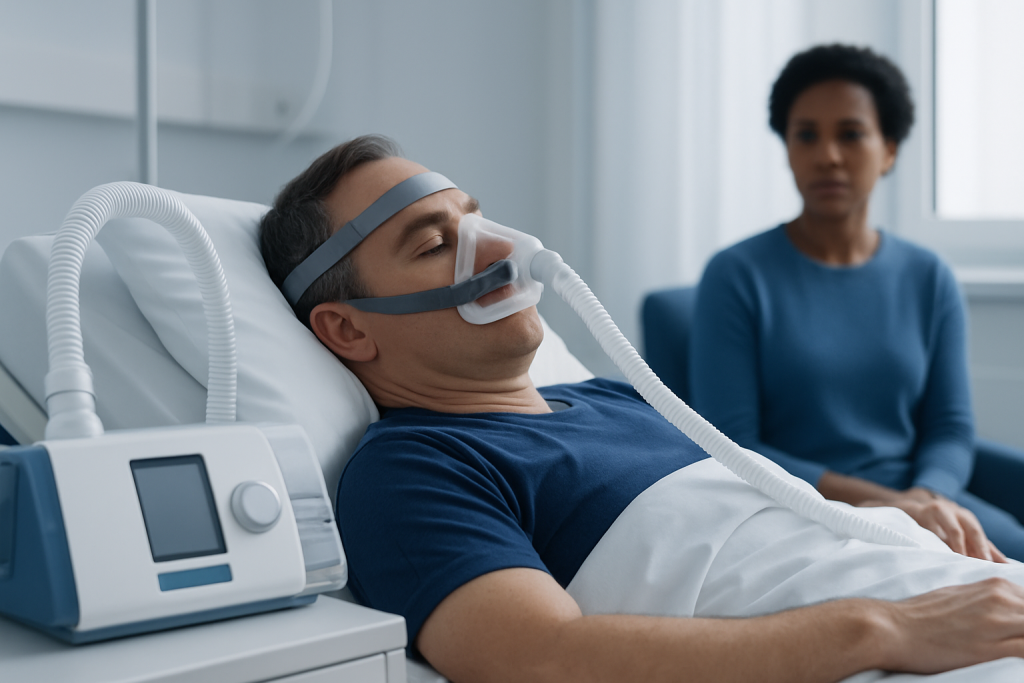
Snoring can be loud, uneven, or frequent, but by itself it does not always mean disease. Some people snore only when they have a cold, have drunk alcohol, or sleep on their back. In these cases, the sound may be bothersome without indicating a serious breathing disorder.
Sleep apnea becomes more likely when snoring comes with other features. Common clues include breathing pauses that another person notices, sudden gasps or choking sounds, restless sleep, waking with a dry mouth, morning headaches, and feeling unrefreshed after a full night’s sleep. Some people also wake often to urinate, feel irritable, or struggle to focus during the day.
The daytime picture is often as important as the nighttime one. Unexplained sleepiness while reading, watching television, or sitting in a quiet place may suggest broken sleep. In some people, especially children, sleep apnea may appear less as sleepiness and more as behavior changes, poor concentration, or difficulty with school performance.
- Repeated pauses in breathing observed by a partner or family member
- Gasping, snorting, or choking during sleep
- Loud, frequent snoring that does not improve with position changes
- Excessive daytime sleepiness or fatigue
- Morning headache, dry mouth, or poor concentration
Causes & Risk Factors

Snoring usually happens when airflow causes the tissues of the upper airway to vibrate. Narrow nasal passages, enlarged tonsils, a thicker neck, or relaxed throat muscles can make that vibration more likely. Sleep apnea, on the other hand, usually involves partial or complete blockage of the airway during sleep, especially the most common form, obstructive sleep apnea.
Certain factors make both conditions more likely. These include excess body weight, alcohol use before bed, sedative medicines, nasal obstruction from allergies or structural concerns, and sleeping on the back. Age can also play a role, since muscle tone in the airway may change over time. Family history and anatomical features such as a small jaw or enlarged soft tissues can also increase risk.
It is worth remembering that sleep apnea can occur in people who are not overweight and in people who do not snore especially loudly. Likewise, not every loud snorer has sleep apnea. The pattern and the associated symptoms matter more than the volume of the sound alone.
For international patients deciding whether to travel for treatment, it helps to gather practical details before the trip: body weight changes, current medicines, previous sleep testing, and any existing heart, blood pressure, or breathing conditions. These details give the specialist a clearer starting point.
Diagnosis
Doctors usually begin with a careful sleep history. They may ask who hears the snoring, whether breathing stops have been observed, how refreshed the person feels in the morning, and whether there are issues such as hypertension, headaches, or reduced alertness. Questions about alcohol use, nasal blockage, sleep position, and bedtime routines are also common because they help separate uncomplicated snoring from a possible sleep-breathing disorder.
A physical examination may look for signs of airway narrowing, such as enlarged tonsils, a crowded throat, a deviated nasal septum, or a larger neck circumference. Depending on the findings, the doctor may recommend a sleep study to measure breathing, oxygen levels, sleep stages, and related patterns overnight. This can be done in a sleep lab or, in selected cases, with a home sleep test.
The purpose of testing is not to add bureaucracy to the process. It is to show whether breathing is interrupted often enough to need treatment, and if so, what kind. That information helps avoid both under-treatment and unnecessary treatment. For patients traveling for care, test results can also guide whether a single consultation is enough or whether an in-person sleep study should be arranged during the visit.
Treatment Options
Treatment depends on what is causing the snoring and whether sleep apnea is present. If the problem is mild snoring without apnea, changes in sleep habits may be enough. If sleep apnea is confirmed, treatment is usually more structured and may include devices that keep the airway open during sleep.
Common approaches include weight management when appropriate, sleeping on the side, reducing alcohol before bedtime, treating nasal allergies, and reviewing medicines that may worsen airway relaxation. For obstructive sleep apnea, positive airway pressure therapy is often considered, since it helps prevent the airway from collapsing during sleep. In some cases, oral appliances made by dental specialists may be suitable. Surgery may be discussed when anatomy is contributing significantly or when other treatments are not effective.
No single option is best for everyone. The right plan depends on the severity of symptoms, the sleep study results, the person’s anatomy, and lifestyle factors. For international patients, that plan may also need to account for how treatment will continue after returning home. A good care team will think ahead about equipment use, follow-up, and communication with local doctors if needed.
- Lifestyle changes for mild snoring or as part of sleep apnea care
- Continuous positive airway pressure or similar airway-support devices
- Oral appliances in selected cases
- ENT or sleep-related surgery when appropriate
- Ongoing follow-up to assess symptom improvement and treatment comfort
Prevention & Self-care
Not every case of snoring can be prevented, but several habits can reduce the chance that it becomes louder or more disruptive. Sleeping on the side may help some people, especially if snoring worsens on the back. Avoiding alcohol close to bedtime can also make a difference, since alcohol relaxes the airway muscles and may increase both snoring and apnea events.
Keeping the nose clear is another practical step. For some people, managing allergies, using saline rinses, or treating congestion under medical guidance improves nighttime breathing. Regular physical activity and weight management can help when excess weight is contributing to airway narrowing, although these changes usually work gradually rather than overnight.
Good sleep habits matter too. A consistent sleep schedule, enough sleep time, and a quiet, dark bedroom can reduce fragmented rest. Still, self-care has limits. If the snoring is accompanied by choking, witnessed pauses, or marked daytime fatigue, the priority is not to keep experimenting at home but to seek a medical assessment.
When to See a Doctor
A doctor’s opinion is helpful when snoring is new, getting worse, or affecting the sleeper or household. It is especially important to seek evaluation if a bed partner notices breathing pauses, gasping, or prolonged silence followed by a loud snort. These are classic reasons to consider sleep apnea rather than ordinary snoring.
Medical review is also wise when daytime tiredness interferes with work, driving, or concentration, or when there are health concerns such as high blood pressure, heart disease, or unexplained morning headaches. In children, loud snoring, restless sleep, mouth breathing, or behavior and learning changes deserve attention.
For people arranging care from abroad, it can help to collect a short sleep diary, a list of symptoms, and any prior test results before the appointment. Acibadem Health Point’s multidisciplinary specialists and JCI-accredited hospitals diagnose and treat sleep-related breathing disorders for international patients, with care planned around both the medical findings and the practicalities of travel and follow-up.
A Few Questions That Help Separate Snoring From Sleep Apnea
Some of the most useful questions are also the simplest. Does the person only snore, or do they stop breathing? Are there gasping sounds? Is sleep refreshing, or does the person wake up tired despite spending enough time in bed? These questions often reveal more than the snoring volume itself.
Other clues are worth noticing in daily life. Does the person fall asleep in quiet situations? Wake with headaches? Need to sleep with the mouth open because the nose feels blocked? Has the snoring changed over time, especially after weight gain or a new medicine? Patterns like these do not prove sleep apnea, but they make further evaluation more sensible.
When people ask these questions early, they often reach the right diagnosis sooner and avoid months of guessing. That can make treatment simpler, whether the final answer is improved sleep habits, an oral appliance, a breathing device, or another targeted approach.
Frequently asked questions
01Is loud snoring always a sign of sleep apnea?
No. Loud snoring can happen without sleep apnea, especially with alcohol use, nasal congestion, or sleeping on the back. The more important clues are breathing pauses, gasping, and daytime sleepiness.
02What is the single most important question to ask about snoring?
Ask whether anyone has seen the person stop breathing during sleep. Witnessed pauses, especially when followed by choking or snorting, make sleep apnea more likely.
03Can someone have sleep apnea without snoring much?
Yes. Some people with sleep apnea do not snore loudly, and others may not notice the problem themselves. That is why daytime symptoms and a sleep history are important.
04How is sleep apnea confirmed?
Doctors usually confirm it with a sleep study, which measures breathing and oxygen levels during sleep. The type of test depends on the person’s symptoms and medical history.
05Can lifestyle changes help snoring?
Yes, especially when snoring is mild. Side sleeping, reducing alcohol before bed, treating nasal congestion, and weight management can all help some people.
06When should a person seek medical advice about snoring?
Medical advice is a good idea when snoring is frequent, worsening, or linked to fatigue, headaches, or pauses in breathing. It is especially important if the snoring affects driving, work, or daily safety.
This article is for general information only and is not a substitute for professional medical advice. Please consult a qualified doctor about your individual situation.
Explore treatments in Turkey — costs, top hospitals & a free quote
JCI-accredited · board-certified surgeons · reply within 24h
Add us as a Preferred Source to see more of our trusted health content across Google Search, AI Overviews and Discover.