Shoulder Arthroscopy vs. Open Surgery: What the Difference Means for Recovery

Key Takeaways
- Shoulder arthroscopy uses small incisions and a camera, while open surgery uses a larger incision to access the joint directly.
- Recovery time depends more on the condition being treated than on the incision size alone.
- Arthroscopy often means less soft-tissue disruption, which may support a quicker early recovery in many cases.
- Open surgery may be recommended for complex injuries, large repairs, or situations that need broader access.
- Physical therapy, activity modification, and follow-up care are central to recovery after either approach.
Shoulder arthroscopy and open surgery are two common ways to treat shoulder problems, but they differ in how they are performed and how recovery often feels. Understanding those differences can help patients make informed decisions with their orthopedic team and prepare for a safer, more realistic healing journey.
Overview
When a shoulder problem begins to limit reaching, lifting, sleeping, or working, surgery may be discussed as one possible next step. Two broad approaches are commonly used: shoulder arthroscopy and open shoulder surgery. Both are established orthopedic techniques, but they are not interchangeable, and the recovery experience can look different depending on the procedure and the condition being treated.
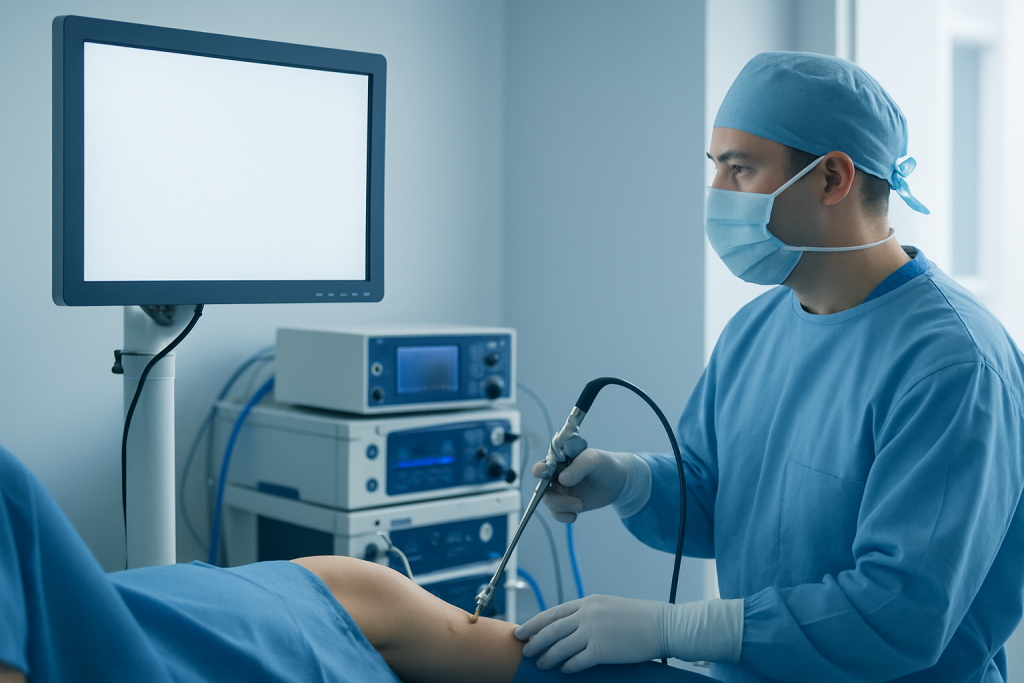
Arthroscopy is a minimally invasive technique that uses a small camera and specialized instruments inserted through tiny incisions. Open surgery uses one larger incision so the surgeon can see and treat the shoulder directly. The choice is usually based on the diagnosis, the extent of the damage, prior treatments, and the patient’s overall health and goals.
For many patients, the real question is not simply which operation is “smaller,” but which one matches the problem most accurately. A well-chosen procedure can improve pain relief, restore function, and support a more predictable recovery plan.
Symptoms and the Problems These Procedures Treat
Shoulder surgery is usually considered after symptoms have persisted despite rest, medication, injections, activity changes, or rehabilitation. People often describe deep pain, weakness, stiffness, catching, instability, or difficulty sleeping on the affected side. Everyday tasks such as combing hair, fastening a seatbelt, or carrying groceries may become noticeably harder.
Arthroscopy is often used for problems such as certain rotator cuff tears, labral injuries, loose bodies, impingement-related issues, and some cases of shoulder arthritis or inflammation. Open surgery may be more appropriate for larger or more complex rotator cuff tears, recurrent dislocations, fracture repair, tendon transfers, joint replacement, or revision surgery when prior procedures have not fully worked.
Symptoms alone do not determine the surgical approach. Imaging, exam findings, and the history of the injury matter just as much. A shoulder that looks similar on the outside may need a very different plan once the surgeon understands the underlying mechanics of the joint.
Causes and Risk Factors

Shoulder problems that lead to surgery can develop suddenly or gradually. A fall, sports collision, lifting injury, or dislocation may cause immediate damage. In other cases, wear-and-tear changes, repetitive overhead use, poor tendon quality, or age-related degeneration contribute over time.
Several factors can increase the chance that a shoulder condition becomes severe enough to need surgery. These include manual labor, overhead athletics, previous dislocations, chronic rotator cuff degeneration, diabetes, smoking, and delayed treatment after injury. Some patients also have stiffness or arthritis that narrows surgical options and influences the recovery plan.
International patients often arrive with a long medical history, prior scans, or operations done elsewhere. In those situations, the surgeon reviews old records carefully, because the cause of pain may be a combination of issues rather than a single tear or a single event.
Diagnosis and How Surgeons Decide Between Arthroscopy and Open Surgery
The decision begins with a detailed consultation. The orthopedic specialist asks about the injury, symptoms, daily limitations, previous treatments, and the patient’s recovery expectations. A physical examination helps assess strength, range of motion, instability, and pain patterns.
Imaging usually plays a major role. X-rays can show bone alignment, arthritis, or fractures, while MRI or ultrasound may reveal tendon tears, labral injuries, or inflammation in the soft tissues. In some cases, CT scans are helpful for complex bone injuries or surgical planning. The goal is not just to name the problem, but to understand whether it can be addressed safely through a small camera-based approach or whether open access will likely offer better control and visibility.
Surgeons consider several practical questions: Can the repair be done reliably through small incisions? Is the tissue quality good enough for arthroscopy? Is there deformity, scar tissue, or complexity that makes open access more suitable? The final decision is individualized and may change if the shoulder looks different once surgery begins.
Treatment Options: What the Difference Means for Recovery
Arthroscopic surgery usually involves less disruption to the surrounding skin and soft tissue, so many patients notice less early pain, smaller scars, and a shorter initial recovery period. That said, the procedure still may require sling use, a period of protected movement, and structured rehabilitation. A patient should not assume that “minimally invasive” means “minimal recovery.”
Open surgery may involve a larger incision and more tissue handling, which can lead to a longer early healing phase. However, it can be the safest and most effective choice for certain complex repairs. In those situations, the larger exposure may help the surgeon reconstruct the shoulder more precisely, which can support better long-term function even if early recovery takes more time.
The condition being treated often matters more than the surgical label. A simple arthroscopic cleanup may heal faster than a major open reconstruction, but a complex arthroscopic rotator cuff repair may still require months of protection and therapy. Recovery is shaped by the anatomy, the type of repair, age, tissue quality, and how closely the rehabilitation plan is followed.
Typical recovery elements after either approach may include:
- Pain control with ice, prescribed or recommended medications, and rest
- Temporary sling or brace use to protect healing tissues
- Physical therapy to restore safe motion and strength
- Gradual return to driving, work, sports, and overhead activity
- Follow-up visits to monitor healing and adjust the plan
Rehabilitation and Practical Recovery Expectations
Recovery after shoulder surgery is not only about the operation itself; it is about how carefully the shoulder is protected and retrained afterward. Physical therapy often begins with gentle motion and progresses toward strength, coordination, and function. Rushing this process can irritate healing tissue, while delaying it too long may allow stiffness to develop.
Patients traveling for treatment may need special planning. A smooth recovery can depend on arranging time for early follow-up, understanding when it is safe to fly, and making sure there is a clear plan for therapy once they return home. It is helpful to leave the hospital with written instructions, a contact pathway for questions, and clarity about which symptoms are expected versus which ones need prompt review.
In the first days and weeks, common concerns include discomfort, swelling, sleep difficulty, and temporary limits in self-care. Over time, the focus shifts toward regaining range of motion, then building strength, then returning to the activities that matter most to the patient, whether that means desk work, childcare, gardening, or a sport that places demands on the shoulder.
Prevention and Self-care
Not every shoulder condition can be prevented, but many can be managed more effectively when warning signs are addressed early. Repetitive overhead strain, poor lifting mechanics, and skipping rehabilitation after a shoulder injury can all make symptoms worse. Maintaining good posture, shoulder conditioning, and balanced strength around the upper back and rotator cuff may help protect the joint.
After surgery, self-care is largely about consistency. Patients do best when they follow sling instructions, keep therapy appointments, use ice or pain relief as advised, and avoid lifting more than recommended. It is also wise to arrange help for the first few days at home, especially for dressing, bathing, cooking, and carrying bags.
For people who are traveling internationally for surgery, preparation reduces stress. Packing loose clothing, planning medication access, arranging transportation, and understanding the follow-up schedule all make the recovery period more manageable. Good preparation does not speed healing artificially, but it can remove avoidable obstacles.
When to See a Doctor
A qualified orthopedic specialist should evaluate shoulder pain that lasts more than a few weeks, keeps returning, or interferes with daily life. Medical review is especially important if the shoulder feels unstable, there is marked weakness, the joint locks or catches, or the pain began after a fall or dislocation.
After surgery, patients should contact their care team promptly if they notice increasing redness, fever, worsening swelling, drainage from the incision, numbness, sudden loss of function, or pain that seems out of proportion to the expected recovery pattern. These signs do not always mean something serious is happening, but they do deserve timely attention.
For patients considering Herniated Disc Treatment Abroad: Injection, Rehab, or Surgery?" class="ahp-ilk">treatment abroad, a second opinion can be useful when the diagnosis is complex or the decision between arthroscopy and open surgery is not clear. Acibadem Health Point’s multidisciplinary specialists and JCI-accredited hospitals diagnose and treat shoulder conditions for international patients with coordinated surgical and rehabilitation support.
Frequently asked questions
01Is arthroscopic shoulder surgery always easier to recover from than open surgery?
Not always. Arthroscopy often involves smaller incisions and less early soft-tissue disruption, but the overall recovery depends on what was repaired and how much protection the shoulder needs afterward. A complex arthroscopic repair can take longer than a simpler open procedure.
02How long does shoulder recovery usually take?
Recovery varies widely based on the procedure and the tissue involved. Some patients regain daily function relatively quickly, while others need several months of therapy before they are ready for heavier activity or sport. The surgeon’s rehabilitation plan is the best guide.
03Will I need a sling after surgery?
Many patients do, especially after rotator cuff repair or other procedures that need protection. The length of sling use depends on the exact operation and the surgeon’s instructions. It is important not to stop using it early unless the care team advises that it is safe.
04Can shoulder arthroscopy treat large tears?
In some cases, yes, but not all large tears are ideal for arthroscopy. The surgeon considers tissue quality, tear size, location, and whether a direct open repair would be more reliable. The safest approach is the one that best fits the shoulder’s anatomy and goals.
05When can someone return to work or driving?
That depends on pain control, dominant arm involvement, job demands, and whether the shoulder is in a sling. Desk work may resume sooner than manual labor, while driving is usually delayed until the patient can control the arm safely and is no longer taking sedating pain medicines. The surgeon should give individualized timing.
06What should international patients prepare before traveling for shoulder surgery?
They should plan for early follow-up, therapy arrangements, medication access, and enough help for basic tasks after discharge. It also helps to bring prior imaging and reports so the surgical team can review the full history. Clear planning makes the recovery period more organized and less stressful.
This article is for general information only and is not a substitute for professional medical advice. Please consult a qualified doctor about your individual situation.
Hair transplant in Turkey — costs, graft counts & a free assessment
JCI-accredited · board-certified surgeons · reply within 24h
Add us as a Preferred Source to see more of our trusted health content across Google Search, AI Overviews and Discover.