Prostate Cancer Treatment Abroad: How Men Choose Between Surgery and Radiation

Key Takeaways
- Surgery and radiation can both be effective for many localized prostate cancers, but they differ in recovery and side-effect patterns.
- The best option often depends on age, cancer risk category, other medical conditions, and personal preferences.
- Men planning treatment abroad should think about travel timing, follow-up testing, and where they will manage recovery after returning home.
- A multidisciplinary review helps compare options more clearly and may reduce regret after treatment.
- Second opinions are reasonable when treatment choices feel close or when the diagnosis is complex.
Choosing between prostate cancer surgery and radiation is rarely a simple yes-or-no decision. It usually depends on the cancer’s stage, a man’s overall health, urinary and sexual function priorities, and how he feels about recovery and follow-up care abroad.
Overview
For many men, a prostate cancer diagnosis is followed by a second, equally important question: should treatment be surgery or radiation? When care is being considered abroad, that decision can feel even more layered, because it also includes travel plans, time away from work and family, and the logistics of follow-up after returning home.
Both surgery and radiation are established treatments for prostate cancer. In general, surgery aims to remove the prostate gland, while radiation uses focused energy to destroy cancer cells. Neither option is automatically better for every man; the better choice depends on the cancer itself and on what matters most to the patient in daily life.
International patients often benefit from a slower, more structured conversation with a urologist, radiation oncologist, and medical oncologist. That kind of review helps compare cure intent, side effects, and recovery timelines in a way that is realistic rather than theoretical.
Symptoms
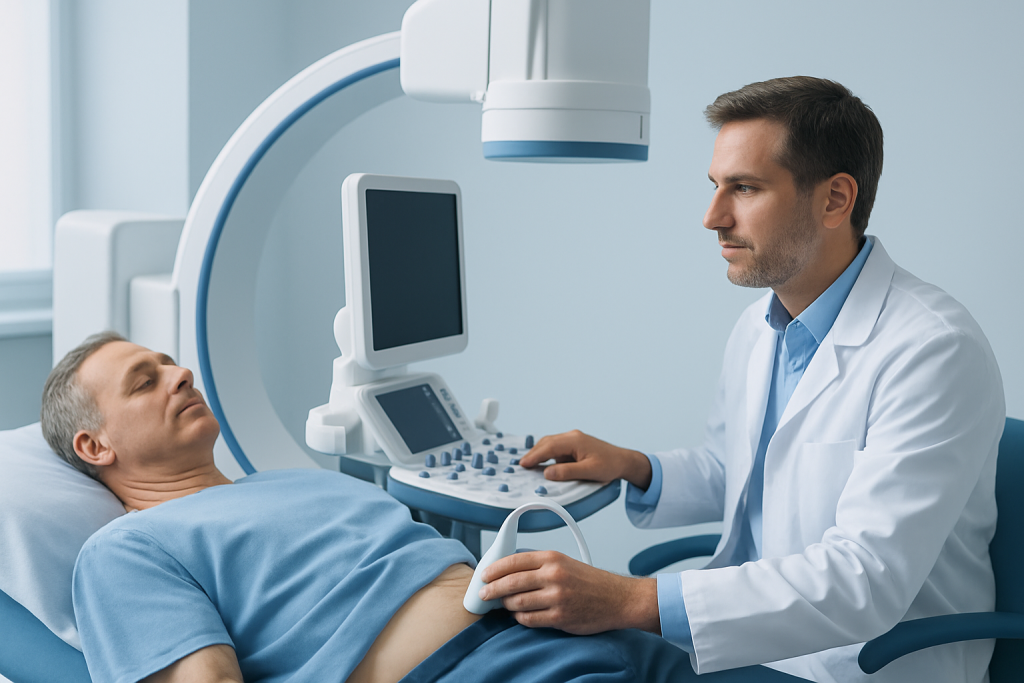
Prostate cancer does not always cause symptoms in its early stages, which is one reason it is often found through screening tests or a workup for a raised PSA level. When symptoms do appear, they may overlap with other prostate conditions, so they are not proof of cancer by themselves.
Possible symptoms can include urinary frequency, a weak stream, getting up at night to urinate, blood in the urine or semen, pain in the pelvis or back, or difficulty starting urination. More advanced disease may sometimes cause bone pain or fatigue, but these symptoms also have many other possible causes.
- Urinary changes are common but not specific to cancer.
- Many men with prostate cancer feel well at diagnosis.
- Symptoms should be assessed by a qualified clinician rather than self-interpreted.
Because symptoms can be subtle, treatment decisions are usually based on test results, imaging, pathology, and overall risk category rather than symptoms alone.
Causes & Risk Factors

Prostate cancer begins when cells in the prostate gland grow in an uncontrolled way. The exact cause is not always known, but age, genetics, and family history are important risk factors. Some inherited gene changes can raise the likelihood of prostate cancer or influence how doctors approach treatment planning.
Other factors can include being older, having a first-degree relative with prostate cancer, and certain ancestry-related risk patterns. Lifestyle factors may affect overall health, but they do not fully explain why one man develops prostate cancer and another does not.
When choosing between surgery and radiation, the cancer’s risk level matters a great deal. Men with localized low-risk disease may be candidates for active surveillance, while others with higher-risk localized disease may need definitive treatment. Men with more advanced disease may need a combination approach rather than one local therapy alone.
Risk factors do not decide the treatment by themselves. They are part of a broader picture that includes prostate-specific antigen results, biopsy grade, imaging findings, urinary symptoms, and the man’s own priorities.
Diagnosis
Before a treatment choice is made, doctors usually confirm how aggressive the cancer appears and whether it is still localized. This process often starts with a PSA blood test and a digital rectal exam, followed by prostate imaging and biopsy when needed.
A biopsy report gives important details such as the Gleason score or Grade Group, which helps describe how abnormal the cells look under the microscope. MRI and sometimes other scans may be used to look for spread beyond the prostate. These findings help determine whether surgery, radiation, or another strategy is most appropriate.
For men seeking treatment abroad, it is helpful to arrive with copies of pathology slides, biopsy reports, PSA history, imaging discs or digital files, and a medication list. This allows the receiving team to review the case efficiently and avoid repeating tests unnecessarily.
Some hospitals will also discuss the likely need for lymph node assessment, hormone therapy, or additional treatment after surgery or radiation. That broader planning is especially important when a patient will spend part of recovery in another country.
Treatment Options
Surgery for prostate cancer usually means removing the prostate gland, often with a radical prostatectomy. It may be done through open surgery, laparoscopy, or robotic-assisted techniques, depending on the hospital and the surgeon’s expertise. Surgery can provide precise pathology information after the gland is removed, which may help guide next steps.
Radiation therapy treats the prostate without removing it. It may be delivered as external beam radiation therapy or, in some cases, as brachytherapy, where radioactive sources are placed inside or near the prostate. Some men also receive hormone therapy with radiation, especially when the cancer has higher-risk features.
The choice between these two paths often comes down to trade-offs. Surgery may appeal to men who want the prostate removed and a clear tissue diagnosis, while radiation may appeal to men who wish to avoid an operation or prefer to preserve current urinary control as much as possible. However, both treatments can affect urinary, bowel, and sexual function in different ways.
Common comparison points include:
- Recovery time and time away from travel
- Chance of needing catheter use after surgery
- Risk of urinary leakage or irritation
- Effects on sexual function over time
- Need for follow-up PSA testing and possible additional therapy
Not every man is an equally good candidate for each option. Men with certain urinary issues, prior pelvic radiation, prior pelvic surgery, or other health conditions may be steered toward one treatment more than the other. A multidisciplinary review helps sort out those details before a decision is finalized.
Prevention & Self-care
There is no guaranteed way to prevent prostate cancer, but men can reduce avoidable health burdens by keeping up with routine medical care and discussing screening with a doctor when appropriate. For those already diagnosed, self-care is mainly about preparing well, protecting recovery, and keeping follow-up organized.
Before treatment abroad, it helps to understand the expected timeline. Surgery may require a hospital stay, catheter care, and a period of limited activity. Radiation often involves multiple visits over days or weeks, so travel planning and lodging should match the treatment schedule.
Practical self-care steps may include:
- Bringing all prior medical records in English if possible
- Asking who will manage follow-up once the patient returns home
- Clarifying how PSA monitoring will be scheduled after treatment
- Planning for help with meals, transportation, or mobility if needed
- Discussing sexual health and urinary rehabilitation early, not as an afterthought
Recovery is not only physical. Many men find it useful to set expectations with family members before treatment begins, especially if the trip includes language differences or a longer stay abroad. Simple planning can reduce stress and make it easier to focus on healing.
When to See a Doctor
Men should seek prompt medical review if they notice blood in the urine or semen, persistent urinary problems, unexplained pelvic or bone pain, or a rising PSA test that has not yet been evaluated. These symptoms do not confirm cancer, but they deserve attention.
After a diagnosis is made, a doctor should also be consulted when the treatment choice feels unclear, when a second opinion is desired, or when the patient is weighing treatment abroad and needs help comparing options. A review by a specialist team can be especially helpful if the biopsy suggests higher-risk disease or if there is uncertainty about whether cancer has spread.
It is wise to ask how follow-up will work after returning home, what side effects should trigger contact, and whether additional therapy might be needed later. For international patients, Acibadem Health Point’s multidisciplinary specialists and JCI-accredited hospitals can diagnose and treat prostate cancer while helping coordinate care across borders.
Medical advice should be personalized. A qualified doctor can explain whether surgery, radiation, active surveillance, or a combined plan is the most appropriate path for the individual patient.
Living With the Decision
The decision between surgery and radiation is rarely about one “perfect” treatment. It is usually about choosing the option that best fits the cancer’s biology, the man’s health, and the kind of recovery he is prepared to manage.
Some men value the idea of removing the prostate and having tissue examined directly. Others prefer to avoid an operation and are more comfortable with a course of radiation, even if it takes longer. Both perspectives are valid, and neither should be dismissed as less informed or less courageous.
When treatment is planned abroad, the conversation should include more than hospital technology. It should also cover language support, travel timing, aftercare, pathology review, PSA follow-up, and who will answer questions once the patient is back home. Those details often shape satisfaction with care just as much as the treatment itself.
In the end, the best decision is the one made with clear information, realistic expectations, and a care team that is willing to explain the trade-offs carefully.
Frequently asked questions
01Is surgery always better than radiation for prostate cancer?
No. Both treatments can be effective for many men with localized prostate cancer. The better choice depends on the cancer’s risk features, the man’s health, and his preferences about recovery and side effects.
02How do doctors decide between surgery and radiation?
They look at PSA levels, biopsy findings, imaging results, age, overall health, urinary symptoms, and whether the cancer appears confined to the prostate. They also discuss what matters most to the patient, such as preserving urinary control, avoiding surgery, or keeping treatment time shorter.
03Can prostate cancer be treated abroad safely?
Yes, many men receive high-quality prostate cancer care abroad, provided the hospital is well equipped and the specialist team is experienced. It is important to plan for records transfer, communication, and follow-up after returning home.
04Will I need more treatment after surgery or radiation?
Sometimes. After surgery, some men need radiation or other treatment if pathology suggests the cancer may return. After radiation, additional hormone therapy or other follow-up treatment may be recommended depending on the cancer’s features.
05What side effects should I ask about before choosing treatment?
Men should ask about urinary leakage, urinary irritation, bowel changes, sexual function, fatigue, and the likely recovery timeline. It also helps to ask how often these effects are temporary and what support is available if they persist.
06Should I get a second opinion before deciding?
A second opinion is often reasonable, especially if the diagnosis is complex or the treatment options seem evenly matched. It can help confirm the stage, review pathology, and make the choice feel more settled.
This article is for general information only and is not a substitute for professional medical advice. Please consult a qualified doctor about your individual situation.
Get these values checked properly — full body check-up in Turkey
JCI-accredited · board-certified surgeons · reply within 24h
Add us as a Preferred Source to see more of our trusted health content across Google Search, AI Overviews and Discover.