Pancreatitis Workup: Which Causes Doctors Try to Rule Out First

Key Takeaways
- Pancreatitis is diagnosed by combining symptoms, blood tests, and imaging rather than one test alone.
- Doctors usually rule out gallstones, alcohol-related injury, high triglycerides, and medication causes early.
- The workup may include liver tests, lipase, ultrasound, CT scan, and sometimes MRCP or endoscopic ultrasound.
- Finding the cause matters because treatment and prevention depend on whether the trigger can be removed or controlled.
- New severe abdominal pain, vomiting, fever, jaundice, or trouble breathing should be assessed promptly.
A pancreatitis workup focuses on confirming inflammation of the pancreas and quickly identifying what triggered it. Doctors usually look first for gallstones, alcohol use, certain medications, high triglycerides, and other urgent causes that may change treatment.
Overview
When doctors evaluate pancreatitis, they are not only asking whether the pancreas is inflamed. They are also trying to determine why it happened, because the cause often points to the safest and most effective next step in care. A careful pancreatitis workup usually begins with the most common and most actionable possibilities: gallstones, alcohol exposure, medication effects, and metabolic problems such as high triglycerides or high calcium.
This approach matters because pancreatitis is not a single disease. It can appear suddenly as acute pancreatitis or follow a longer, more complex pattern in chronic pancreatitis. In both situations, the diagnosis often starts in the same place: a detailed history, a focused physical exam, blood tests, and imaging that can be arranged quickly in a hospital or specialty clinic.
For international patients, the workup may happen over one or two coordinated visits, especially if symptoms started abroad and records need to be reviewed. The goal is to sort urgent causes from less immediate ones, treat pain and dehydration safely, and make a plan that can continue after travel.
Symptoms That Prompt the Workup
Pancreatitis often announces itself with Abdominal Pain: Causes and Treatment" class="ahp-ilk">upper abdominal pain that may feel steady, severe, or boring into the back. Some people also develop nausea, vomiting, bloating, or pain that worsens after eating. In acute cases, the discomfort can begin suddenly, while chronic pancreatitis may cause repeated attacks or a more persistent, dull ache.
Doctors pay close attention to accompanying signs that can hint at the cause or severity. Yellowing of the eyes or skin may suggest a blocked bile duct from gallstones. Fever, low blood pressure, confusion, or shortness of breath can point to a more complicated episode that needs urgent evaluation.
Because other problems can mimic pancreatitis, symptom patterns alone are not enough. Kidney stones, gallbladder disease, stomach ulcers, bowel problems, and even heart-related pain can overlap with pancreatic pain, which is why the next step usually includes targeted testing.
Causes & Risk Factors Doctors Rule Out First

The first questions in a pancreatitis workup are often the most practical ones: Is there a gallstone blocking the duct? Has there been recent alcohol use? Is there a medication or metabolic issue that could be behind the episode? These are the causes doctors tend to rule out early because they are common and can directly change treatment.
Gallstones are among the most important causes to check for. A stone can temporarily block the flow of pancreatic juice or bile, triggering inflammation. Doctors often look for this with liver blood tests and ultrasound, especially if there is jaundice or pain after meals.
Alcohol use is another major cause, but the history needs to be handled carefully and respectfully. Clinicians usually ask about recent intake, long-term patterns, and whether past episodes may have been linked to alcohol. If alcohol is involved, the workup may also include support for reducing or stopping use safely.
Other causes are less common but still important to identify early:
- High triglycerides
- High calcium levels
- Medication-related pancreatitis
- Recent endoscopic procedures such as ERCP
- Abdominal trauma
- Infections, autoimmune disease, or pancreatic duct problems
Risk factors can overlap. A person may have gallstones and take a medication that adds risk, or have diabetes and high triglycerides that make the pancreas more vulnerable. The workup is designed to sort out which factor is most likely driving the episode rather than assuming there is only one answer.
How Diagnosis Is Made
Diagnosing pancreatitis usually requires meeting at least two of three criteria: a typical history, elevated pancreatic enzymes in the blood, or imaging that shows inflammation. Lipase is often the most useful blood test because it tends to stay elevated longer than amylase. Still, a normal test does not always fully rule out disease if the timing is unusual or symptoms are evolving.
Doctors often order additional blood work at the same time. Liver enzymes and bilirubin can suggest a gallstone cause, while triglycerides and calcium help uncover metabolic triggers. A complete blood count, kidney tests, and inflammatory markers may help assess dehydration, infection risk, or overall severity.
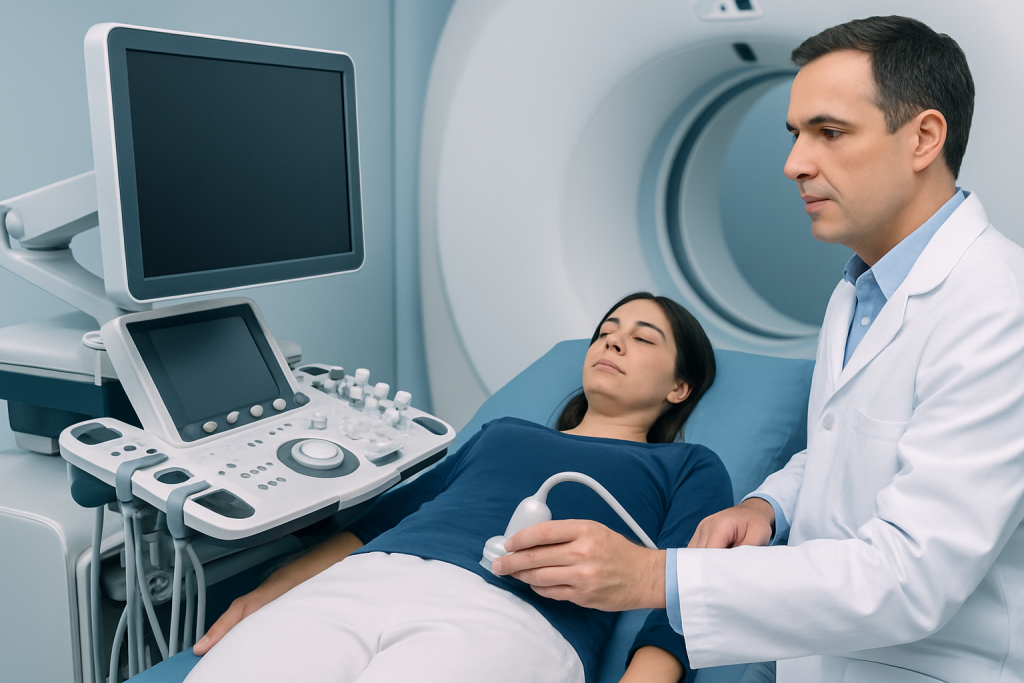
Imaging helps answer a different question: what is going on structurally? An abdominal ultrasound is often the first scan when gallstones are suspected. If the picture is unclear or symptoms are severe, a CT scan may be used to look for complications or alternate diagnoses. In selected cases, MRCP or endoscopic ultrasound can examine the bile ducts and pancreas in more detail.
Sometimes the workup is broadened if the cause is not obvious. That may include an autoimmune evaluation, repeat imaging after the acute episode settles, or review of prior records from another country. This is especially helpful for patients who arrive with partial documentation or who were treated initially before traveling for further care.
Treatment Options
Treatment begins with stabilization, not with speculation. If pancreatitis is suspected, doctors usually focus first on pain relief, IV fluids, nausea control, and careful monitoring. Some people need hospital admission, while milder cases may be managed with close observation and rapid follow-up depending on symptoms and test results.
The cause then shapes the rest of the plan. If gallstones are responsible, the team may recommend gallbladder treatment after the acute episode improves, because removing the source can prevent recurrence. If alcohol is the trigger, treatment includes medical support for stopping alcohol use and reducing the risk of another flare. If a medication is suspected, the prescribing doctor may change or stop it when it is safe to do so.
For high triglycerides, treatment may involve diet changes and medical management through a primary care doctor, endocrinologist, or gastroenterologist. If the pancreas or bile ducts show blockage, narrowing, or stones, procedures such as ERCP or surgical evaluation may be considered. Chronic pancreatitis may also require enzyme replacement, nutrition support, and pain-focused care.
In more complex cases, care works best when several specialists coordinate. A gastroenterologist, radiologist, surgeon, and sometimes an endocrinologist or nutrition specialist may each contribute a piece of the plan. That coordination is particularly valuable for international patients who need a clear diagnosis and a practical follow-up path before returning home.
Prevention & Self-care
Prevention depends on the cause, but a few habits help many people after a pancreatitis episode. Following the doctor’s instructions about diet, hydration, and medicines is an important first step. Some patients are advised to temporarily eat smaller, lower-fat meals while the pancreas recovers, though the exact plan should always be individualized.
If gallstones were involved, prevention may center on definitive gallbladder treatment or monitoring for recurrent biliary symptoms. If alcohol played a role, the safest prevention strategy is usually to avoid alcohol completely, especially after a documented episode. If triglycerides were high, long-term control through diet, exercise, and prescribed medication can lower the chance of another attack.
Self-care also includes knowing which symptoms should not be watched at home for too long. Persistent vomiting, inability to keep fluids down, worsening pain, new jaundice, or increasing abdominal swelling are reasons to seek reassessment. After discharge, patients should keep follow-up appointments so that lab values, nutrition, and recovery progress can be checked rather than guessed at.
Travel can complicate recovery, so patients are often encouraged to keep copies of their imaging reports, blood tests, and discharge summary. That makes it easier for another physician to continue care if symptoms recur after returning home.
When to See a Doctor
Medical evaluation is recommended promptly for severe upper abdominal pain, especially when it spreads to the back or is paired with vomiting or fever. Pancreatitis can become serious quickly, and early assessment helps confirm the diagnosis and find the cause before complications build.
Urgent care is especially important if there is jaundice, fainting, confusion, shortness of breath, black stools, or a rigid, swollen abdomen. These signs may suggest a more complicated problem that cannot be sorted out safely at home. People with diabetes, known gallstones, heavy alcohol use, very high triglycerides, or prior pancreatitis should be assessed with extra caution if symptoms recur.
If the diagnosis is uncertain, a doctor may repeat tests or order further imaging after the initial episode settles. For patients seeking an organized international evaluation, Acibadem Health Point’s multidisciplinary specialists and JCI-accredited hospitals can help diagnose and treat pancreatitis while coordinating care for patients traveling from abroad.
What to Expect After the First Visit
After the initial workup, the next steps depend on what the first round of tests shows. Some people leave with a clear explanation, such as gallstones or alcohol-related pancreatitis. Others need follow-up testing because the pancreas can be difficult to image clearly during the early phase of inflammation.
Doctors may schedule a repeat review once pain and swelling settle, especially if the cause is still uncertain. That second look can uncover small stones, duct narrowing, autoimmune features, or other structural clues that were harder to see during the acute illness. This staged approach is common and does not mean the first evaluation was incomplete.
Clear communication is especially useful when the care journey crosses borders. Patients should ask for a written summary of the suspected cause, all abnormal test results, medication changes, and the timing of any follow-up scans or blood work. That record becomes a practical roadmap for future care.
Living With the Diagnosis
A pancreatitis diagnosis can feel disruptive, but the cause is often identifiable and manageable once the right tests are done. For many people, avoiding a repeat attack comes down to addressing one key trigger: a gallstone problem, alcohol exposure, a medication issue, or an untreated metabolic imbalance.
Ongoing care may include more than the pancreas itself. Some patients also need help with diabetes, nutrition, or pain management, particularly if they develop chronic pancreatitis. Supportive follow-up helps protect digestion, maintain weight, and reduce the chance that small symptoms are ignored until they become urgent.
With a careful workup and a clear plan, many patients can move from uncertainty to a more stable routine. The most useful question after the diagnosis is usually not just “What happened?” but “What can be done now to keep it from happening again?”
Frequently asked questions
01What is the first thing doctors look for in pancreatitis?
Doctors usually start by checking for gallstones, alcohol exposure, and signs of medication or metabolic causes such as high triglycerides. These are common and often change treatment quickly. The first tests usually include blood work and abdominal imaging.
02Can pancreatitis be diagnosed with one blood test?
No single test is enough on its own. Lipase is very helpful, but doctors also use symptoms and imaging to confirm the diagnosis. This combination helps reduce false alarms and missed cases.
03Why do doctors ask about alcohol so early?
Alcohol is a common cause of pancreatitis and a key factor in preventing another episode. The question is asked early because the answer may change both immediate care and long-term counseling. The discussion should be nonjudgmental and focused on health.
04What imaging test is most common first?
An abdominal ultrasound is often used first when gallstones are suspected. It is noninvasive and can show whether stones or bile duct blockage are present. If more detail is needed, doctors may add CT, MRCP, or endoscopic ultrasound.
05What if the cause is not found right away?
Sometimes the cause is not clear during the first visit, especially if inflammation is severe. Doctors may repeat blood tests or imaging later, when swelling has improved. This stepwise approach is common and can reveal clues that were hidden at the start.
06Is pancreatitis always an emergency?
Not every case is life-threatening, but new severe abdominal pain should be assessed promptly. Some people need hospital care for fluids, pain control, and monitoring. Seeking early medical attention helps lower the risk of complications.
This article is for general information only and is not a substitute for professional medical advice. Please consult a qualified doctor about your individual situation.
Get these values checked properly — full body check-up in Turkey
JCI-accredited · board-certified surgeons · reply within 24h
Add us as a Preferred Source to see more of our trusted health content across Google Search, AI Overviews and Discover.