Ostomy: Types, Care and Complications

Key Takeaways
- An ostomy creates a new path for stool or urine to leave the body through a stoma on the abdomen.
- Common types include colostomy, ileostomy, and urostomy, each with different care needs.
- Ostomy care focuses on protecting the skin, emptying or changing the pouch, and watching for changes in the stoma or output.
- Diet, hydration, clothing choices, travel planning, and emotional support can all make daily life easier.
- Follow-up with a colorectal surgeon, urologist, wound-ostomy nurse, or gastroenterologist helps prevent complications and build confidence.
An ostomy is a surgical opening that helps waste leave the body when part of the bowel or urinary tract needs to rest or be bypassed. With the right guidance, most people learn practical care routines and return to active daily life.
Overview
An ostomy is a surgical opening made to allow stool or urine to leave the body through the abdomen instead of the usual route. The visible part of the opening is called a stoma, and it is connected to the intestine or urinary tract depending on the reason for surgery.
People may need an ostomy after bowel disease, cancer treatment, injury, or a congenital condition. Some ostomies are temporary and later reversed, while others are permanent. Although the idea can feel unfamiliar at first, many people find that a well-fitted pouching system and clear instructions make day-to-day management very practical.
For international patients, the first conversations often focus on what life will look like after surgery, how much support will be needed before travel, and whether follow-up can be shared between the surgical team and a local doctor at home. Those questions are important because good preparation usually makes recovery smoother.
Types of Ostomy
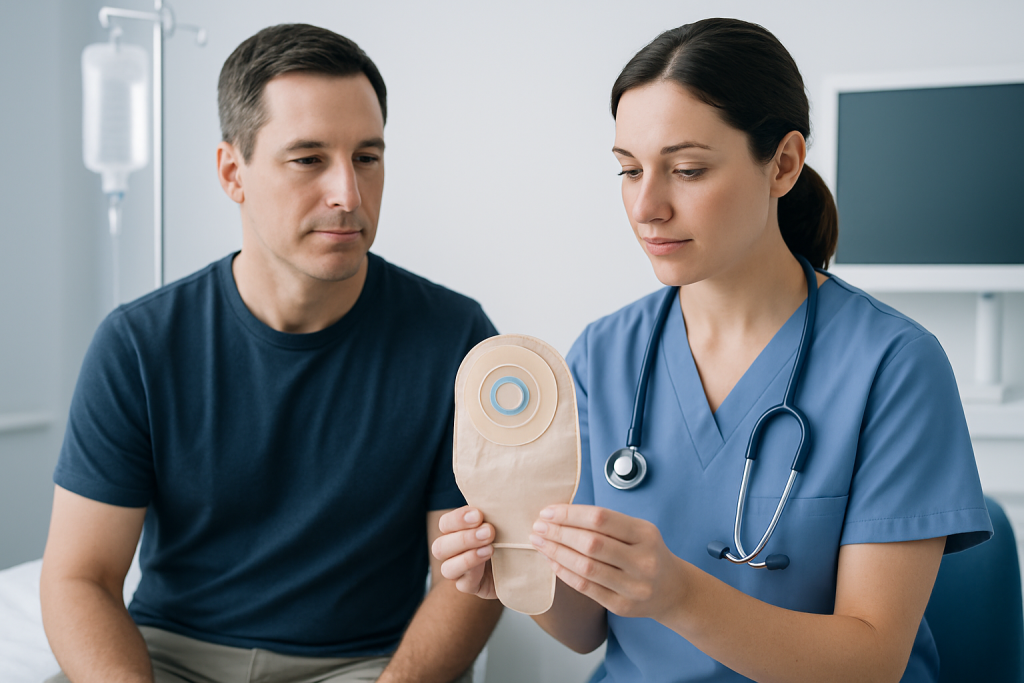
Different ostomies serve different purposes. A colostomy brings part of the large intestine to the skin, so stool may be more formed than with other types. An ileostomy uses the end of the small intestine and often produces a more liquid output, which means skin care and hydration need extra attention. A urostomy diverts urine away from the bladder, usually after bladder surgery or when the bladder can no longer do its job safely.
Ostomies may also be described by how they are created. Some are end ostomies, where one end of the bowel is brought to the surface. Others are loop ostomies, which temporarily divert output while the bowel heals. The type of ostomy affects pouch selection, emptying frequency, and the kind of education a patient receives before discharge.
Understanding the exact type matters because a “one-size-fits-all” approach does not work well. A person with an ileostomy may need different fluids and supplies than someone with a colostomy, and someone with a urostomy will have a different routine again. A wound-ostomy nurse can help match the system to the person’s body shape, skin sensitivity, and lifestyle.
Symptoms and What Patients Notice

An ostomy itself is not usually described by symptoms in the usual sense, but patients often notice a collection of changes after surgery. The stoma is typically pink to red and moist, and it may appear more swollen at first as healing begins. Output from the stoma will enter the pouch rather than pass through the rectum or bladder in the usual way.
In the early period, people may notice fatigue, soreness around the incision or stoma, and a need to learn new routines for emptying and changing the pouch. Skin irritation, odor concerns, and worries about leakage are common and understandable, especially during the first weeks. Many of these issues improve as the pouching system is adjusted and confidence grows.
It is helpful to know the warning signs that deserve medical review. These include a stoma that becomes dark, very pale, or unusually swollen; repeated leaks; pain that worsens rather than settles; or output changes that are sudden and significant. None of these always mean something serious, but they should be checked promptly.
Causes and Risk Factors
Ostomies are created for medical reasons, not as a disease on their own. Common causes include colorectal cancer, inflammatory bowel disease such as Crohn’s disease or ulcerative colitis, bowel obstruction, diverticular disease, trauma, birth defects, bladder cancer, or injury to the urinary tract. The surgical team recommends an ostomy when it offers the safest route to healing, symptom control, or cancer treatment.
Risk factors are often tied to the underlying condition rather than the ostomy itself. For example, someone with repeated intestinal inflammation may be more likely to need bowel surgery, while a person with pelvic cancer may need temporary diversion during treatment. Previous abdominal operations, poor wound healing, and other medical conditions can also influence the surgical plan.
Before surgery, teams usually review nutrition, medications, hydration, and overall fitness because these factors affect recovery. For patients traveling from abroad, it is especially useful to discuss how long they may need to stay near the treating hospital, what equipment they should take home, and how to arrange a reliable supply of ostomy products after discharge.
Diagnosis and Surgical Planning
An ostomy is not diagnosed in the usual sense; rather, it is planned after a careful evaluation of the condition that requires it. Doctors may use blood tests, scans, colonoscopy, cystoscopy, or other investigations to understand the problem and decide whether surgery is the best option. The goal is always to treat the underlying disease while preserving function and quality of life as much as possible.
Before surgery, the stoma site is often marked on the abdomen while the patient is sitting, standing, and bending. This simple step can make a major difference because it helps place the stoma where it is easier to see, dress around, and fit with a pouch. Patients usually also meet an ostomy nurse to learn what supplies are used and how the first days after surgery may unfold.
Planning is especially valuable for international patients because it connects the operation with the recovery period that follows. Questions about length of stay, travel timing, airport safety, follow-up appointments, and whether a temporary ostomy may later be reversed should be discussed in advance. Clear planning reduces uncertainty and gives the patient a practical roadmap.
Treatment Options and Ostomy Care
Treatment begins with the surgery itself and continues with careful postoperative support. After the ostomy is created, the team teaches how to empty or change the pouch, how to clean the skin, and how to watch the stoma for changes. The right pouching system should fit closely, protect the skin, and allow normal movement without constant awareness of the appliance.
Ostomy care generally includes keeping the surrounding skin clean and dry, measuring the stoma if advised, and replacing the pouch or barrier at the recommended interval. Some people use one-piece systems, while others prefer two-piece systems that separate the barrier from the pouch. The best choice depends on body contours, output type, activity level, and comfort.
Treatment also includes managing related issues such as pain, nutrition, hydration, and emotional adjustment. An ileostomy may require extra attention to fluids because output can be more liquid, while a urostomy patient may need guidance on urine odor and nighttime drainage options. If the stoma shrinks, changes color, or the skin becomes sore, the care plan may need adjustment rather than simply more effort.
- Protect the skin by ensuring the pouch opening fits the stoma closely.
- Empty the pouch before it becomes too full to reduce pulling and leakage.
- Keep a small travel kit with spare supplies when leaving home.
- Ask for an ostomy nurse review if repeated leaks or irritation occur.
Prevention and Self-care
Most people cannot prevent the need for an ostomy when the underlying disease makes surgery necessary, but they can reduce day-to-day complications with consistent self-care. Hydration, balanced eating, and learning how foods affect output all help the body adapt. Many patients do best when new foods are introduced gradually after surgery rather than all at once.
Self-care also includes practical planning. Clothing can usually be chosen for comfort and discretion, and many people continue working, exercising, and traveling once they understand their own routines. It helps to know where supplies are packed, how to manage them on a long flight, and what to do if an appliance leaks while away from home.
Emotional adjustment deserves the same attention as physical healing. Some people feel relieved because symptoms have improved, while others need time to adapt to the body changes. Speaking with a nurse, counselor, or peer support group can make the transition easier and may help patients and families feel more prepared for life after discharge.
When to See a Doctor
Medical review is appropriate if the stoma changes color, becomes painful, bleeds more than a small amount, or seems to stop functioning. Sudden increases or decreases in output, repeated vomiting, abdominal swelling, fever, or signs of dehydration should also be assessed. Skin that is breaking down around the stoma can often be treated early, but it is best not to wait until the area becomes very irritated.
Patients should also seek advice if the pouch does not fit well, leaks repeatedly, or causes anxiety that makes daily life difficult. Often, a small change in product type or stoma care routine can solve the problem. Regular follow-up is especially useful in the months after surgery because the abdomen changes shape as healing progresses.
For patients traveling for surgery or follow-up, it is sensible to know in advance which symptoms mean they should contact the treating team rather than wait until they return home. Acibadem Health Point’s multidisciplinary specialists and JCI-accredited hospitals diagnose and treat ostomy-related conditions for international patients, with coordinated support from surgery through recovery. That kind of continuity can be particularly reassuring when care spans more than one country.
Living Well with an Ostomy
Life with an ostomy usually becomes easier with repetition and small adjustments. Many patients find that after the learning period, the pouching routine becomes a normal part of the day, much like wearing glasses or managing another long-term health need. Confidence often grows as people discover which supplies, foods, and clothing choices suit them best.
It can also help to build a simple plan for supplies, travel, and follow-up. Keeping a record of product types, allergies, and the contact details of the treating team can save time if a problem arises while abroad. With supportive education and regular review, an ostomy can be managed in a way that supports work, family life, and travel rather than limiting them.
Most importantly, questions are worth asking early. Patients should feel comfortable discussing body image, intimacy, odor concerns, exercise, and future surgery with their care team, because practical solutions are often available. An ostomy changes the route of waste elimination, but it does not remove the need for a normal, informed, and well-supported life.
Frequently asked questions
01What is the difference between a colostomy, ileostomy, and urostomy?
A colostomy diverts stool from the large intestine, an ileostomy diverts stool from the small intestine, and a urostomy diverts urine away from the bladder. The type of ostomy determines the expected output and the care routine. A specialist can explain which system is being used and why.
02Will the stoma always look the same after surgery?
The stoma usually looks more swollen soon after surgery and then settles as healing progresses. It is commonly pink or red and moist. A major change in color, size, or shape should be checked by a clinician.
03Can a person travel with an ostomy?
Many people travel successfully with an ostomy once they know their routine and carry extra supplies. It is wise to pack more products than expected, keep them in hand luggage, and have a plan for changing the pouch during long trips. A care team can advise on timing after surgery and any travel limits.
04What foods cause problems with an ostomy?
Responses vary from person to person, so there is no single forbidden food list. Some foods may cause gas, odor, thicker output, or blockage in certain people, especially early after surgery. Introducing foods one at a time and keeping notes can help identify personal triggers.
05Is an ostomy permanent?
Not always. Some ostomies are created temporarily to allow healing or protect a surgical repair, while others are intended to be permanent. The surgeon can explain the goal of the operation and whether reversal might be possible later.
06When should the skin around the stoma be examined?
The skin should be checked if there is redness, burning, itching, breakdown, or leakage around the pouch seal. Early treatment usually prevents more serious irritation. An ostomy nurse can often suggest a better-fitting system or skin-protection method.
This article is for general information only and is not a substitute for professional medical advice. Please consult a qualified doctor about your individual situation.
Persistent digestive symptoms? Get evaluated in Turkey
JCI-accredited · board-certified surgeons · reply within 24h
Add us as a Preferred Source to see more of our trusted health content across Google Search, AI Overviews and Discover.