Microneedling Before and After: What to Expect

Key Takeaways
- Microneedling works by creating controlled micro-injuries that stimulate collagen and elastin production.
- Results are gradual, with early redness fading first and skin quality improving over weeks to months.
- The best candidates usually have realistic expectations and a skin concern that may respond to collagen remodeling.
- Aftercare matters: gentle cleansing, sun protection, and avoiding irritants support healing.
- A qualified clinician can help determine whether microneedling alone or combined treatments are more appropriate.
Microneedling is a minimally invasive skin treatment that uses fine needles to trigger the body’s natural repair process. Before and after results vary by skin concern, but many people notice gradual improvements in texture, tone, and overall skin quality over time.
Overview
Microneedling is often chosen by people who want their skin to look smoother without committing to a more aggressive procedure. The treatment uses very fine needles to create tiny, controlled channels in the skin, which encourages the body to repair itself and build new collagen.
When people search for microneedling before and after, they are usually trying to understand two things: what the skin looks like right away, and how much change is realistic later. The short answer is that the first days are about healing, while the true cosmetic benefits usually unfold gradually.
For international patients, this timeline matters when planning treatment around travel. A consultation can help estimate how many sessions may be needed, what recovery time to allow, and whether the skin concern is suitable for microneedling or a different option.
What Microneedling Can Change
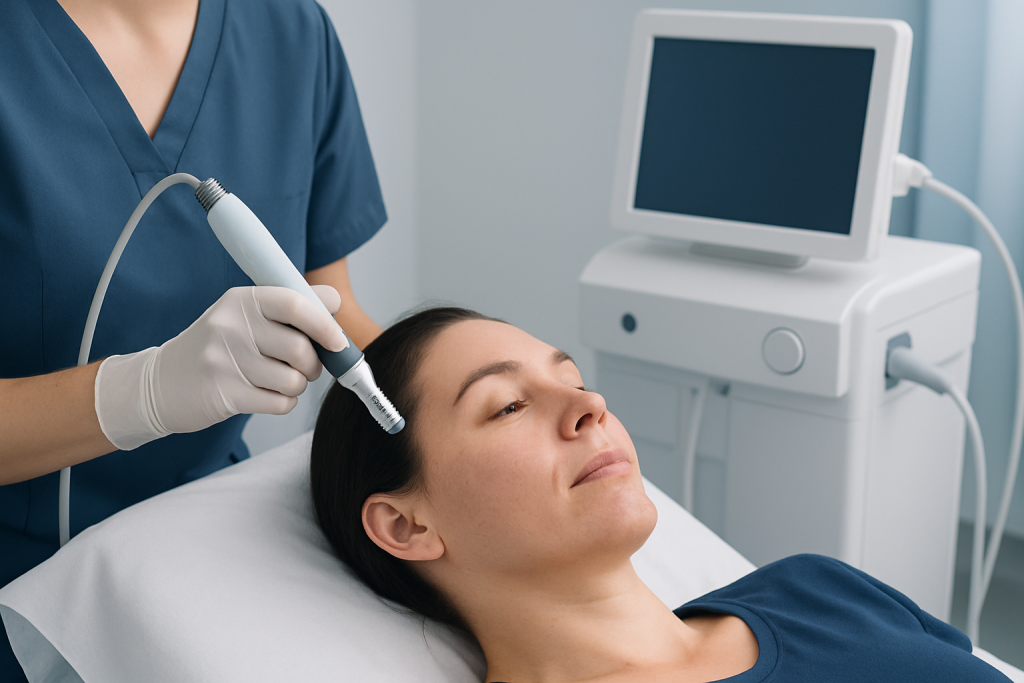
Microneedling is commonly used to improve the appearance of mild acne scars, enlarged pores, uneven texture, fine lines, and some types of pigmentation irregularity. It is also used in certain cases to support hair growth treatments or to enhance the absorption of topical products under medical supervision.
The most noticeable changes are usually not dramatic overnight transformations. Instead, skin may begin to feel softer and look more refined as collagen remodeling continues. This is why the before and after comparison is often more meaningful when it includes photos taken several weeks apart, under similar lighting and angle.
Not every concern responds equally well. Deep scars, active inflammatory skin conditions, or significant laxity may require combination care or a different plan altogether. A dermatologist or aesthetic physician can explain what microneedling is likely to improve and what it probably will not.
Before Treatment: What Planning Usually Involves
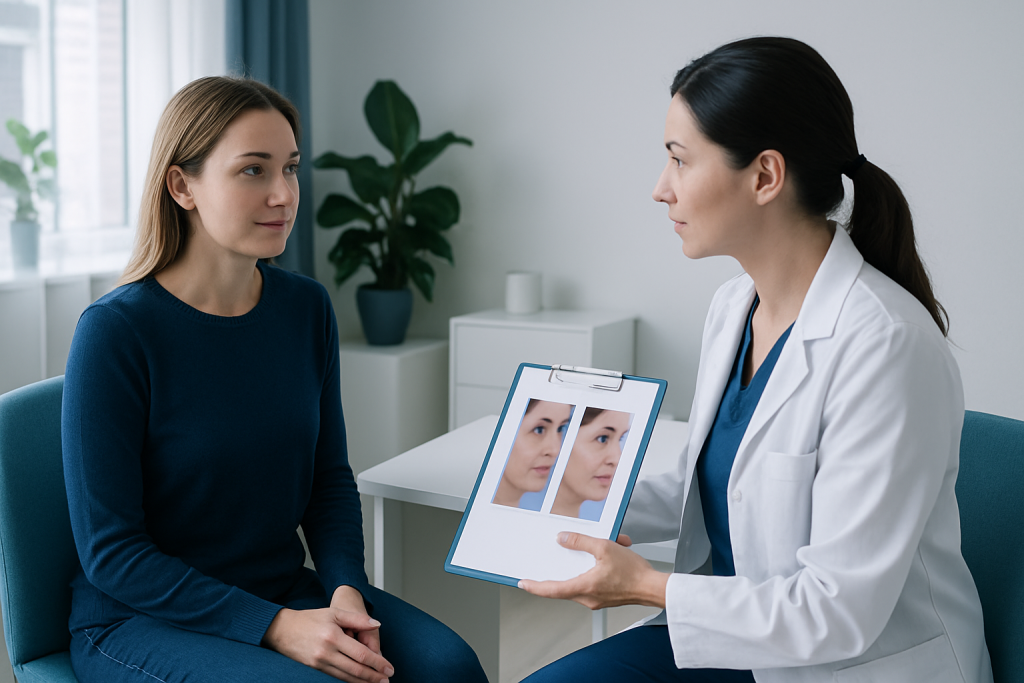
A thoughtful microneedling visit starts before the device touches the skin. The clinician usually reviews medical history, skin type, current products, previous procedures, and any tendency toward unusual scarring or pigmentation changes. This step helps reduce avoidable irritation and set appropriate expectations.
People are often asked to pause certain exfoliating products, retinoids, or other active skincare items before treatment, depending on the provider’s instructions. Those who have a history of cold sores, infections, or poor wound healing may need additional planning. If the treatment is being arranged during a medical trip, it is helpful to leave enough time for consultation, the session itself, and a follow-up check before returning home.
Before photos are usually taken in standardized lighting. This is not just for documentation; it helps both the patient and clinician judge progress more accurately, since subtle improvements can be hard to appreciate day to day.
What to Expect During and Right After the Session
During the procedure, the skin is cleansed and a numbing cream may be applied. Most people describe the sensation as prickling, scratching, or warmth rather than sharp pain, though comfort levels vary by treatment area and needle depth.
Immediately after microneedling, redness and mild swelling are common, similar to a sunburn. The skin may feel tight, warm, or slightly sensitive to touch. Small pinpoint marks can appear, especially with deeper treatments, and these usually settle within a short period.
Some clinics apply soothing serums or barrier-supportive products after the procedure, but the skin should not be overloaded with active ingredients. In the first hours, simple care is usually better than trying to “do more” for the skin.
Microneedling Before And After: The Usual Healing Timeline
The first 24 to 72 hours are mainly about calming the skin. Redness, mild swelling, and a dry or tight feeling are expected early on. For some people, this is the most visible part of the before-and-after journey, because the skin temporarily looks more reactive before it begins to look better.
Over the following days, the surface generally settles. Flaking or a sandpapery texture can happen as the skin renews itself, but this is usually brief. More visible cosmetic changes often appear after several weeks, when collagen-building processes have had time to progress.
Many clinicians recommend a series of sessions rather than a single appointment for concerns such as acne scarring or texture. The final comparison may therefore be judged over months, not days. A steady, incremental improvement is more typical than a one-time dramatic shift.
Risks, Side Effects, and Who Should Be Careful
Microneedling is generally considered low risk when performed by a trained professional, but it is still a medical procedure. Temporary redness, swelling, dryness, tenderness, and mild bruising are among the more common side effects. Less commonly, infection, prolonged irritation, pigment changes, or worsening of certain skin conditions can occur.
People with active acne flares, active skin infections, eczema or psoriasis in the treatment area, a history of keloid formation, or certain pigmentation tendencies may need extra caution. Darker skin tones can also be more prone to post-inflammatory hyperpigmentation if the skin is irritated or if aftercare is not followed carefully.
Because risk depends on skin type, needle depth, treatment area, and the device used, it is important that a qualified clinician assesses suitability before treatment. A careful plan is especially valuable for visitors who may not be able to return easily if an issue develops after travel.
Prevention, Aftercare, and Getting Better Results
The skin usually heals best when it is treated gently. A mild cleanser, bland moisturizer, and daily sun protection are often the backbone of aftercare. Harsh scrubs, strong acids, retinoids, and unnecessary touching are usually avoided until the skin has fully settled and the clinician says it is appropriate to resume them.
Swimming pools, saunas, heavy exercise, and makeup may be restricted for a short time after treatment, depending on how the skin reacts and the provider’s advice. Staying well hydrated and protecting the skin from sun exposure can also support recovery. If a patient is traveling, it helps to plan treatment when there is time to rest and avoid long, dehydrating journeys immediately after the session.
- Use sun protection every day after the skin has re-epithelialized.
- Follow the provider’s instructions about skincare products and makeup.
- Avoid picking, scrubbing, or exfoliating healing skin.
- Return for the recommended follow-up if multiple sessions are planned.
Results tend to look better when treatment is paired with realistic expectations and consistent skincare. The goal is usually gradual refinement, not complete skin replacement.
When to See a Doctor
Medical advice should be sought if redness worsens instead of improving, if pain becomes significant, or if there is increasing warmth, swelling, pus, or fever after the procedure. These are not typical healing findings and deserve prompt assessment.
It is also sensible to speak with a clinician before treatment if there is a history of poor wound healing, abnormal scarring, active skin disease, or frequent cold sores. A consultation can clarify whether microneedling is appropriate, whether preventive medication is needed, and whether another treatment may be a better fit.
For patients planning treatment abroad, the best experience usually comes from a clinic that can offer clear instructions, an honest discussion of likely outcomes, and follow-up support after the procedure. At Acibadem Health Point, multidisciplinary specialists and JCI-accredited hospitals diagnose and treat skin concerns for international patients with this kind of coordinated care in mind.
Choosing the Right Expectations
The most useful before-and-after photo is the one that reflects a fair comparison: similar light, similar angle, and enough time between sessions for collagen changes to appear. That approach helps patients judge the treatment by its real effect rather than by the immediate redness that follows the procedure.
Microneedling can be a practical option for people who want a structured, minimally invasive path toward smoother skin. It is most satisfying when chosen for the right indication, performed by a qualified professional, and followed by sensible aftercare. In that setting, the changes are usually gradual, natural-looking, and compatible with everyday life.
For anyone deciding whether to travel for the procedure, the best next step is a consultation that reviews skin goals, timing, and recovery needs. A personalized plan is the most reliable way to turn curiosity about microneedling before and after into a safe and informed decision.
Frequently asked questions
01How soon can someone see microneedling results?
Some people notice an early healthy glow once redness settles, but the more meaningful changes usually take several weeks. Collagen remodeling is gradual, so texture and scar improvement often become clearer after a series of treatments.
02What does the skin look like after microneedling?
Right after treatment, the skin is commonly red, warm, and slightly swollen, similar to a mild sunburn. Small pinpoint marks or dryness can also appear temporarily, then settle as the skin heals.
03Can microneedling help acne scars?
Microneedling may improve the appearance of certain acne scars, especially mild to moderate texture irregularities. Deep or tethered scars often need combination treatment, which a dermatologist can assess.
04Is microneedling safe for all skin types?
It can be appropriate for many skin types, but not everyone is a good candidate. People with active infections, certain skin diseases, or a tendency to form keloids may need a different approach or extra precautions.
05How should the skin be cared for after microneedling?
Aftercare usually focuses on gentle cleansing, soothing moisturizers, and strict sun protection. Harsh exfoliants, strong active ingredients, and scrubbing are commonly avoided until the clinician confirms the skin has recovered.
06Can someone travel soon after microneedling?
This depends on how the skin reacts and how far the person is traveling. Short trips may be possible, but it is wise to allow time for initial healing, follow the provider’s instructions, and avoid travel immediately if the skin is very irritated.
This article is for general information only and is not a substitute for professional medical advice. Please consult a qualified doctor about your individual situation.
Hair transplant in Turkey — costs, graft counts & a free assessment
JCI-accredited · board-certified surgeons · reply within 24h
Add us as a Preferred Source to see more of our trusted health content across Google Search, AI Overviews and Discover.