Iliotibial Band: Function, Pain and Treatment

Key Takeaways
- IT band syndrome usually causes pain on the outside of the knee or along the outer thigh.
- It often develops from repetitive bending and straightening during running, cycling, or similar activities.
- Diagnosis is mainly based on symptoms, movement assessment, and ruling out other causes of knee pain.
- Treatment usually focuses on activity modification, targeted exercises, and gradual return to sport.
- Early attention to training habits, footwear, and muscle balance can help prevent recurrence.
IT band syndrome is a common cause of pain on the outer side of the knee or thigh, especially in active people. With the right diagnosis, activity adjustment, and rehabilitation plan, most people improve without surgery.
Overview
The iliotibial band, often called the IT band, is a thick strip of connective tissue that runs from the hip down the outer side of the thigh to the outside of the knee. It helps support movement and stability, especially during repetitive leg activity such as running, walking downhill, cycling, or stair climbing.
When this tissue becomes irritated, the result is often known as IT band syndrome or iliotibial band friction syndrome. People usually notice a sharp or burning pain on the outer side of the knee, although some feel discomfort higher up along the thigh or near the hip. The pain may begin only during exercise and later appear sooner or linger after activity.
For many people, the condition is less about one single injury and more about repeated strain building over time. That is why a careful evaluation of training habits, movement patterns, and surrounding muscles is important, especially for active patients who travel for races, training camps, or sports events and want a clear plan for getting back to activity safely.
Symptoms
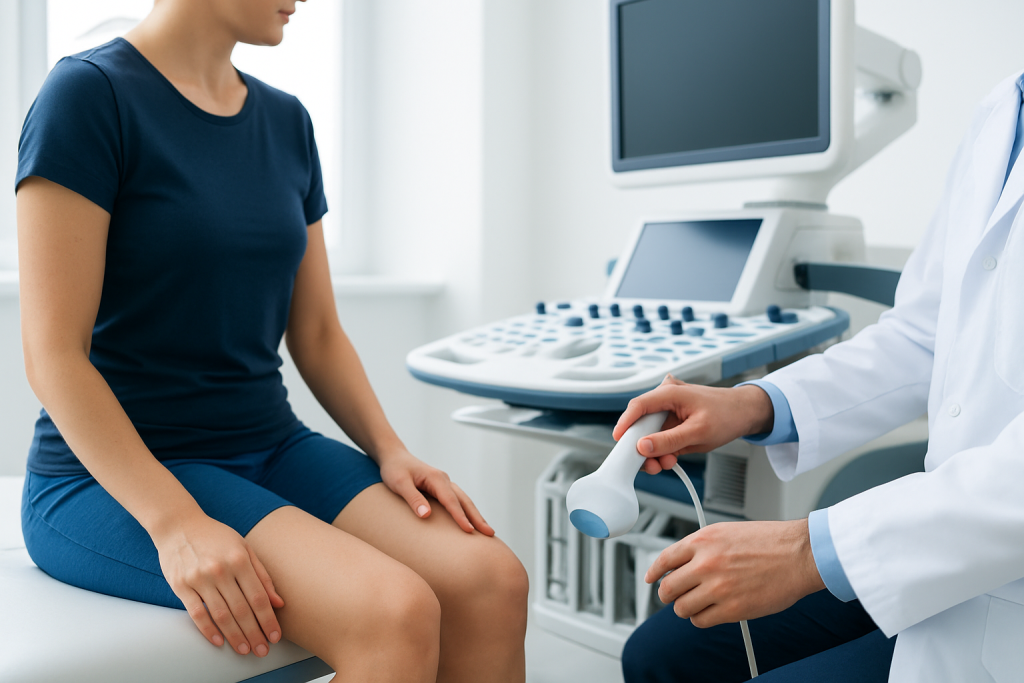
The most recognizable symptom is pain on the outer side of the knee. It may start after a certain distance, time, or slope and then ease with rest. Some people describe a tight, sharp, or aching sensation that becomes more noticeable when the knee bends repeatedly.
Common experiences include:
- Pain on the outside of the knee during running, cycling, hiking, or stairs
- Discomfort that worsens with downhill movement or longer sessions
- Tenderness along the outer thigh or near the hip
- A feeling of tightness in the side of the leg
- Reduced ability to keep training at the usual intensity
IT band syndrome does not usually cause swelling, major bruising, or a joint that locks in place. If those features are present, another condition may be involved and should be assessed by a clinician. Because knee pain can come from several sources, the exact location and trigger of symptoms matter.
Causes & Risk Factors

IT band syndrome typically develops when repeated movement overloads the structures around the outer knee. As the knee bends and straightens, the area may become irritated, especially when training load rises faster than the body can adapt. The problem is often linked to mechanics, training patterns, and tissue capacity rather than a single event.
Several factors can contribute:
- Rapid increase in running distance, speed, or hills
- Cycling with a poor bike fit or prolonged repetitive pedaling
- Tightness or weakness in the hip and thigh muscles
- Running on cambered roads or uneven surfaces
- Training shoes that are worn out or not suited to the person
- Previous lower-limb injury that altered movement patterns
People in endurance sports are often familiar with the pain because the condition tends to appear during repetitive load. Still, it can affect walkers, dancers, military personnel, and anyone whose routine places repeated stress on the outside of the knee. A multidisciplinary assessment can be especially useful when symptoms keep returning after a change in training or after traveling for sport.
Diagnosis
Diagnosis usually begins with a detailed conversation about symptoms, activity level, recent training changes, and where the pain appears. A clinician will often ask when the pain starts, what makes it worse, and whether rest brings relief. This history is especially helpful because the pattern can point toward IT band syndrome.
A physical examination may include checking hip and knee movement, muscle strength, flexibility, and tenderness along the outer thigh or knee. The clinician may also look at walking, squatting, running form, or cycling mechanics. The goal is not only to confirm a likely diagnosis but also to identify why it developed in the first place.
Imaging tests are not always needed. They may be considered when the symptoms are unusual, severe, persistent, or when another diagnosis needs to be ruled out. Because outer-knee pain can overlap with problems such as meniscus injury, ligament strain, or issues around the kneecap, a careful evaluation helps avoid treating the wrong condition.
Treatment Options
Treatment is usually non-surgical and centered on reducing irritation while restoring healthy movement. In many cases, the first step is temporary modification of the activity that triggers pain. This does not always mean stopping exercise entirely; it often means changing volume, terrain, or intensity so the tissue can settle.
Rehabilitation commonly focuses on strengthening the hip and leg muscles, improving control during movement, and addressing flexibility where appropriate. A physiotherapist may guide exercises that target the gluteal muscles, core stability, and movement patterns during walking, running, or cycling. Manual therapy and soft tissue techniques may be used as part of a broader plan, though exercise and load management are usually the foundation.
Other supportive measures may include:
- Short-term activity adjustment or cross-training
- Ice after provoking activity if it feels soothing
- Review of running technique or cycling setup
- Footwear assessment when relevant
- Pain-relieving medicines recommended by a clinician when appropriate
Surgery is rarely needed. Most patients improve with consistent conservative care, but recovery is often gradual rather than immediate. For international patients, a clear rehabilitation plan and follow-up strategy are especially helpful when treatment begins abroad and continuation is needed after returning home.
Prevention & Self-care
Prevention starts with respecting training load. A sudden jump in mileage, intensity, hill work, or time on the bike can outpace the body’s ability to adapt. A steadier build, with recovery days included, usually serves the outer knee better than trying to push through early warning signs.
Practical self-care steps may help reduce recurrence:
- Increase exercise volume gradually
- Alternate harder sessions with easier recovery days
- Warm up before training and cool down afterward
- Strengthen the hips, glutes, and trunk
- Check footwear and bike fit when symptoms appear
- Avoid repeatedly training on sloped or uneven surfaces during recovery
It is also helpful to pay attention to how the body responds after long travel. Stiffness, sleep disruption, and abrupt return to training after a flight can all make symptoms more noticeable. A measured return to activity, rather than a sudden restart, can make the difference between steady progress and another flare-up.
When to See a Doctor
Medical review is advisable when pain keeps returning, limits exercise, or does not improve with a sensible reduction in activity. It is also wise to seek assessment if the diagnosis is uncertain, especially because different knee problems can feel similar in the early stages.
A doctor should be consulted sooner if the pain is accompanied by swelling, instability, locking, fever, numbness, or a clear injury. These features may suggest another issue that needs attention. If walking becomes difficult or daily activities are affected, professional assessment can help guide safer recovery.
For people traveling for treatment or sports participation, getting evaluated before departure or shortly after arrival can prevent delays in care. Acibadem Health Point’s multidisciplinary specialists and JCI-accredited hospitals diagnose and treat IT band problems for international patients with coordinated orthopedic and rehabilitation support. A tailored plan can help patients recover with confidence and continue care smoothly across borders.
Frequently asked questions
01What is the IT band?
The IT band, or iliotibial band, is a thick band of connective tissue that runs along the outside of the thigh from the hip to the knee. It helps with stability during movement, especially in repetitive activities like running and cycling.
02Why does IT band syndrome cause pain on the outside of the knee?
Repeated bending and straightening can irritate the tissues near the outer knee, especially when training load is high or movement mechanics are not ideal. The result is often pain that appears during activity and improves with rest.
03Can IT band syndrome go away on its own?
Mild symptoms may improve with rest and reduced activity, but the problem often returns if the underlying cause is not addressed. Rehabilitation, strength work, and training adjustments usually help support longer-term improvement.
04Do I need an MRI for IT band syndrome?
Not always. Diagnosis is usually based on the history and physical examination, while imaging is reserved for unusual cases, persistent symptoms, or when another condition needs to be ruled out.
05Can I keep exercising if I have IT band syndrome?
Often, yes, but the activity may need to be modified so pain does not keep building. Many people continue with lower-impact or lower-intensity exercise while they recover under guidance from a clinician or physiotherapist.
06How long does recovery take?
Recovery varies depending on how long symptoms have been present and how quickly the triggers are addressed. Many people improve with a gradual, consistent rehabilitation plan, but returning too soon can slow progress.
This article is for general information only and is not a substitute for professional medical advice. Please consult a qualified doctor about your individual situation.
Joint and spine care in Turkey — expert assessment & treatment
JCI-accredited · board-certified surgeons · reply within 24h
Add us as a Preferred Source to see more of our trusted health content across Google Search, AI Overviews and Discover.